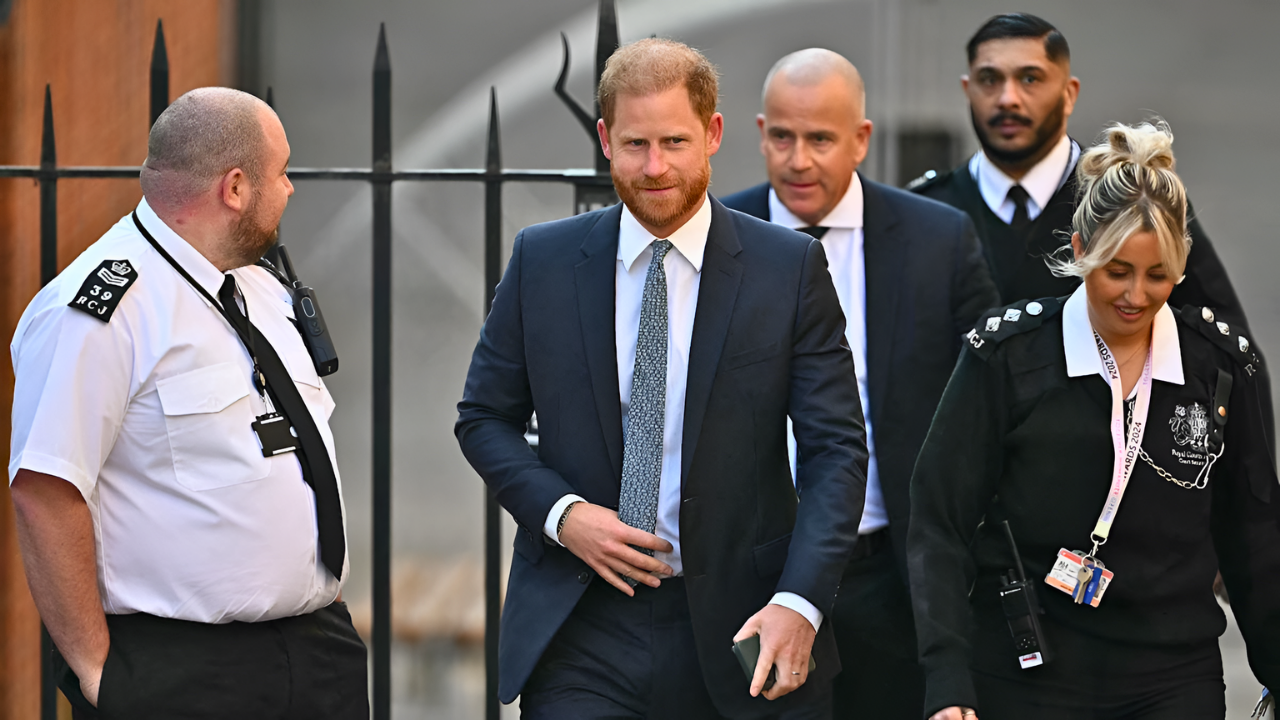
Prince Harry stands at a crossroads after years of legal battles, family distance, and security concerns. A fresh government review of his UK protection arrangements began in January 2026, following a May 2025 Court of Appeal ruling that upheld the government’s approach but left room for future reassessments.
While this process could ease Harry’s travel to Britain, the lack of guaranteed protection for Meghan and their children continues to shape his choices. Let’s look into how these developments affect the royal family and their public life.
Legal Battles Shape Protection Decisions
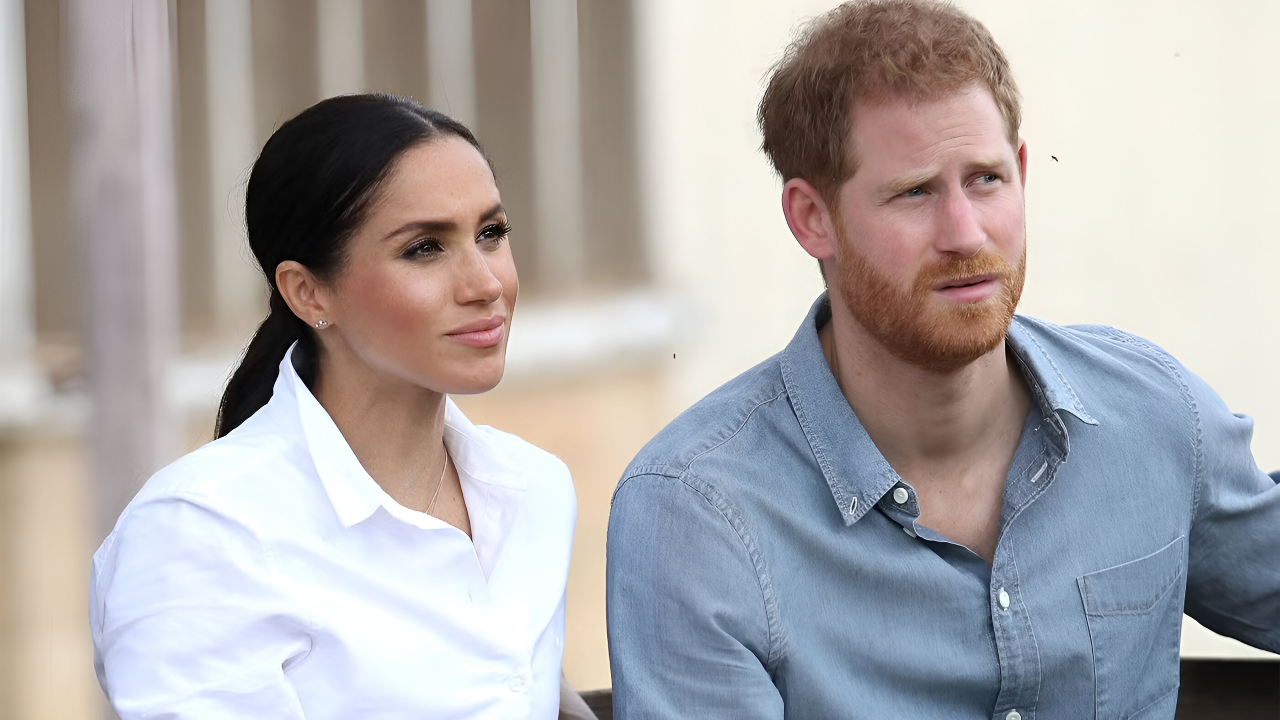
Harry stepped back from frontline royal duties in early 2020 and moved with Meghan to North America. This shift led the UK’s Executive Committee for the Protection of Royalty and Public Figures (RAVEC) to withdraw his automatic taxpayer-funded protection from 31 March 2020. He challenged the decision through judicial review, arguing that RAVEC had departed from policy by not reassessing his threat through the Royal and VIP Executive Committee’s Risk Management Board.
In 2023, the High Court ruled RAVEC had lawfully adopted a bespoke security approach. The Court of Appeal dismissed Harry’s appeal in May 2025, noting it was “understandable and perhaps predictable” that his change in status affected protection. Judges affirmed that RAVEC could reassess threats as circumstances evolve—a key opening Harry and his advisers continue to pursue.
Stalker Incidents Highlight Vulnerabilities
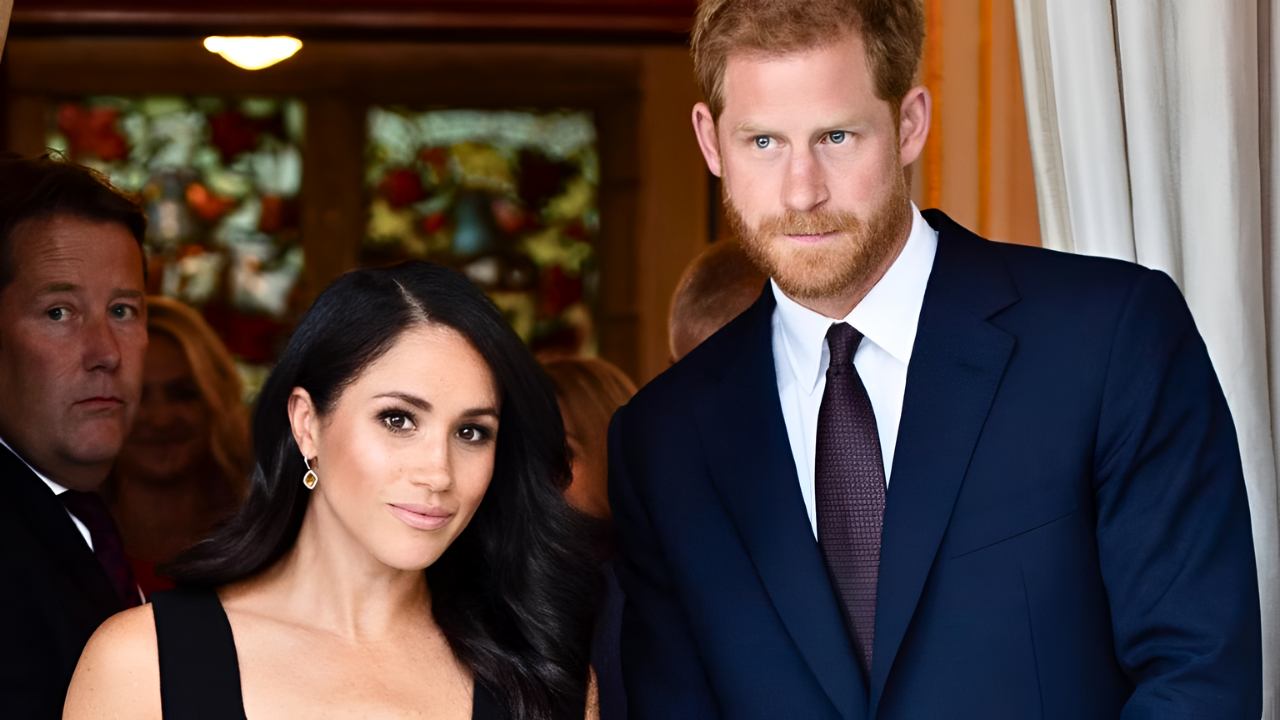
Concerns over Harry’s safety intensified during a September UK charity visit when a woman breached a “secure zone” at London’s Royal Lancaster Hotel, prompting security intervention. The next day, she was photographed near him at the Centre for Blast Injury Studies in west London, again raising questions about proximity to high-profile individuals without state police protection.
Reported as “close encounters” with a known stalker, these incidents circulated widely in UK and international media. Supporters argue that such episodes show the need for formal threat reassessments under RAVEC, rather than relying solely on privately funded security teams. The events underscored ongoing tensions between Harry’s visibility, his personal safety, and the state’s limited protective provisions.
Family Distance Persists Amid Security Limits
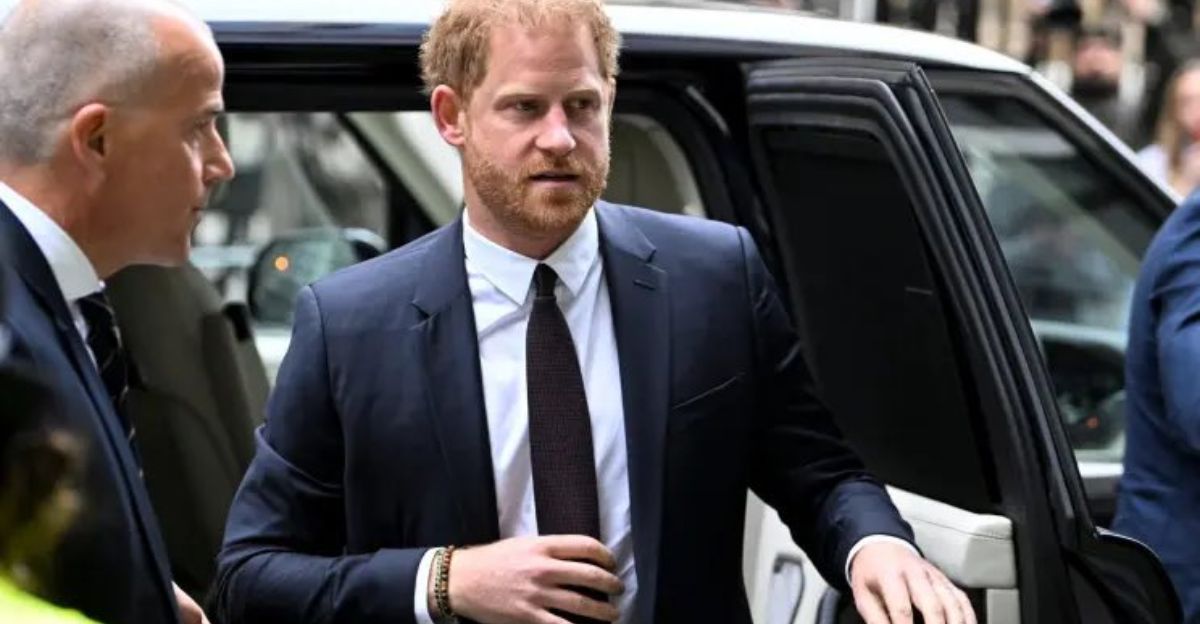
High Court and Court of Appeal decisions clarified that Harry can receive case-by-case security assessments but no longer qualifies for automatic protection like working senior royals. Meanwhile, King Charles, confirmed in early 2024 to be undergoing cancer treatment, continues public duties, adding emotional weight to any reunions.
For Harry, security remains a practical barrier to bringing Meghan and their children back to the UK. Meghan has made limited visits and did not accompany him to several recent UK appearances, including court hearings and charity events. RAVEC allows individual threat assessments, yet the courts confirmed Harry cannot insist on the automatic protection he once enjoyed. The result: Harry’s security prospects may improve, but his family remains largely “locked out” of regular UK life.
Pressures Extend Beyond Security
Alongside his security concerns, Harry is involved in a major privacy lawsuit against Associated Newspapers, publisher of the Daily Mail and Mail on Sunday. He alleges journalists and private investigators engaged in unlawful information-gathering, including hacking voicemail, tapping phones, and obtaining private data. Associated Newspapers denies the claims.
The trial began in London in January 2026 and is scheduled for roughly nine weeks, with 14 Mail articles central to Harry’s case. On 21 January 2026, Reuters reported he held back tears in court describing the tabloid’s impact on him and Meghan. Earlier wins against Mirror Group Newspapers over phone hacking underline Harry’s determination to address historical press misconduct, even as his security challenges continue.
Security, Safety, and Future Prospects
RAVEC operates within a confidential framework balancing threat intelligence, cost, and precedent, meaning decisions on Harry’s future protection are not fully public. The Court of Appeal’s 2025 ruling confirmed current arrangements were lawful but allowed reassessment based on new information.
As of late January 2026, Harry does not receive automatic police protection like senior working royals but remains eligible for bespoke assessments. Until coverage extends to Meghan and their children, they are likely to limit UK trips, keeping regular family visits just out of reach. This evolving situation underscores the delicate balance between public life, personal safety, and family unity.
Sources
Risk Assessment and Decision-Making Review of Royalty and VIP Protection. Home Office, 31 July 2016
Sussex v Secretary of State for the Home Department (2025) EWCA Civ 548. Court of Appeal Judgment, May 2025
Prince Harry testifies against Associated Newspapers Limited. Sky News, 21 January 2026