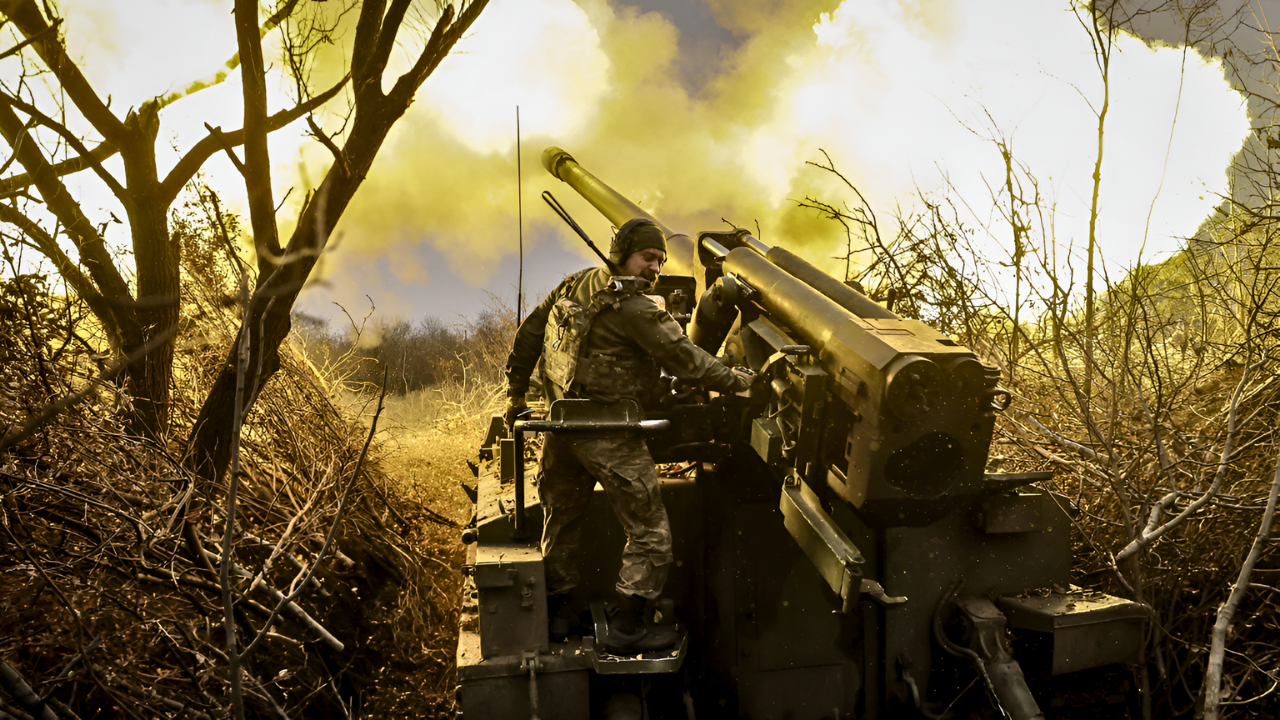
During the night of January 19–20, 2026, President Volodymyr Zelenskyy disclosed that Ukraine spent approximately €80 million (about $94 million) on air-defense interceptors in just one overnight engagement.
The figure reflects the cost of repelling one of the largest combined Russian drone-and-missile attacks of the war, highlighting how Ukraine’s air defense now consumes massive resources in a matter of hours.
The Size of Russia’s Barrage
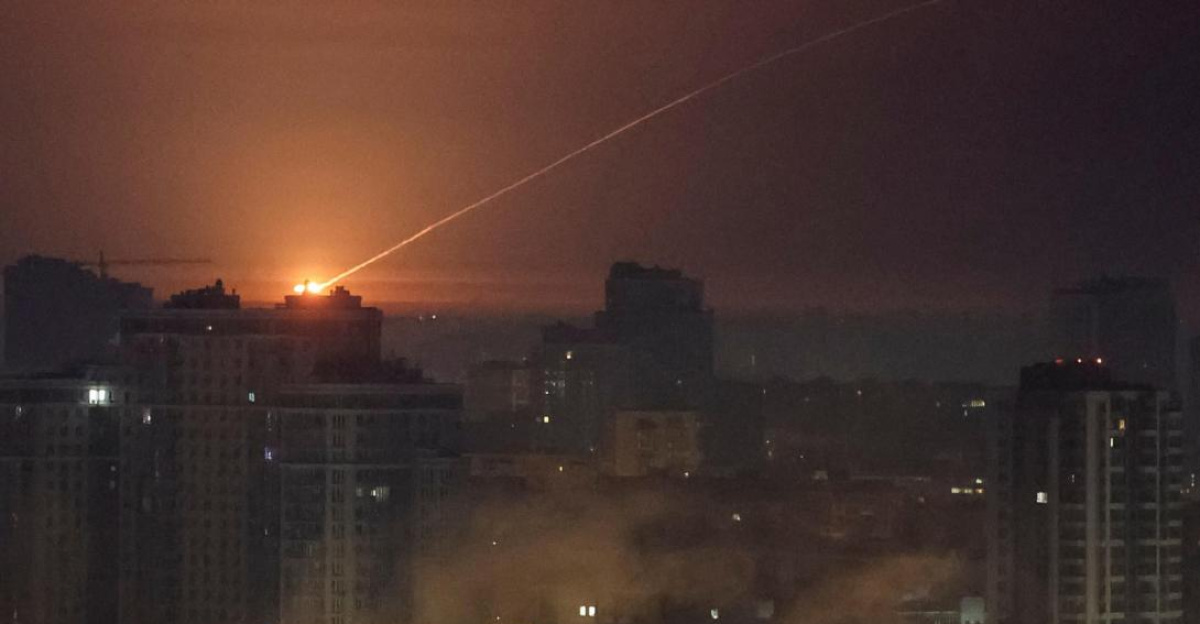
Russia launched 372 air attack assets in a coordinated strike on Kyiv and other regions. The attack included 18 ballistic missiles, 15 cruise missiles, one anti-ship missile, and 339 attack drones.
The mix of high-end missiles and large drone swarms was designed to overwhelm Ukrainian air defenses through sheer volume rather than precision alone.
Interception Results
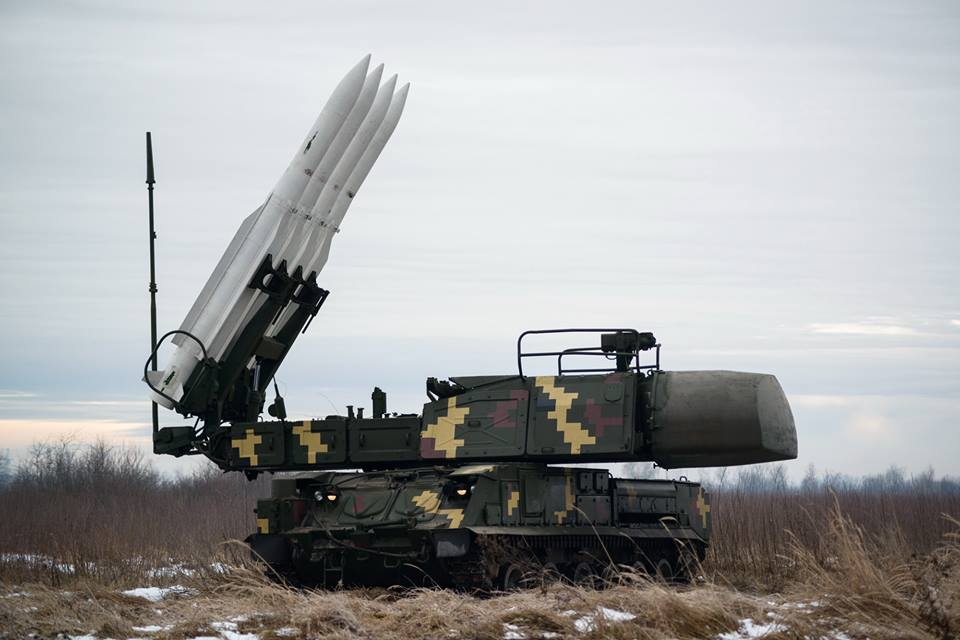
Ukrainian air defenses shot down 27 of 34 missiles and 315 of 339 drones. Despite the high interception rate, five missiles and 24 drones struck targets.
These hits were sufficient to damage infrastructure, demonstrating that even limited penetration can have outsized civilian and economic consequences during winter conditions.
Why Defense Is So Expensive
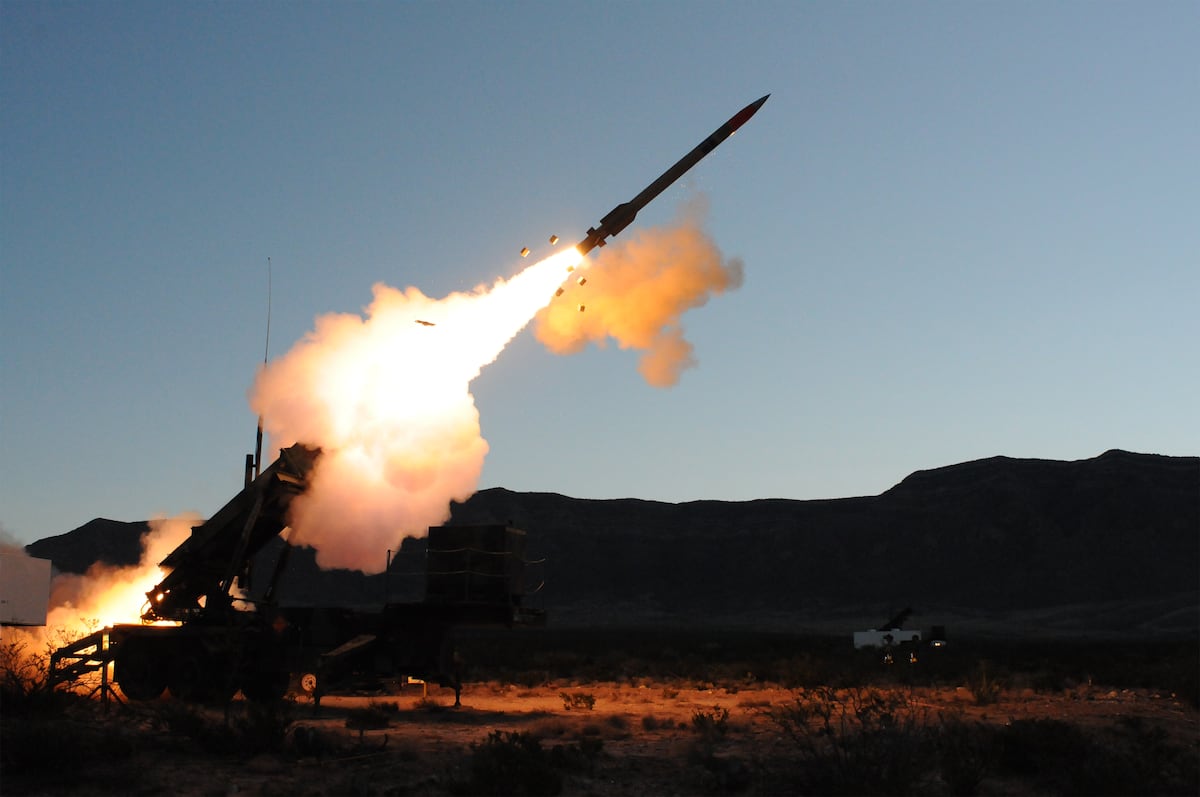
Much of the cost came from Patriot air-defense systems, particularly PAC-3 interceptor missiles, which cost about $3.7 million per unit.
These missiles are critical for countering ballistic and cruise missile threats, but even a small number fired in one night rapidly drives total defense costs into the tens of millions of dollars.
Russia’s Cost-Asymmetry Strategy
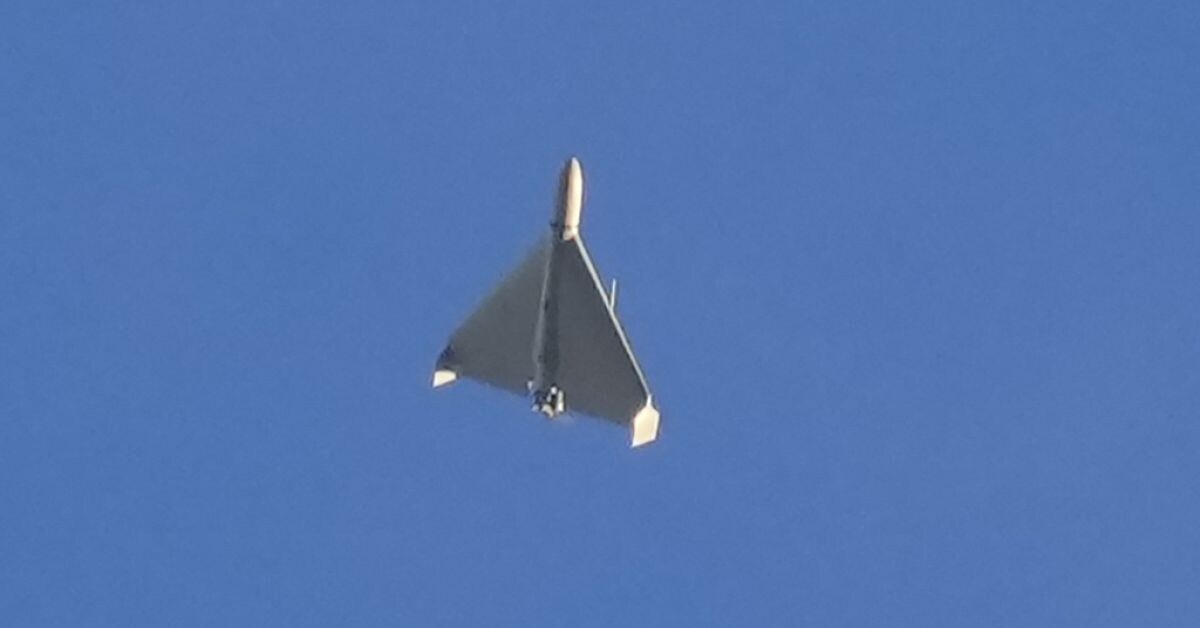
Russia increasingly relies on relatively inexpensive drones to force Ukraine into firing costly interceptors. While drones are cheap to manufacture, defending against them still requires radar coverage, personnel, and layered systems.
The result is a financial imbalance where defense costs significantly exceed attack costs.
Infrastructure Comes Under Fire
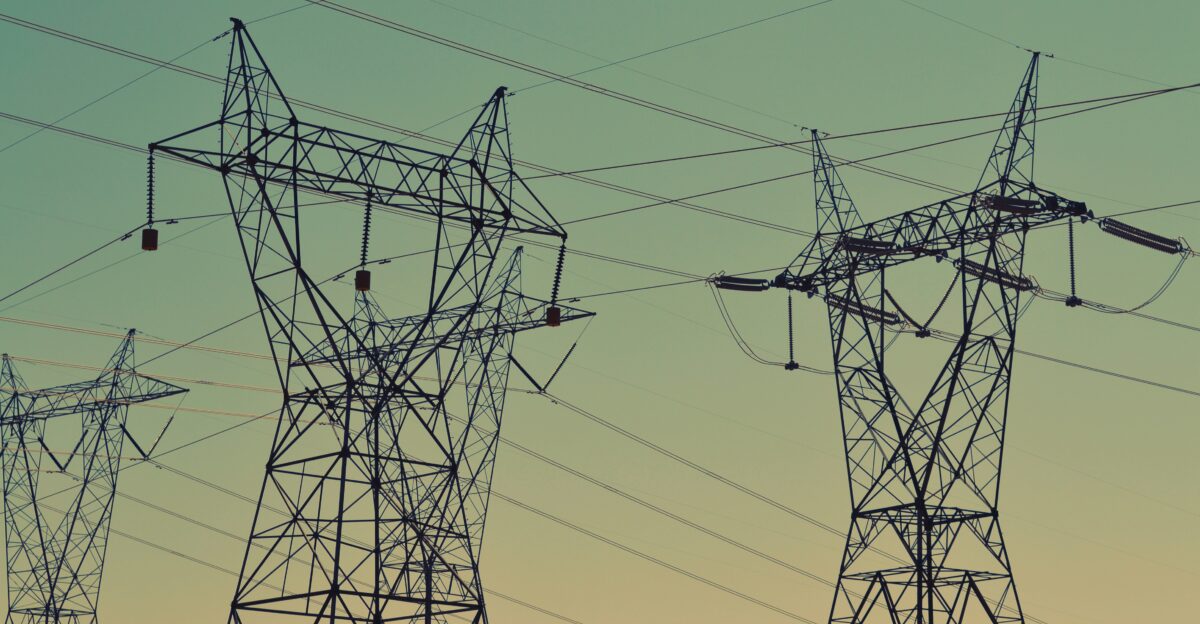
Some of the missiles and drones that were not intercepted hit critical energy infrastructure, including parts of the power grid.
These strikes caused power and heating disruptions, reinforcing Russia’s pattern of targeting civilian infrastructure to strain Ukraine’s economy and pressure the population rather than achieving direct battlefield gains.
Winter Impact on Civilians

The attacks led to electricity, heating, and water disruptions during freezing temperatures. Hospitals, utilities, and public services switched to backup power, while households relied on generators and emergency heating.
Repeated winter strikes magnify humanitarian stress even when interception rates remain high.
An Unsustainable Burn Rate
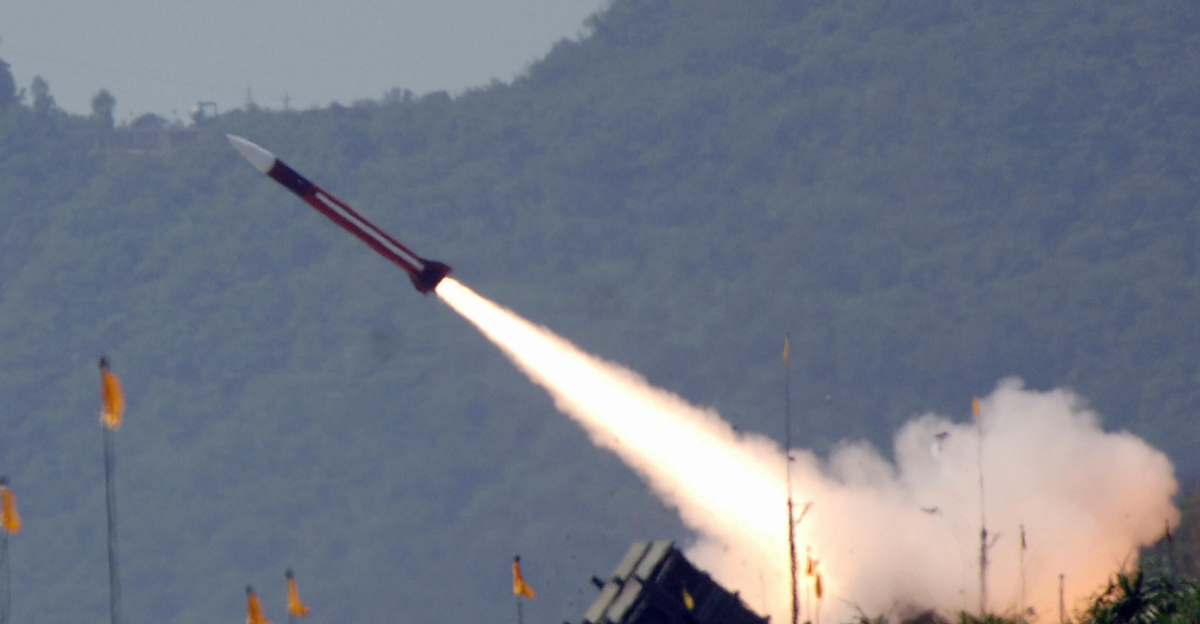
At roughly $94 million for one night, Ukraine’s air-defense spending cannot be sustained indefinitely.
If similar attacks occurred regularly, annual interceptor costs alone would reach tens of billions of dollars, raising concerns about stockpile depletion and long-term financial viability without continued external support.
Turning to Cheaper Defenses
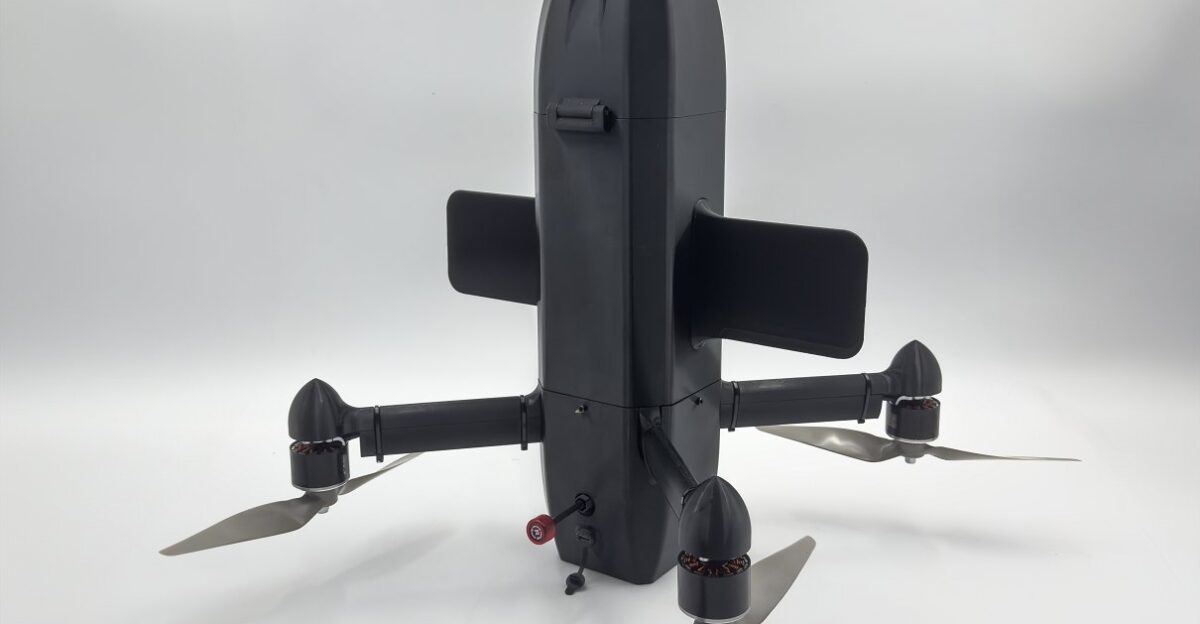
To reduce reliance on expensive missiles, Ukraine has expanded production of lower-cost interceptor drones and mobile air-defense units.
Officials report domestic production of roughly 1,000 interceptor drones per day, aimed at countering slower and lower-altitude threats more economically.
Layered Defense Becomes Essential
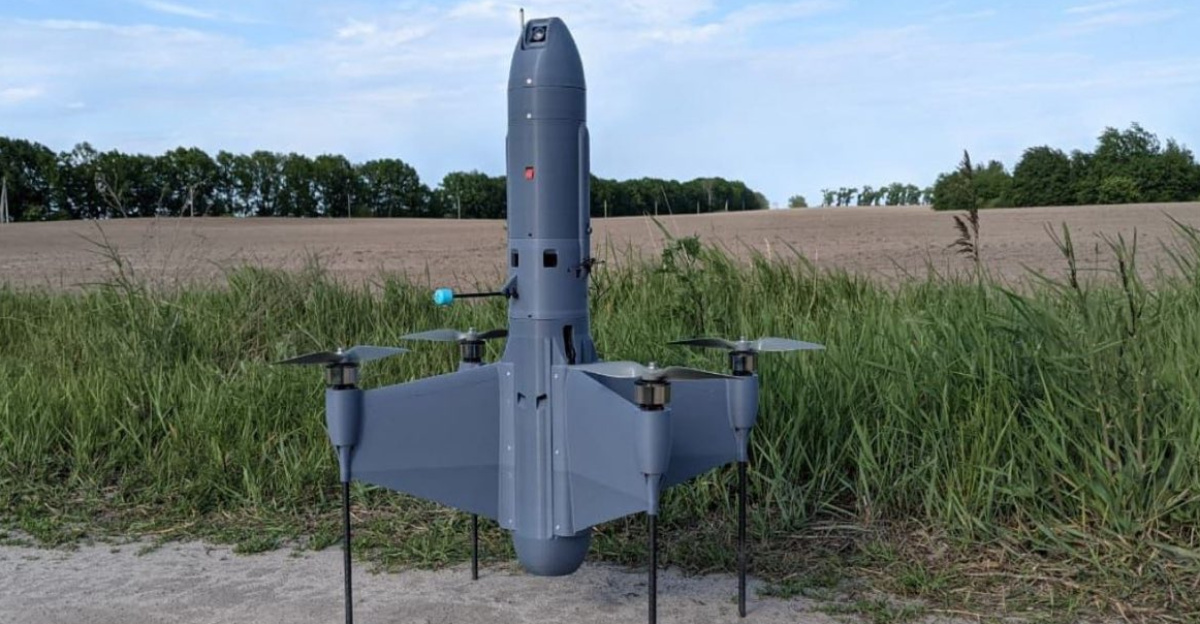
Interceptor drones, electronic warfare, and short-range systems now complement high-end missile defenses.
While they cannot replace Patriot systems against ballistic missiles, they help conserve expensive interceptors by handling drone swarms and less complex threats within a layered defense framework.
Rapid Growth of Ukraine’s Defense Tech Sector
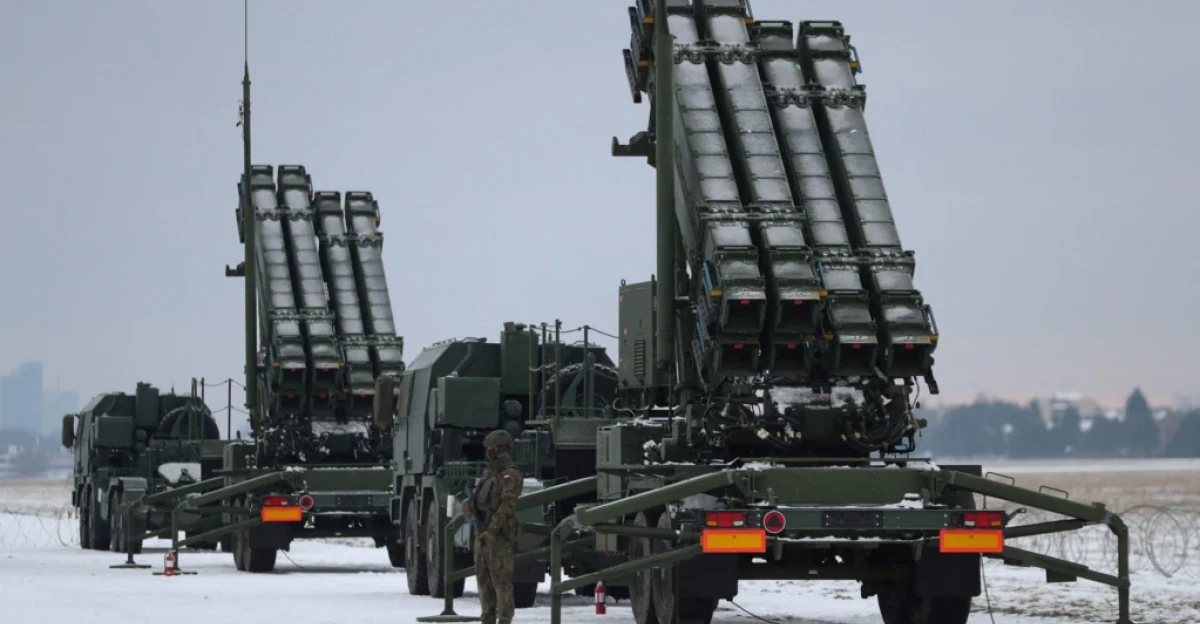
Ukraine’s defense industry has shifted toward fast-moving private firms specializing in drones, software, and AI-assisted targeting.
Rapid prototyping and battlefield feedback allow systems to be deployed far faster than traditional defense procurement timelines, giving Ukraine a critical adaptability advantage.
Dependence on Western Support
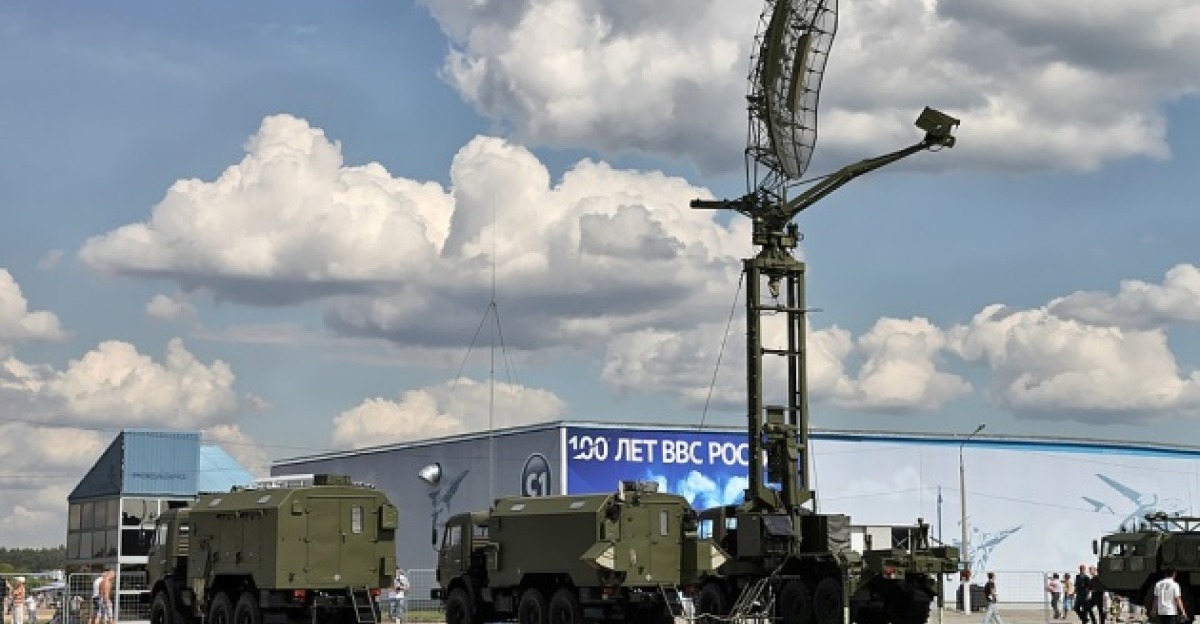
Despite domestic innovation, Ukraine still relies heavily on Western-supplied interceptors, radar systems, and spare parts.
Rising global demand for air-defense equipment has strained production capacity, complicating resupply efforts for both Ukraine and NATO countries.
Budget Pressure and Economic Tradeoffs
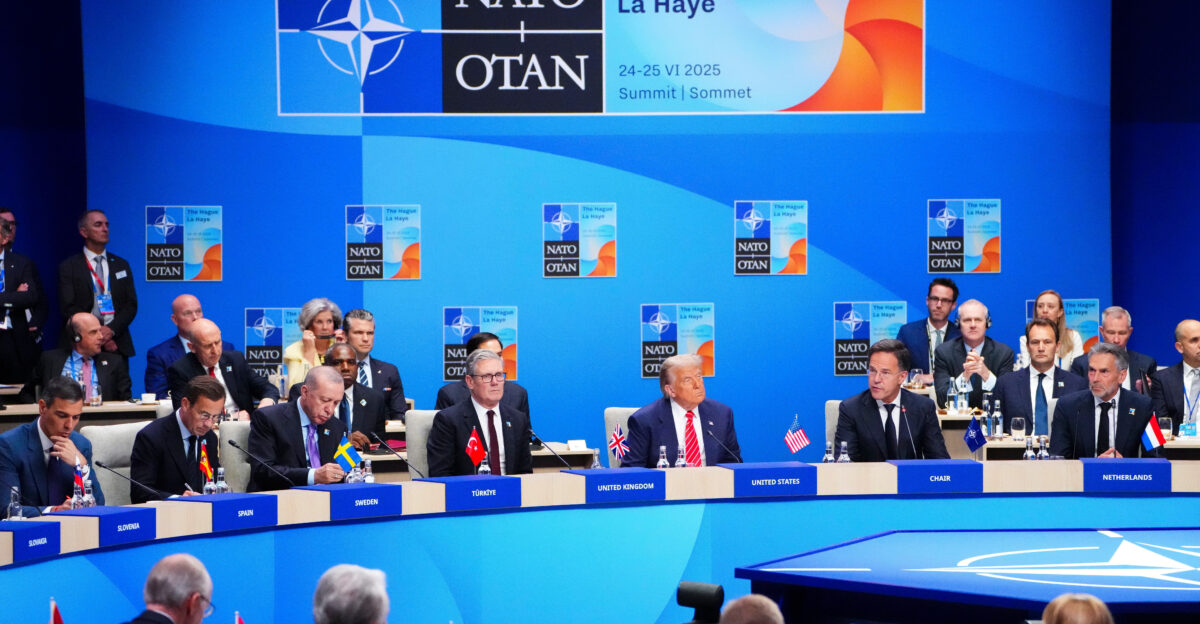
Ukraine’s 2026 budget allocates roughly 27% of GDP to defense and security.
Emergency repairs after major strikes divert funds from civilian priorities such as healthcare, education, and reconstruction, underscoring the long-term economic cost of sustained high-intensity air defense.
Zelenskyy’s Warning
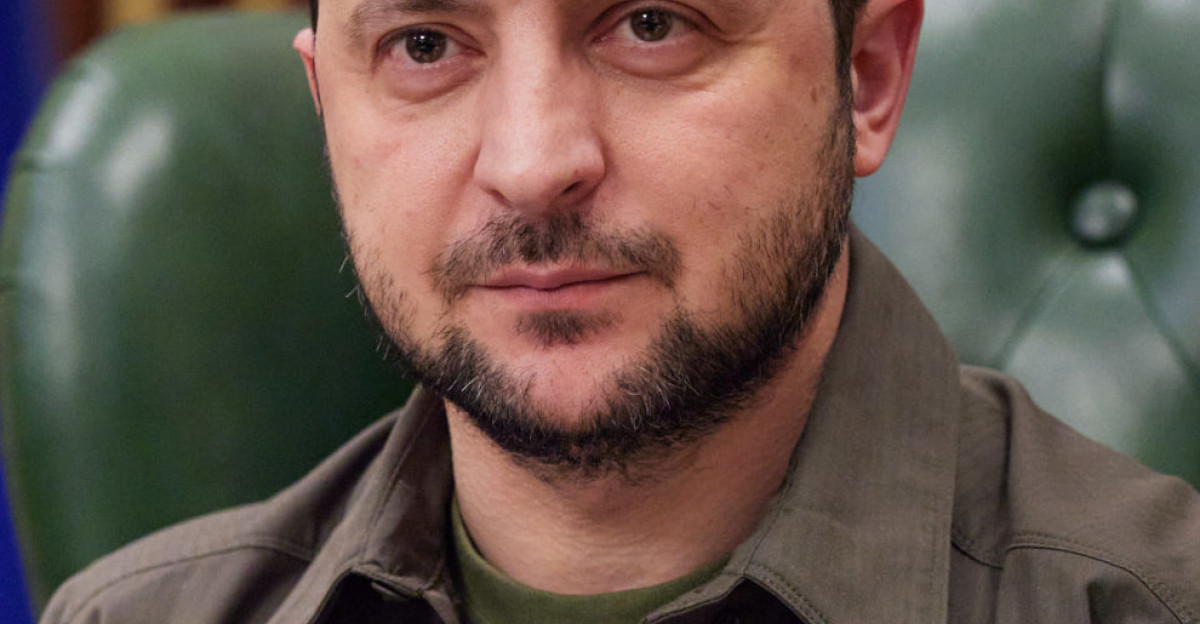
President Zelenskyy described the war as an “extremely expensive Russian luxury,” emphasizing that Ukraine pays enormous sums simply to protect its cities.
His remarks underscored the urgency of securing more affordable defensive solutions and consistent allied support to offset Russia’s cost advantage.
What One Night Reveals
The January 19–20 attack illustrates a defining reality of modern warfare: inexpensive offensive systems can force defenders to expend extremely costly interceptors.
Ukraine’s survival strategy now depends on combining Western aid with rapid domestic innovation to manage this imbalance until the scale of attacks can be reduced.
Sources:
- 1. 19FortyFive – “Ukraine’s $35 Billion Defense Boom: AI Air Defenses Aim to Make the Country Unconquerable” (January 2026)
- 2. CNBC – “Ukraine War: Patriot Missiles Are Expensive and in Short Supply” (May 18, 2023)
- 3. Defense New – “US, Europe Vow to Secure Ukraine, as Kyiv Asks for $60 Billion in 2026” (December 16, 2025)
- 4. Canada Department of National Defence – “Canadian Donations and Military Support to Ukraine” (Ongoing)
- 5. Kyiv Independent – “Ukraine’s Parliament Votes to Adopt 2026 Budget” (December 2025)
- 6. Ukraine Ministry of Finance – “Government Approves Draft State Budget 2026” (January 2026)