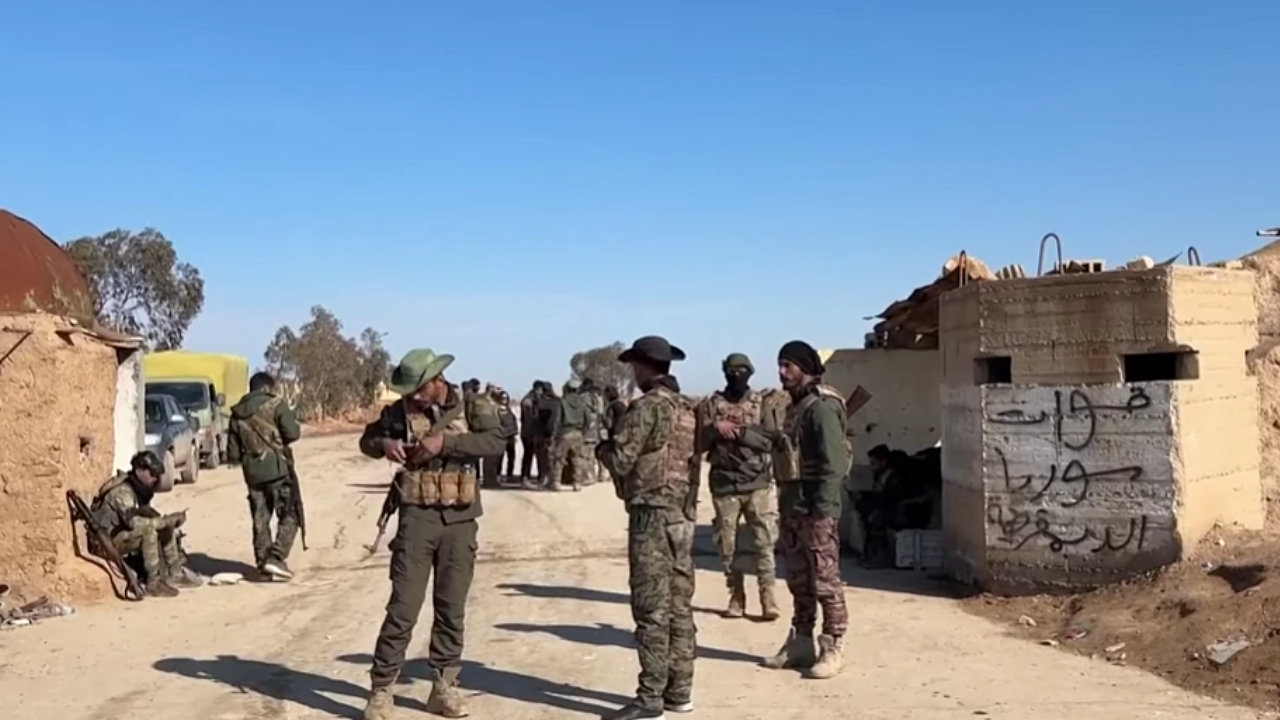
Forty of the world’s most dangerous ISIS fighters escaped this week when Syria’s new government seized a Kurdish-held prison while a U.S. military base stood just 1.2 miles away and did nothing. The incident exposed a catastrophic shift: America is abandoning its decade-long Kurdish alliance and pivoting toward Syria’s new strongman.
Now the Pentagon races to transfer 7,000 ISIS detainees to Iraq before chaos spreads. What happens in the next 72 hours will reshape Middle Eastern security
Chaotic Custody Battle
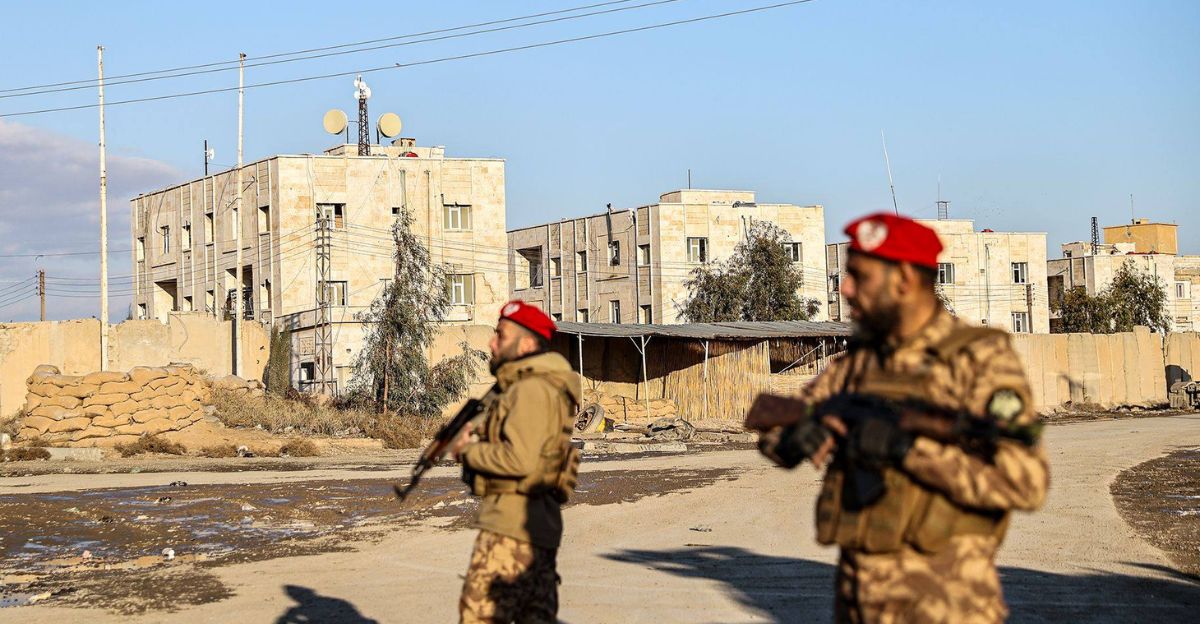
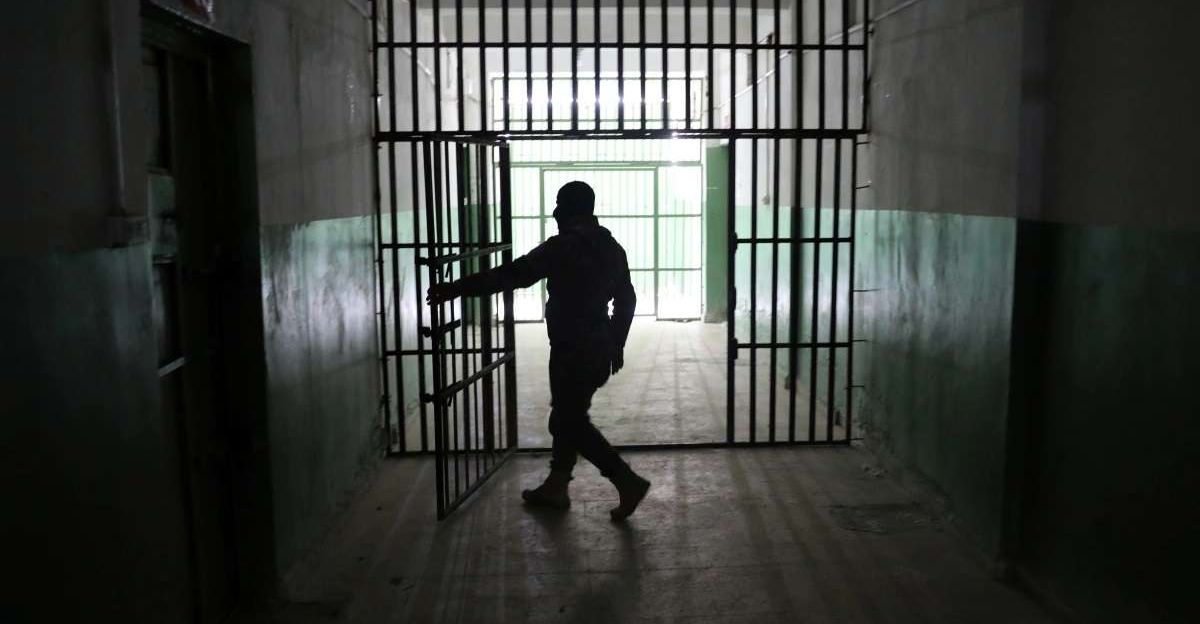
On Monday morning, 120 ISIS prisoners walked free from al-Shaddadi Prison as Syrian government forces seized the facility from retreating Kurdish guards. By Tuesday, troops recaptured 81 escapees.
But roughly 39 high-level operatives vanished into the Syrian countryside, triggering an urgent manhunt and forcing the Pentagon into action. The breach exposed a dangerous vulnerability in detention operations.
U.S. Military Base Just 1.2 Miles Away
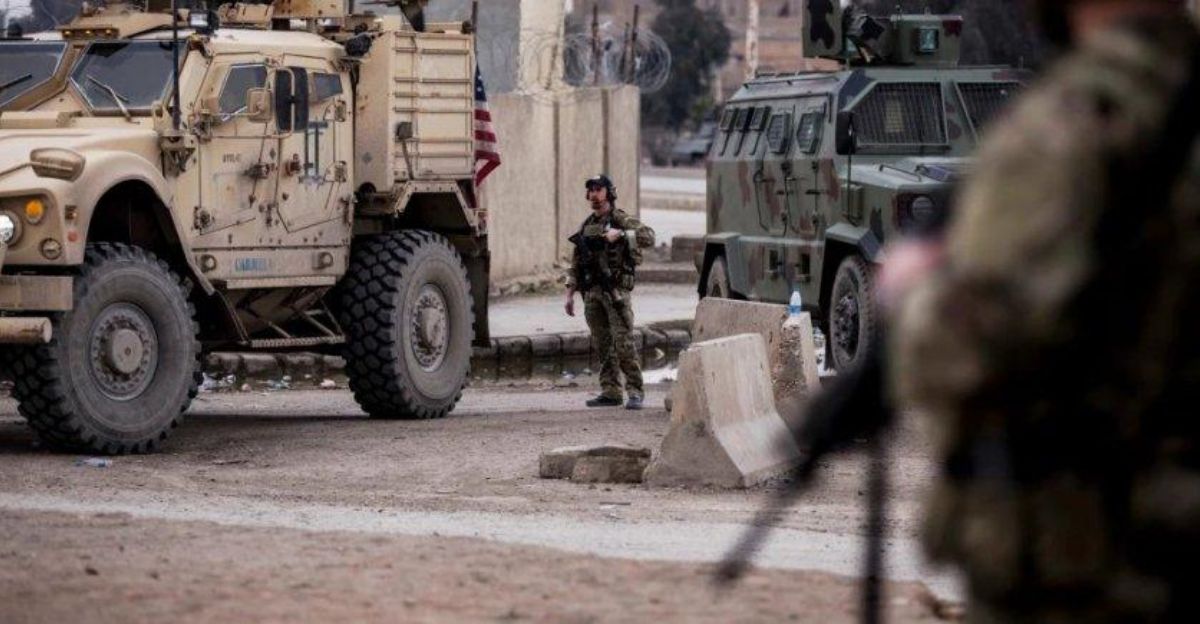
A U.S. military base sat just 1.2 miles from the prison—close enough to see what was happening. Yet American forces never intervened as the facility fell to Syrian attackers.
Kurdish commanders pleaded for help. None came. The omission raised hard questions about America’s role as its oldest Middle Eastern alliance crumbled in real time.
Pentagon Launches Emergency Operation
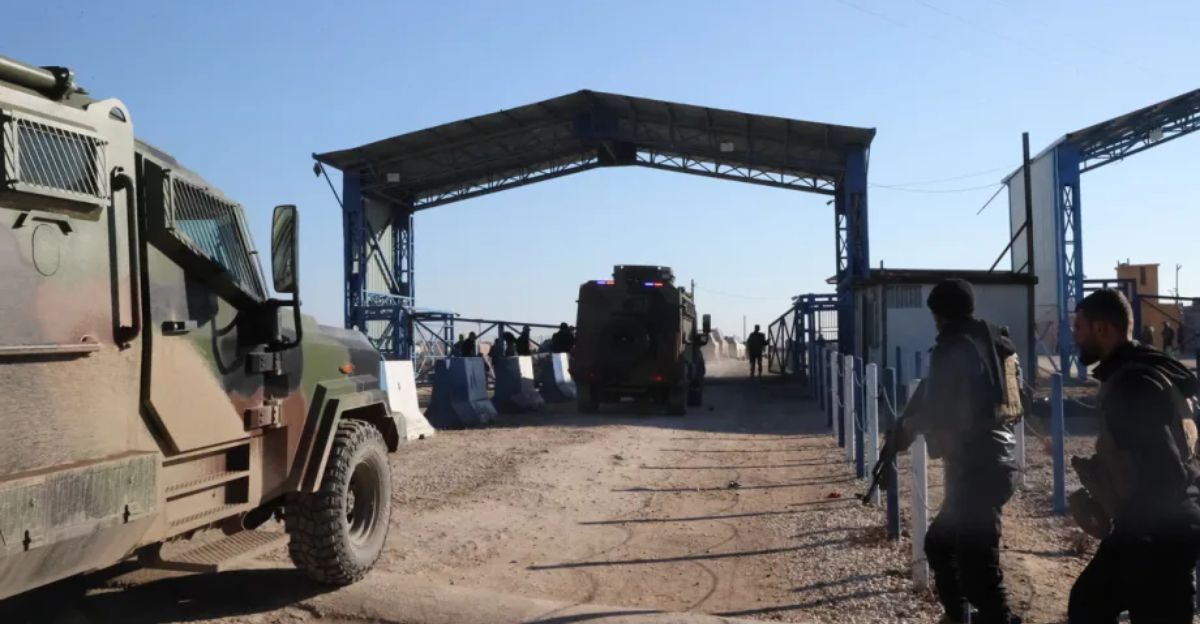
Within two days, CENTCOM launched an emergency operation. The U.S. moved 150 ISIS detainees from Hasakah prison to secure Iraqi custody on Wednesday—the first transfer in a sweeping mission that could relocate up to 7,000 fighters.
Admiral Brad Cooper warned that the stakes were existential: preventing breakouts that pose a direct threat to the United States and to regional security.
High-Value Targets, Not Foot Soldiers
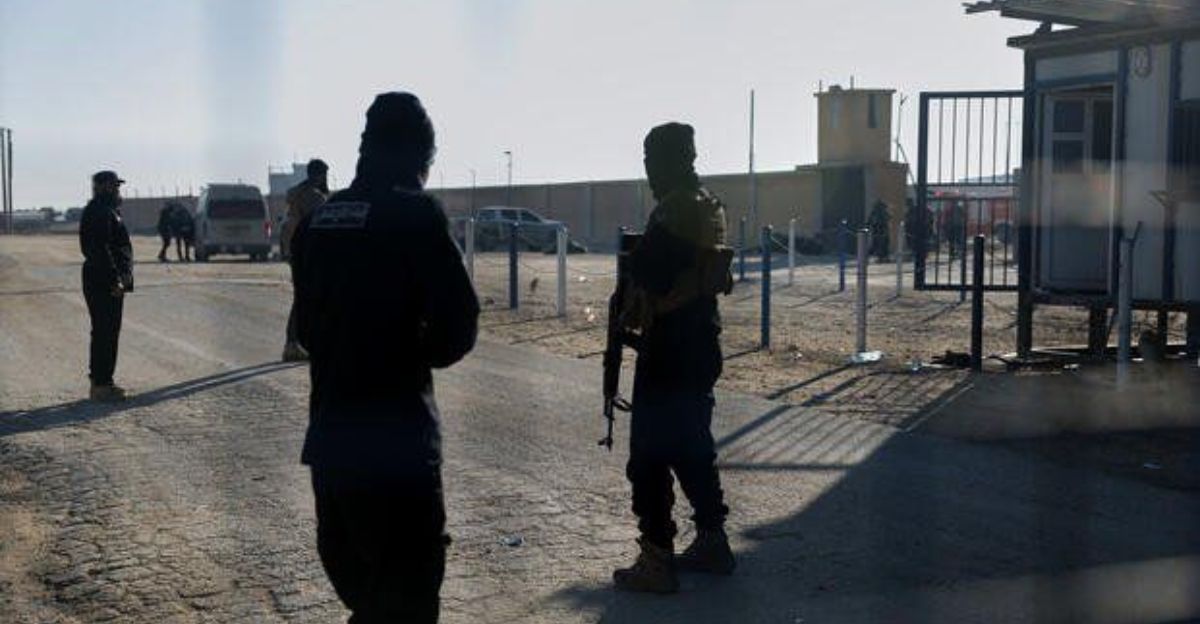
These aren’t abstract numbers. Among the 7,000 detainees earmarked for transfer are battle-hardened commanders, suicide bombers, and recruiters from Tunisia, Tajikistan, Kazakhstan, and Europe. Iraqi intelligence officials say they’re high-value targets—not foot soldiers.
Many will face trial. Some will receive death sentences. Others will serve life in Iraqi prisons far from media attention.
74 Countries Have Citizens in Syrian Prisons
Seventy-four countries have nationals sitting in Syrian detention facilities, yet most refuse to bring their own citizens home. France repatriated just 17 children despite 200 minors in camps. Belgium took back six. Germany twelve. Sweden seven.
The rest? Abandoned. Their governments have chosen to keep them away rather than face domestic political blowback.
30,000 People Left Behind as Kurdish Guards Withdraw
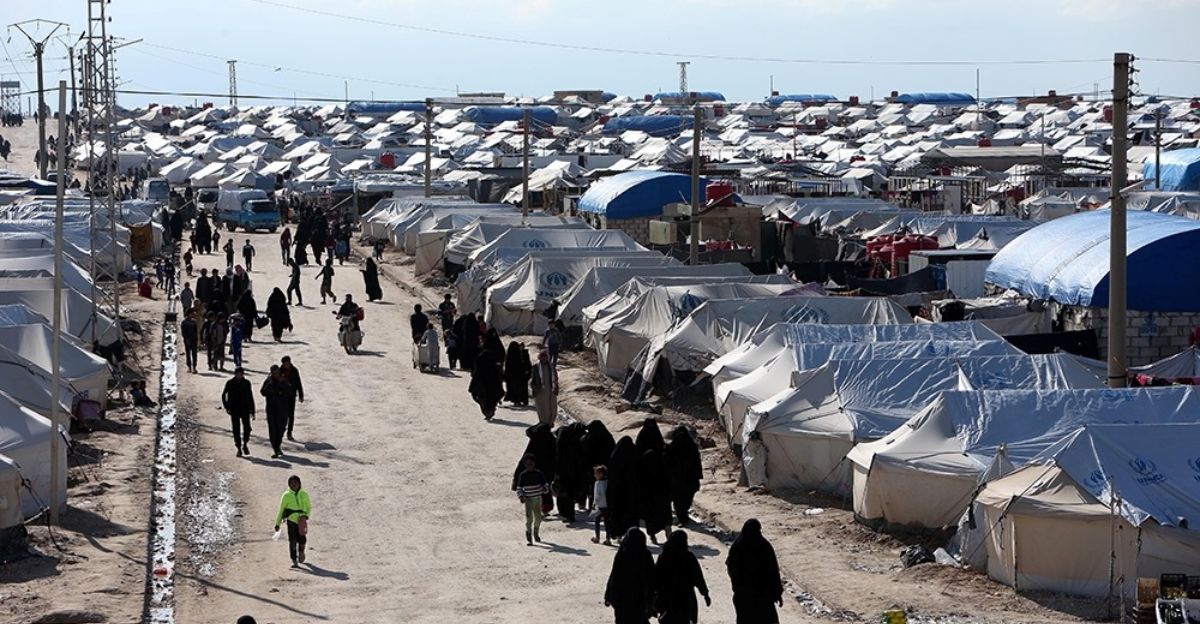
Al-Hol holds 30,000 people—mostly women and children linked to ISIS fighters. On Tuesday, Kurdish guards simply walked away without coordinating with Syria’s new government or U.S. allies.
The camp remained under Syrian protection, but the withdrawal symbolized something larger: the rapid dissolution of institutions America had built and trusted for more than a decade.
A Decade of Kurdish Sacrifice
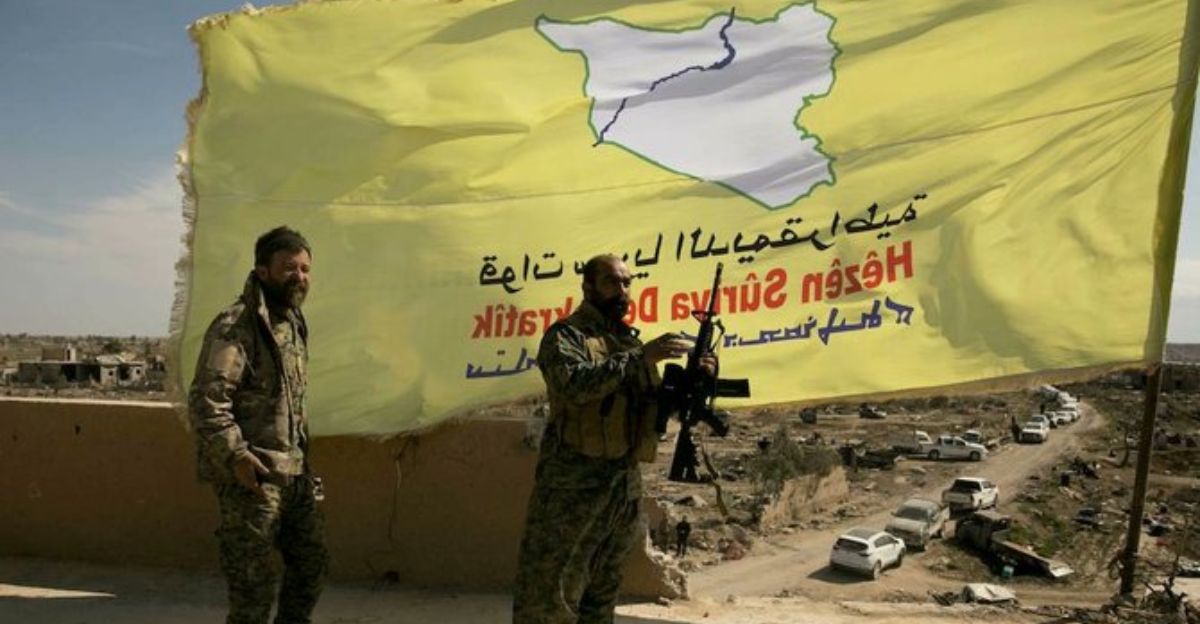
For over ten years, the Syrian Democratic Forces were America’s most reliable ground force against ISIS. They captured Raqqa in 2017—ISIS’s claimed capital. They held 56,000 detainees across 27 facilities.
They fought and bled while global partners avoided the hard work. Now, abandoned by America’s strategic pivot, they’re losing everything they gained.
Assad Falls, Sharaa Rises
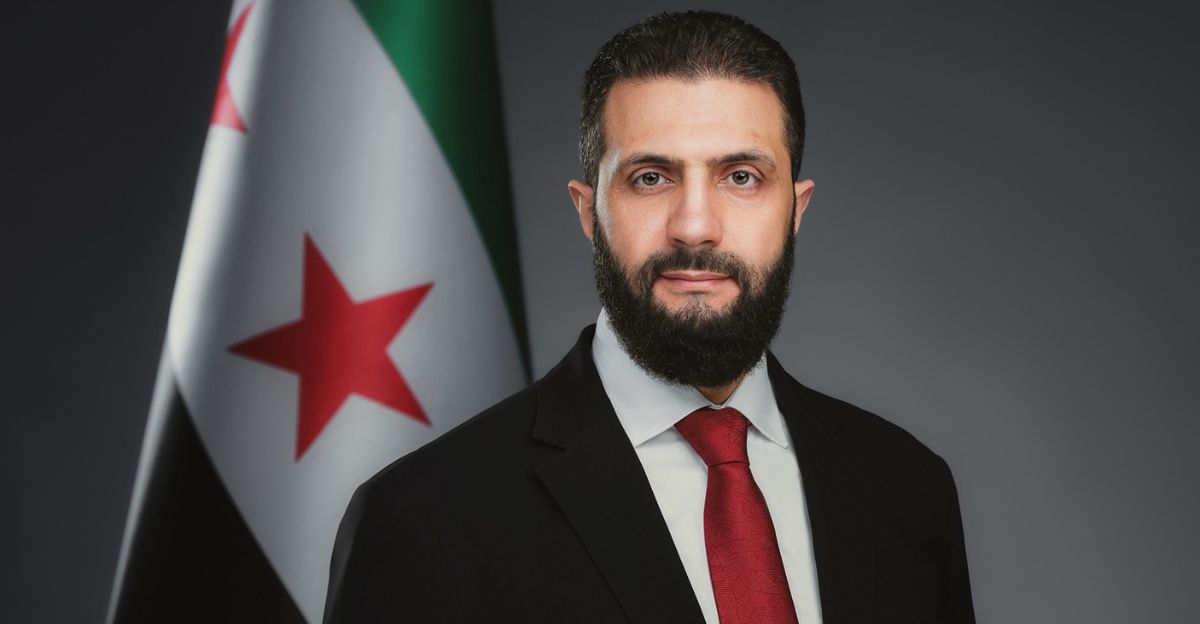
As Assad’s regime collapsed in December, President Ahmed al-Sharaa rose to power and immediately signaled Syria would take control of detained ISIS fighters. A four-day ultimatum was issued to Kurdish forces: integrate into the Syrian state or lose territory.
The Kurds chose to fight. Within hours, the government seized most of northeastern Syria anyway.
Ceasefire Collapses Within Hours
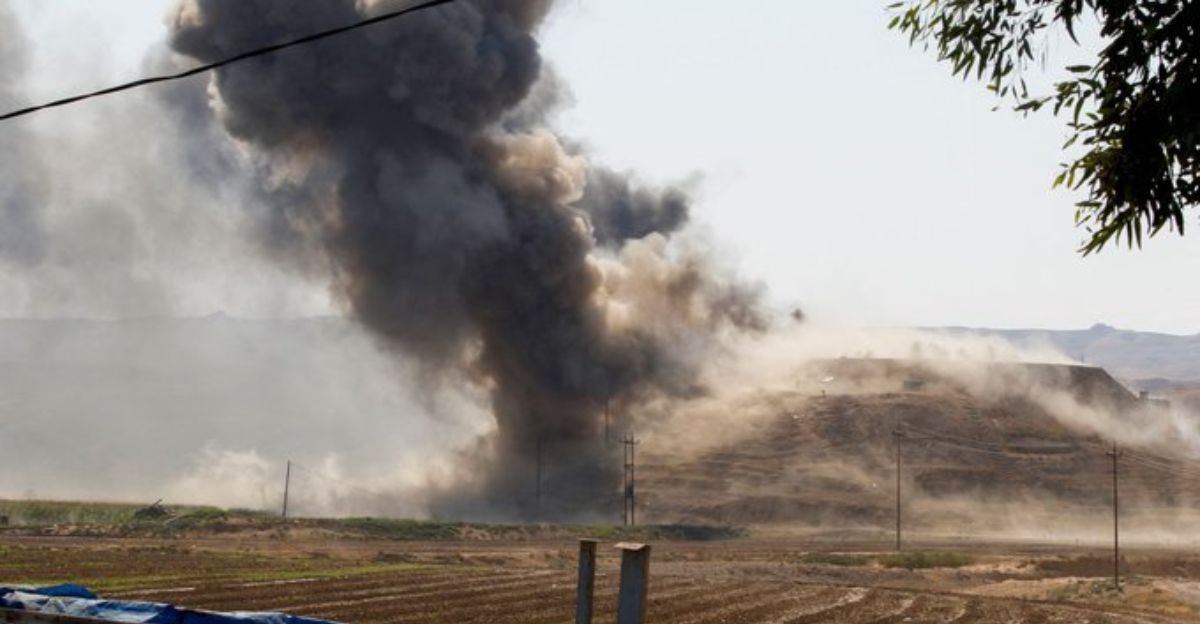
A four-day ceasefire announced Tuesday was violated within hours. Eleven Syrian soldiers died in attacks that the SDF denied launching. Twenty-five more were wounded. A drone struck an ammunition depot at the border.
The fragile agreement collapsed, revealing just how fragmented security has become across the region now that the U.S. is backing away.
Raqqa’s Brutal Liberation in 2017
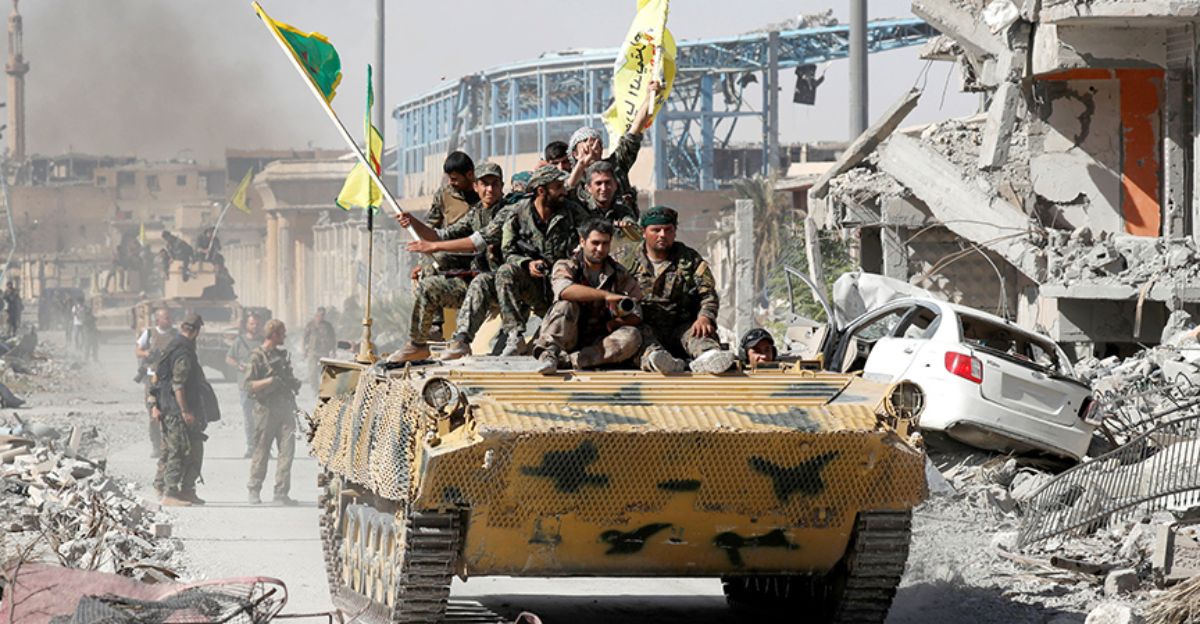
In 2017, the SDF liberated Raqqa from ISIS control after months of brutal urban combat that destroyed 80 percent of the city and killed hundreds. ISIS had declared it their capital—the heart of their caliphate.
That victory seemed total. Seven years later, the territorial gains evaporated in a single week as Damascus reasserted state authority and America watched.
Sleeper Cells Never Disappeared
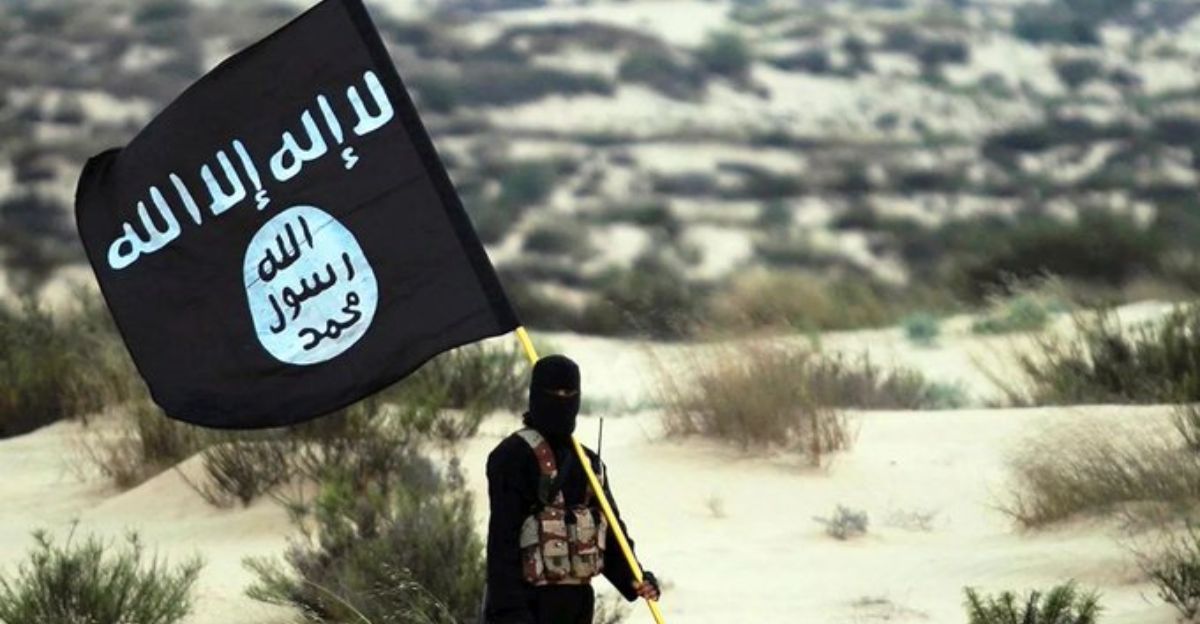
ISIS was declared territorially defeated on March 23, 2019, after its final stronghold fell. The caliphate was gone. The world exhaled. But sleeper cells remained—thousands of operatives lying dormant, waiting.
Last year alone, CENTCOM detained over 300 ISIS operatives and killed more than 20. The threat didn’t vanish. It went underground. And now detention systems are unraveling.
Trump Endorses Syria’s New Leader
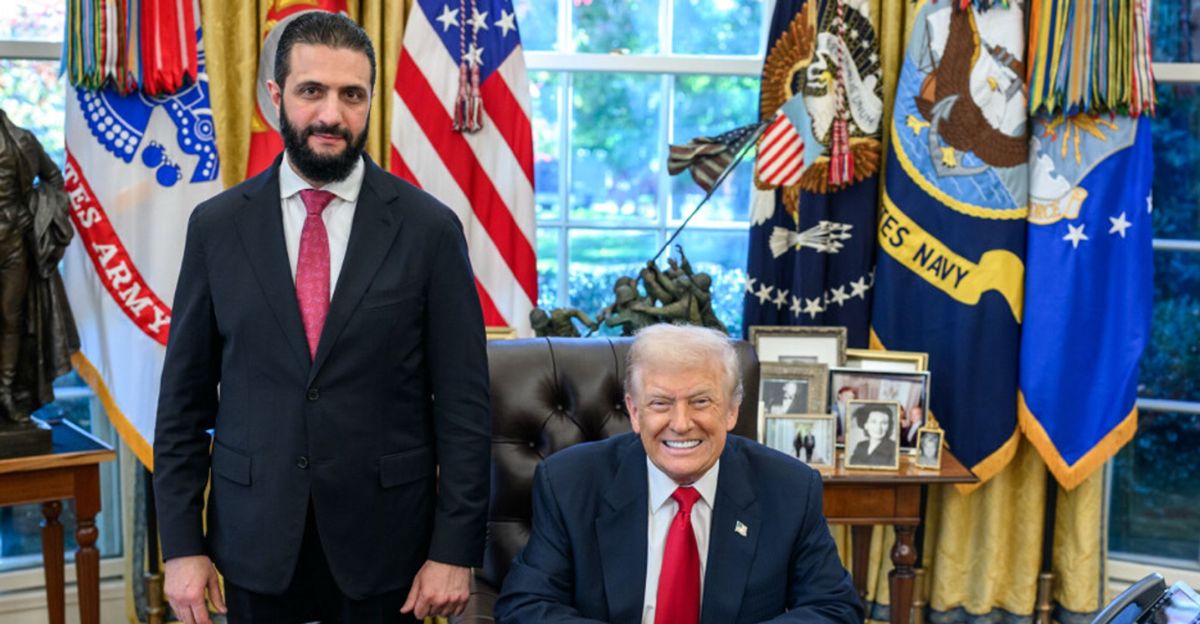
President Donald Trump spoke with Syria’s new leader and expressed confidence. According to Trump, al-Sharaa is a strong, tough guy with a rough resume—the kind of strongman you need to handle the world’s most dangerous terrorists.
Trump said al-Sharaa is watching over the worst ISIS operatives in existence. But observers question whether one leader can control what institutions failed to contain.
Gweiran Prison Still Holds 4,500 ISIS Fighters
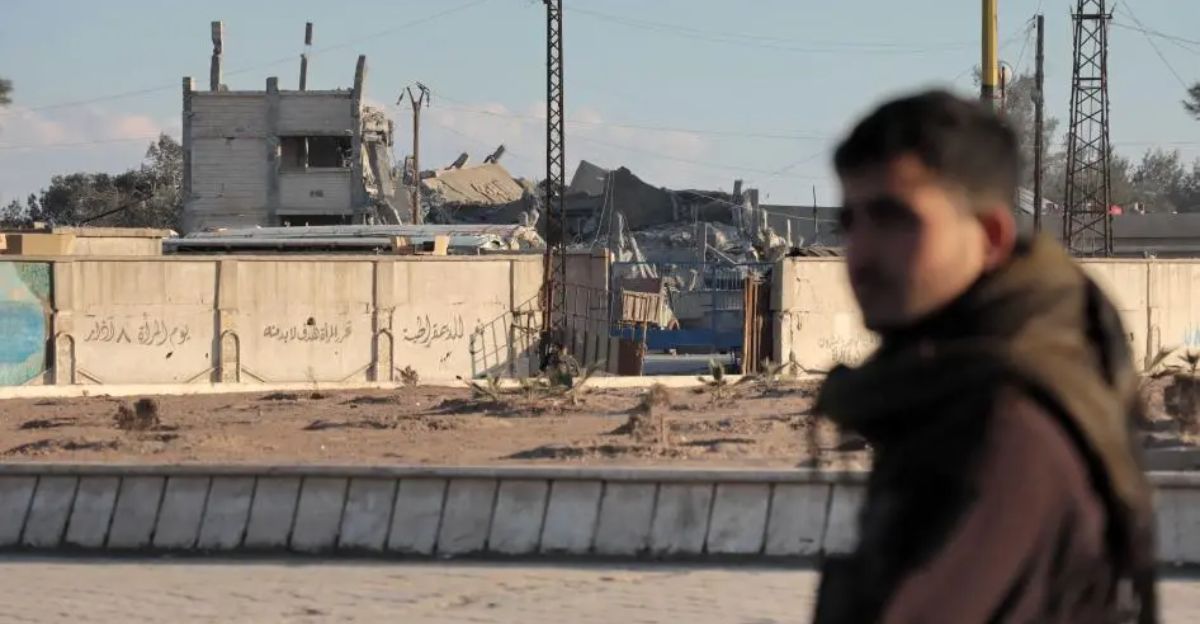
Gweiran Prison in Hasakah still holds approximately 4,500 ISIS fighters under SDF control. It’s the largest detention facility in the region and remains a potential flash point. Syrian officials say they’re ready to assume custody, but the transfer hasn’t happened.
Military analysts worry about the logistics of moving thousands while security deteriorates and armed groups circle the camps.
The SDF’s Bitter Statement
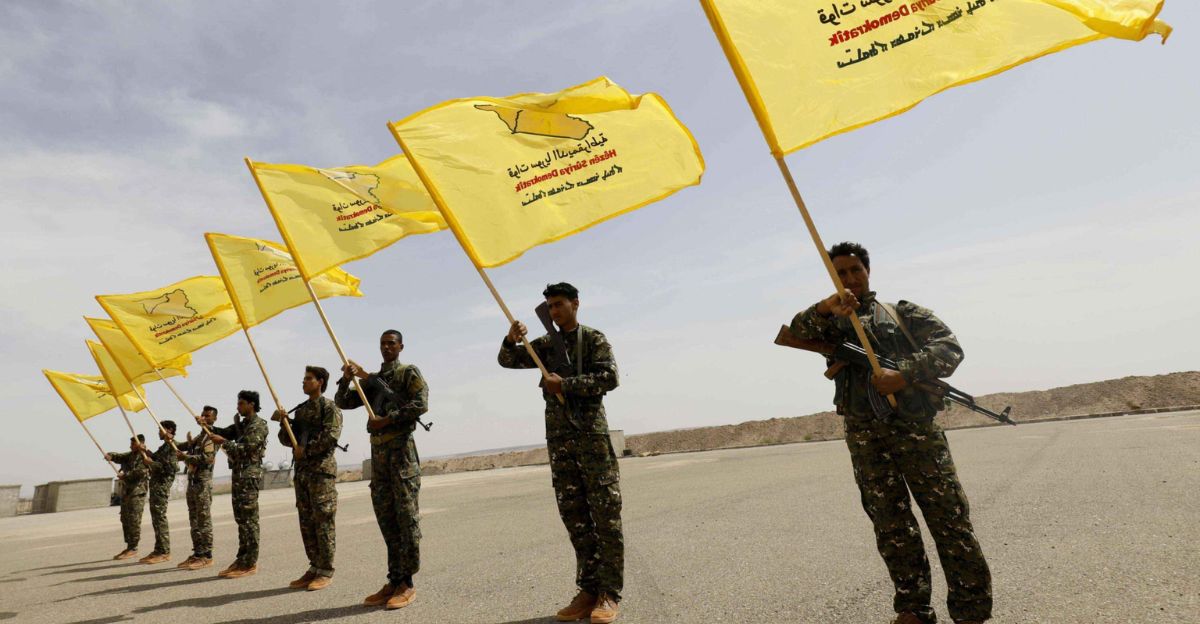
The SDF released a sharp statement accusing the international community of silence as government forces attacked. They said repeated warnings about security risks were ignored. The world had left them alone to manage 56,000 detainees while refusing to repatriate nationals or send resources.
Now, when the system breaks, everyone acts shocked. Nobody took responsibility when it mattered.
724 Death Sentences, 1,381 Life Sentences
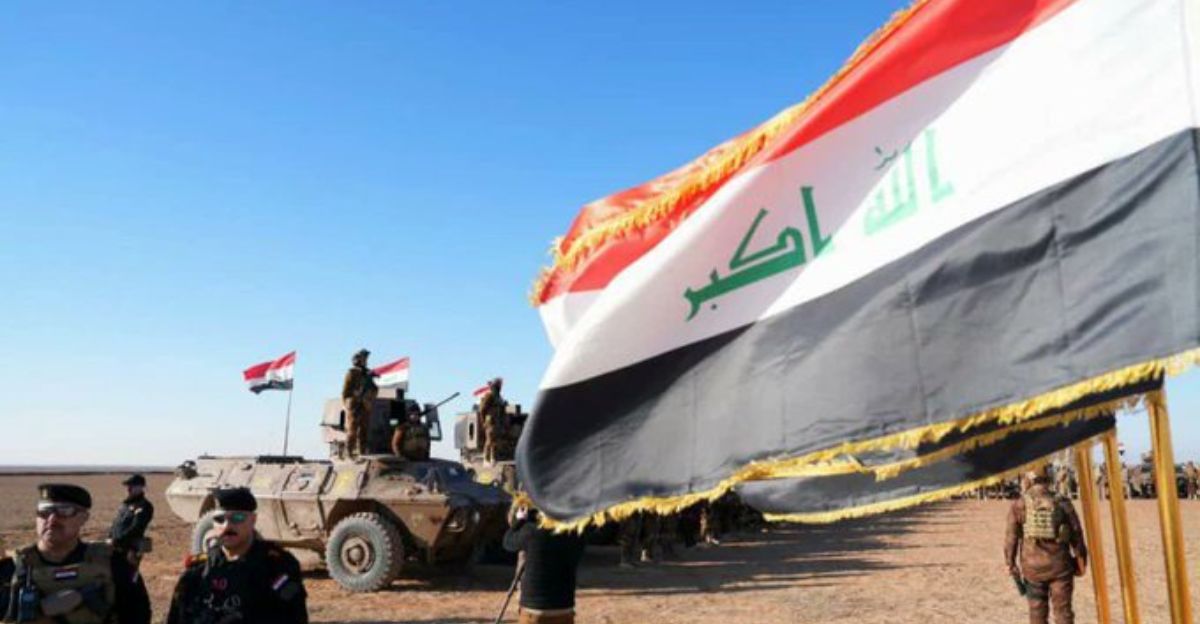
Iraq is receiving the transferred detainees and has pledged to prosecute them. Over 3,000 ISIS members already transferred to Iraqi custody have faced trials—724 received death sentences, 1,381 got life imprisonment. But prosecutors face mountains of cases, overcrowded prisons, and insufficient international support.
Iraq itself is managing complex sectarian politics while absorbing dangerous prisoners.
Children Born to ISIS Fighters Face Unknown Futures
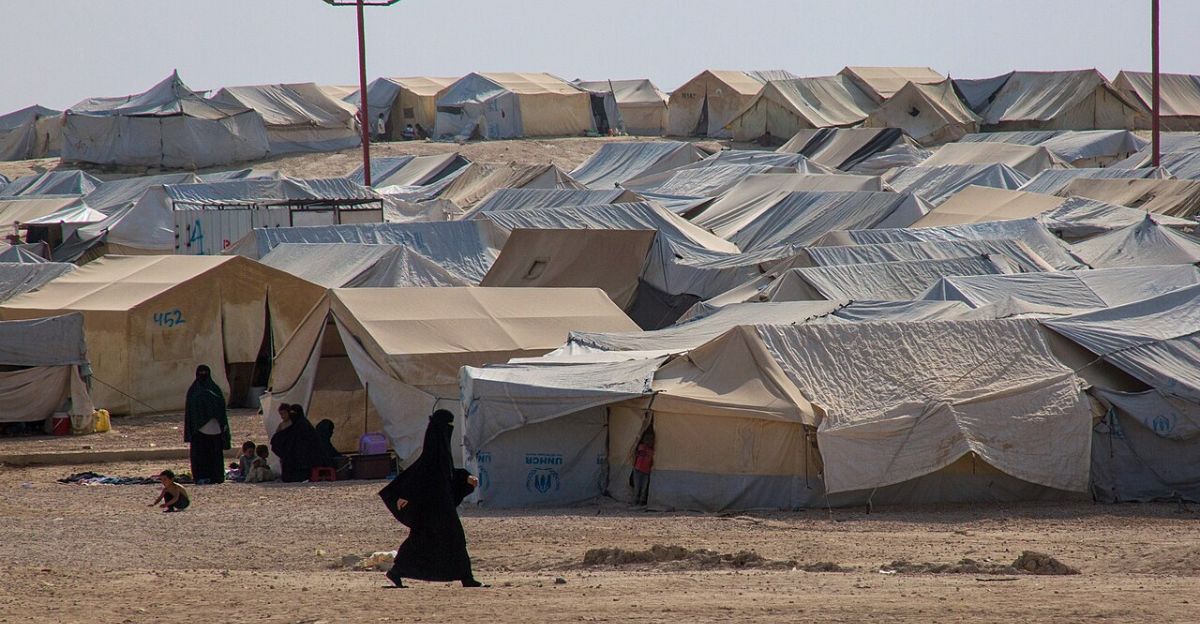
Among the 30,000 people in al-Hol camp are thousands of children born to ISIS fighters or recruited as soldiers. They’ve never known life outside conflict. Now they’re in legal limbo—not prisoners, not freed, with no country offering education or rehabilitation.
Health workers report malnutrition, disease, and psychological trauma. The humanitarian cost remains invisible in headlines about detainee transfers.
A Decade-Long Alliance
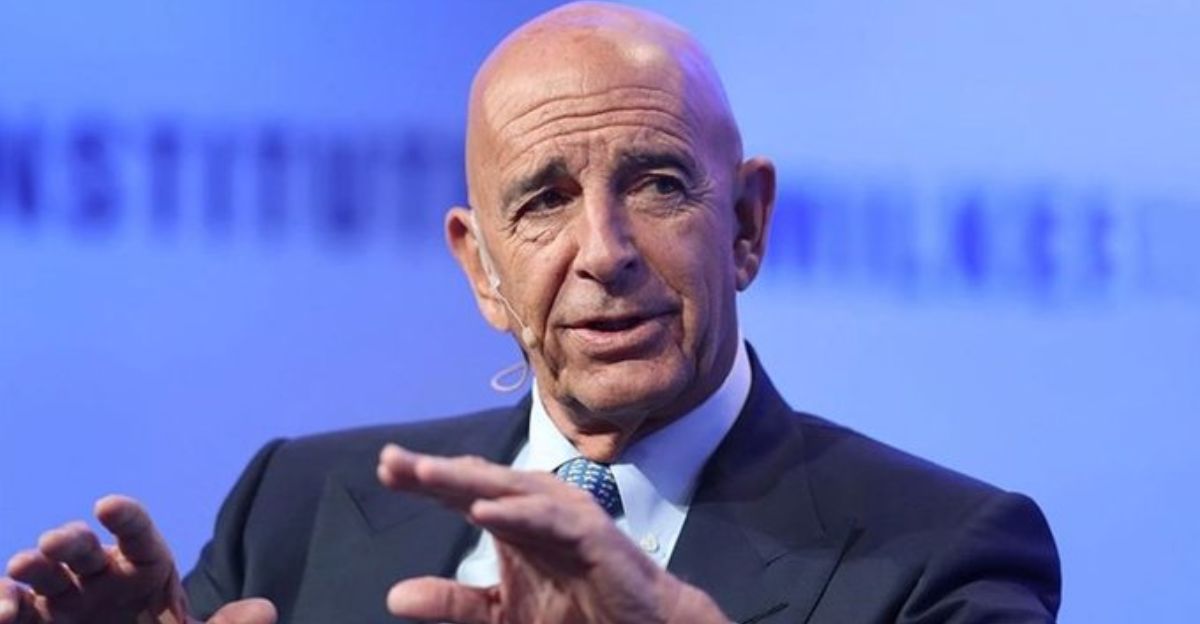
U.S. envoy Tom Barrack said the SDF’s anti-ISIS role has largely expired. America is now facilitating a transition toward Syria’s new government, assuming security responsibilities. After a decade of partnership, the shift happened in a matter of days.
Analysts describe it as pragmatic realpolitik—working with whoever holds power rather than sustaining commitments to former allies when geopolitical winds shift.
Admiral Cooper’s Warning on Mass Escapes
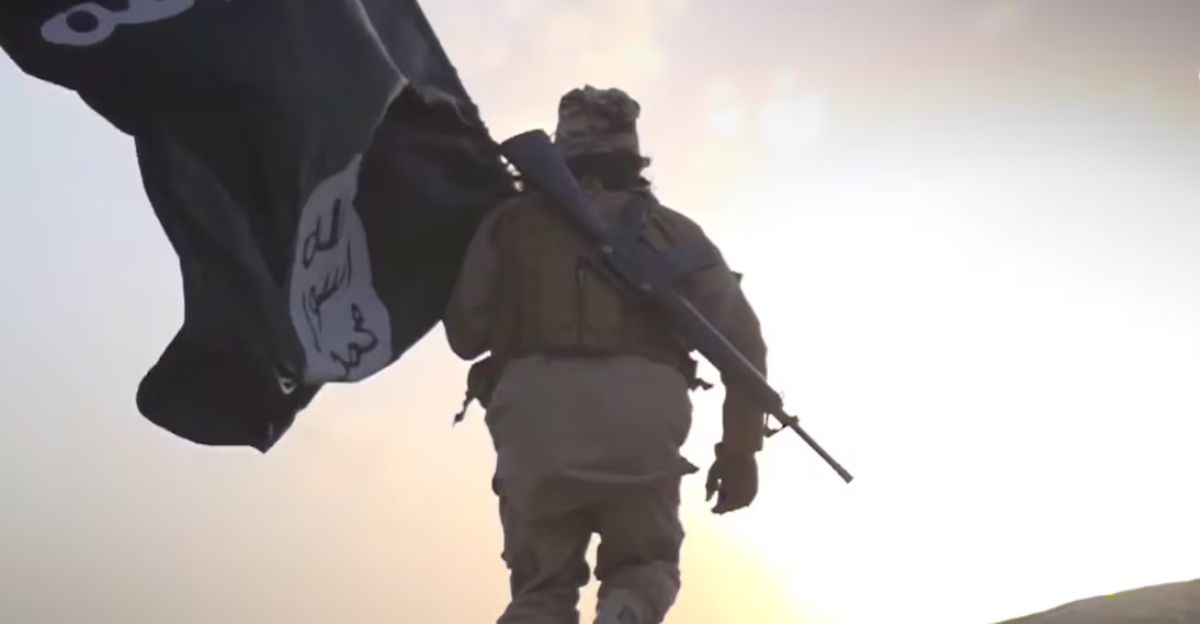
Admiral Cooper’s warning echoed through military briefings: a major breakout would pose a direct threat to the United States. Escaped ISIS operatives could regroup in Syria or Iraq, rebuild networks, and launch attacks on American interests or allies.
The prisoner transfers aren’t just about managing the past. They’re about preventing the next chapter of global terrorism. The stakes are existential.
What Will Emerge From This Chaos
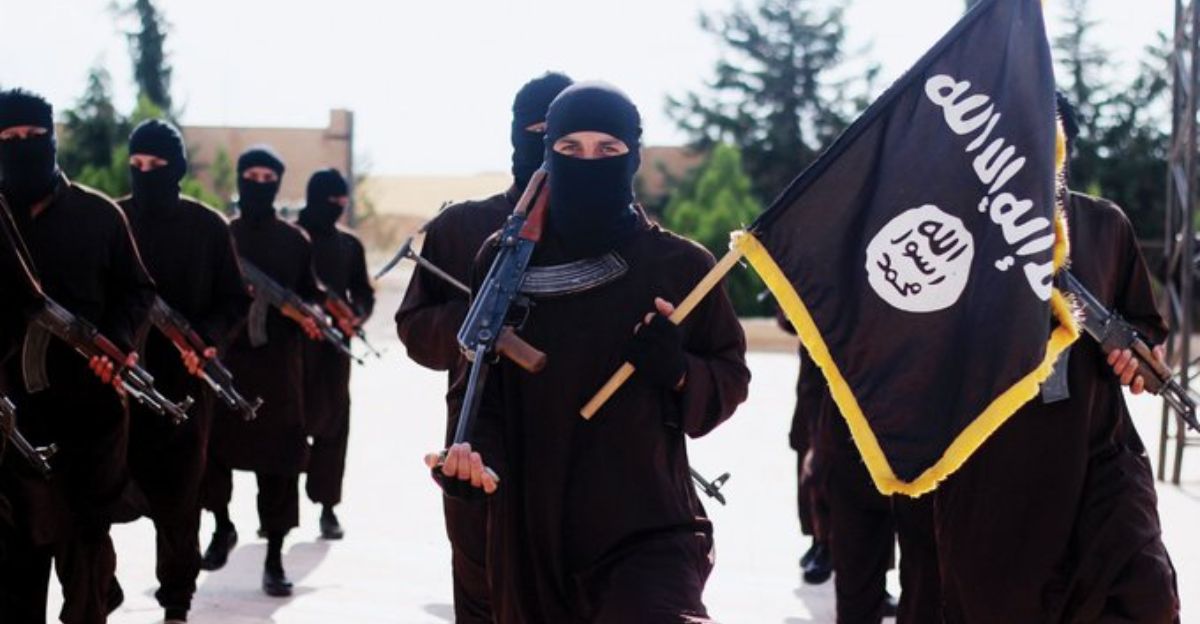
In the coming weeks, thousands of ISIS fighters will move from Syrian to Iraqi custody. Some will face trials. Others will vanish into prison systems. The outcome depends on whether Syria’s new government, Iraq’s institutions, and the international coalition can maintain order while managing expectations.
America’s role has shifted from ally to observer. What emerges from this chaos will shape the region’s future.
Sources:
U.S. Central Command Press Release, January 20-22, 2026; France24, January 22, 2026
Syrian Government Interior Ministry statement, January 19, 2026; Reuters, January 19-20, 2026
BBC News; Al Jazeera; France24; PBS NewsHour, January 20-22, 2026
CENTCOM Commander Admiral Brad Cooper statement, January 20, 2026
U.S. State Department briefing via Tom Barrack statement, January 20-21, 2026
Anadolu Agency; Syrian state media, January 19, 2026