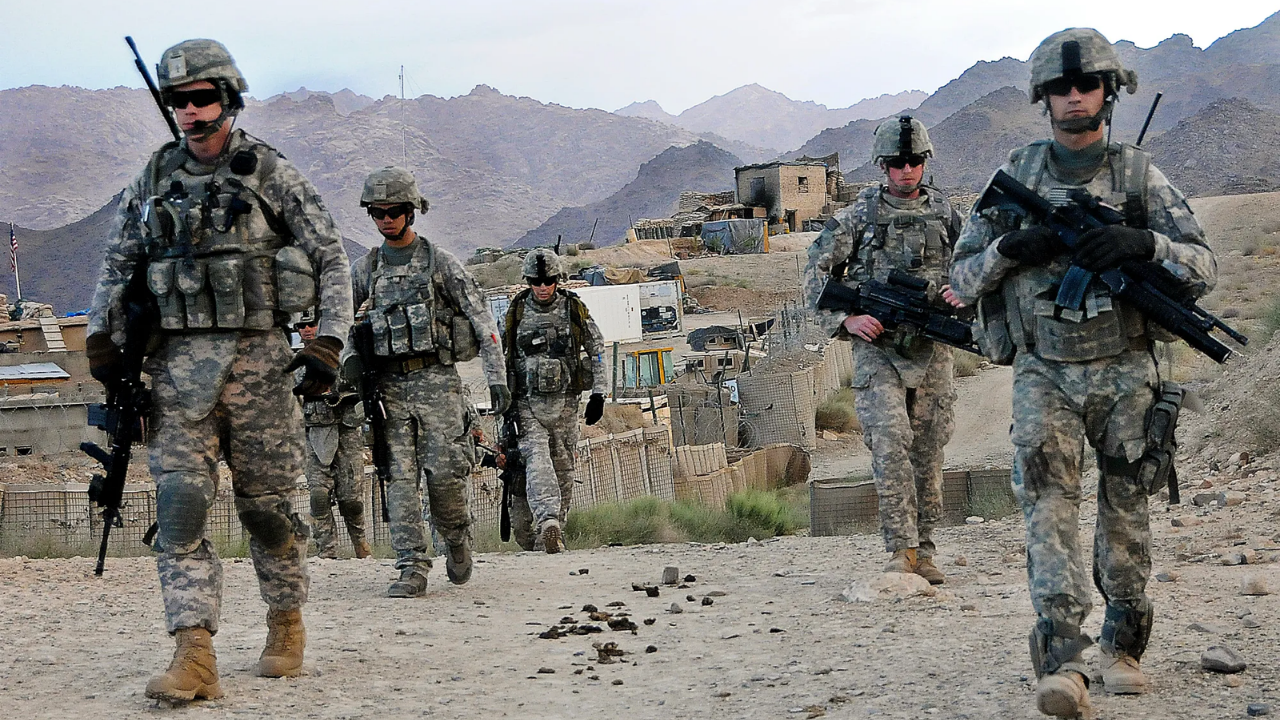
A desert patrol near Palmyra descended into bloodshed on December 13, 2025, when an ISIS-linked gunman opened fire on American and Syrian forces. In mere seconds, Sgt. Edgar Brian Torres-Tovar and Sgt. William Nathaniel Howard of the Iowa National Guard fell dead alongside interpreter Ayad Mansoor Sakat. Three more were wounded. The lone attacker was killed on site, but the damage triggered a military response that would span weeks and reshape counterterrorism operations across Syria. President Donald Trump swiftly promised consequences, setting in motion one of the most intensive strikes against extremist networks in recent years.
The Retaliatory Machine
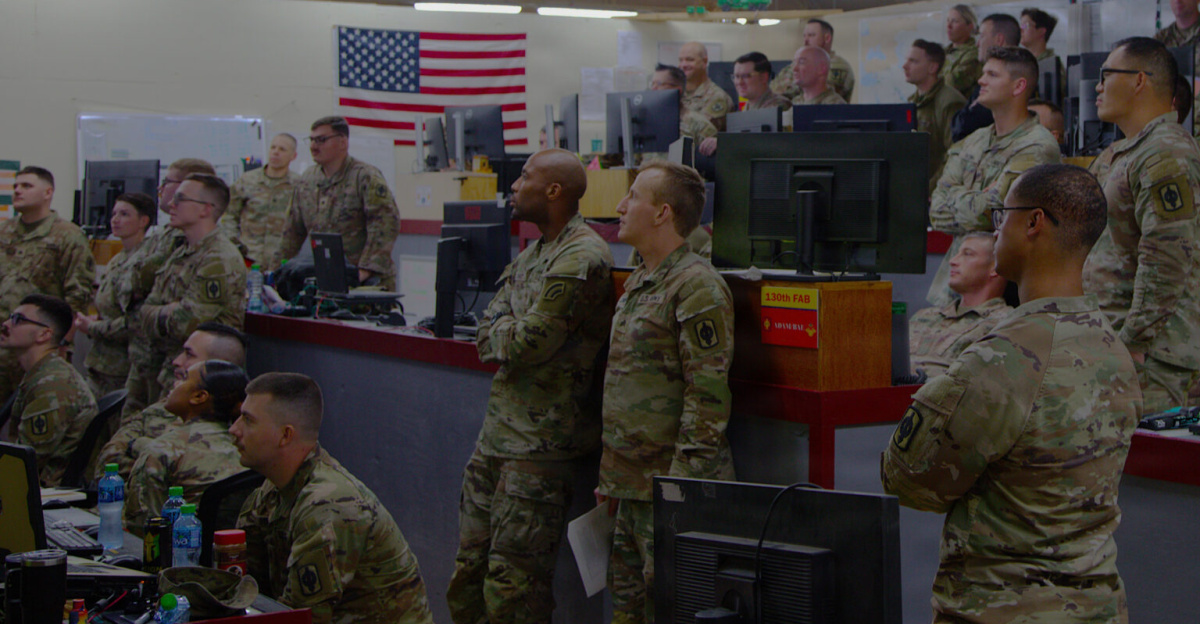
Within days of the ambush, U.S. Central Command launched Operation Hawkeye Strike. On December 19, American and Jordanian aircraft unleashed over 100 precision munitions against roughly 70 ISIS positions scattered across central Syria. A-10 Thunderbolts, F-16 fighters, Apache helicopters, and HIMARS rocket systems converged on command centers, weapons depots, training camps, and drone facilities in the desert corridors near Palmyra, Raqqa, and Deir ez-Zor. Defense Secretary Pete Hegseth framed the action bluntly, calling it a declaration of vengeance rather than the start of a new war. A second wave followed on January 10, 2026, striking 35 additional targets with 90 munitions and involving more than 20 coalition aircraft. The operation’s scope signaled zero tolerance for resurgent militant activity.
On January 16, precision targeting reached its climax. U.S. forces killed Bilal Hasan al-Jasim, an al-Qaeda-affiliated leader directly tied to the December attack. The strike revealed a troubling detail: operational collaboration between ISIS and al-Qaeda networks, groups historically viewed as rivals. Adm. Brad Cooper, CENTCOM commander, emphasized the message behind the elimination, stating that the death of a terrorist operative linked to the deaths of three Americans demonstrates resolve in pursuing terrorists who attack American forces. Over the course of the past year, U.S. and partner forces have captured more than 300 ISIS operatives and killed over 20 across Syria, dismantling infrastructure that posed direct threats to regional security.
A Transformed Landscape
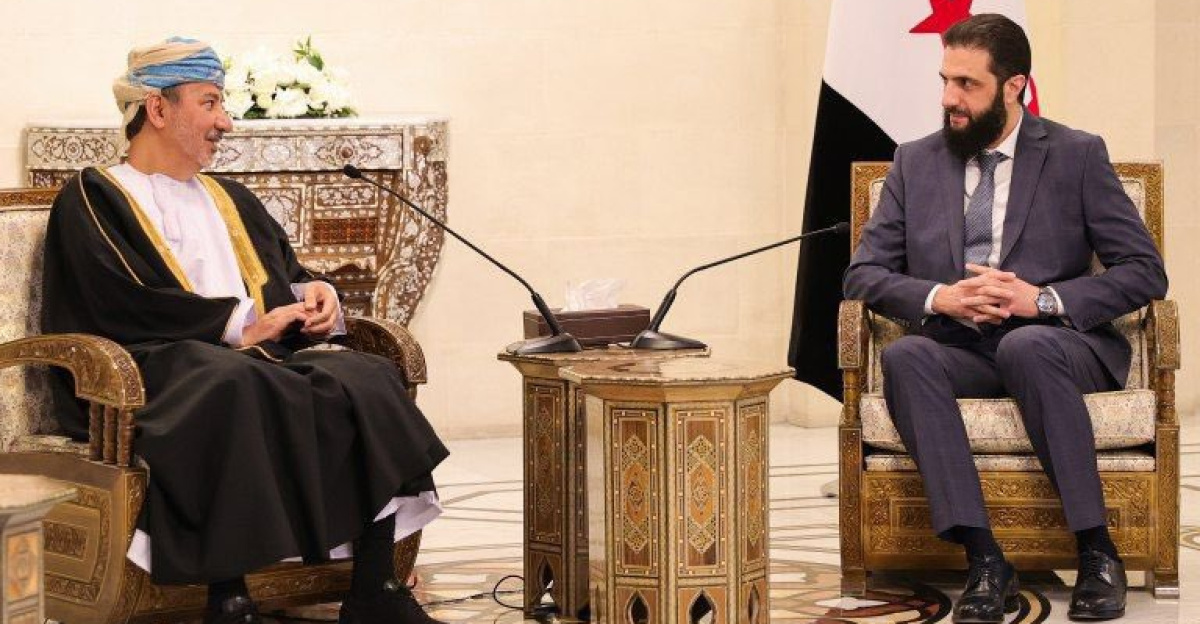
The Palmyra attack unfolded amid dramatic political change. Bashar al-Assad had been ousted in December 2024, ending over five decades of family rule. By January 2025, Ahmed al-Sharaa assumed the presidency, leading a transitional government that cooperates with U.S. forces on counterterrorism. In late 2024, the Pentagon revealed approximately 2,000 American troops were stationed in eastern Syria, double the publicly stated figure.
A drawdown to fewer than 1,000 personnel was announced in April 2025, though forces remain engaged in training Kurdish allies and targeting extremist remnants. This unprecedented alignment between Washington and Damascus reflects shared urgency in confronting ISIS cells that have exploited instability to regroup. Al-Sharaa’s government pledged that Syria would not serve as a safe haven for extremists, while Syrian forces intensified their own operations in coordination with U.S. commanders.
The Extremist Resurgence
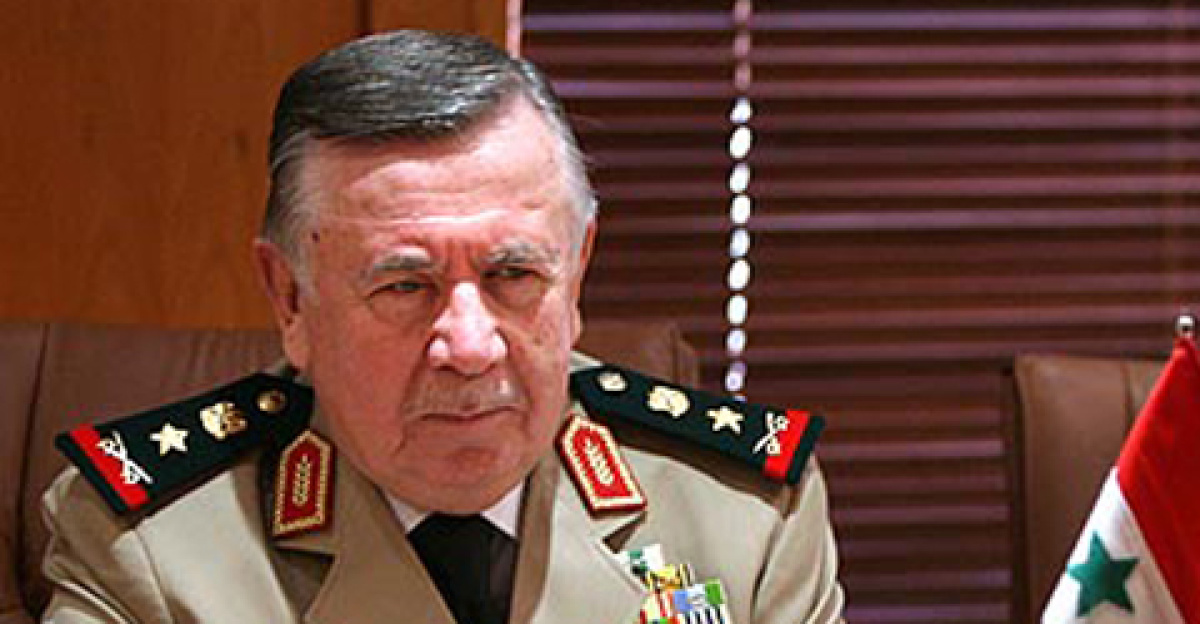
ISIS has quietly rebuilt networks in Syria’s chaotic interior. Fighters reemerged in desert zones near Palmyra, Jabal al-Amour, Ma’adan, and al-Hammad, exploiting gaps left by regime collapse. Though no longer holding territory as a caliphate, the group maintains cells capable of coordinated attacks. U.S. officials warn that ISIS remains stronger than publicly acknowledged.
The revelation of links between al-Jasim and the Palmyra gunman complicates counterterrorism strategies, forcing planners to confront hybrid alliances among extremist factions. Jordan’s participation in Hawkeye Strike underscores regional alarm over southern expansion. Syrian officials vowed deeper operations while maintaining dialogue with U.S. forces to avoid escalation in contested areas. Analyst Nanar Hawach describes al-Sharaa’s position as walking a thin line, balancing domestic hardliners with foreign partners in an environment where any misstep could reignite conflict.
Unfinished Security
The question facing policymakers is whether swift retaliation translates into lasting stability. Adm. Cooper articulated the strategic stakes, emphasizing that a Syria at peace with itself and its neighbors is essential to peace and stability across the region. His warning carries weight: There is no safe place for those who conduct, plot, or inspire attacks on American citizens and warfighters.
For the U.S. troops still deployed in Syria, this promise defines their mission. Post-Assad realities have forced Washington into limited military cooperation with Damascus, a policy shift unimaginable under the previous administration. The strikes echo the 2019 defeat of the ISIS caliphate, signaling determined opposition to resurgence. Yet skeptics caution against premature victory declarations, noting that the sheer volume of targets suggests the threat was underestimated. As coalition efforts expand and ISIS-al-Qaeda collaboration surfaces, sustained pressure and regional coordination remain essential to prevent the next ambush.
Sources:
U.S. Central Command | U.S. Forces Kill Al-Qaeda Affiliate Leader Linked to ISIS Ambush | January 16, 2026
U.S. Central Command | CENTCOM launches Operation Hawkeye Strike against ISIS in Syria | December 18, 2025
U.S. Army | Army Identifies Two Casualties | December 14, 2025
Iowa Governor’s Office | Two Iowa Guard soldiers killed in attack in Syria, three others wounded | December 13, 2025
BBC News | Syria to join coalition to defeat IS group after Trump meeting | November 10, 2025
Pentagon/Defense One | US force in Syria is larger than previously known, Pentagon says | December 19, 2024