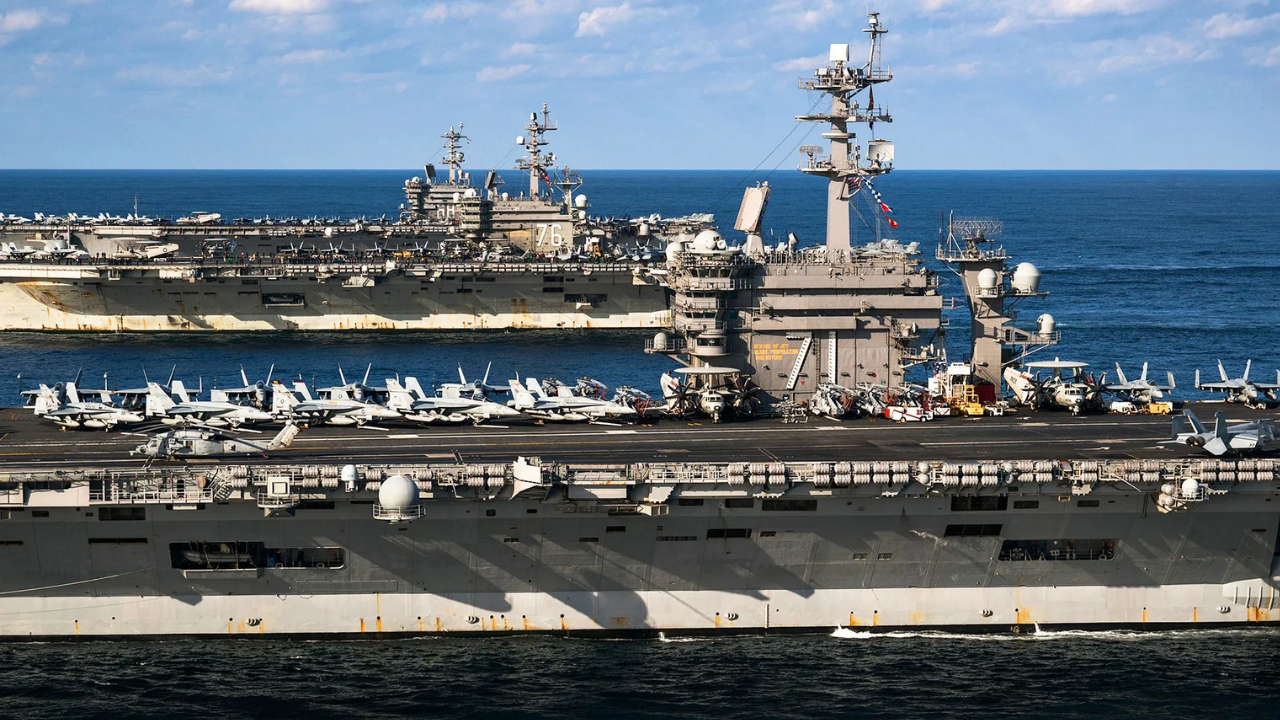
Large-scale U.S. air deployments near Iran are significant because they signal readiness, not inevitability. A carrier air wing typically includes dozens of strike and support aircraft, and when combined with U.S. Air Force assets at regional bases, total operational aircraft can reach into the low hundreds depending on the specific mix and duration of deployments.
Historically, such concentrations appear during periods of deterrence, crisis management, or preparation for potential escalation. The visibility of these deployments shapes perceptions even in the absence of declared hostilities.
How U.S. Airpower Is Structured in the Region
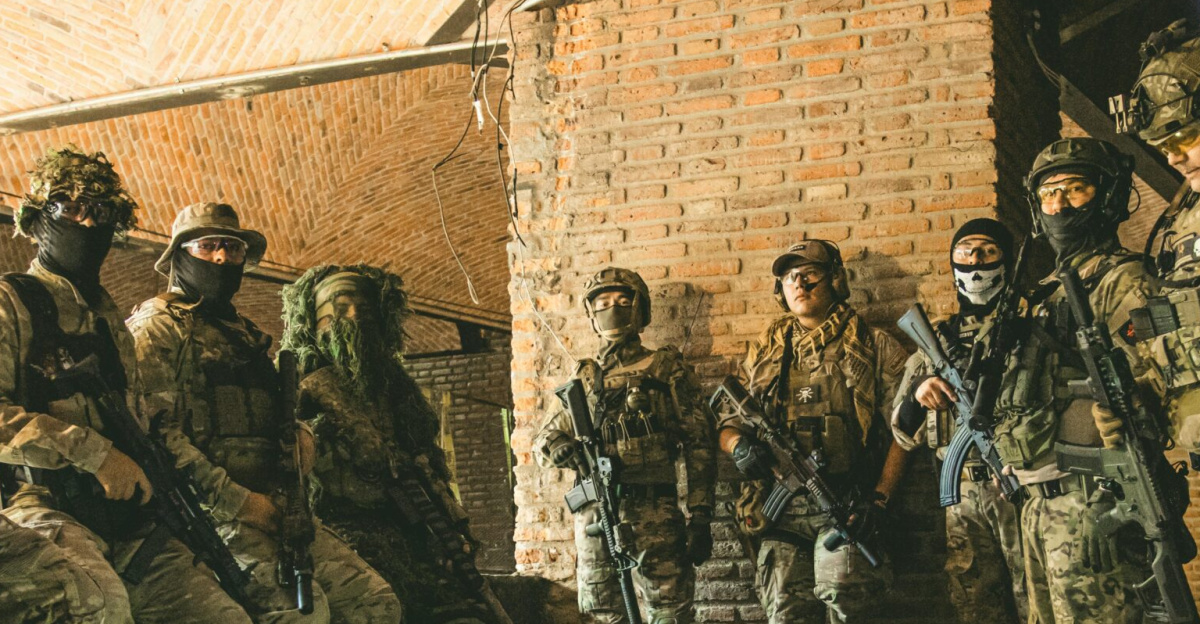
U.S. military posture in the Middle East relies on layered force projection rather than permanent massing. Carrier strike groups, land-based fighters, strategic bombers, and refueling aircraft operate as an integrated system.
This structure allows the U.S. to increase combat capacity rapidly without formally entering a conflict, so force levels can reach campaign-scale capability while remaining officially defensive or precautionary in stated purpose.
The Role of Carrier Strike Groups
A carrier strike group functions as a mobile airbase at sea, with an air wing that typically includes strike fighters, electronic warfare aircraft, airborne early-warning platforms, and helicopters, supported by escort ships armed with cruise or other guided missiles.
When positioned in or near waters adjoining the Middle East, a carrier expands U.S. reach across multiple domains—air, sea, and information—without reliance on host-nation basing, increasing operational flexibility.
Why Multiple Carriers Change Strategic Calculus
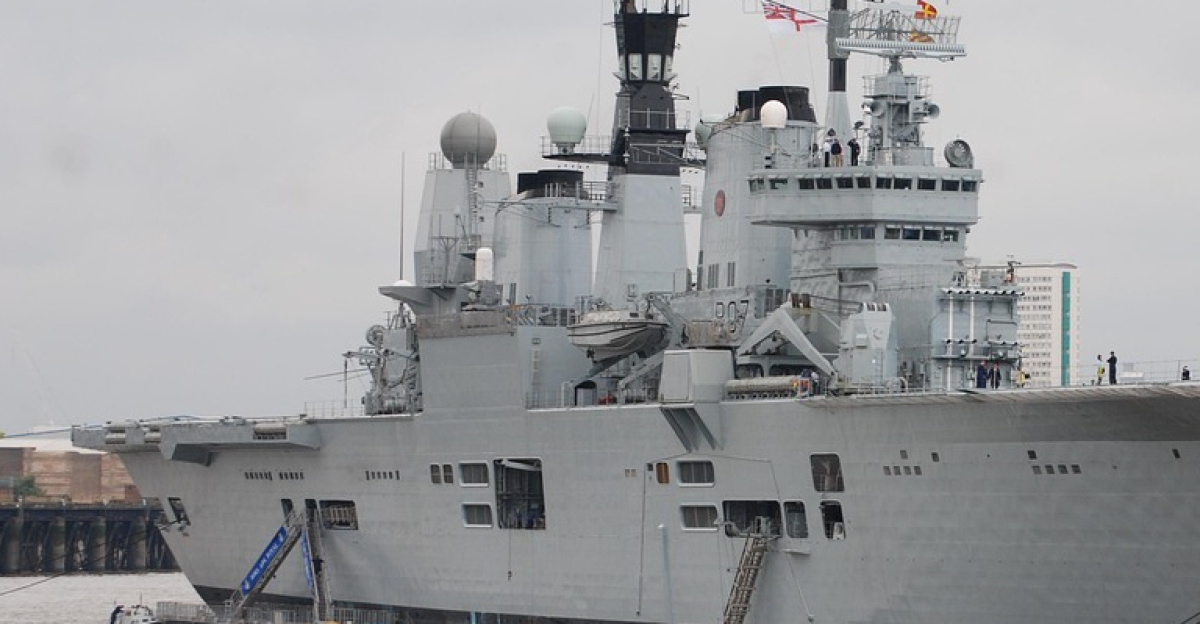
The presence of more than one carrier strike group in or near a region substantially increases sustained operational capacity and geographic coverage. It allows near-continuous flight operations, greater redundancy, and more options for commanders.
Dual-carrier or larger carrier postures are relatively uncommon outside major crises because of the logistical demands involved, so when they occur they tend to signal elevated concern about regional stability rather than routine military activity.
Land-Based Fighters and Forward Presence
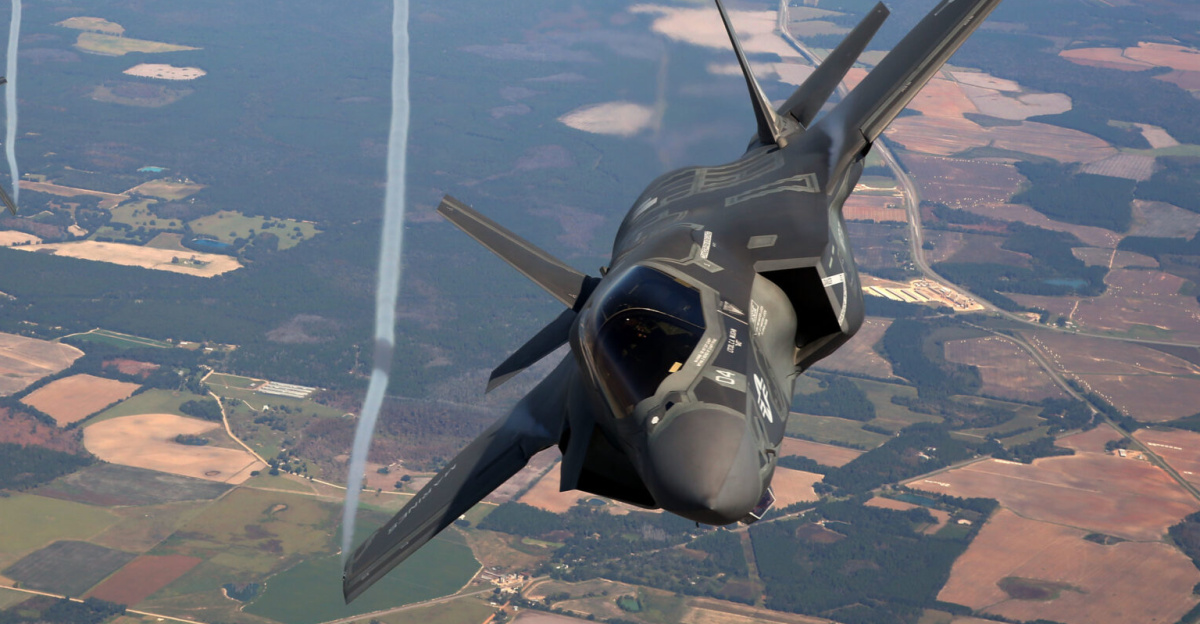
In addition to naval aviation, U.S. Air Force fighters operate from established bases across the Middle East, including locations such as Qatar and Jordan. These aircraft extend reach, increase sortie generation, and reduce reliance on any single platform.
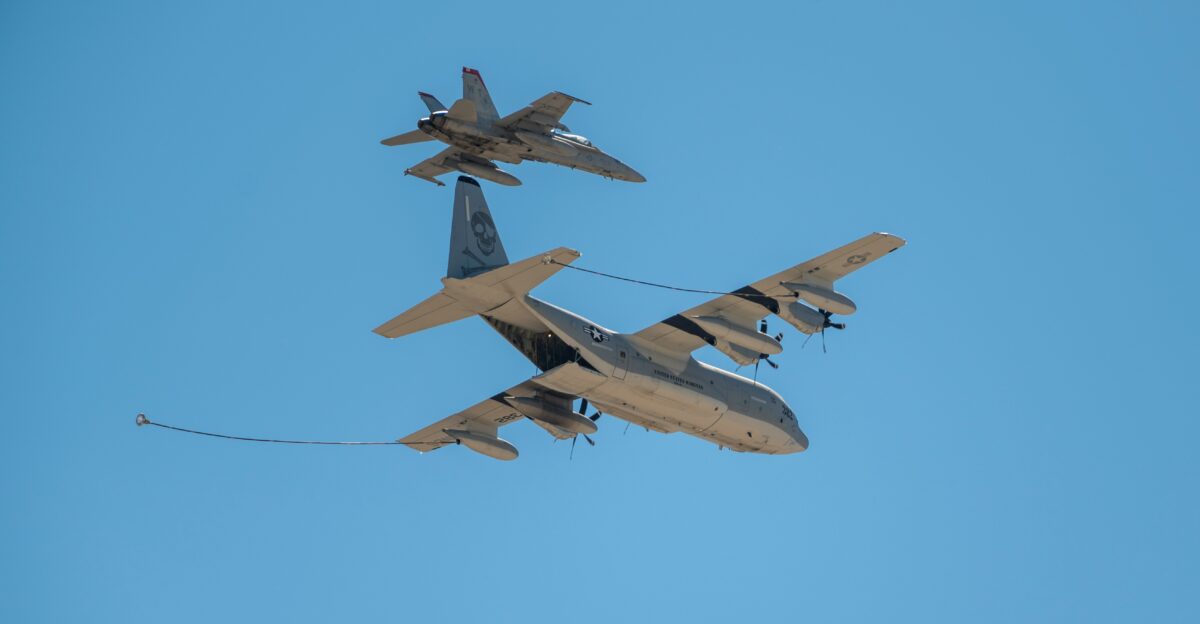
Supported by aerial refueling, land-based fighters can operate across large distances, complementing carrier forces and creating a layered posture capable of both deterrence and sustained combat operations if required.
Strategic Bombers and Long-Range Capability
U.S. strategic bombers provide long-range strike capability that is not dependent on large permanent basing in the immediate region.
They can operate from secure locations, including outside the Middle East, and still reach targets across the region with limited warning. Their value lies as much in deterrence as in combat potential, because the ability to strike hardened or well-defended targets shapes adversary planning even when bombers are not actively employed.
Aircraft Numbers and Perception Thresholds
When available combat aircraft in a theater reach into the 150–200 range—including carrier-based fighters, land-based fighters, and select bombers—perceptions among regional actors often shift toward the possibility of sustained operations rather than only limited retaliation.
Numbers alone do not determine intent, but they influence adversary assumptions, forcing military planners to consider worst-case scenarios and shortening decision timelines, which can increase pressure to respond defensively or diplomatically.
Historical Context of U.S. Military Surges
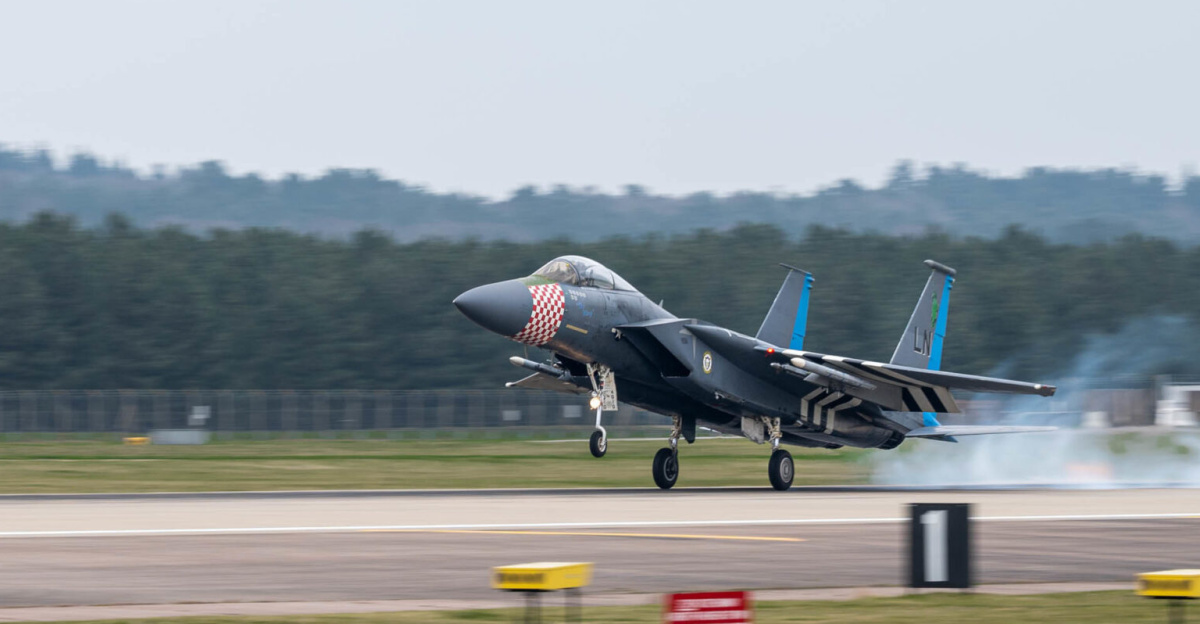
Past U.S. operations in the Middle East and nearby regions show that airpower surges often precede either intense diplomacy or conflict, as seen in build‑ups before major campaigns or coercive bargaining episodes. In several historical cases, incremental deployments were followed by either diplomatic breakthroughs or rapid escalation.
While each situation is unique, these structural similarities make current movements difficult to dismiss and suggest that such postures are intended to preserve options rather than signal a predetermined outcome.
Deterrence as a Dual-Use Strategy
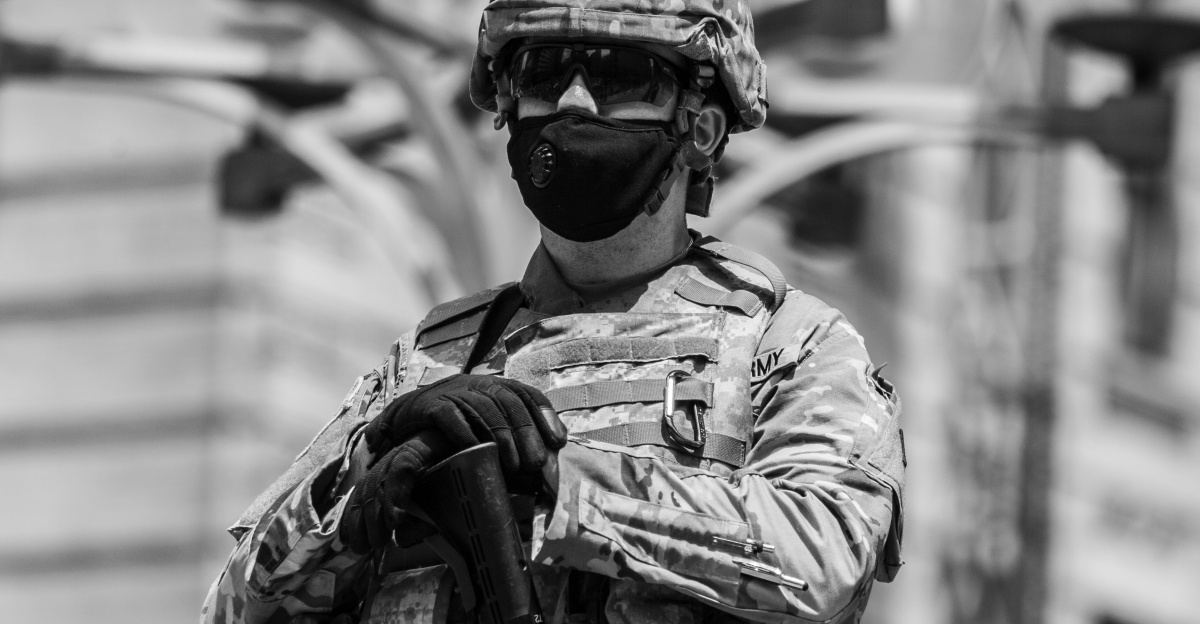
Deterrence requires visible capability positioned so that potential adversaries believe it could be used within relevant timelines.
This creates ambiguity: the same posture can deter conflict or enable it, and strategically that ambiguity is often intentional. From a public perspective, it can appear indistinguishable from preparation for war, fueling concern even in the absence of explicit intent to initiate hostilities.
Iran’s Military Constraints
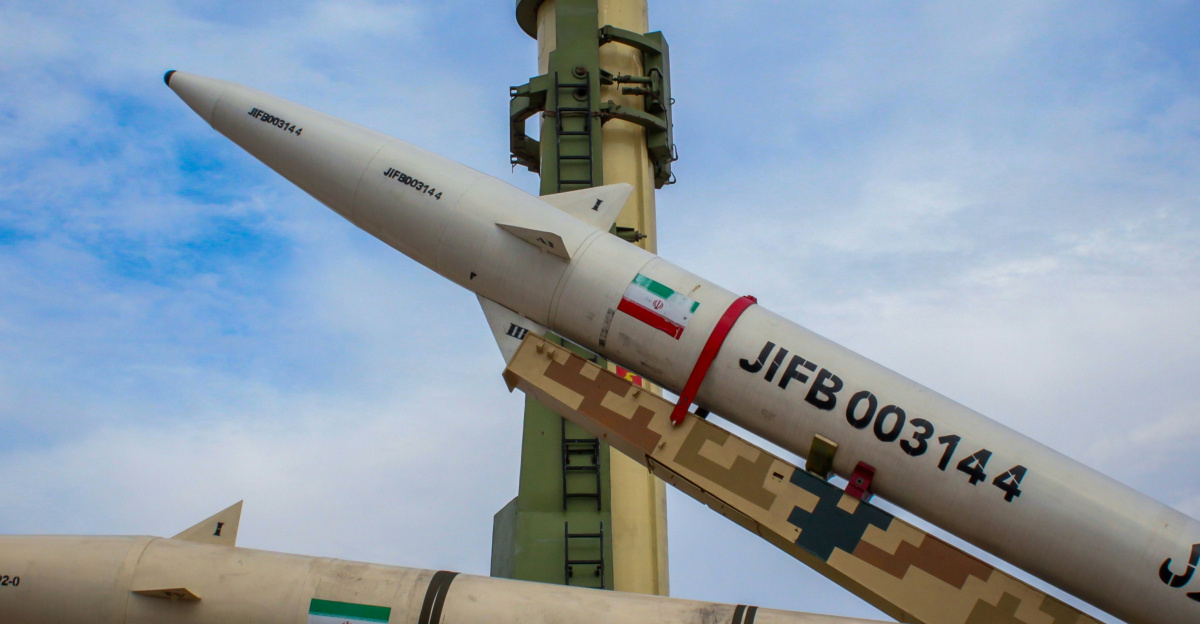
Iran’s military doctrine emphasizes missiles, drones, and regional proxy networks more than modern air superiority, and its air force remains constrained by aging platforms and limited access to advanced Western technology. Its air defenses have improved and include layered systems, but coverage and integration challenges persist across a large geographic area.
Concentrated U.S. airpower complicates Iran’s ability to defend critical infrastructure simultaneously, reinforcing Tehran’s preference for deterrence through missiles and partners rather than direct large‑scale conventional air combat.
Missile Threats and Defensive Requirements
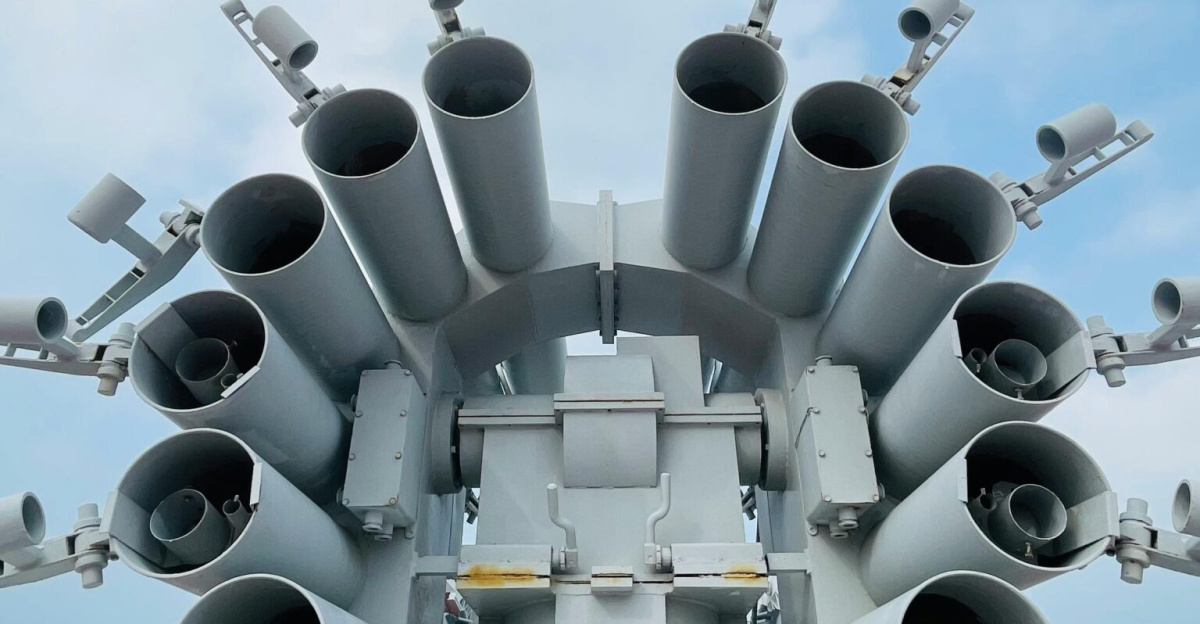
Iran’s ballistic and cruise missile arsenals, together with its drone forces, pose risks to regional bases, infrastructure, and maritime traffic, and are central to its deterrent posture.
Defending against such threats requires dispersal and integration of air and missile defense systems and naval assets across a wide area. This defensive burden incentivizes offensive concentration by outside powers, since shortening a conflict and degrading launch capacity quickly may be seen as preferable to absorbing prolonged missile pressure.
Maritime Security and Economic Stakes
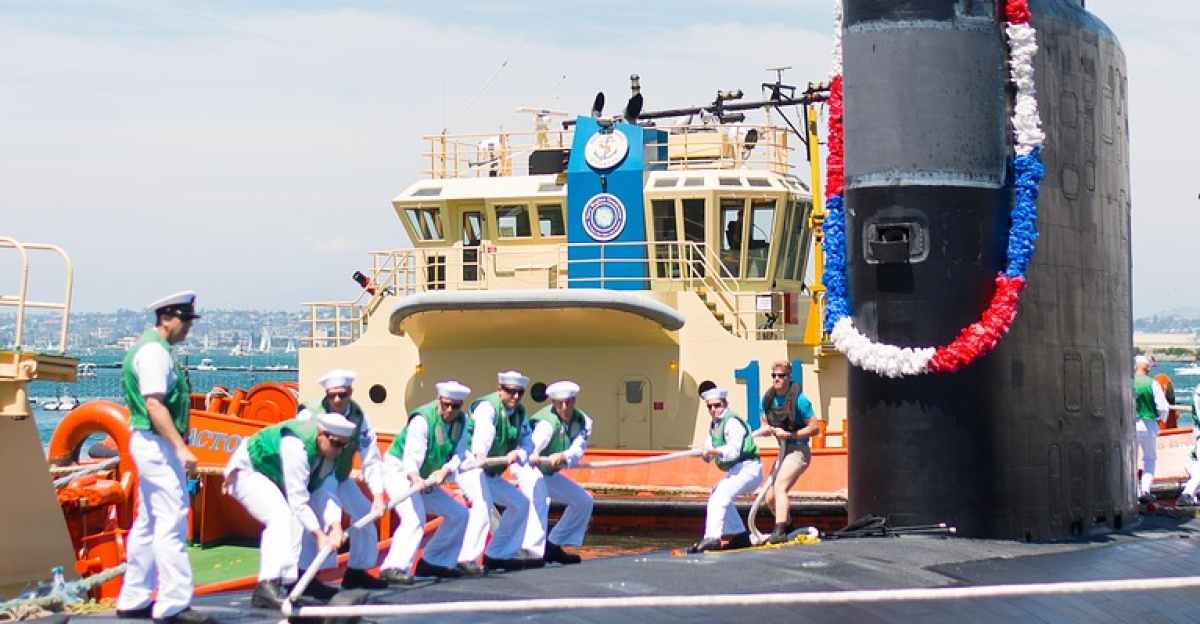
Military air and naval deployments are closely tied to maritime security in chokepoints such as the Strait of Hormuz, which is vital to global energy markets and trade. U.S. aircraft and naval forces are tasked with deterring attacks on shipping and responding to incidents, but dense military presence also raises the risk that encounters or miscalculations could escalate rapidly.
Even limited disruptions to shipping in these waters can have outsized economic and energy-market consequences.
Alliance Dynamics and Regional Pressure

Visible U.S. force buildups place additional pressure on regional partners that host bases, allow overflight, or depend on U.S. security guarantees.
Decisions on basing access, overflight permissions, and intelligence sharing become strategically significant in a crisis. Over time, such pressure can harden alliances and reduce diplomatic flexibility, making de-escalation politically more complex for regional governments and for Washington and Tehran alike.
Information Signaling and Public Awareness
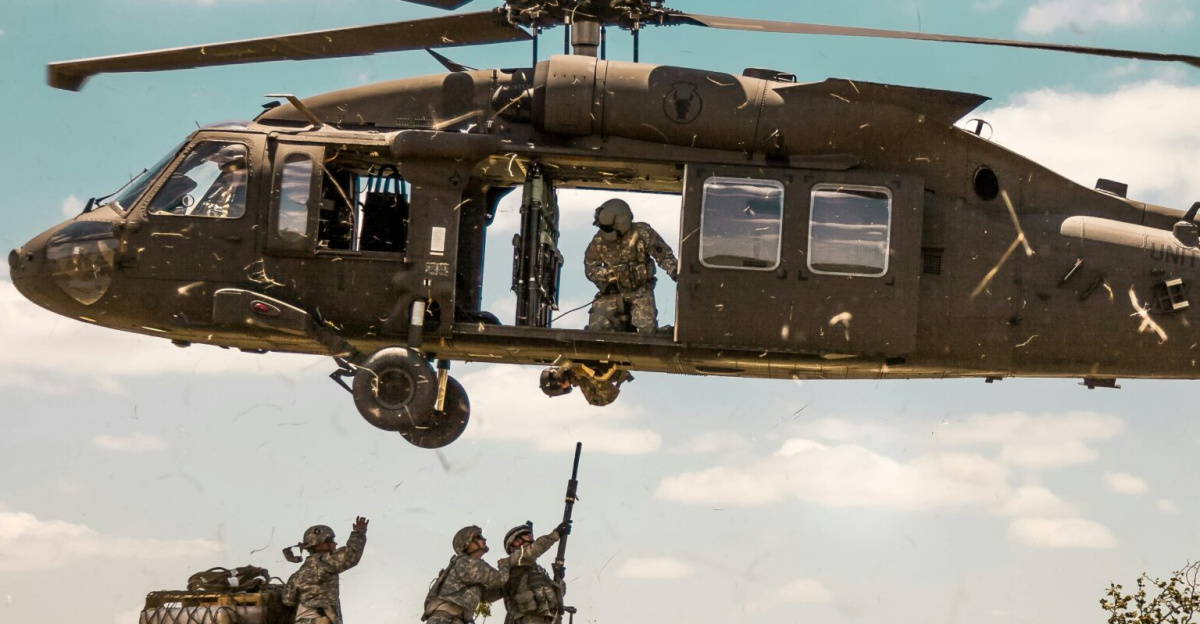
Military movements are inherently communicative: carrier transits, aircraft deployments, and public or leaked statements are monitored by adversaries, allies, markets, and domestic audiences. These signals shape expectations and behavior on all sides.
For the public, repeated exposure to reports of mobilization can transform abstract geopolitical tension into perceived immediacy, regardless of whether decision-makers intend to cross the threshold into open conflict.
Why Concern Persists
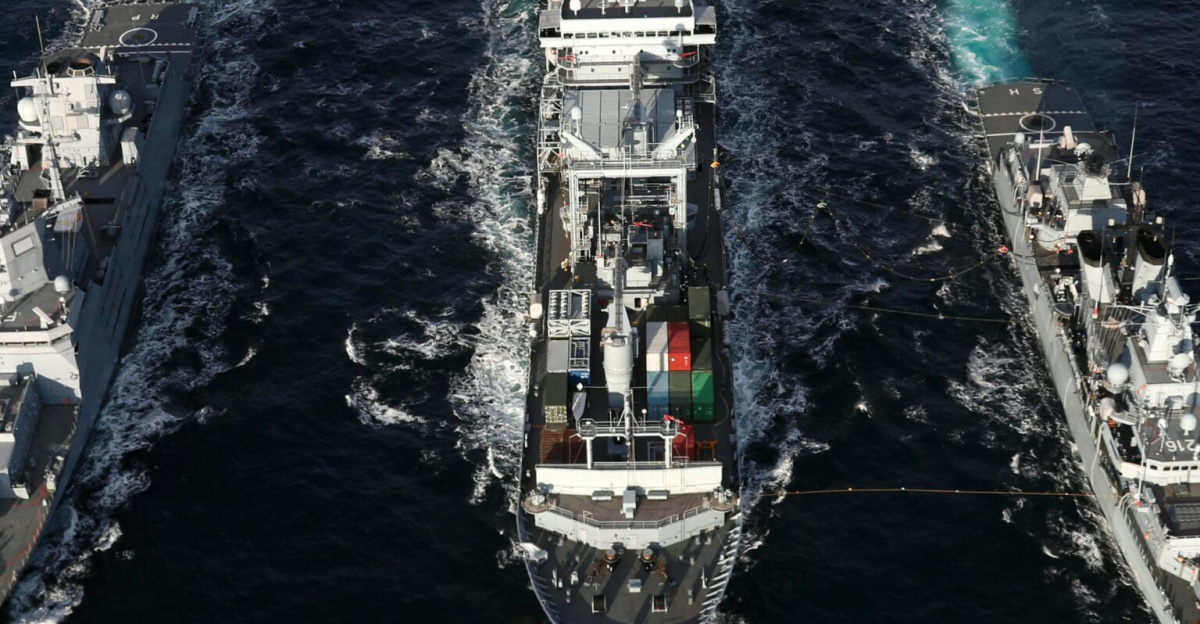
The concentration of U.S. air and naval power near Iran constitutes a credible crisis posture and a means of deterrence, not definitive proof of impending war. Historical precedent shows that such postures reduce margins for error and increase the consequences of miscalculation.
While conflict is not inevitable, the combination of capability, visibility, and compressed decision timelines helps explain why concern persists, and public apprehension reflects recognition of established military patterns more than unfounded alarm.
Sources:
- “USNI News Fleet and Marine Tracker: Jan. 12, 2026” – USNI News (U.S. Naval Institute)
- “Signs Emerge Of U.S. Navy, Air Force Push To Middle East” – The War Zone (TheDrive.com)
- “U.S. Forces in the Middle East: Mapping the Military Presence” – Council on Foreign Relations (CFR)
- “Potential US military strikes on Iran: This won’t be another 12-Day War” – Middle East Institute (MEI)
- “What Are Iran’s Nuclear and Missile Capabilities?” – Council on Foreign Relations (CFR)
- “Iran Military Power Ranking” – MilitaryPowerRankings.com