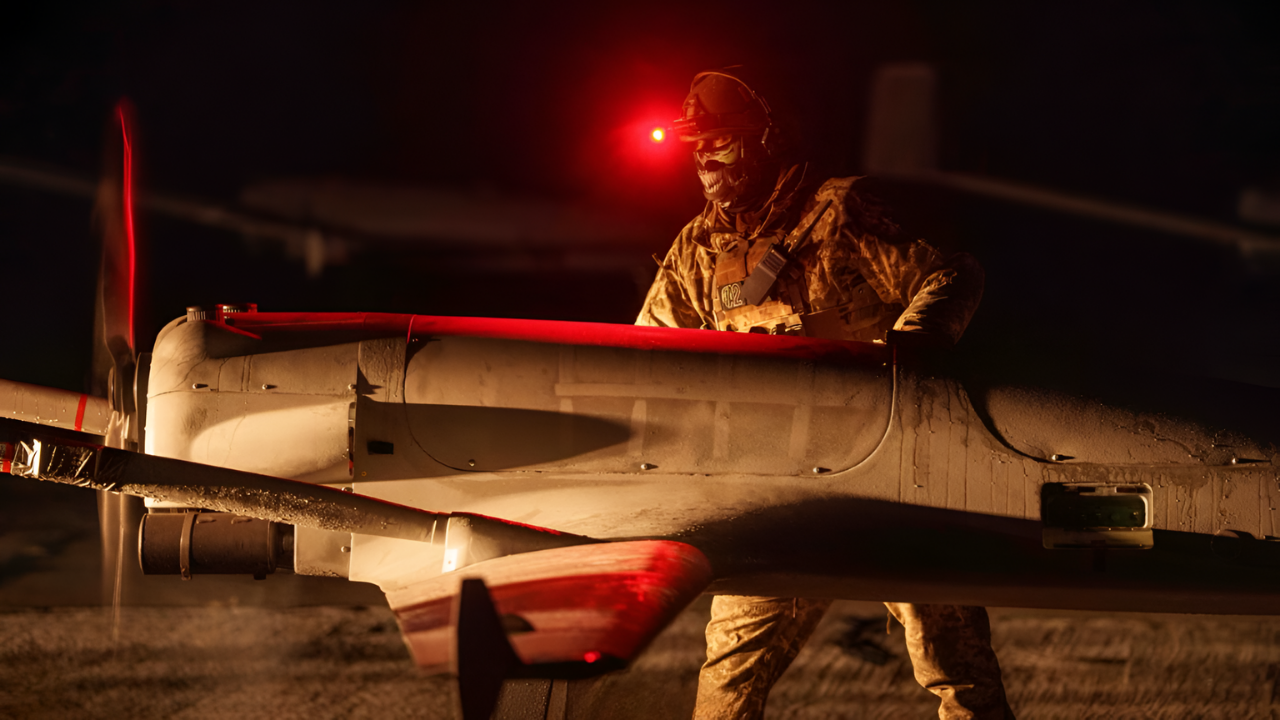
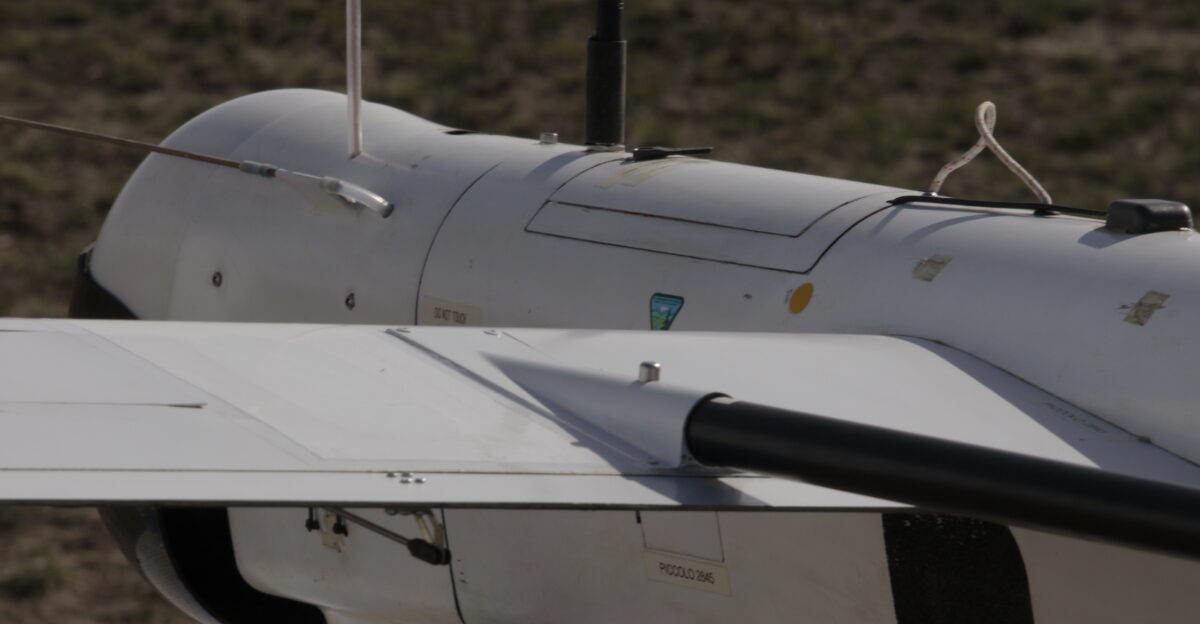
Ukrainian air defenses notched a historic first on January 13-14, 2026, destroying a Russian Geran-4 jet drone armed with an R-60 air-to-air missile. This event, confirmed by the 413th Raid Regiment of Unmanned Systems Forces, exposed Russia’s push to convert cheap drones into missile-firing interceptors aimed at Ukrainian helicopters and low-flying aircraft, reshaping battlefield dynamics in real time.
Geran-4’s Edge in Speed and Reach
The Geran-4 outpaces predecessors like the propeller-driven Shahed at up to 500 km/h, nearly three times faster, with an 850-kilometer range. Weighing 450 kilograms at takeoff, it carries a 50-kilogram warhead for strikes even after launching its missile. This jet-powered design allows rapid approaches on targets cruising at 250-300 km/h, slashing reaction windows from minutes to seconds for helicopter crews previously dominant against slower drones.
Reviving a Cold War Weapon
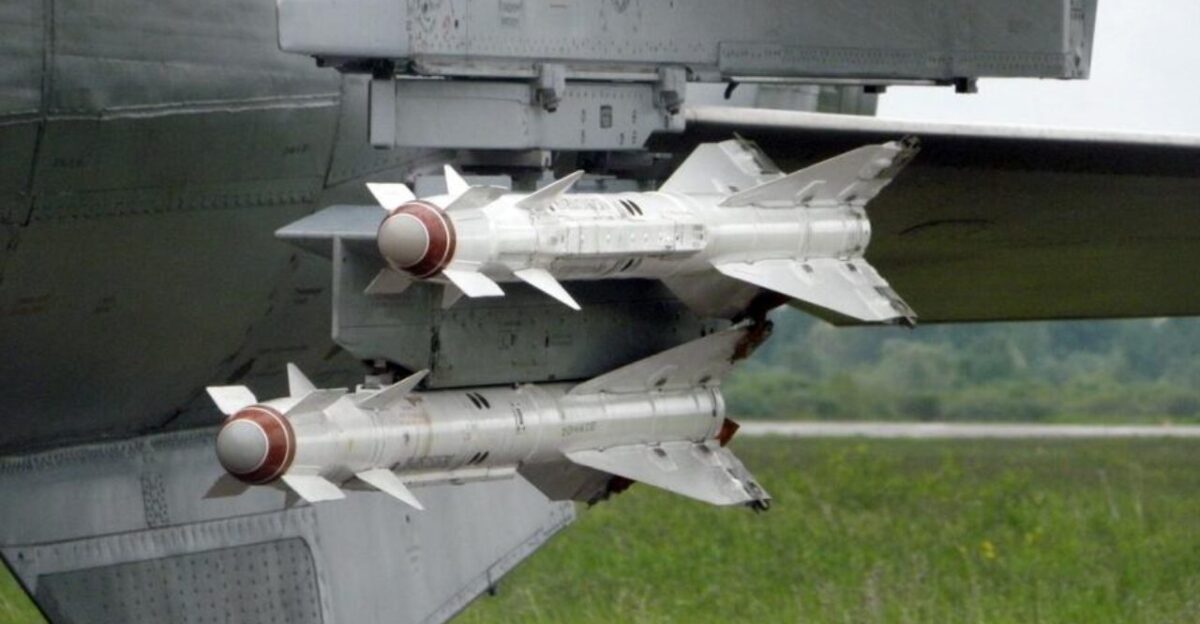
Russia pairs the Geran-4 with the 1970s-era R-60 missile, originally for MiG-21 and Su-25 fighters. At 44 kilograms with a 3-kilogram tungsten warhead, the missile hits Mach 2.7 speeds and engages from 4 kilometers using infrared homing on engine heat. Operators use onboard cameras and Chinese-made mesh modems from Xingkai Tech to spot targets, lock the seeker, and fire, leaving the drone able to continue its bombing run and forcing defenders to treat every sighting as a dual threat.
Ukraine’s Swift Counter with STING
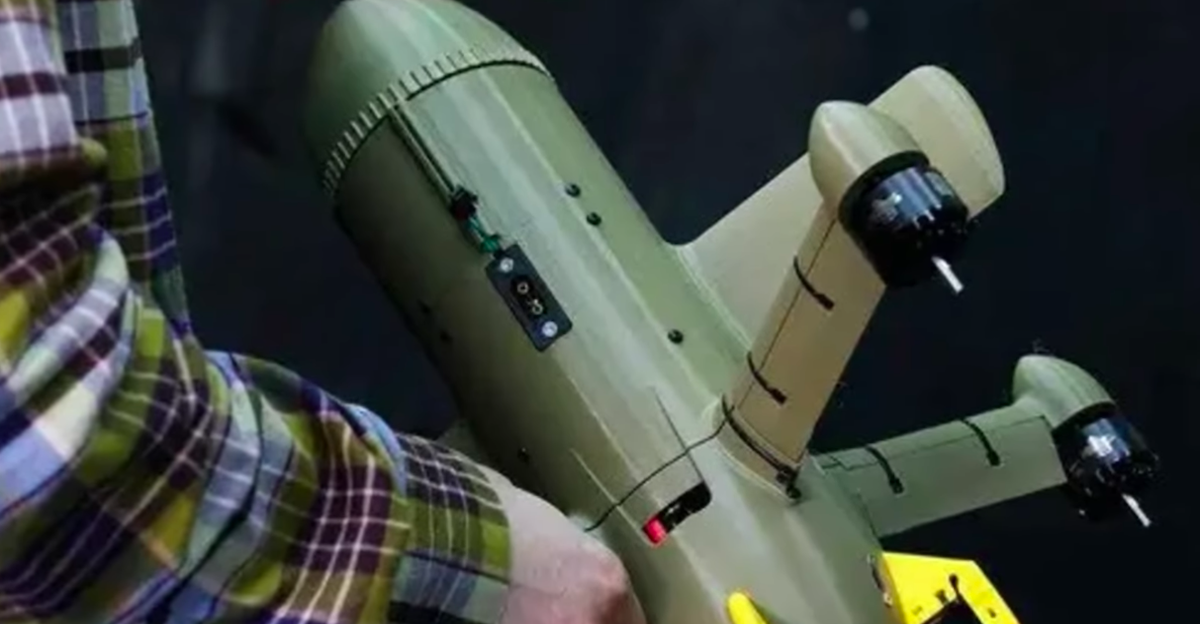
Ukraine struck back fast. On January 15, a STING interceptor from the Wild Hornets group downed a Geran-4 carrying an R-60—the first confirmed kill of such an armed jet drone. Costing $2,500 each, these platforms reach 315 km/h and have destroyed over 1,000 Russian drones in four months, offering cost-effective defense that spares pricier systems like Patriot PAC-3 missiles at $4 million apiece.
Escalating Production and Variants
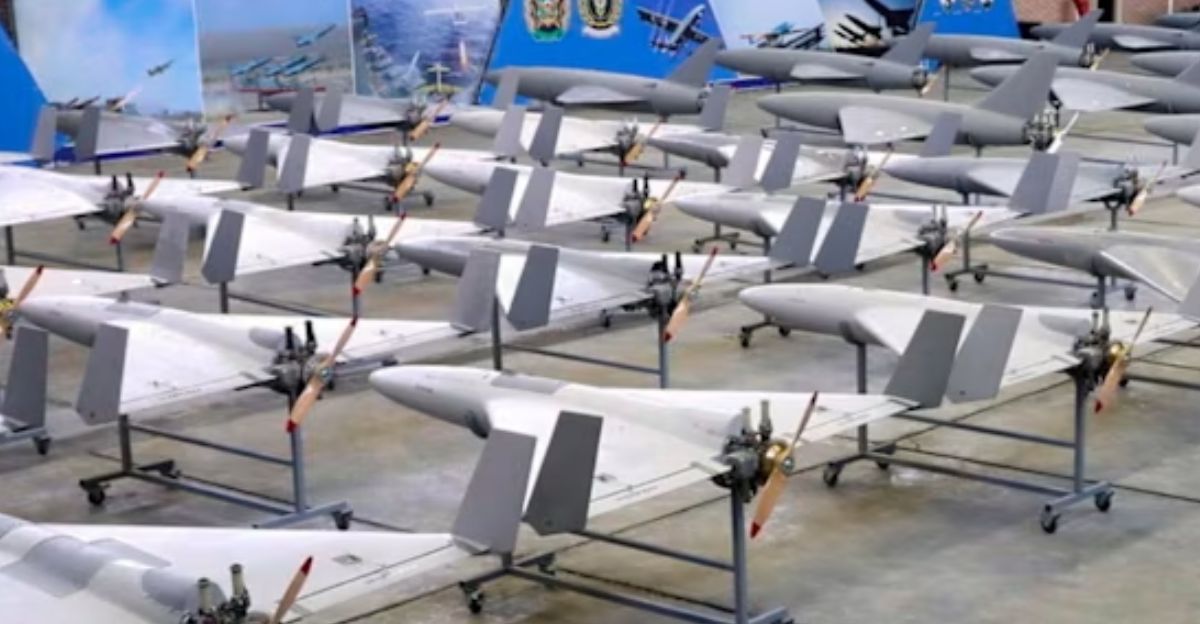
Russia ramps up output, producing 404 Shahed-type drones daily toward a 1,000-per-day goal, per Commander-in-Chief Oleksandr Syrskyi, potentially yielding 365,000 annually. Facilities like Alabuga in Tatarstan hit 26,000 Geran-2 units by late 2025, with 79,000 total Shahed-types that year across strike, reconnaissance, and decoy models.
The family grows: Geran-2 at 185 km/h, jet Geran-3 at 300-370 km/h operational speed, and new Geran-5 at 600 km/h with 90-kilogram warheads over 1,000 kilometers, mirroring Iran’s Karrar and possibly armed with advanced R-73 missiles. Captured units reveal Chinese, U.S., and German electronics, dodging sanctions.
Global Ripples and the Innovation Race
This arms race compresses development cycles: Russia integrated MANPADS on Geran-2 then added jet R-60 carriers in six weeks late 2025; Ukraine boosted STING from 160 to 315 km/h and countered in 72 hours. Ukraine’s layered defenses—fighters, SAMs, mobile groups, helicopters, and Tempests—hit 84% intercepts in November 2025 but slipped to 87% on January 19 amid 145 drones.
Cost gaps loom large: $20,000-70,000 Shaheds versus $350,000-420,000 IRIS-Ts create 10-100:1 disadvantages, though interceptors near parity. Iran supplies designs, Russia scales production, China provides engines— a model risking spread to other regions. Ukraine must surge domestic output, secure Western aid, upgrade with AI, and hit factories to match volume, turning the conflict into a live test of drone-dominated warfare with worldwide implications.
Sources:
“Ukrainian air defence downs new jet-powered UAV armed with missile.” Ukrainska Pravda, January 14, 2026.
“New Threat: russia Arms Jet-Powered Shahed, Geran-4 with R-60 Air-to-Air Missile.” Defence Ukraine, January 13, 2026.
“Ukrainian STING Drone Downs Jet-Powered Shahed UAV with R-60 Air-to-Air Missile.” Militarnyi, January 15, 2026.
“Russia Deploys the New Geran-5 Jet Strike Drone in Ukraine.” Army Recognition, January 18, 2026.
“Ukraine’s Military Chief: Russia Trying to Build 1000 Shahed Drones per Day.” Business Insider, January 19, 2026.