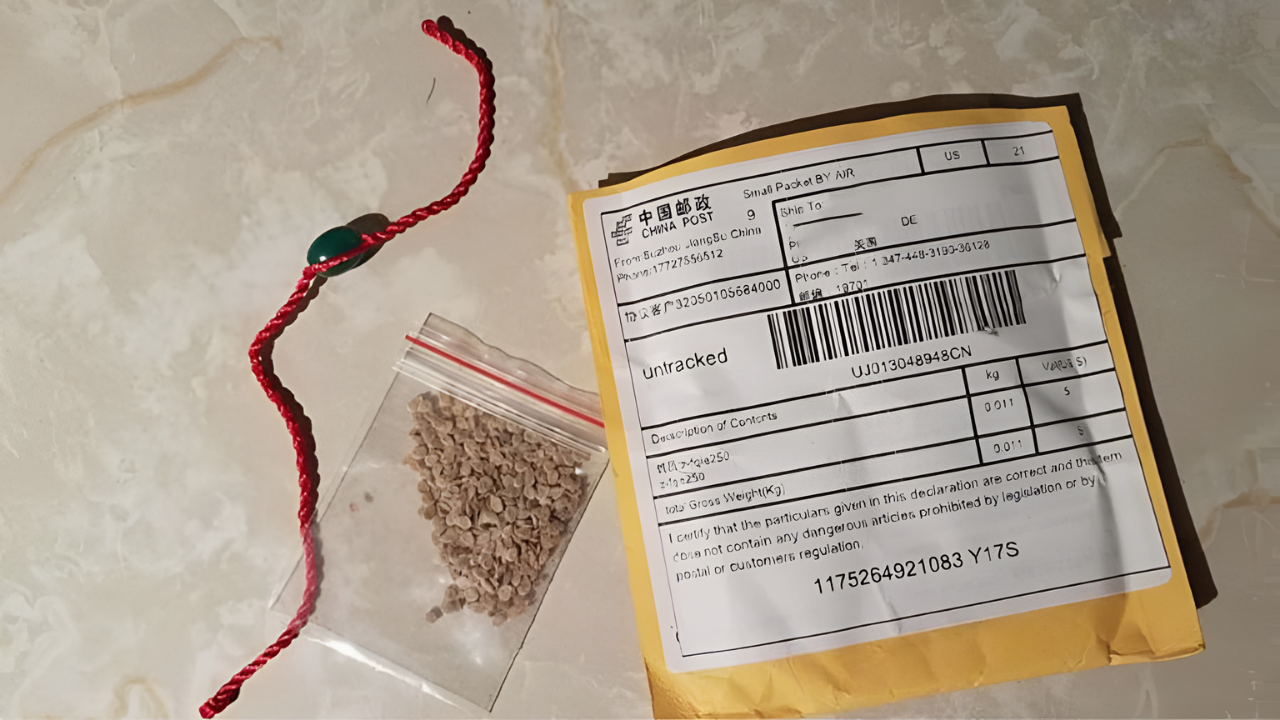
Texas officials are working to prevent over 1,200 mystery seed packages from China from arriving in mailboxes across the state. In just two weeks of January 2026, officials collected 120 packages. Many recipients had bought items from Temu before.
The packages bear China Post labels and contain unknown seeds and strange liquids. Texas Agriculture Commissioner Sid Miller said the situation is moving “faster and further than ever before.”
Federal Warnings

The Department of Homeland Security and the USDA agencies issued serious warnings about the seeds. A June 2025 DHS report said the packages could “damage American farming” and carry “harmful biological materials.”
The report warns of dangerous bacteria, fungi, and viruses that could harm crops. The USDA now tests and destroys the seeds with Texas officials. Homeland Security is investigating the threat.
The First Warning

In February 2025, a Clute, Texas, resident received a package containing seeds and an unknown liquid. This alert started a statewide collection effort. By December 2025, officials had found packages at 109 locations in Texas.
Back in 2020, all 50 states warned residents about similar seed packages from China. Investigators concluded that those shipments were part of a “brushing scam” to boost fake online reviews.
Accelerating Threat

The packages are arriving much faster in early 2026. Officials report a “sharp spike” that’s much larger than in 2020. By late December 2025, officials had collected 1,101 packages from 109 locations.
Then 120 more arrived in just 14 days in January. If this rate continues, over 2,500 packages could arrive yearly. Florida, New Mexico, Alabama, and Ohio are also getting packages. U.S. border screening cannot handle all direct-ship packages.
Address Harvesting

Investigators found that most recipients had previously bought from Temu or TikTok. Bad actors are likely to have stolen addresses from these e-commerce companies. Temu faced lawsuits in 2024 and 2025 over spyware claims.
The 2024 lawsuit said Temu used “malicious spyware” to collect customer information. A 2025 Arizona lawsuit accused Temu of stealing private data. Commissioner Miller stated, “We have a serious security problem.”
Texas Agriculture at Stake
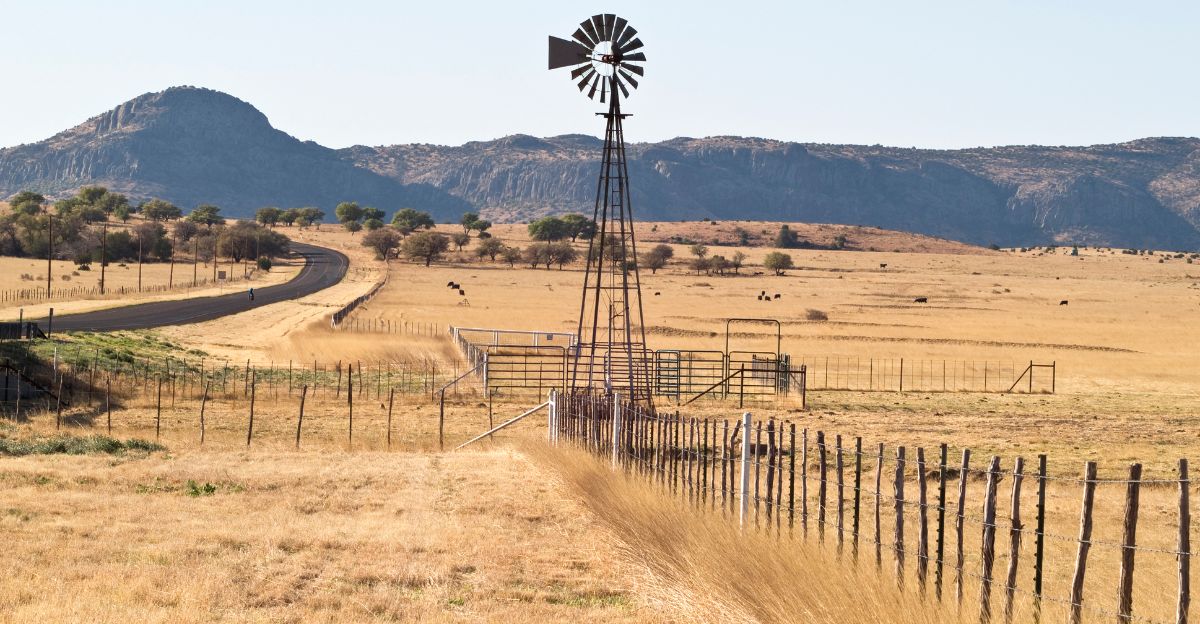
Texas farming earned $30.8 billion in 2022. The state farms 125 million acres. Cattle and calves bring in $11.9 billion yearly. Dairy, poultry, and cotton add more billions. An invasive species could destroy this economy.
Commissioner Miller warned: “One dangerous pest could devastate Texas farms and our food supply.” Eastern Texas grows most of the state’s crops, making it a target.
Biological Risks

Commissioner Miller warned of serious health risks posed by the packages. He said, “You don’t know what is in that package. It could carry a virus or bacteria. It could be anthrax or cholera.”
Federal reports warn the seeds might carry dangerous bacteria, fungi, and viruses that harm crops. Some packages held bare-root plants and unknown liquids. Normally, imported plants get “strict testing and inspection,” but these packages skip those checks.
Customs Gap

The packages exploit a major gap in border security. Direct e-commerce shipments skip traditional customs checks. “These items come straight to homes. Customs never inspects them,” Miller explained.
Sellers label packages as “jewelry” or “beads” to hide the contents. U.S. law requires importers to get a PPQ 587 permit before shipping plants. That permit takes two months and needs health certificates. These packages skip all those rules.
Economic Toll

Invasive species cost the U.S. $21 billion yearly. Agriculture pays 73 percent of these costs. Globally, invasive species cost $1.7 trillion from 1970 to 2017. Costs triple every 10 years. China and the U.S. pay the most because they farm so much.
One bad species could cost farmers hundreds of millions in lost crops and trees. Texas farming income ranges from $13.9 billion to $19.4 billion annually, so it cannot withstand another shock.
The Brushing Connection

Many packages link to “brushing scams.” Third-party sellers ship cheap items to real addresses, then post fake reviews under the recipient’s name to boost seller ratings. Seeds work well for this fraud. They weigh little, cost little to ship, and people can mislabel them as “jewelry.”
The FTC warns that brushing scams show deeper account hacks. Scammers may have stolen credit card info or opened accounts in your name. Thousands of Americans may be victims of identity theft.
Recipient Confusion

Texas residents got packages and felt confused. Many thought the deliveries were mistakes. Then they saw Chinese writing and China Post labels. They realized they did not order the seeds. “They did not buy these seeds,” Miller said.
Some packages had seeds labeled as one type but held another. The 2020 seeds included ornamental, fruit, vegetable, and weed seeds, as well as invasive water plants. People faced a tough choice: curiosity or safety.
Federal-State Coordination

Texas officials took the crisis to Washington, D.C., for help. Homeland Security began investigating the source of the shipment and the fraud networks. USDA APHIS opened a partnership with Texas to test seeds at federal labs and destroy them safely.
U.S. Customs and Border Protection now monitors foreign shipments. Officials work with e-commerce companies to stop illegal plant imports. USDA official Dr. Osama El-Lissy stated: “We partner with e-commerce firms to stop illegal seed shipments.”
Public Response

The Texas Department of Agriculture set up a reporting system. Call 1-800-TELL-TDA when you get mystery seed packages. Do not open the packages or plant the seeds. Do not throw them away.
Keep them sealed and wait for inspectors. If you cannot wait, bake seeds at 350-400 degrees Fahrenheit for 30 minutes. Officials collected 1,101 packages from alert Texans by December 2025. Public help stopped many dangerous seeds.
Ongoing Uncertainty

Officials still don’t know who sends the packages. They can’t say if it is a brushing scam or something worse. “We don’t know if it’s a scam or something more sinister,” Miller said. The 2020 seeds finally stopped arriving, so investigators called it a business fraud.
But this new wave, six years later, looks different. The volume is higher, and it targets specific people. The unknown liquids hint at something beyond normal scams.
Biosecurity Future

The seed crisis shows America’s biosecurity is weak. Temu has 167 million users worldwide. These Chinese companies have addresses for tens of millions of Americans. Current rules cannot screen direct-ship packages bypassing customs.
Policymakers face a hard choice: Allow easy e-commerce or protect agriculture? The U.S. farm economy is worth $1.4 trillion. As weather changes and global trade grows, biological invasions will accelerate. Texas warns that U.S. borders face serious biological threats.
Sources:
- News4SanAntonio, Mystery seeds from China flooding Texas mailboxes, January 14, 2026
- The Hill, Mystery seed warning: Texas officials report ‘sharp spike’, January 15, 2026
- DHS CWMD Intelligence Note, Unsolicited Seed Packages in the Homeland Likely Pose Threats to Environment and Agriculture, June 26, 2025
- Fox7Austin, Texans warned not to plant unmarked seed packets from unknown senders, January 5, 2026
- CNN, All 50 states have issued warnings about those mysterious seed packages, July 29, 2020
- Farm Progress, USDA concludes the mystery seeds were part of ‘brushing scam’, August 13, 2023