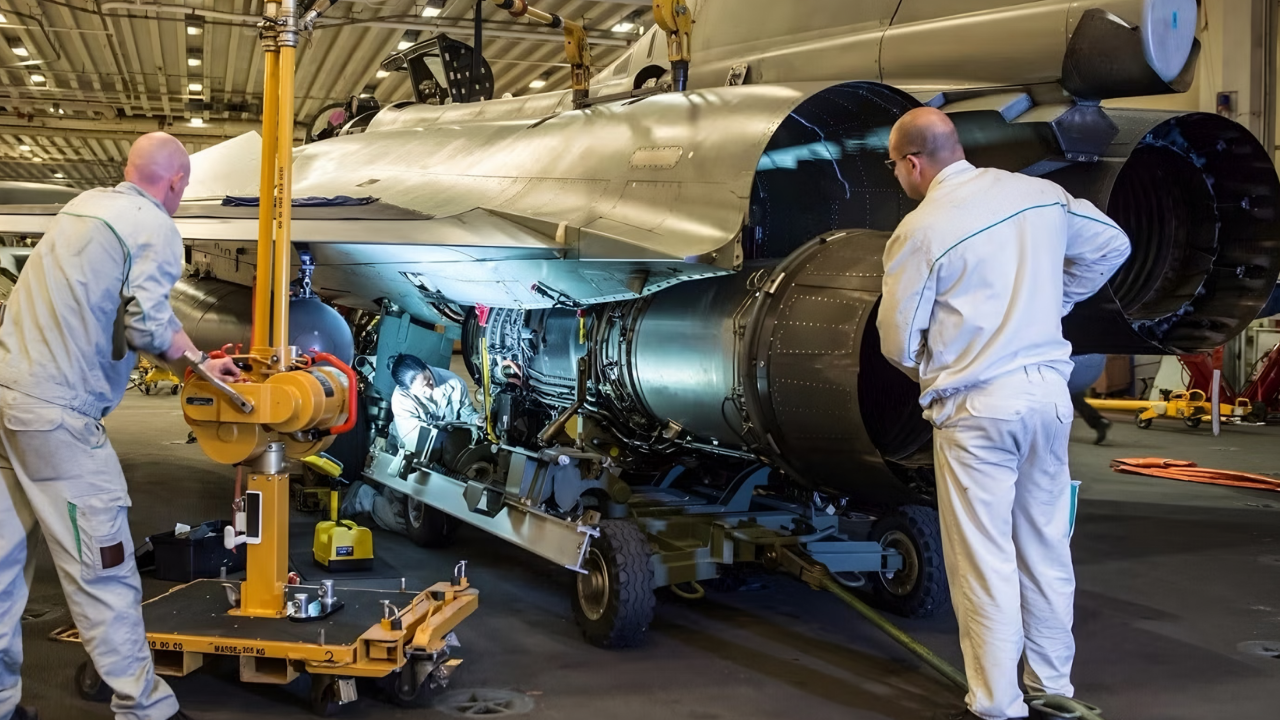
The layoffs at Sumaria Systems reflect three intersecting forces shaping today’s defense workforce: aging aircraft platforms, intense price competition during contract recompetes, and a strategic shift by the U.S. Air Force toward software-, cyber-, and resilience-focused work.
After losing a competitively bid F-16 advanced avionics and support contract at Wright-Patterson Air Force Base, the company announced 57 job cuts. At the same time, Sumaria continues other Air Force work, illustrating how defense employment can contract and expand simultaneously depending on mission focus.
The Immediate Impact

Sumaria Systems filed a Worker Adjustment and Retraining Notification (WARN) with the Ohio Department of Job and Family Services confirming that 57 employees at Wright-Patterson Air Force Base in Dayton will be laid off effective January 31, 2026.
The notice was submitted on January 15, providing roughly two weeks’ notice. For affected workers and their families, the short timeline underscores how quickly job security can change when federal contracts are lost through competitive procurement.
Who Is Sumaria Systems
Sumaria Systems, LLC is a U.S. defense contractor providing engineering, technical, software, acquisition, logistics, and unmanned systems support to the Department of Defense. The company has maintained a long-standing presence at Wright-Patterson Air Force Base, supporting multiple Air Force programs.
Like many mid-sized contractors, Sumaria’s workforce levels are closely tied to the success or loss of individual task orders and program contracts awarded through competitive federal processes.
The F-16 Program Context
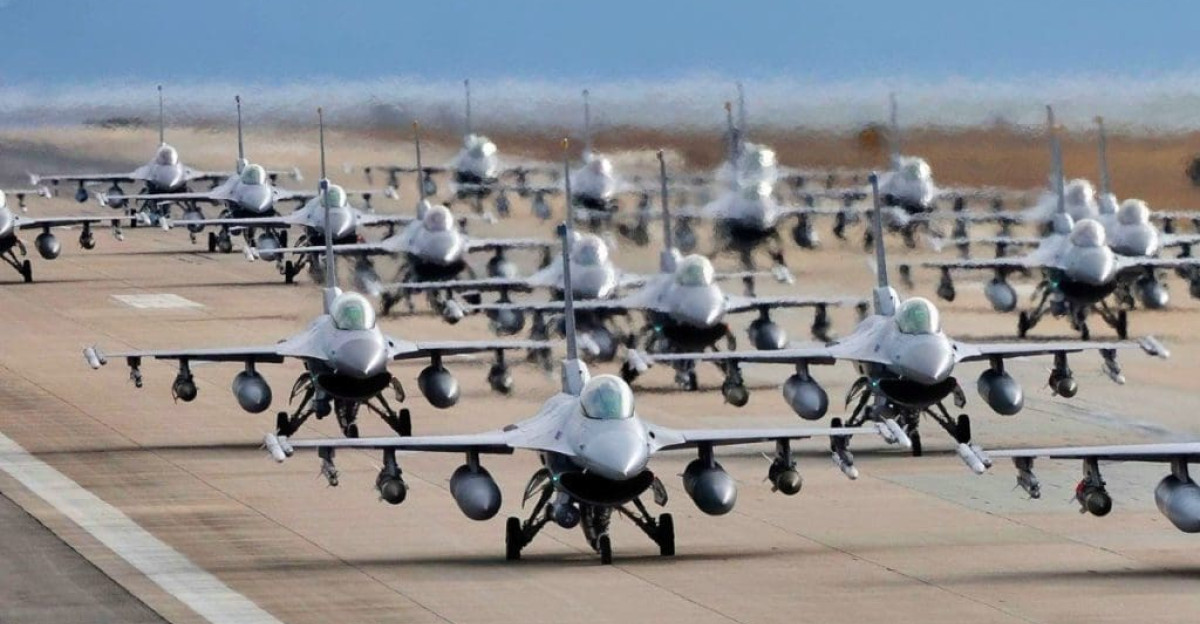
The F-16 Fighting Falcon entered U.S. Air Force service in the late 1970s and remains one of the most widely deployed fighter aircraft in the world. Despite its age, the platform continues to receive upgrades in avionics, software, and survivability to extend its service life.
Sustaining the F-16 requires a broad ecosystem of prime contractors and specialized firms, all competing for modernization and support roles as the Air Force balances cost, capability, and longevity.
Understanding the Contract Loss

According to Sumaria’s WARN filing, the layoffs were caused by “market competition” and the loss of an F-16 “A & AS” (advanced avionics systems) support contract following a recompete by the U.S. Air Force.
The company was part of a bidding team that sought to retain the work but was not selected. Recompetes are designed to reassess performance, pricing, and technical approach rather than automatically renew existing arrangements.
Why Recompetes Matter

From the Air Force’s perspective, recompeting sustainment and support contracts is a core mechanism for controlling costs and ensuring performance on legacy platforms. Automatically renewing contracts to preserve jobs would undermine competitive procurement and potentially increase long-term expenses.
While recompetes can lead to workforce disruptions, they are intended to ensure that taxpayers receive the best value and that evolving operational requirements are met by the most competitive bidders.
Wright-Patterson’s Economic Role
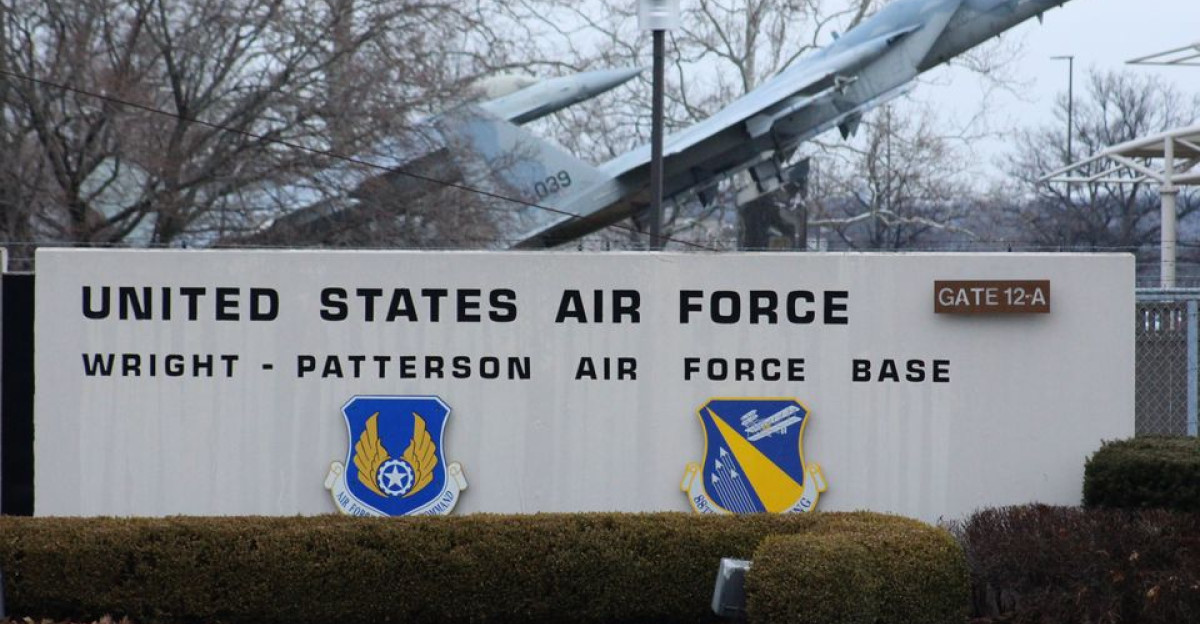
Wright-Patterson Air Force Base is one of the largest and most economically significant Air Force installations in the United States, employing tens of thousands of military personnel, civilian employees, and contractors.
The base anchors the Dayton regional economy, meaning that even relatively small layoffs can attract attention. Although 57 jobs represent a small fraction of total base employment, the losses are concentrated within a highly specialized segment of the workforce.
Historical Volatility in Ohio Defense Jobs
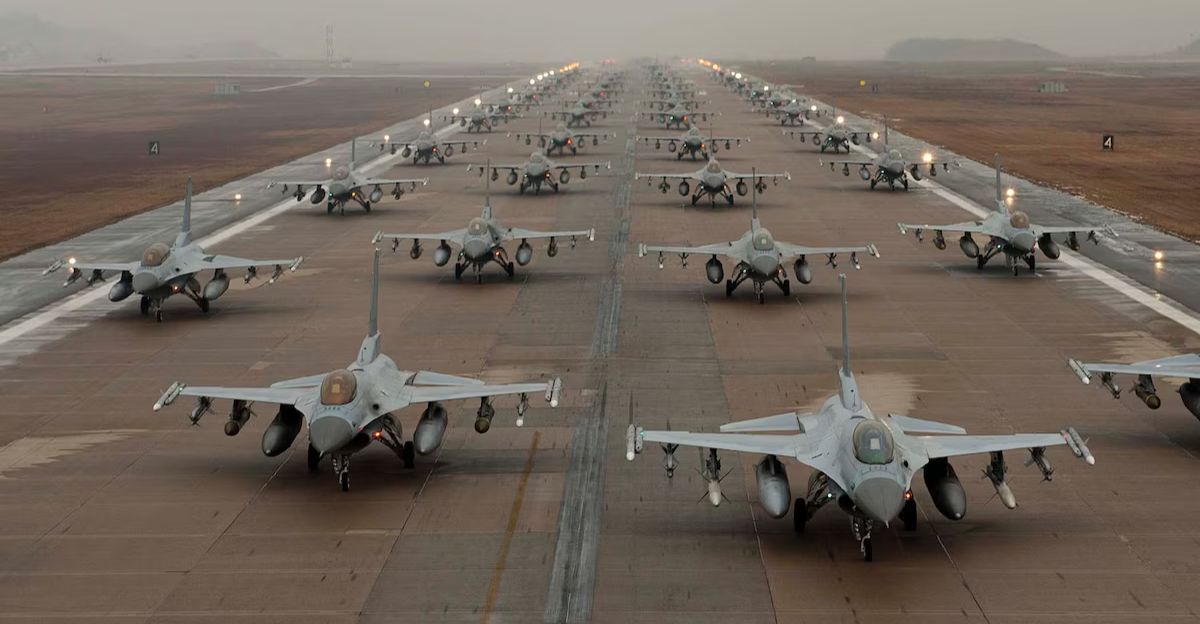
Ohio’s defense sector has long experienced cycles of growth and contraction tied to shifting military priorities, budgets, and platforms. From armored vehicles to aerospace systems, employment has expanded with new programs and contracted when work is restructured or relocated.
The Sumaria layoffs fit this historical pattern, illustrating how even well-established defense hubs like Dayton are not immune to the effects of procurement competition and program evolution.
Positions Affected

The WARN notice indicates that impacted roles include F-16 subject matter experts, senior logistics managers, logisticians, and other specialized support positions.
These jobs typically require deep platform knowledge, technical expertise, and often security clearances. Losing such positions highlights the vulnerability of highly specialized defense roles that exist primarily to support a single aircraft program or contract line.
Labor Market Shock
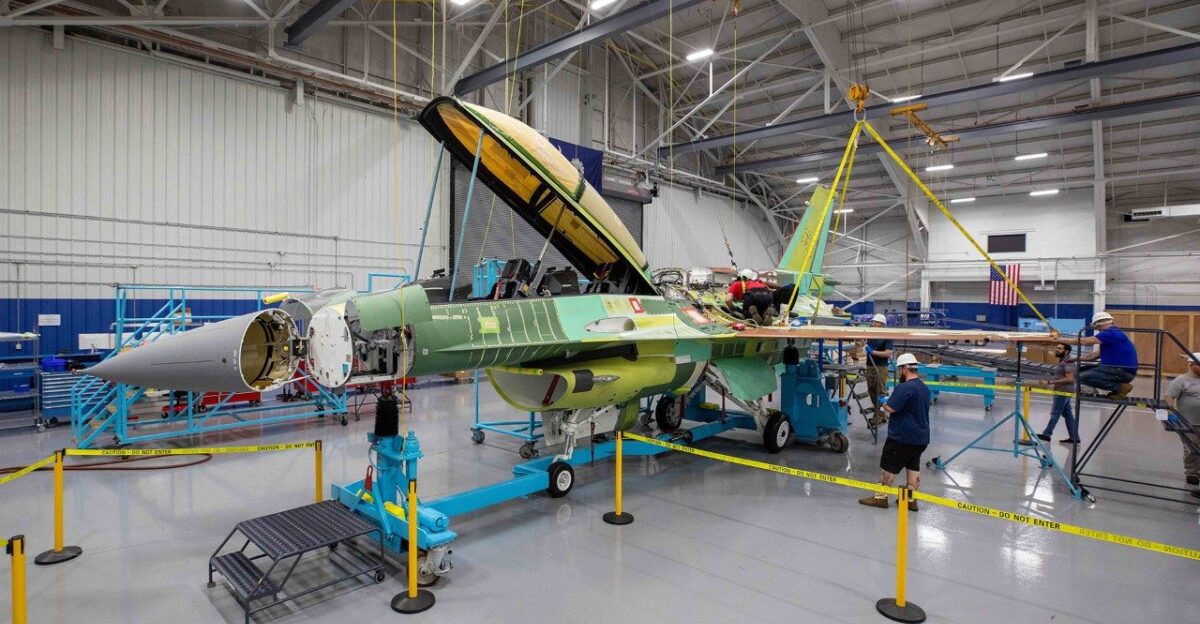
When dozens of experienced aerospace and defense professionals enter the job market at once, it can temporarily strain local demand for similar skills.
In the Wright-Patterson area, many contractors draw from the same cleared and technically trained labor pool. While this can create short-term competition for available roles, the broader defense industrial base continues to seek cleared engineering and logistics talent nationwide.
Payroll and Community Effects

Although Sumaria has not released payroll figures, eliminating 57 specialized defense jobs likely represents several million dollars in annual wages removed from the local economy. Beyond individual households, secondary effects can ripple through housing, services, and small businesses in the Dayton area.
Such impacts help explain why even modest-sized defense layoffs often generate outsized concern among local officials and community leaders.
Political Attention vs. Procurement Reality

Job losses at Wright-Patterson naturally draw scrutiny from Ohio’s congressional delegation and state leadership.
However, the Air Force’s procurement system is structured to prioritize mission requirements and value over geographic considerations. Allowing political pressure to override source selection decisions would undermine competitive integrity. In this case, the base remains robust; the change lies in which contractor performs a specific slice of F-16 support work.
A Relevant Precedent
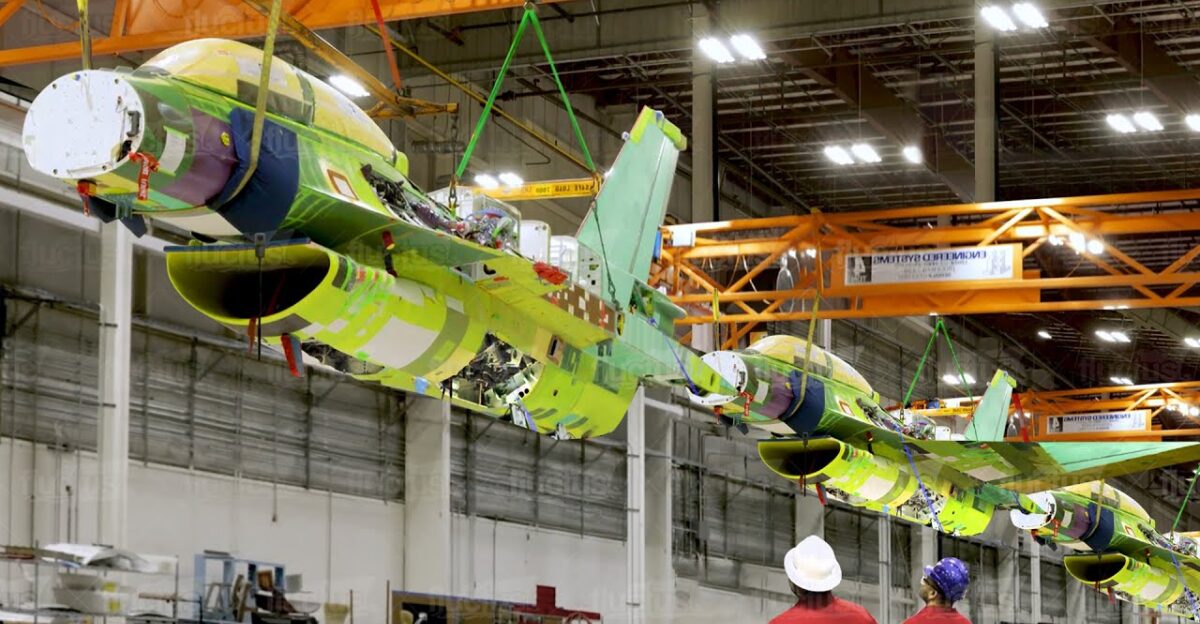
Sumaria’s experience mirrors earlier cases where incumbent contractors lost major F-16 sustainment roles.
Notably, Lockheed Martin reduced its workforce in Greenville, South Carolina, after the Air Force declined to renew significant F-16 depot maintenance work, leading to roughly 180 job cuts. Lockheed retained other F-16-related activities, demonstrating that losing one contract does not necessarily signal total program withdrawal.
Continued Work for Sumaria
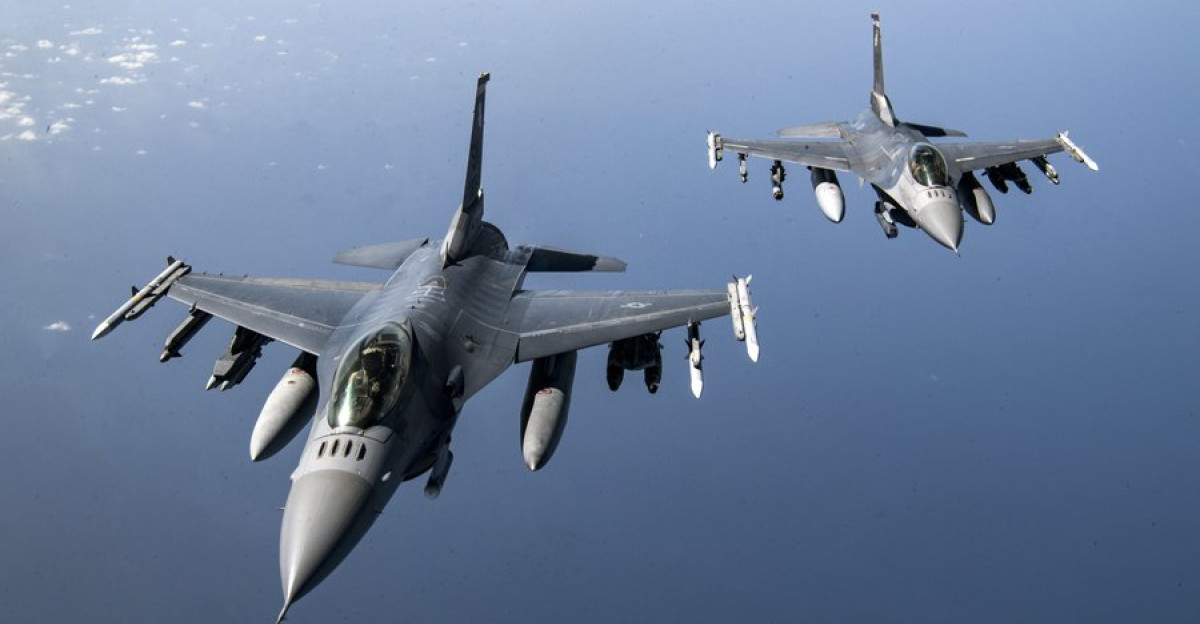
Despite losing the advanced avionics support contract, Sumaria remains involved in other Air Force programs.
The company was awarded a separate contract valued at approximately $43.2 million to provide F-16 program support focused on cyber resiliency and related acquisition, engineering, testing, and security functions. This illustrates how contractors can simultaneously lose traditional sustainment work while gaining roles aligned with new priorities.
The Cyber Resiliency Shift
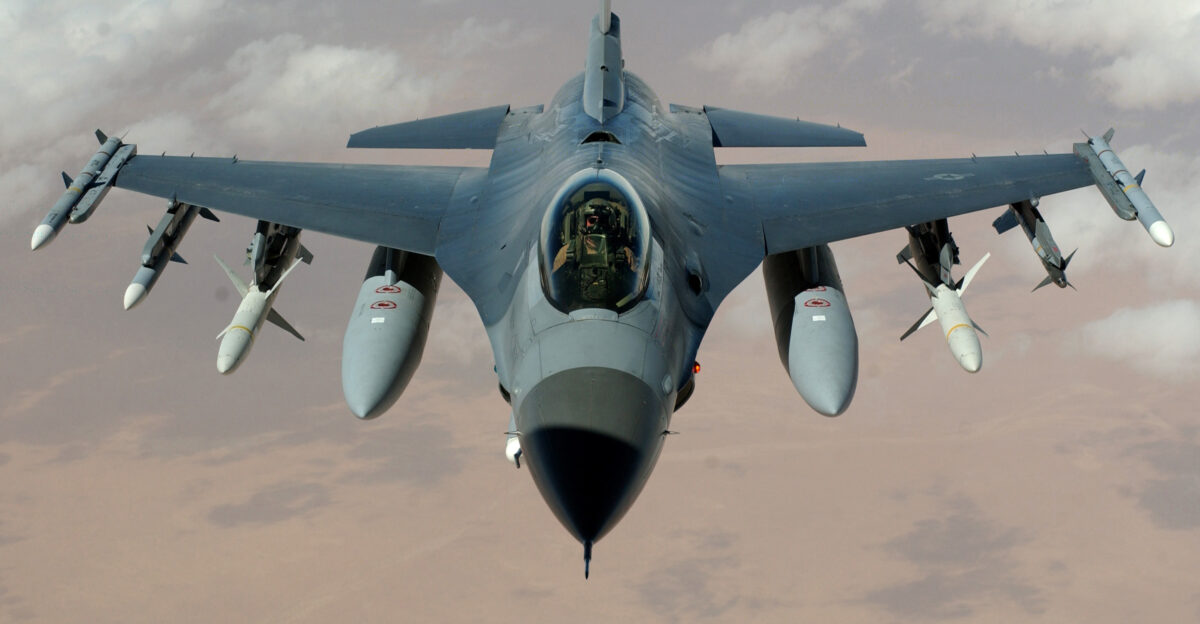
The Air Force has increasingly emphasized protecting aircraft systems from cyber threats throughout their life cycles. For the F-16, this includes safeguarding avionics, mission systems, and support infrastructure.
Funding is gradually shifting away from labor-intensive legacy sustainment toward higher-end cyber and systems resilience activities. These efforts often require fewer but more specialized personnel, contributing to workforce restructuring.
Why Jobs Don’t Always Transfer

When a contract changes hands, affected employees do not automatically move to the winning bidder. Differences in staffing models, labor rates, locations, or technical approaches can limit direct transfers.
As a result, even when work continues at the same base, incumbent workers may still face layoffs. This structural feature of defense contracting adds to employment uncertainty for platform-specific specialists.
Ohio’s Broader Aerospace Trajectory

While layoffs dominate headlines, Ohio is simultaneously attracting significant new defense and aerospace investment. Projects like Anduril Industries’ planned Arsenal-1 advanced manufacturing facility in Pickaway County are expected to generate thousands of jobs over time.
Combined with established players such as GE Aerospace, these developments point to a shift toward next-generation manufacturing and autonomous systems rather than an overall sector decline.
Defense Employment as a Trade-Off

The Sumaria layoffs underscore a core reality of defense employment: stability at the platform level does not guarantee stability at the contractor or individual job level. As the Air Force modernizes legacy aircraft and reallocates funding, some roles disappear while others emerge.
The trade-off is fewer traditional sustainment jobs in exchange for investments in cyber resilience and advanced capabilities.
Human Cost Behind the Numbers

Behind the statistics are 57 workers and families facing abrupt change with limited notice. Even highly skilled defense professionals are vulnerable to contract outcomes beyond their control.
The short WARN timeline highlights how quickly livelihoods can be affected when competitive recompetes conclude, reinforcing that defense jobs—even at major installations—are not immune to market forces.
A System in Motion
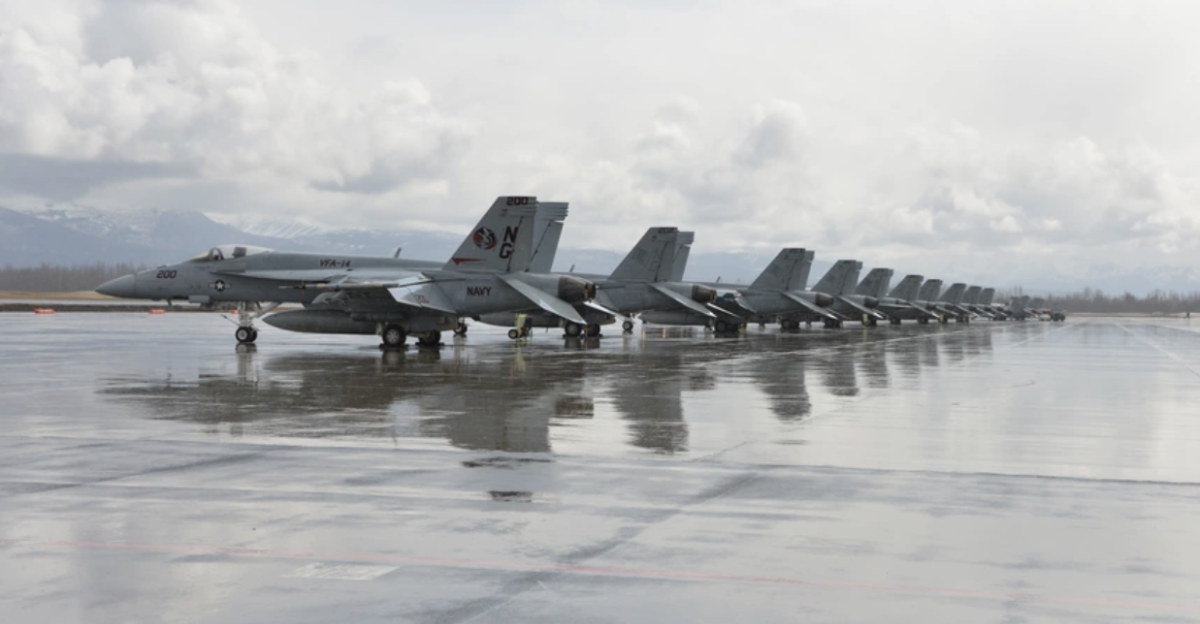
Taken together, Sumaria’s WARN filing, the loss of its F-16 advanced avionics support work, the award of new cyber-focused contracts, and Ohio’s broader aerospace investments present a consistent picture.
Defense procurement is reallocating resources toward resilience and future capabilities while maintaining competition. For the Dayton region, the challenge lies in managing near-term disruption while positioning its workforce for the next phase of aerospace and defense work.
Sources:
- “Contract loss triggers layoffs for 57 defense firm employees at Wright-Patterson Air Force Base” – Dayton Business Journal
- “WARN notice: Employer to lay off 50+ at Wright-Patt” – Dayton Daily News
- “Nearly 60 employees at Wright-Patt Air Force Base to lose jobs” – Eagle (WHIO / Cox media local outlet)
- “WARN Notice: 57 layoffs expected at Wright-Patt AFB” – WDTN / Yahoo News syndication
- “Nearly 60 Employees at Wright-Patterson Air Force Base to Be Laid Off” – SSBCrack News
- “Air Force Awards $43M F-16 Cyber Resiliency Contract to Sumaria Systems” – ClearanceJobs News