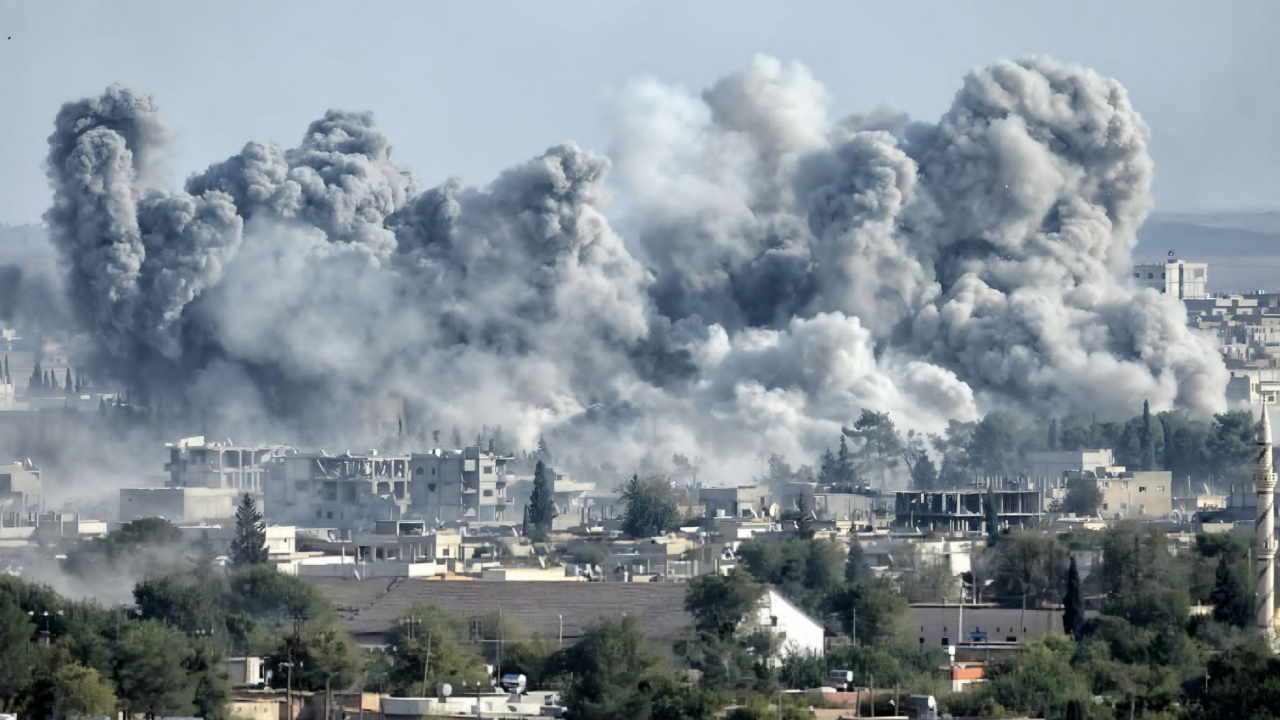
Explosions echo through Somalia’s rugged mountains and rural expanses as 2026 unfolds, signaling a sharp escalation in a conflict that claimed 7,289 lives in 2024 alone. U.S. airstrikes target al-Shabab and ISIS-Somalia fighters, bolstering Somali forces in a bid to curb jihadist threats before they extend beyond Africa’s borders.
AFRICOM Warns of Expanding Jihadist Threat
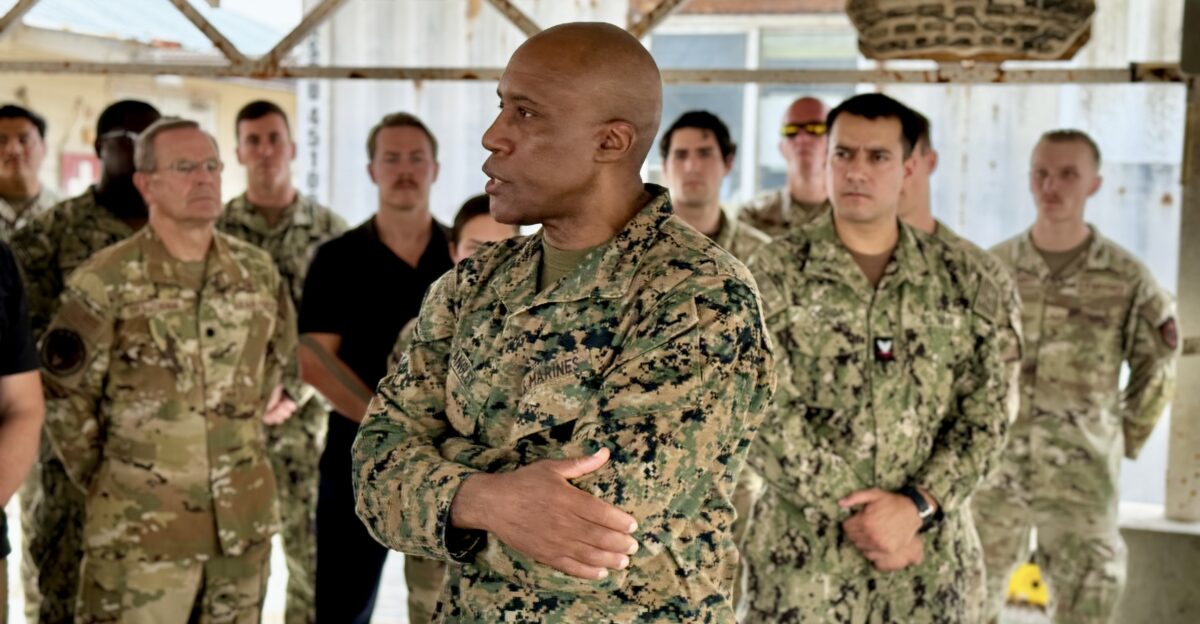
AFRICOM commander Gen. Michael E. Langley alerted U.S. lawmakers in April 2025 that expanding jihadist groups across Africa, including those in Somalia, could directly endanger the American homeland. ISIS and al-Qaeda affiliates are proliferating faster than many governments can counter, positioning Somalia as a focal point for preemptive U.S. operations. Langley stressed the urgency of disrupting these networks overseas to avert domestic risks.
Two Decades of Insurgency: Al-Shabab and ISIS-Somalia
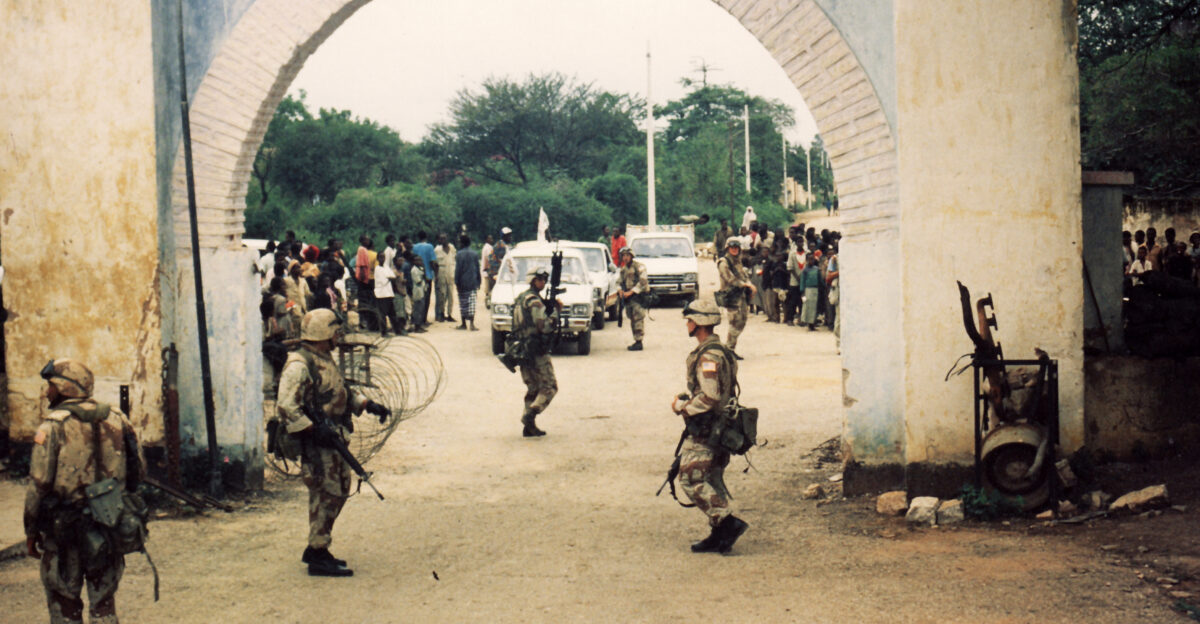
Al-Shabab rose from the ashes of Somalia’s Islamic Courts Union collapse in 2006-2007, transforming from a youth militia into al-Qaeda’s primary affiliate in the region. Though it has lost key urban centers, the group retains control over vast rural areas in south-central Somalia, using them to tax locals, mobilize fighters, and orchestrate attacks. Smaller but tenacious, ISIS-Somalia clings to bases in Puntland’s Golis Mountains, sustaining nearly two decades of unrelenting violence.
2025-2026: Airstrikes Intensify Under Trump Administration
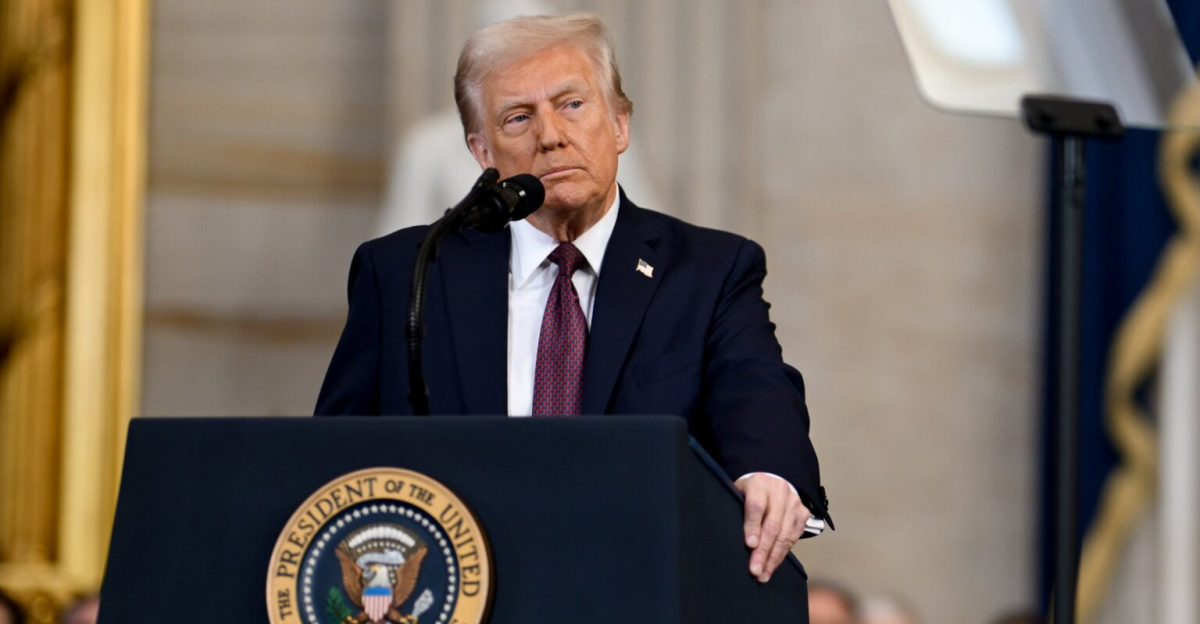
U.S. military actions in Somalia intensified from February 2025 under President Donald Trump’s returning administration. AFRICOM ramped up airstrikes to dismantle militant leadership, supply lines, and hideouts, coordinating closely with Somali ground troops. Between February 1 and June 10, 2025, 38 strikes hit al-Shabab positions in south-central areas and ISIS-Somalia sites near Mogadishu and in Puntland. By year’s end, operations totaled 126, marking Trump’s initial major counterterrorism thrust in the country.
Strikes continued into 2026, with U.S. forces targeting ISIS-Somalia in Puntland’s Golis Mountains—about 31 kilometers southeast of Bosaso—on January 9 and 11. On January 8, aircraft struck al-Shabab near Buur Heybo, 154 kilometers northwest of Mogadishu. AFRICOM withheld casualty details pending assessments, citing operational security in the militants’ longstanding mountain refuges. Somali forces, backed by U.S. intelligence and air cover, pressed ground offensives to reclaim contested rural zones and erode insurgent strongholds.
A Protracted Conflict with Continental Implications
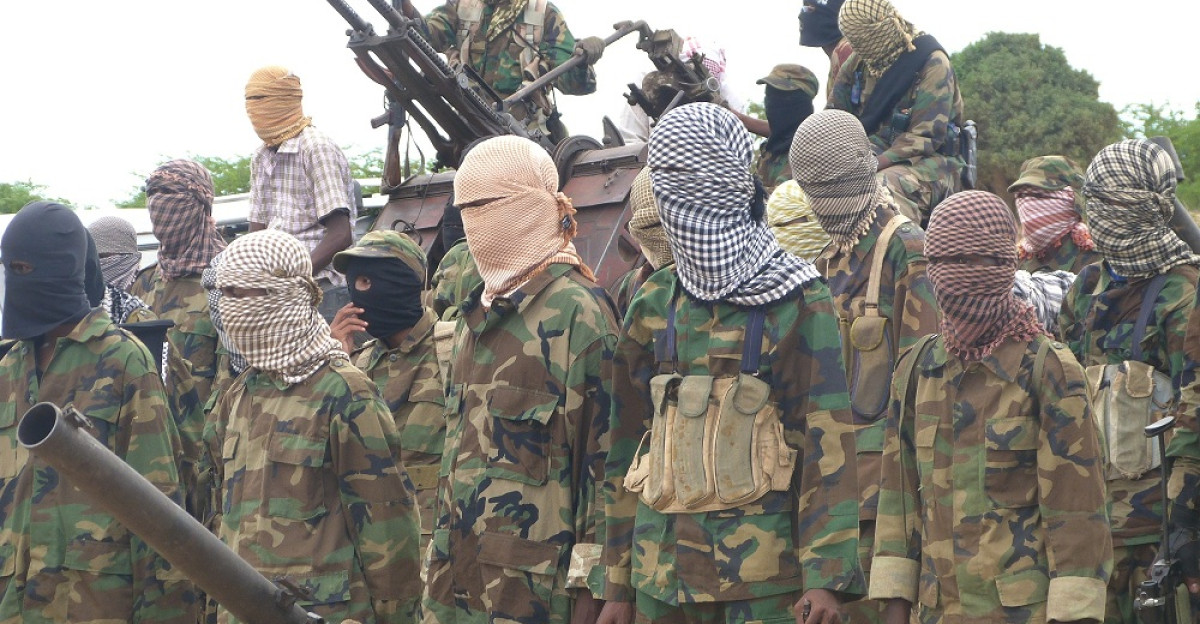
Somalia ranked second in Africa for militant Islamist violence deaths in 2024, with 7,289 fatalities behind only the Sahel’s 10,685, per Africa Center data. This toll underscores the continent-wide jihadist surge driving U.S. strategy. Analysts note airstrikes degrade capabilities but warn of militants’ resilience—they scatter, regroup, and exploit governance gaps. Without enduring ground advances and local development, the fight risks a protracted stalemate.
The intensified U.S.-Somali partnership aims to degrade threats incrementally, amid regional ripples felt by neighbors like Ethiopia, Djibouti, and Uganda. AFRICOM’s opacity on casualties sparks transparency debates, even as legal reviews probe civilian impacts. For Somalia’s 19 million people, the war disrupts lives, education, and stability, perpetuating cycles of recruitment. Leaders face a pivotal choice: sustain pressure to contain jihadists now, or risk amplified dangers spilling outward in the years ahead.
Sources:
Africa Center for Strategic Studies, Africa Surpasses 150,000 Deaths Linked to Militant Islamist Violence Over Decade, July 29, 2025
U.S. Africa Command, U.S. Africa Command 2025 Posture Statement to Senate Armed Services Committee, April 3, 2025
U.S. Africa Command, U.S. Forces Conduct Strike Targeting al-Shabaab, January 10, 2026
U.S. Africa Command, U.S. Forces Conduct Strike Targeting ISIS-Somalia, January 9, 2026
Fox News (citing AFRICOM data), US launches wave of strikes in Somalia targeting ISIS, al-Shabaab terror threats, January 12, 2026
Council on Foreign Relations, A Guide to Trump’s Second-Term Military Strikes and Actions, January 12, 2026