Iran’s crackdown on anti-regime protesters has killed at least 2,571 people, the deadliest domestic unrest in the Islamic Republic’s 47-year history, according to HRANA, a U.S.-based human rights group. The death toll dwarfs previous protest waves in 2009 and 2022.
Over 18,137 demonstrators have been arrested. The regime has closed Tehran’s airspace and threatened executions of detained activists. Tensions are escalating as international pressure mounts on the Trump administration to respond.
U.S. Mobilizes
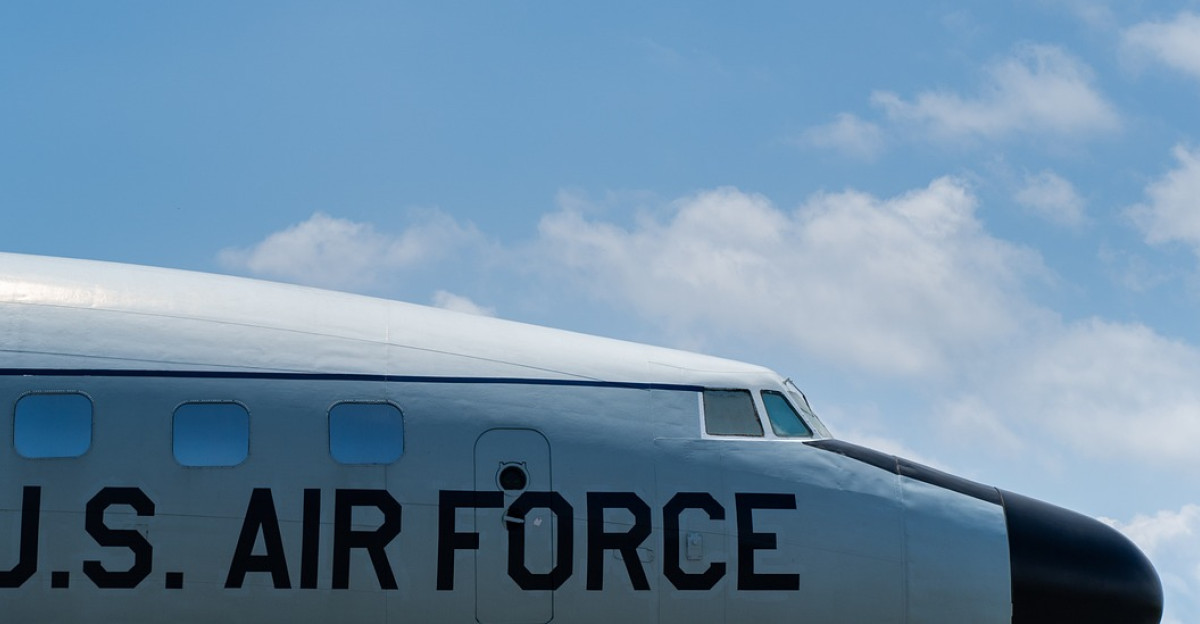
The United States is withdrawing personnel from Al Udeid Air Base in Qatar, the Middle East’s largest American military installation, housing approximately 10,000 troops, amid warnings that military intervention could begin within 24 hours.
The UK withdrew its own military staff from the same base. Multiple European nations, including Spain, Poland, Italy, and Germany, have urged citizens to evacuate Iran immediately. The region is bracing for a potential U.S. strike.
Historical Context
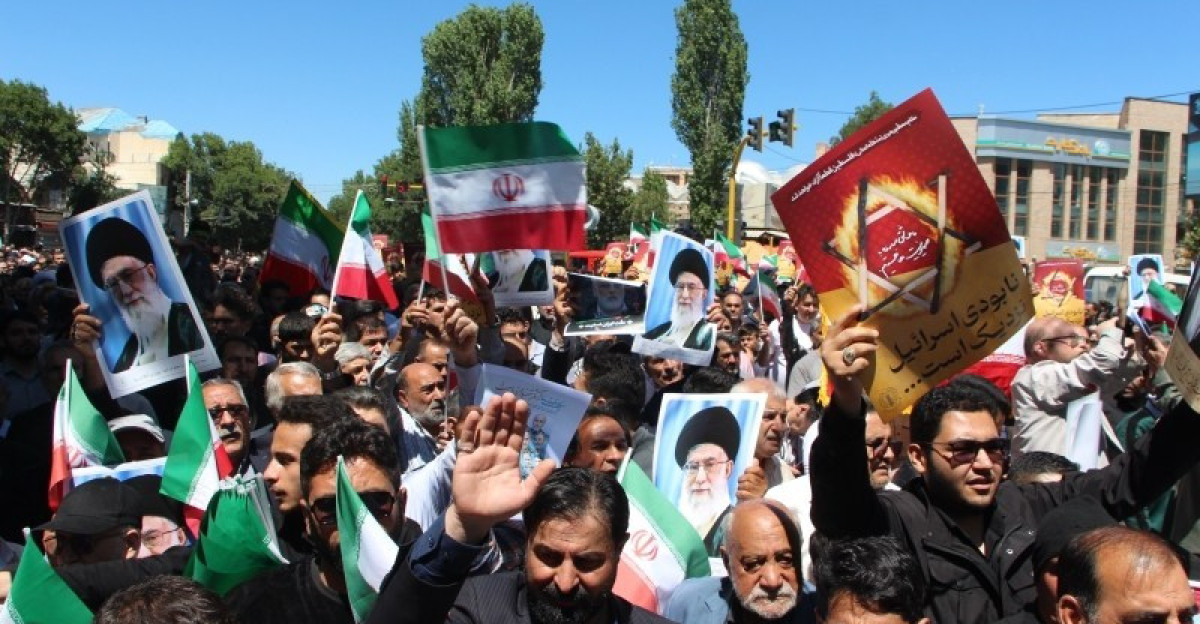
The current protests erupted across Iran’s 31 provinces in January 2026, triggered by economic hardship but escalating into the largest anti-government demonstrations since the 1979 revolution. Previous major uprisings in 2009 (Green Movement) and 2022 (Mahsa Amini protests) resulted in dozens of deaths.
This wave, however, has proven far deadlier and wider in geographic scope. The Islamic Revolutionary Guard Corps (IRGC) has intensified its use of live ammunition against unarmed civilians.
Treasury Pressure

U.S. Treasury Secretary Scott Bessent announced sanctions against Iranian security officials on January 15, targeting those involved in the crackdown. More dramatically, Bessent revealed that U.S. intelligence is tracking “tens of millions of dollars” being smuggled out of Iran by regime leaders through global banking networks.
Bessent described the exodus as “rats fleeing the ship,” indicating growing instability within Iran’s power structure. The asset flight signals the potential collapse of the regime’s financial foundation.
Ready To Strike
President Trump told his advisors he is “ready to push the button” on Iran and prepared to authorize military strikes within 24 hours, according to a Washington source close to the administration cited by The Independent on January 14.
The source described the military plan as “a surgical removal of the regime,” suggesting strikes targeting regime leadership and infrastructure rather than broader targets. Trump’s strategy reportedly includes waiting for Iranian banks to collapse, which would leave the IRGC unpaid and potentially trigger internal regime collapse without U.S. military action.
Regional Impact
A U.S. strike on Iran would directly threaten American military assets across the Middle East. Iran has explicitly warned it would retaliate against U.S. bases in neighboring countries, including Qatar, the United Arab Emirates, Saudi Arabia, Turkey, and Iraq.
Approximately 50,000 U.S. military personnel are stationed across these nations. An escalation could trigger regional conflict involving Israel, Saudi Arabia, and multiple proxy forces aligned with Tehran. The potential humanitarian toll extends far beyond Iran’s borders.
Personal Stakes
Twenty-six-year-old Erfan Soltani, a detained Iranian protester, faced execution after being sentenced to death for his role in demonstrations. International human rights groups warned his execution was imminent.
On January 14, Trump claimed Iran had agreed to postpone the execution, stating: “We’ve been told that the killing in Iran is stopping.” However, Iran’s judiciary denied any such agreement, leaving Soltani’s fate unclear. The case exemplifies the human cost of the crisis and potential leverage points in U.S.-Iran negotiations.
Israeli Pressure

Israeli Prime Minister Benjamin Netanyahu privately asked Trump to postpone any military action against Iran, fearing escalation could destabilize the region and draw Israel into a wider conflict. Israeli security officials told U.S. counterparts that American airstrikes alone would not meaningfully weaken Tehran’s military capability.
Instead, Netanyahu urged Trump to allow diplomatic off-ramps and let Iran’s internal economic collapse do the work. This Israeli-American disagreement revealed cracks in the coalition pushing for immediate military action.
Allied Hesitation
Beyond Israel, other key U.S. allies expressed caution. The UK withdrew personnel but stopped short of endorsing strikes. Saudi Arabia and the United Arab Emirates, both heavily invested in Middle East stability, reportedly lobbied Trump to avoid military action.
European nations focused on evacuating citizens rather than supporting military intervention. This broader hesitation suggests that Trump’s threat of unilateral action faces significant diplomatic pushback from traditional allies, a shift from the unified front during previous Iran crises.
The Bank Collapse Gambit

Trump’s strategy, according to the Washington source, relies on a counterintuitive play: letting Iran’s banking system implode rather than launching immediate military strikes. With regime leaders already fleeing with stolen assets and no clear funding source for the IRGC, the regime could collapse from within.
This approach would avoid the military risks and international backlash of direct airstrikes while achieving the exact outcome of regime change. If successful, it would represent a dramatic shift from traditional military intervention doctrine to financial warfare and patience.
Pentagon’s Frustration
Senior Pentagon officials have grown frustrated with the ambiguity of Trump’s decision-making. Military planners briefed Trump on multiple strike scenarios, from precision airstrikes on regime leadership to broader targeting of IRGC infrastructure.
However, Trump has not issued definitive execution orders. Some Pentagon sources told media that strikes were “at least several days away,” contradicting the 24-hour timeframe cited by European officials. This internal discord raises questions about the credibility of the “within 24 hours” claim circulating among analysts.
The Walkback

On January 14, Trump abruptly softened his rhetoric, claiming he’d been told “the killing in Iran is stopping” and that the regime had called off executions of protesters. The White House characterized this development as an “off-ramp,” a diplomatic exit from the cycle of escalation.
This statement contradicted earlier threats and undercut the urgency of the “within 24 hours” window. Observers debated whether Trump was genuinely de-escalating or simply testing Iran’s response, buying time, or repositioning for a later strike.
The Anonymous Source Problem
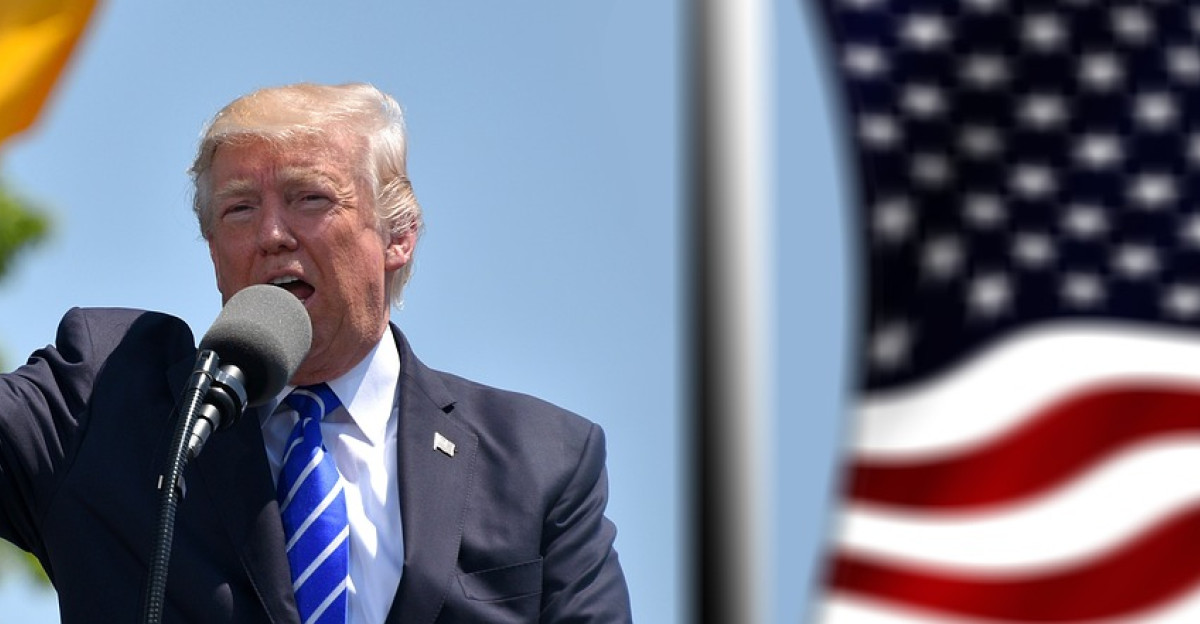
The most dramatic claims that Trump is “ready to push the button” and planning a “surgical removal of the regime” rest on a single anonymous “Washington source close to the administration,” cited exclusively by The Independent.
No other Tier-1 news outlet (Reuters, New York Times, Associated Press, Bloomberg) independently corroborated this specific language. The anonymity, combined with a lack of official confirmation from Pentagon or White House spokespersons, raises questions about the source’s credibility and whether the language was exaggerated or misrepresented.
Military Readiness Confirmed

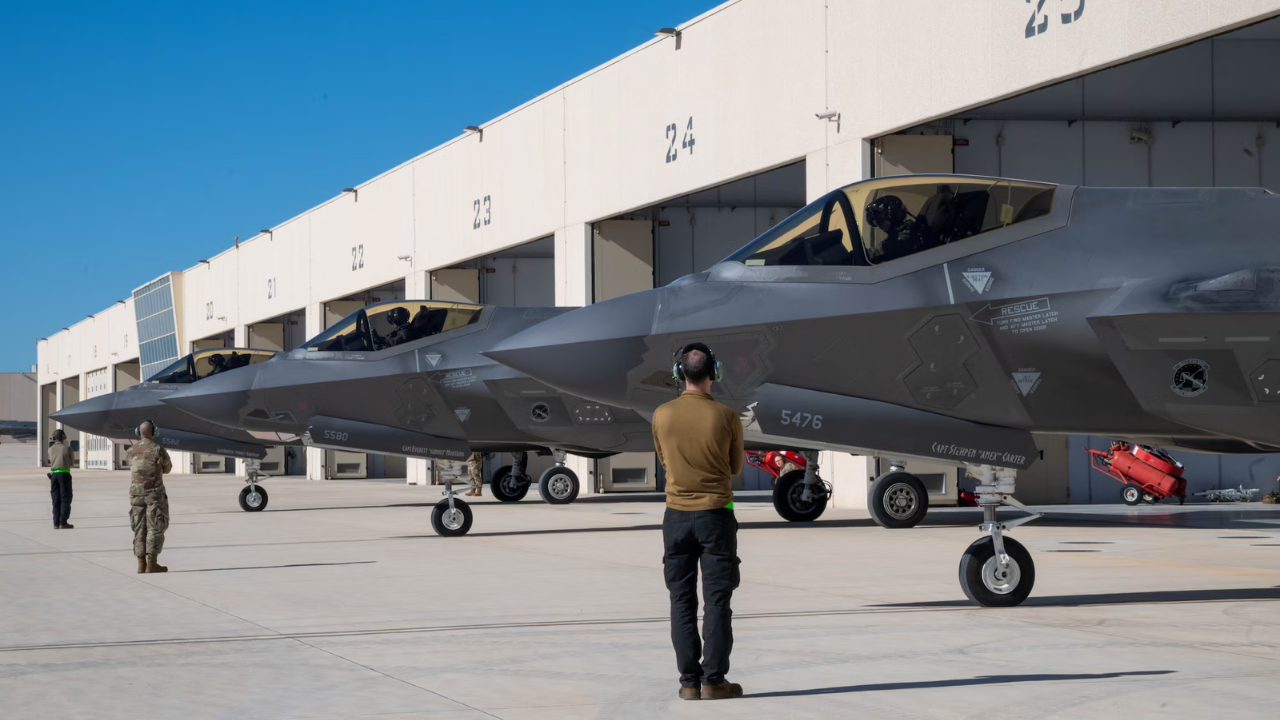
While the immediate threat remains ambiguous, Trump’s military preparations are undeniably real. U.S. Air Force assets at Al Udeid Air Base, including KC-135R aerial refueling tankers and B-52 strategic bombers, have increased their operational tempo.
Personnel evacuations from the base and Qatar have been ordered. These physical preparations align with what military strategists call “signaling,” visible readiness designed to pressure an adversary or demonstrate credible threat capability. Whether this translates to actual strikes remains uncertain.
What Happens Next?

The central question facing the region is whether Trump will follow through on strike threats or allow diplomatic and economic pressure to erode the regime from within. If strikes occur, Iran’s retaliation threat means the conflict could expand beyond Iranian borders, drawing in U.S. allies and proxy forces.
If Trump delays indefinitely, it could undermine his credibility and embolden the regime. The following 72 hours will likely prove decisive in determining which path emerges.
Trump’s Doctrine Shift
Trump’s hesitation to immediately strike reflects a potential shift in his foreign policy thinking. Rather than pursuing regime change through military force, in his approach to Iraq and Afghanistan, Trump appears to be testing whether financial pressure, sanctions, and internal collapse can achieve the same goal with fewer casualties and international backlash.
This philosophy mirrors economic warfare tactics used against Russia, North Korea, and China. If successful in Iran, it could become a template for future interventions.
International Law Questions
Legal scholars have raised questions about whether unilateral U.S. strikes on Iran, absent a direct attack on American territory, would violate international law and the UN Charter. Unlike 2020, when Trump killed General Qasem Soleimani in response to a specific Iranian attack, the current crisis lacks that immediate trigger.
Striking purely to support anti-regime protesters or prevent internal repression ventures into legally murky territory. Some analysts argue that Trump needs congressional authorization; others cite existing 2001 and 2002 war authorizations.
Global Economic Ripple
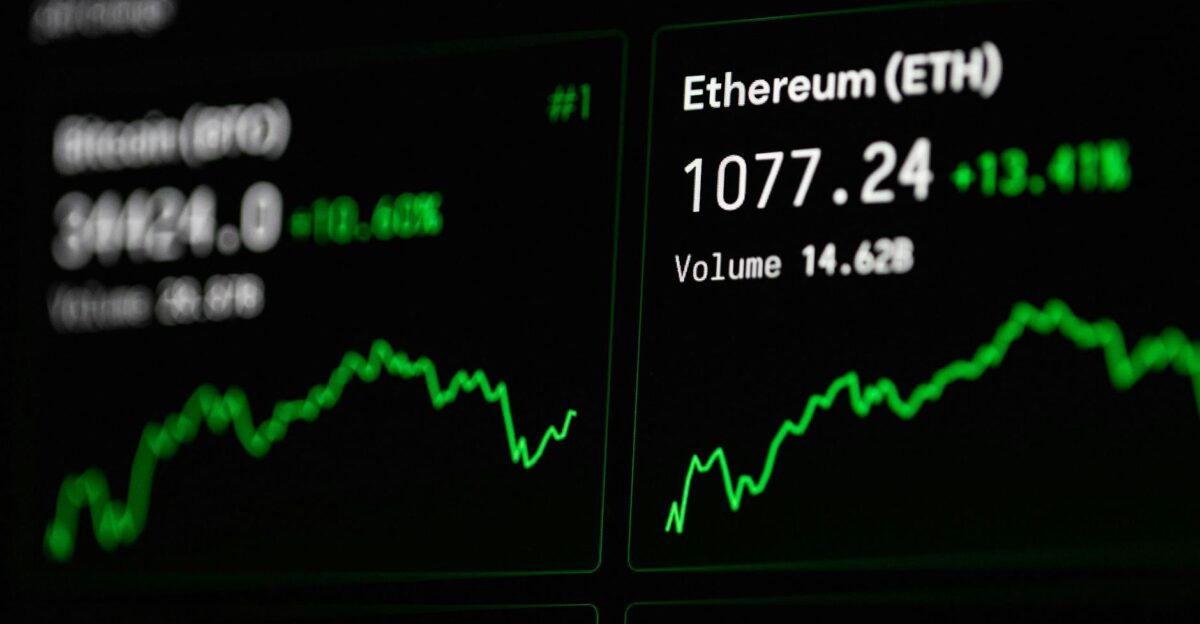
An Iran conflict could spike global oil prices, disrupt shipping through the Strait of Hormuz, and trigger worldwide market volatility. Iran controls roughly 4 percent of global oil supply; a conflict could cut or spike that production, affecting gas prices in the U.S. and worldwide inflation. European markets, already fragile, could suffer significantly.
China and Russia, both supportive of Iran diplomatically, might escalate tensions elsewhere (Ukraine, Taiwan) as a countermove. The economic stakes are as high as the military ones.
The Protester Movement
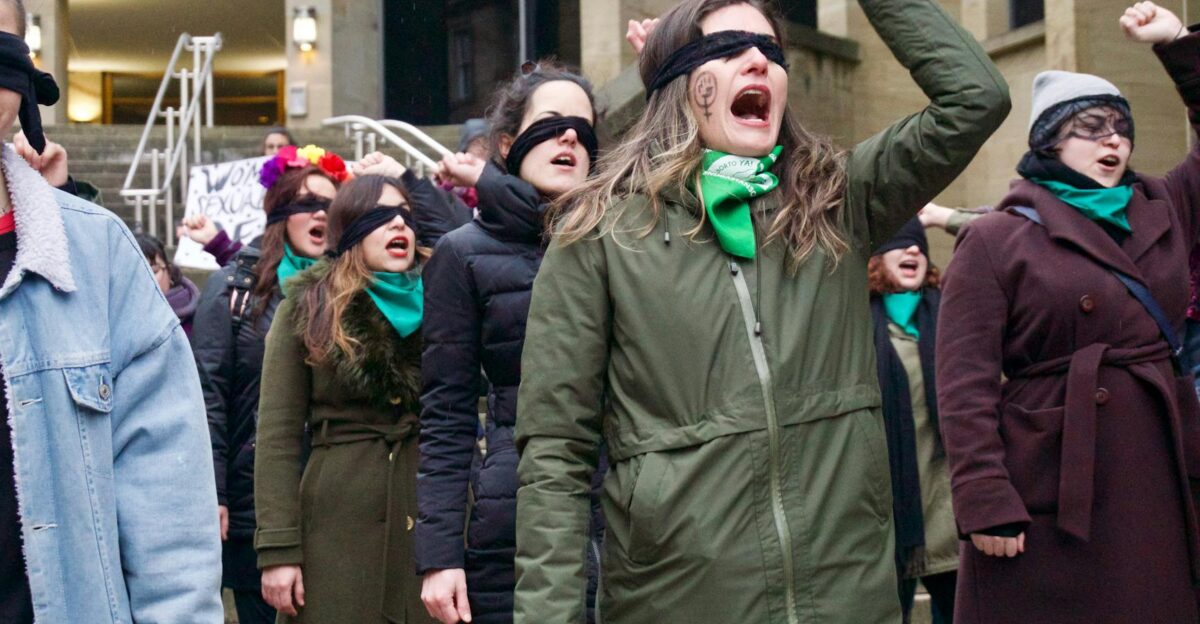
The protests themselves represent a generational shift in Iranian society. Demonstrators are predominantly young, urban, and digitally connected, using encrypted messaging and social media to coordinate despite government internet shutdowns.
They are demanding economic reform, personal freedoms, and an end to IRGC control. This grassroots energy, rather than external military intervention, may be the most significant pressure on the regime. The Trump administration’s calculus may hinge on whether internal change can outpace external strikes.
A Regime In Transition

Whether Trump strikes or holds fire, Iran’s regime faces a historic inflection point. Hundreds of thousands of people have mobilized against it; regime elites are smuggling assets abroad; the banking system is under stress; and execution threats have generated international outrage.
The next few days will reveal whether Trump believes military force is necessary to accelerate this transition or whether he trusts that economic pressure, internal unrest, and international isolation will achieve regime change without a shot being fired. The outcome will reshape Middle East geopolitics for years.
Sources:
Reuters: “At least 2571 killed in Iran’s protests, US-based rights group HRANA says”
The Independent: “Trump ‘ready to push the button’ on airstrikes in Iran as US evacuates thousands of troops from Middle East bases”
U.S. Treasury Department: “Secretary Bessent Announces Sanctions Against Architects of Iran’s Brutal Crackdown”
BBC: “Who is Erfan Soltani, Iranian protester whose execution was reportedly postponed”
Air & Space Forces Magazine: “US Evacuates Al Udeid as Trump Weighs Action Against Iran”
New York Times: “Trump Says Iran Is Stopping Its Killings of Protesters”