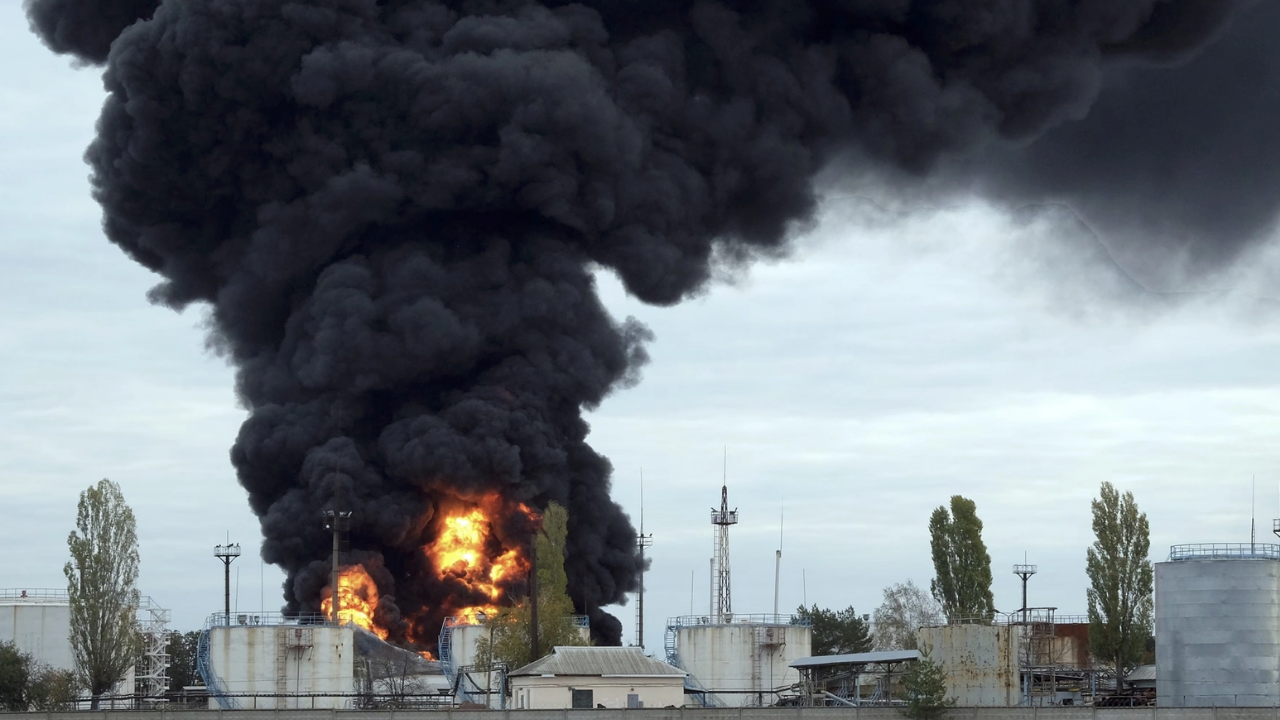
Explosions tore through the Atlant Aero defense plant in Taganrog, Russia, on the night of January 12–13, 2025, as Ukrainian missiles slammed into production buildings 80–150 kilometers from Ukrainian-controlled areas. Satellite images and videos showed flames engulfing industrial halls, marking a bold escalation in Kyiv’s deep-strike operations against Russia’s drone war machine.
Multi-Oblast Operation
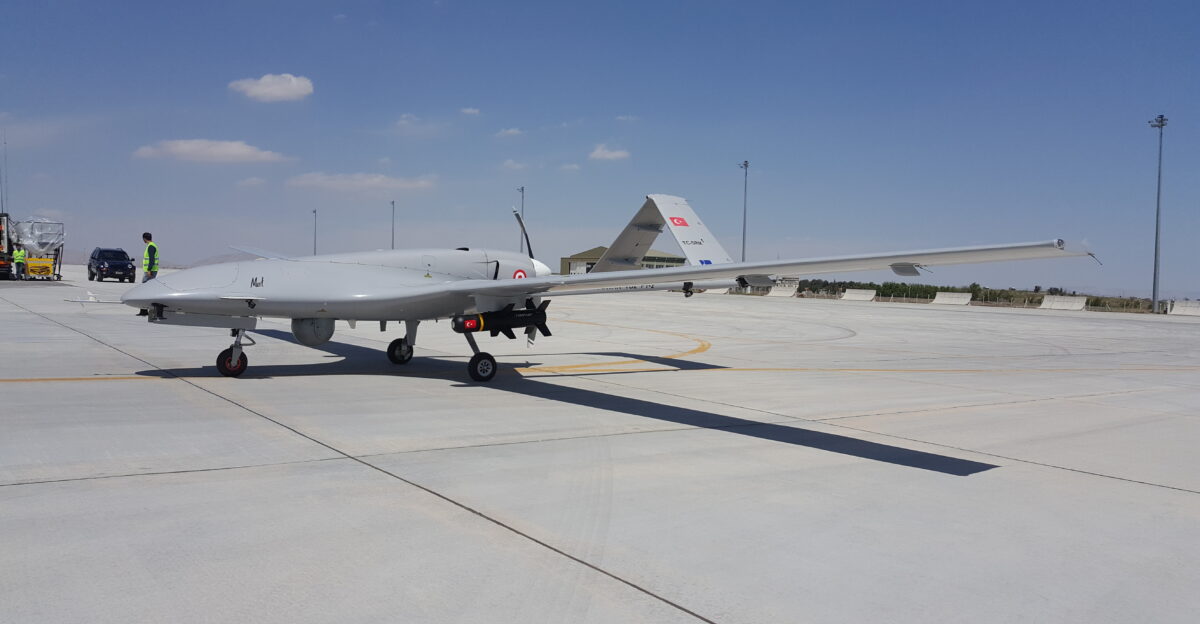
Ukrainian forces launched synchronized attacks across Rostov Oblast and occupied Zaporizhzhia and Donetsk regions. Targets included three Russian air defense systems, a radar station, an ammunition depot, and several troop concentrations. This coordinated effort highlighted Ukraine’s ability to pressure multiple fronts simultaneously, far from active battle lines, blending strikes on industrial sites, defenses, and ground forces.
Russia’s Drone Surge
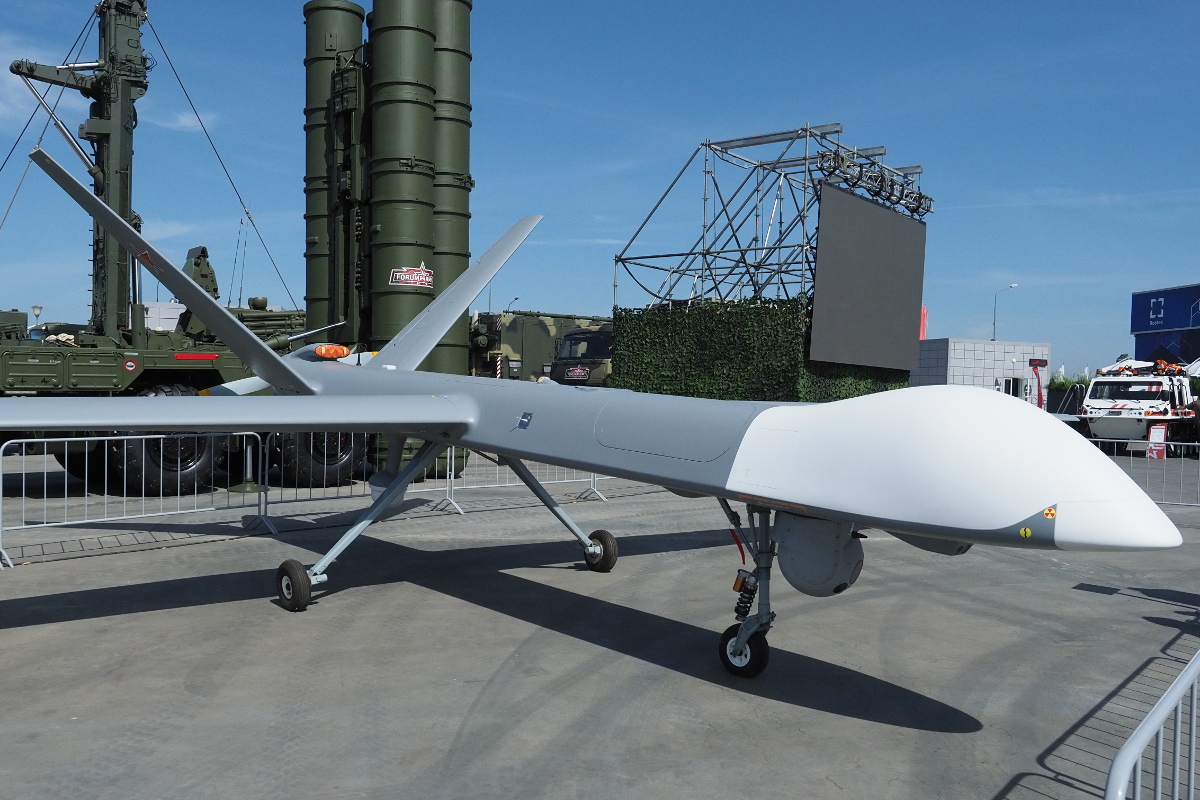
Russia ramped up drone production in 2025, manufacturing 3–4 million units and about 2,500 missiles—more than double the 2024 total. By September, output exceeded 34,000 strike drones and decoys, nearly nine times the prior year’s rate. Nightly barrages, peaking at 6,297 launches in July and stabilizing around 5,300–5,500 monthly, rely on volume to saturate Ukrainian defenses. Such scale underscores why Ukraine prioritizes disrupting production hubs.
Russian drones depend on imported components like batteries, processors, navigation systems, and communications gear, primarily from China. Ukrainian strikes now focus on factories, warehouses, and logistics points feeding this network. Even limited hits delay assembly and launches, amplifying costs through rerouting. These vulnerabilities extend beyond battlefield attrition to the broader industrial base sustaining Moscow’s aerial assaults.
The Taganrog Strike
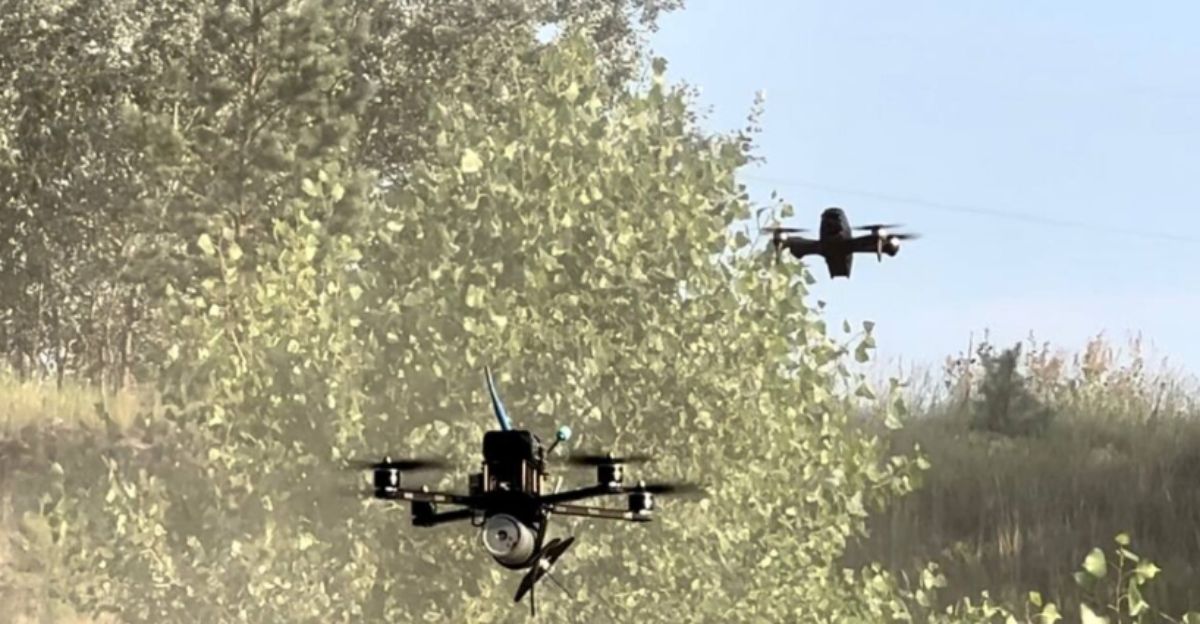
At Atlant Aero, missiles ignited fires near facilities producing Molniya-series fixed-wing FPV drones and parts for Orion UAVs, used in attacks on Ukrainian cities and infrastructure. Though smaller than sites like Alabuga, the plant forms a vital link in Russia’s drone ecosystem. The precision hit, deep in Russian territory, exposed rear-area risks and forced resource shifts toward protection and repairs.
Atlant Aero is characterized as a smaller production facility compared to major Russian drone plants like Alabuga, which produces thousands of units monthly. Based on verified production benchmarks from similar-sized facilities, smaller Russian drone plants typically produce between 10-100 units monthly. The facility’s output is estimated at approximately 20 UAVs per month, placing it at the lower end of this range for specialized drone component and assembly operations.
Production and Defense Impacts
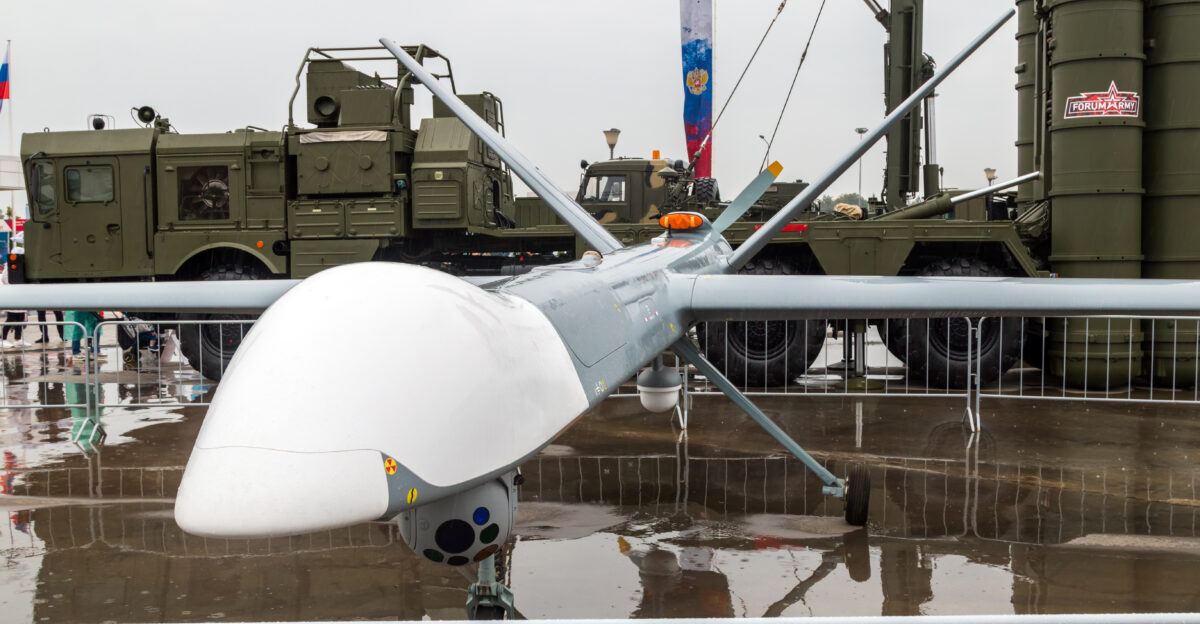
The strike likely caused short-term halts at Atlant Aero, which focuses on specialized FPV and UAV components rather than mass Shahed production. Concurrently, Ukraine destroyed two Tor air defense units, one Tunguska system, and a P-18-2 Prima radar, eroding coverage over key sites. In occupied areas, an ammunition depot vanished along with troop clusters, potentially removing hundreds of tons of ordnance and weakening frontline logistics. These losses create openings for follow-on attacks.
Russia’s output remains robust despite disruptions, with 2,599 long-range launches in January 2025 alone. Labor expansion, including foreign workers from Africa, Latin America, and Asia for sites like Alabuga, supports goals of 1.5 million drone operators by 2030. Yet sanctions and strikes on components may constrain growth, as monthly launches plateau. Ukraine’s approach imposes friction without fully halting production.
Ukraine’s Counteroffensive Logic
Kyiv blends homegrown missiles with Western aid from the U.S., UK, Denmark, and Netherlands to sustain operations, though procurement delays pose challenges. Strikes like Taganrog elevate costs—financial, operational, and psychological—forcing Russia to disperse facilities and defenses. Cumulative effects could erode Moscow’s drone tempo over time.
The war’s trajectory hinges on this industrial duel. Ukraine’s deepening reach tests Russia’s resilience, built on distributed manufacturing and Chinese supplies. Sustained pressure on factories, defenses, and chains may shift the balance, compelling Moscow to prioritize survival over offense.
Sources:
Ukraine’s General Staff via Ukrinform, Drones attack military and aircraft repair plants in Taganrog Russia, January 13, 2026
United24 Media, Drone Strike Hits Atlant Aero Facility Linked to Molniya and Orion UAV Production in Russia, January 12, 2026
New Eastern Europe, Kremlin’s drone surge in 2025 and its hybrid threat to Ukraine and Europe, October 16, 2025
ISIS-Online, Monthly Analysis of Russian Shahed-136 Deployment Against Ukraine, November 2025
CSIS, Drone Saturation: Russia’s Shahed Campaign, 2025
Institute for the Study of War (Understanding War), Russian Offensive Campaign Assessment January 13, 2026