
A nation of 90 million people went dark in the blink of an eye. January 8, 2026. Thursday night. Iran’s government severed the internet completely—not just the regular kind, but satellite too. They cut off cell phones. Shut down banks. Silenced social media.
Then they came for Starlink, using military-grade jamming equipment to cripple the one lifeline protesters used to tell the world what was happening in the streets. The regime’s message was clear: we control the narrative, and you will not speak.
Largest Protests in 47 Years
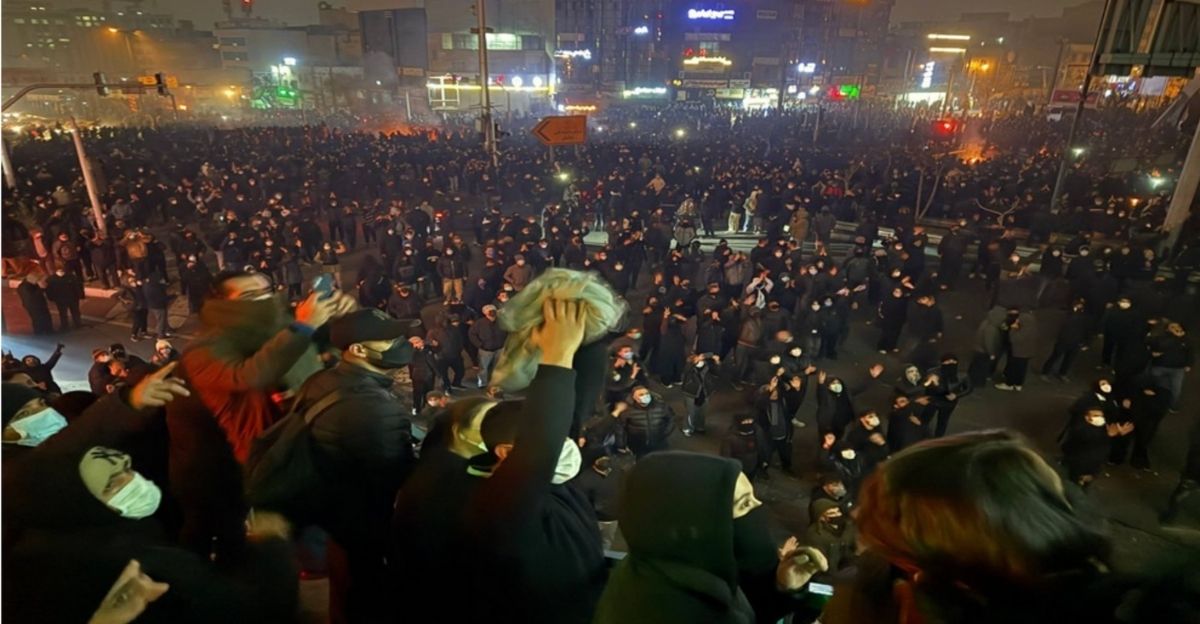
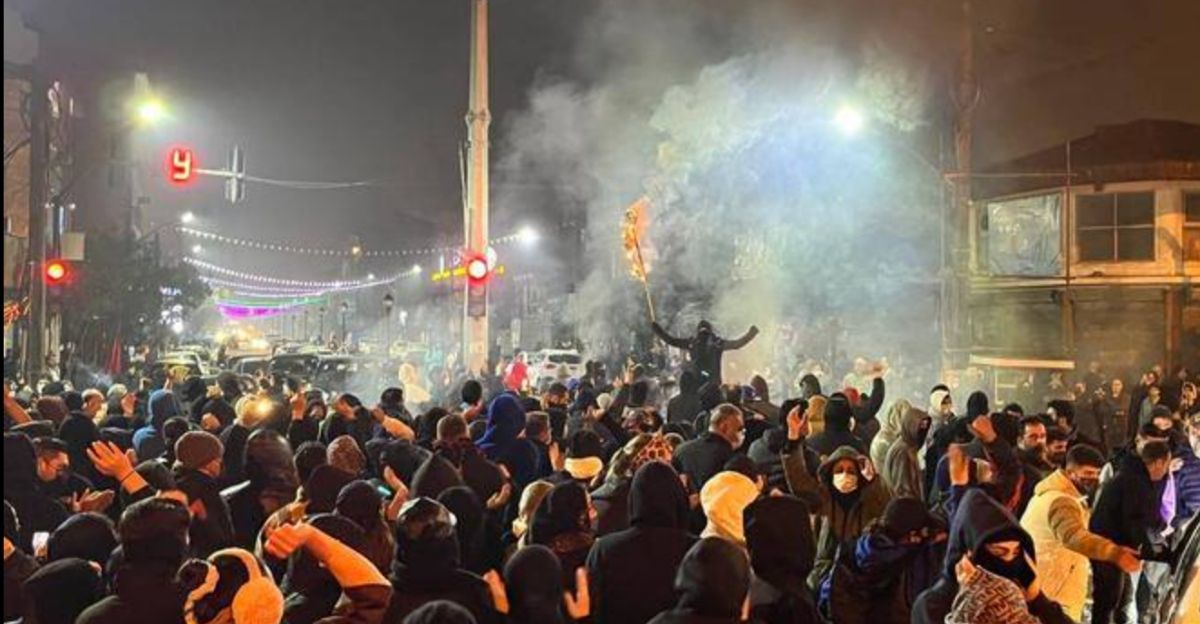
This wasn’t a small uprising. Demonstrators flooded cities across Iran—Tehran, Mashhad, Isfahan, Shiraz—in numbers unseen since the 1979 revolution itself. Triggered by economic collapse and inflation that made ordinary life impossible, the anger spiraled into something far bigger: a direct challenge to the regime’s survival.
Protesters chanted “Death to the dictator” and waved flags from Iran’s pre-revolutionary past, evoking a nation the current government replaced decades ago.
The Desperate Search for Connection
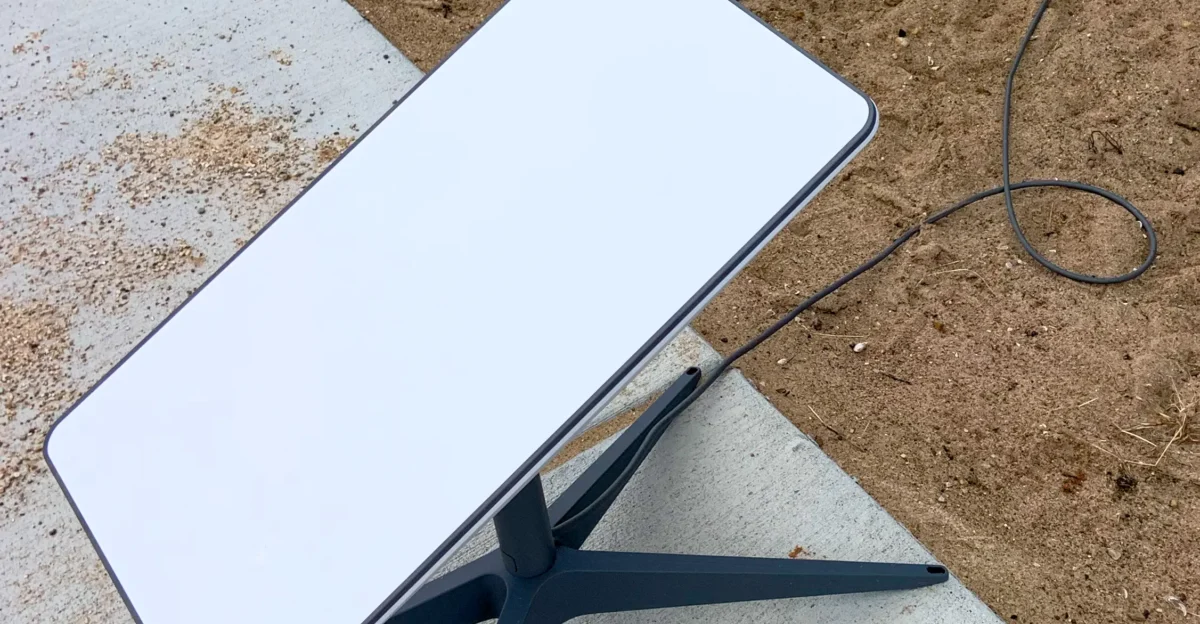
In the blackout, one technology became a lifeline: Starlink. Activists, journalists, and ordinary people with smuggled dishes risked arrest to send images of security forces massacring unarmed demonstrators.
“Starlink is pretty much the only way to connect, to send news out of the country,” said Mehdi Yahyanejad, co-founder of NetFreedom Pioneers. “It’s been very critical. All these videos and pictures that have come out in the past few days have been sent out through Starlink”. Without it, the regime’s crackdown would happen in complete darkness.
World’s Largest Satellite Constellation
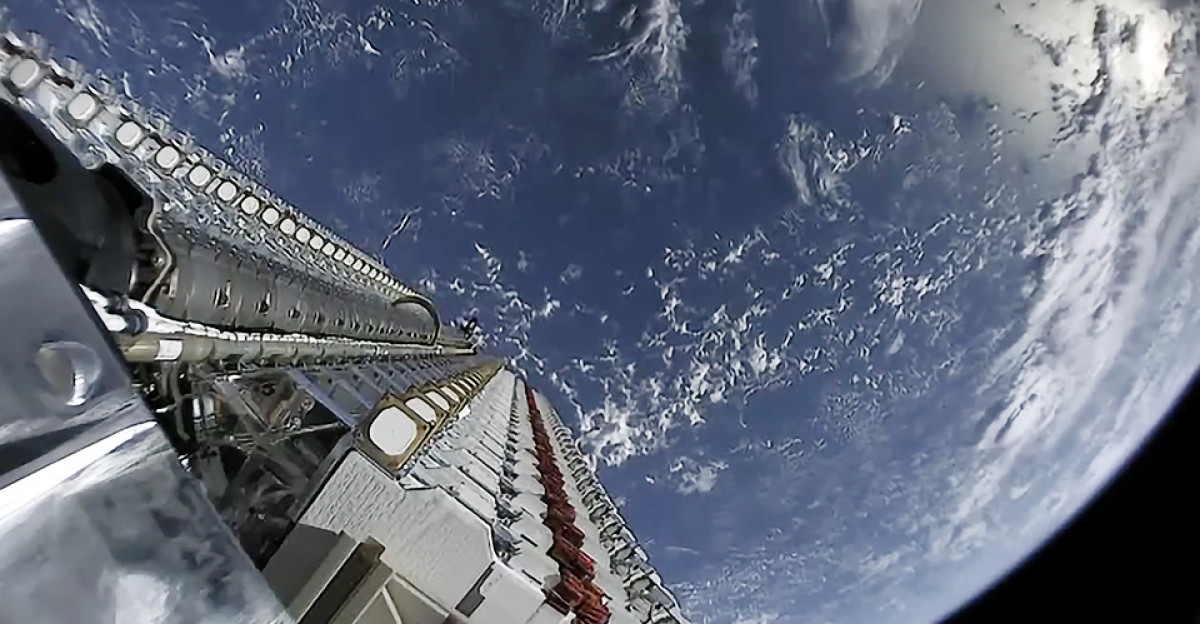
Elon Musk’s Starlink operates more than 9,000 satellites in low-Earth orbit—by far the world’s largest private orbital infrastructure. Unlike terrestrial networks, which Iran’s government controls with a switch, Starlink beams internet directly from space, bypassing every checkpoint and censor that the regime has erected.
This technological advantage made it nearly impossible for Iran to block entirely. But it also made Starlink something unprecedented: a private company more powerful than a government when it comes to information freedom.
Military Grade Jamming Deployed
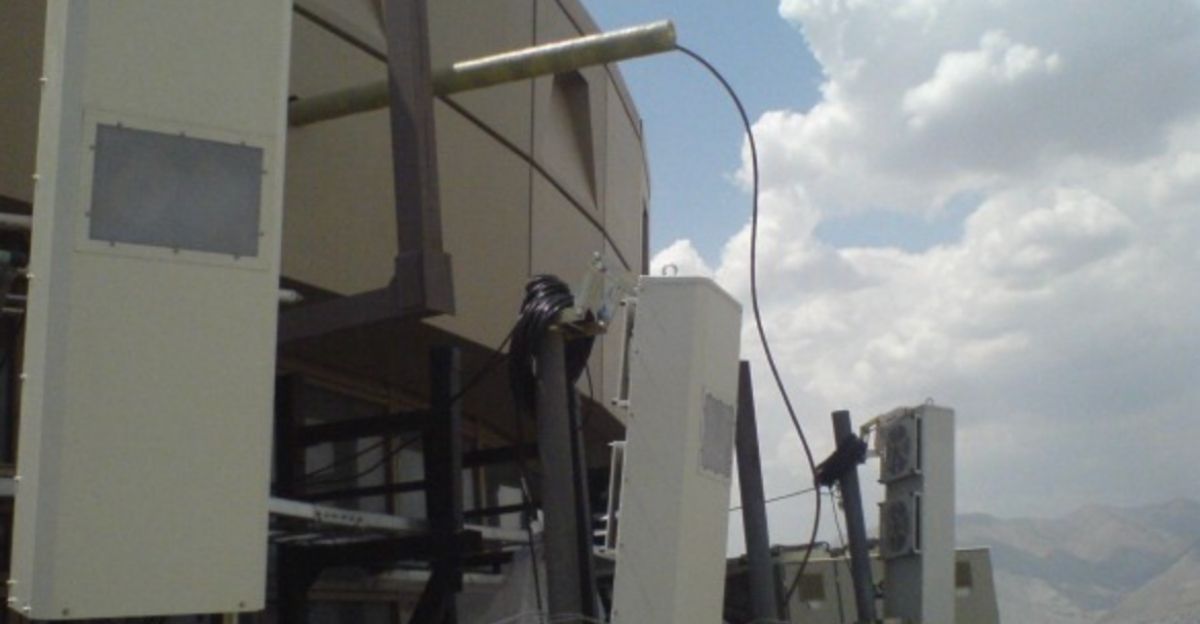
Iran’s response escalated fast. By Saturday, January 10, the regime deployed military-grade jamming equipment specifically targeting Starlink’s upload capability. Amir Rashidi, Director of Digital Rights at the Miaan Group, documented the assault, reporting packet loss of 30 to 80 percent in different zones.
“This is electronic warfare,” Rashidi said. The jamming was designed not to block Starlink entirely, but to make it unstable and slow—just barely functional enough to seem useless.
Russia’s Shadow in Iran’s Arsenal
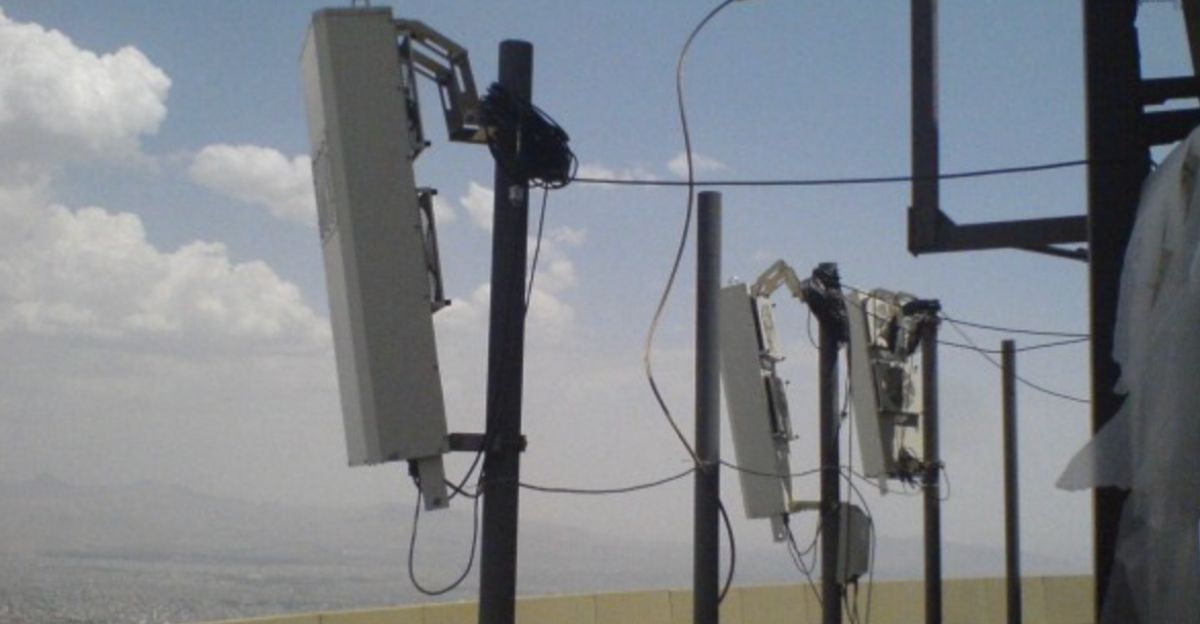
Experts believe Iran obtained the sophisticated jamming technology from Russia, which has used identical equipment against Starlink terminals on Ukrainian battlefields. The military-grade jammers represent a chilling escalation beyond Iran’s previous GPS jamming efforts and showcase how authoritarian regimes are now developing counter-Starlink weapons.
For the first time, nation-state electronic warfare was being deployed specifically against satellite internet—a warning to every activist and refugee depending on Starlink worldwide.
The Phone Call From Air Force One
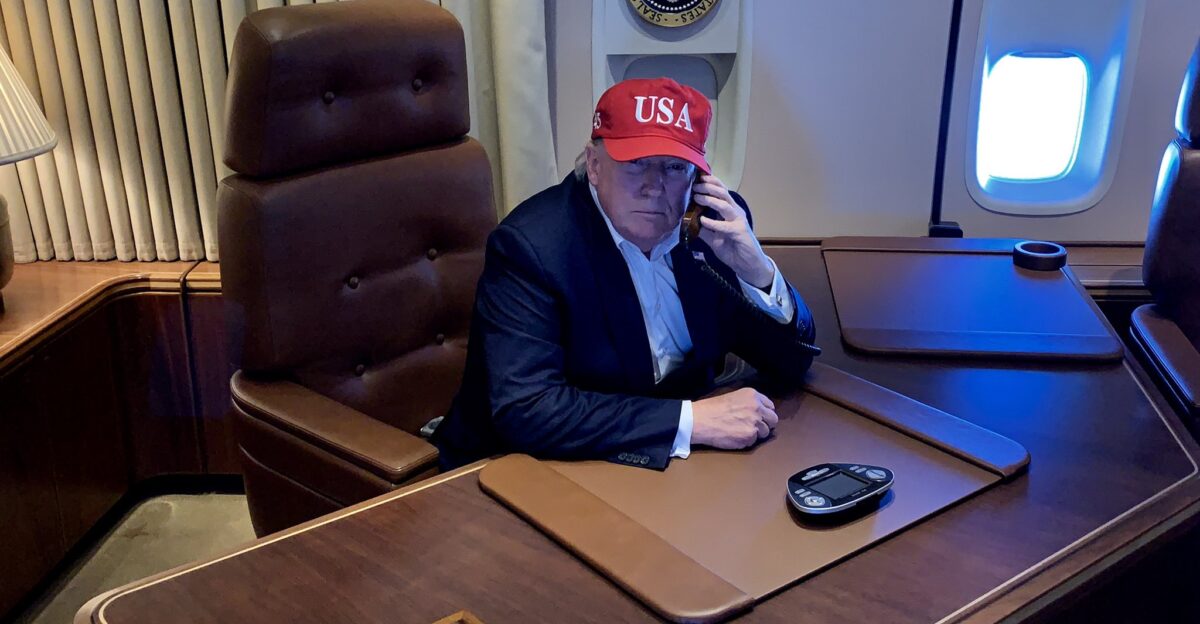
On Sunday, January 11, Trump boarded Air Force One with his answer ready. He told reporters he would call Elon Musk about restoring internet access in Iran. “We may get the internet going if that’s possible. I’m going to call him as soon as I’m finished with you,” Trump said.
What seemed impossible weeks earlier—a U.S. president openly enlisting a billionaire tech CEO to break a foreign government’s internet shutdown in real-time—was becoming reality.
Musk Says Yes

White House Press Secretary Karoline Leavitt confirmed the conversation took place. Trump had asked Musk to help. Musk said yes. By Sunday afternoon, SpaceX engineers had been authorized to work overtime developing technical countermeasures against Iranian jamming.
The company began reactivating inactive user accounts and waiving subscription fees. For the first time, a private satellite company was openly coordinating with a U.S. president to break a nation-state’s internet blockade.
100,000 Dishes, 100,000 Risks
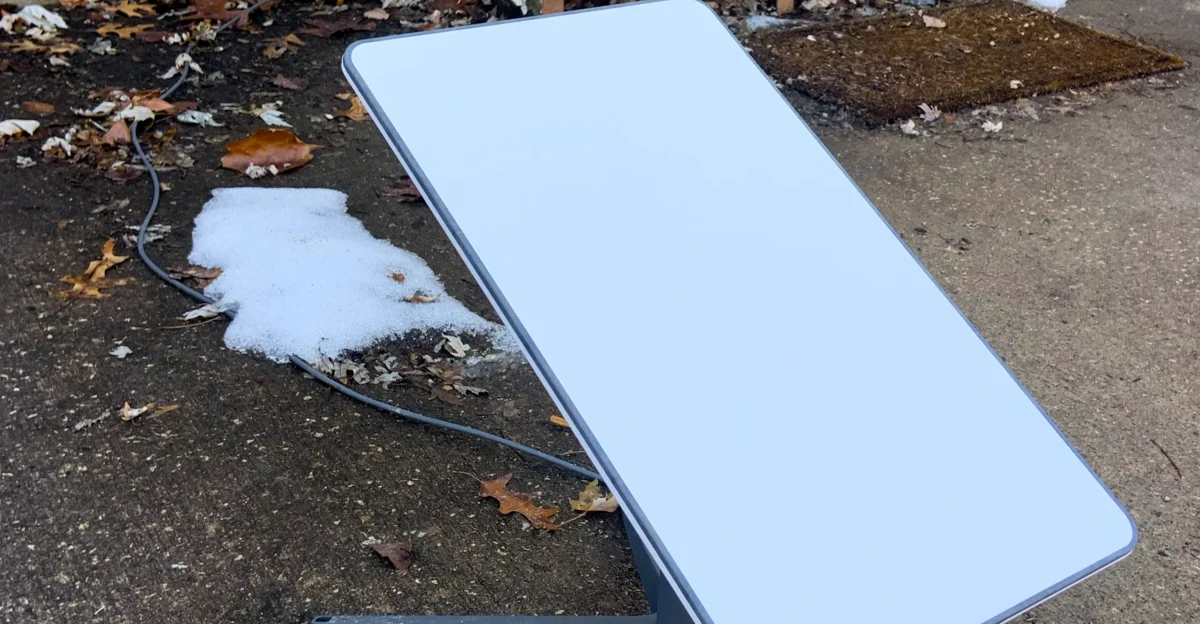
An estimated 100,000 Starlink terminals were hidden across Iran—smuggled through Kurdish and Baloch mountain passes, buried in truck beds, hidden in fuel tanks. Each dish represented someone willing to risk prison or death.
On the black market, a single terminal sold for $2,000, roughly 20 times Iran’s average monthly wage. These weren’t wealthy tech enthusiasts. They were activists, journalists, and ordinary people risking their lives so that one dish could pierce the regime’s total information control.
The Crackdown at Doorsteps
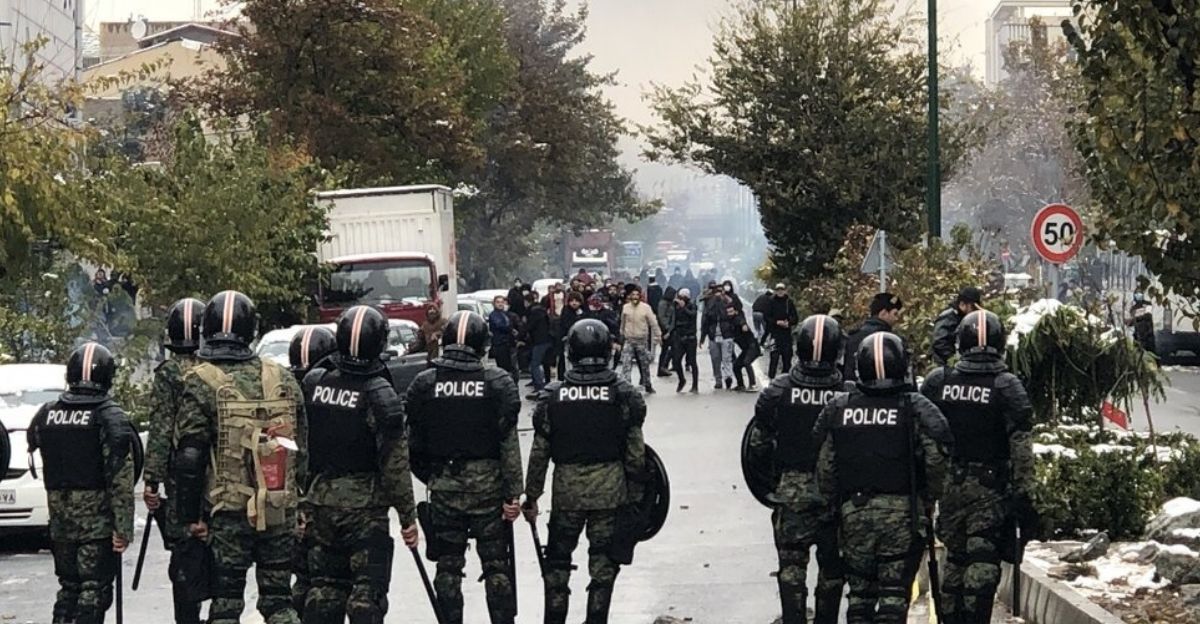
As jamming failed to eliminate Starlink entirely, Iranian security forces conducted door-to-door searches. Over the weekend, authorities in western Tehran used drones to patrol rooftops, hunting for satellite dishes.
Once found, they confiscated the equipment and arrested the owners. Under a 2025 Iranian law, possessing Starlink is classified as espionage, punishable by up to ten years in prison.
Bodies At The Morgue
The death toll remained unknowable because the communications blackout obscured everything. But verified video from a Tehran suburb showed at least 400 bodies stacked at a morgue, many bearing gunshot wounds, shrapnel injuries, and trauma from heavy weapons.
Eyewitness accounts described security forces and Revolutionary Guard troops using assault rifles and machine guns against largely unarmed demonstrators. Human rights groups estimated between 538 and 20,000 deaths, but the blackout made verification impossible.
Information as a Weapon
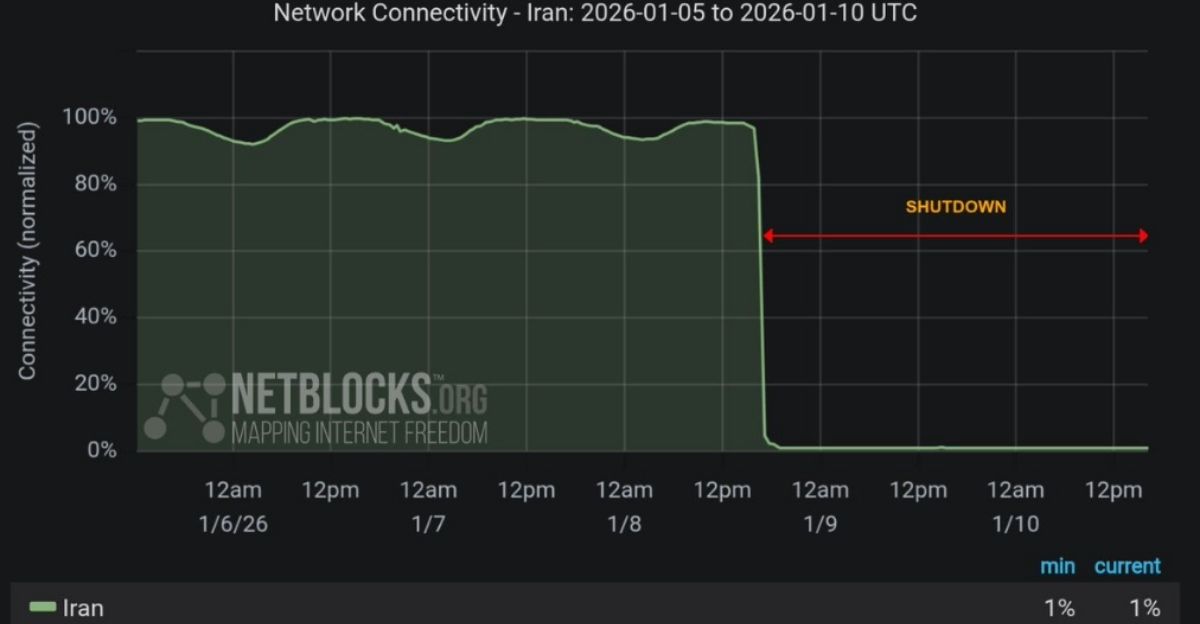
By cutting communications, Iran’s regime achieved two objectives simultaneously: silencing protesters and preventing the outside world from knowing the crackdown’s true scale. Without verified footage, world leaders couldn’t respond proportionally to atrocities.
Activists couldn’t organize. Families couldn’t reach loved ones. The blackout was the regime’s most powerful weapon—more effective than jamming, arrests, or bullets.
The United Nations Backs Iran

Months before the protests, Iran’s government had complained to the U.N. International Telecommunication Union that Starlink was operating without authorization. Last year, the ITU sided with Iran, ordering Starlink to disable its terminals in Iran.
But the ruling was toothless. Starlink continued operating because the ITU has no enforcement power, and Musk refused to comply. For the first time, international law had sided with a nation against Musk—and lost.
One Hour Becomes 24

By Tuesday, January 13, SpaceX took unprecedented action. The company extended free trial periods from one hour to 24 hours for all new Iranian users. Existing accounts were reactivated without payment.
It was a deliberate escalation: Starlink wasn’t just staying operational in Iran; it was actively facilitating the regime’s opposition.
The Flag Emoji

On Friday, January 9, Elon Musk’s platform X replaced Iran’s official flag emoji with the Lion and Sun symbol—the flag Iran used before 1979. The change applied globally, meaning even Iranian officials and state media now displayed the pre-revolutionary emblem.
For protesters, it was a symbolic victory. For the regime, it was Musk mocking them on their own digital streets.
Venezuela Sets the Precedent

Starlink had deployed a similar free service in Venezuela until February 3, 2026, following the U.S. military action that led to the capture of President Nicolás Maduro. That playbook worked: free internet reached activists, the regime was unable to stop it, and American foreign policy achieved soft-power dominance without firing a shot.
Iran’s crisis simply repeated the pattern with even higher stakes and faster execution. SpaceX was becoming a tool of American geopolitics, and it was winning.
The Cat and Mouse Game

NasNet, an organization promoting Starlink in Iran, reported significant progress by Tuesday: jamming interference dropped from 35 percent to 10 percent in some areas. But the breakthrough came with a warning: “Conditions may fluctuate or worsen again”.
This wasn’t a solution; it was a temporary advantage in a real-time electronic war between SpaceX engineers and Iran’s military hackers.
Military Options on the Table
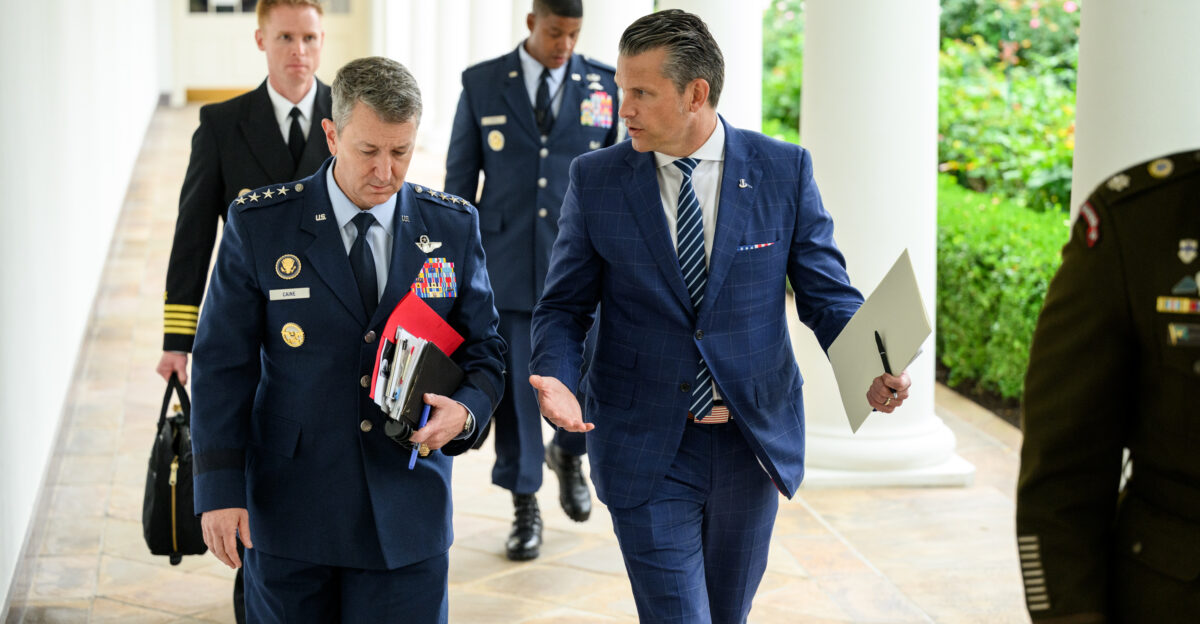
Trump made clear that diplomacy was just the opening move. “A meeting is being set up. But we may have to act before the meeting,” he told reporters. Defense Secretary Pete Hegseth and Joint Chiefs Chairman Dan Caine briefed Trump on options including cyber weapons, additional sanctions, and military strikes.
The U.S. president was weighing intervention partly based on Starlink footage of the crackdown—images that would have remained invisible without those 100,000 hidden dishes.
A Window Into Atrocity
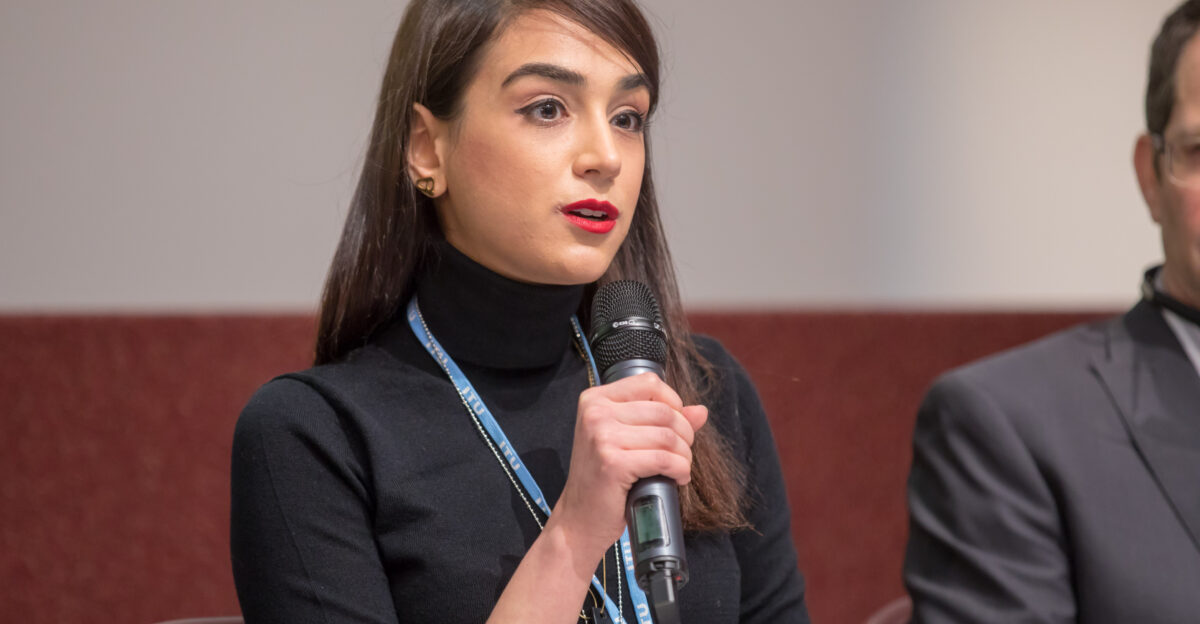
Mahsa Alimardani, a technology specialist at the human rights organization Witness, framed the stakes simply: every minute Starlink stays operational in Iran is a deterrent to further regime violence. “If that window could be expanded, it could be a boon and even a deterrent to the regime in its efforts to commit what is likely going to be labelled an atrocity under a blackout”.
Starlink wasn’t just internet; it was evidence. And evidence changes everything.
The Lifeline That Refuses to Die
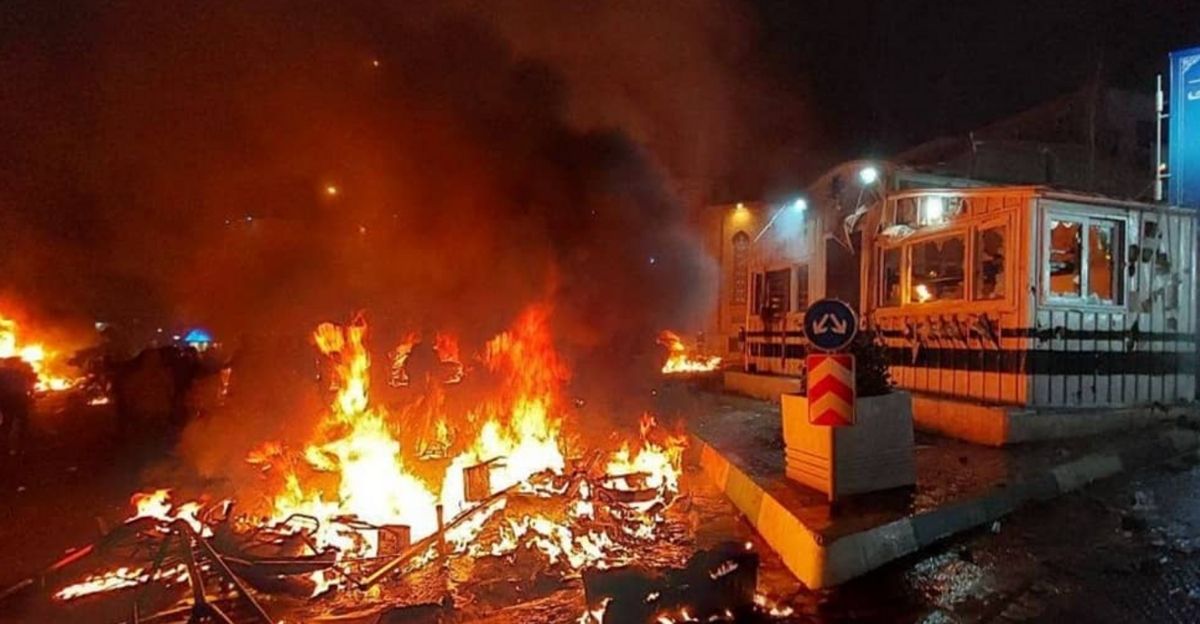
As Iran’s regime battles Starlink, the battle itself reveals something seismic: one billionaire’s satellite network now wields more power than government censors to shape what the world sees. For Iranians sending videos of regime violence through Starlink terminals hidden in basements and attics, the connection represents defiance itself.
They may be jammed, hunted, and imprisoned—but their pictures are leaving the country. In the darkness of Iran’s blackout, Starlink remains the last voice of a silenced nation.
Mehdi Yahyanejad, NetFreedom Pioneers co-founder, interview on Starlink connectivity in Iran, January 2026
Amir Rashidi, Miaan Group director of digital rights, documentation of Iranian jamming interference, January 2026
Ahmad Ahmadian, Holistic Resilience executive director, confirmation of Starlink free service expansion, January 2026
White House Press Secretary Karoline Leavitt, statement on Trump-Musk coordination, January 2026
Mahsa Alimardani, Witness technology specialist, analysis of Starlink as deterrent to regime violence, January 2026
NasNet organization, report on jamming interference reduction in Iran, January 2026