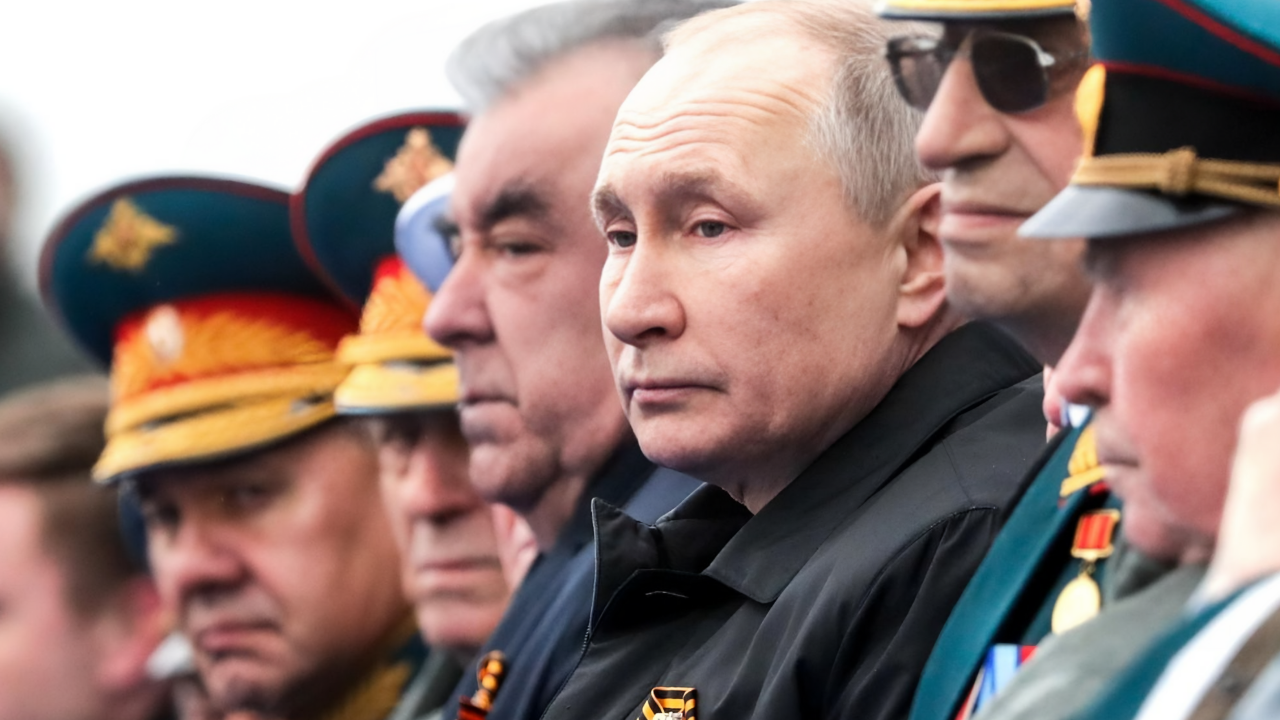
Vladimir Putin issued a stark warning on December 17 before Russia’s Defense Ministry: without negotiations from Ukraine and the West, Russia would seek the “liberation of its historical lands by military means.” Six intelligence sources confirmed to Reuters that his aims stretch beyond Ukraine into European areas, a view US agencies had shared privately for months and which Putin now voiced publicly.
Trump’s Claim vs. Intelligence Reality
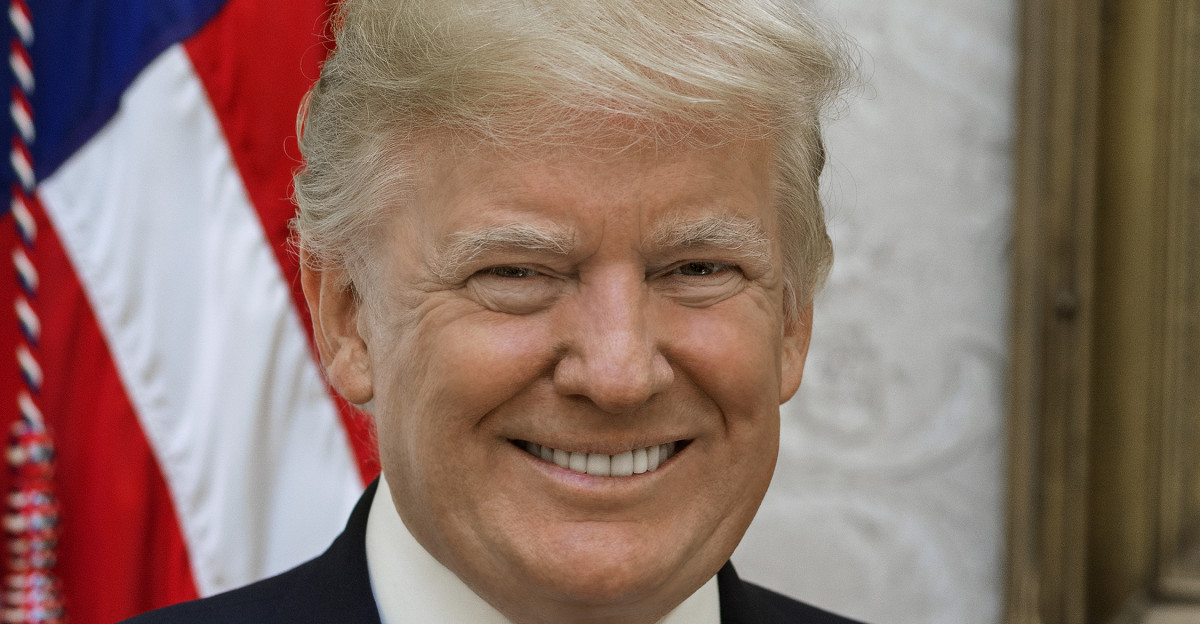
President Trump posted on Truth Social on January 6, 2026, stating, “Without my involvement, Russia would have all of Ukraine right now.” Yet that day, his intelligence agencies released assessments contradicting this. Classified reports from late September 2025 indicated that Putin’s territorial goals remained unchanged and possibly even grew. The discrepancy left open whether Trump had halted Russian advances or if intelligence assessments missed the mark.
Poland and the Baltics Fear They’re Next

Democratic Congressman Mike Quigley noted in December 2025 congressional briefings that intelligence indicated Putin sought more territory. “The Europeans are convinced of it. The Poles are absolutely convinced of it. The Baltics think they’re first.” This aligned with US assessments shared with allies, heightening concerns in those nations.
In his December speech, Putin referenced “Novorossiya,” a Czarist term covering half of modern Ukraine, including the Black Sea coast and cities like Odesa and Kharkiv—eight regions total, beyond the five he mentions in talks. Western analysts identified this dual-map approach, signaling broader ambitions.
Russia Accelerates Territorial Gains
Russia holds about one-fifth of Ukraine, with near-total control in Luhansk at 99.6 percent, Donetsk at 78.1 percent, Zaporizhzhia at 74.8 percent, Kherson at 72 percent, and Crimea at 100 percent. These areas include key industrial zones, ports, and energy hubs. In 2025, Russia seized around 6,000 square kilometers—roughly the size of Delaware—surpassing the gains from 2023 and 2024 combined. Putin cited 5,000 square kilometers in October, but independent reviews suggest a higher figure.
Recent strikes underscore the pace. On January 8-9, Russia fired 242 drones and 36 missiles—278 weapons total. Ukraine downed or jammed 87 percent, or 244 targets, but 18 missiles and 16 drones hit 19 sites. In Kyiv, a 6 a.m. attack on residences killed four, including paramedic Serhii Mykolaiovych Smoliak, 56, who aided victims. A follow-up strike wounded 25, including five rescuers, and cut heating to nearly 6,000 buildings amid cold weather.
Trump’s Hidden Escalation
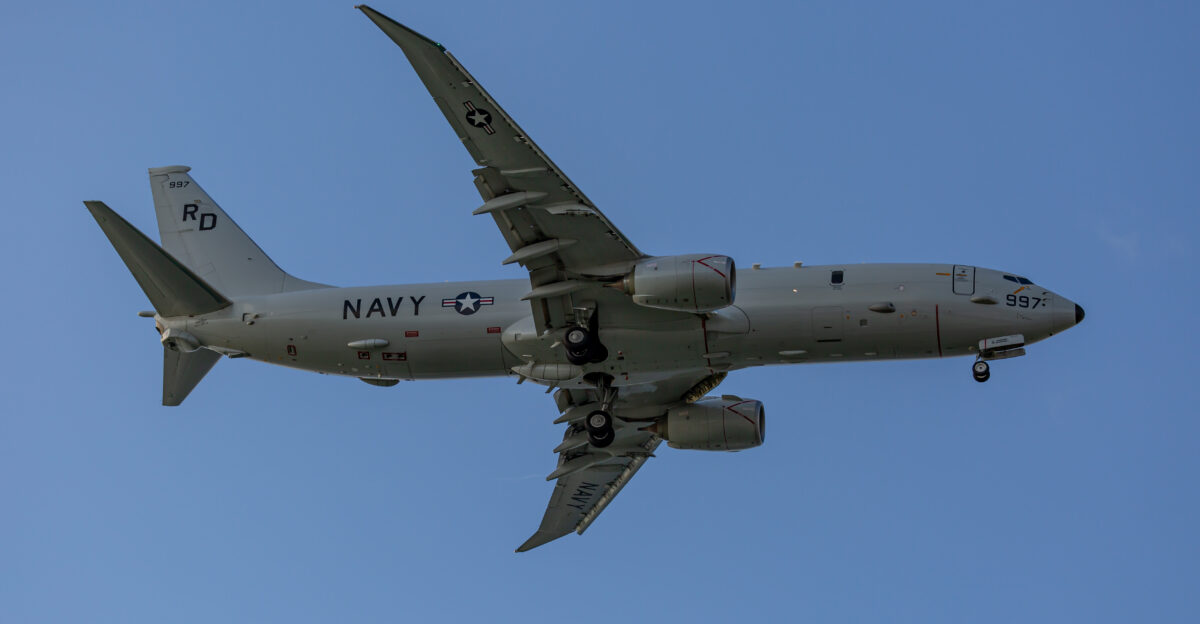
As attacks raged, US forces on January 8 seized the Russian tanker Marinera in the Atlantic. Navy P-8 aircraft and AC-130 gunships encircled it; Coast Guard boarders confiscated sanctioned oil. Russia dispatched a warship, but US gunships held position—amid Trump’s public peace push.
Trump’s December 2025 National Security Strategy aimed for “strategic stability with Russia” and opposed NATO’s expansion; the Kremlin deemed it aligned. Yet eight days later came the tanker seizure. Secretary of State Marco Rubio admitted on December 19, 2025, “I don’t know if Putin wants to do a deal or if Putin wants to take the whole country.” He added Russia had not met 2022 goals, raising doubts on the durability of any truce.
Trump advisors Jared Kushner and Steve Witkoff proposed a 20-point plan, urging Ukraine to cede Donetsk. Zelenskyy refused. US pledges included air patrols and Senate approval, but no firm defense commitment.
Upcoming talks in Miami this weekend pit Ukraine’s ceasefire hopes against Russia’s territorial demands and Trump’s deal-making. US intelligence eyes risks across 15 ex-Soviet states, plus possibly Finland and Poland, under Putin’s “historical lands” view, with no clear limits.
Russia’s Road Ahead
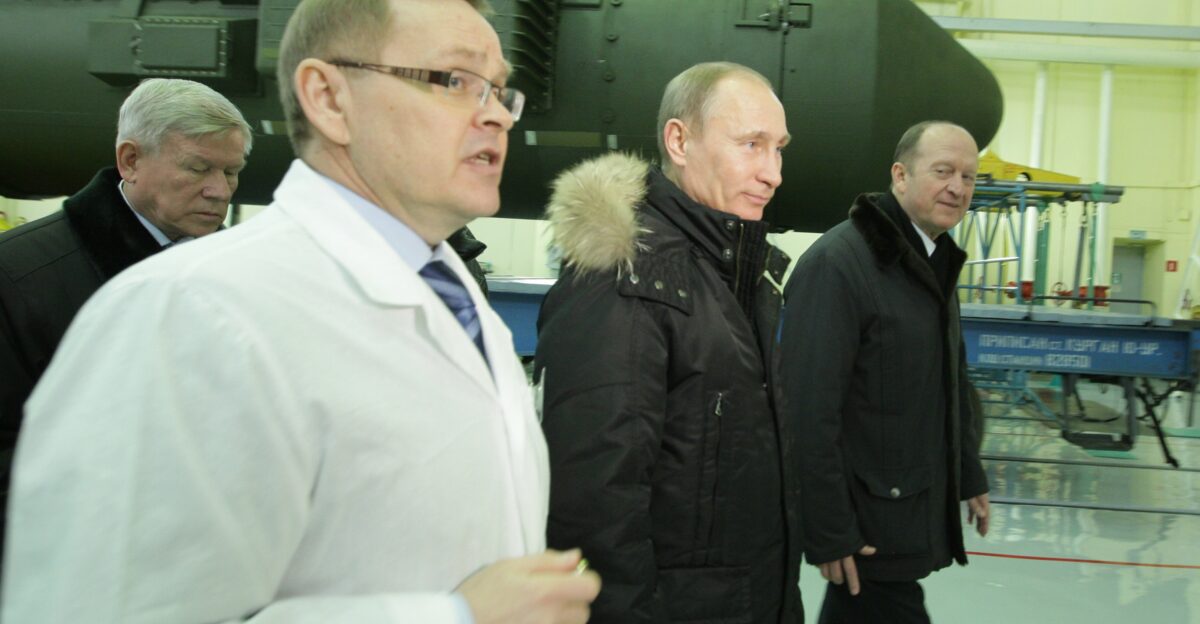
Russia is building 80,000 drone troops, aiming for 160,000 by late 2026, and producing over 400 long-range drones daily—106 percent above its 2025 goals. Fiber-optic models defy jamming. The New START Treaty expires on February 5, 2026, ending limits on 1,550 warheads each; no extension is in sight. The US commits $1.7 trillion over 30 years to nuclear upgrades—$108,000 per minute—for new submarines, bombers, and missiles.
Europe, particularly Poland and the Baltics, weighs in on whether Ukraine’s fall invites further moves, testing NATO’s Article 5 and prompting debates on independent defenses. Miami’s outcome could reshape Ukraine’s borders and Europe’s security framework.
Sources:
“The Confession Nobody Heard” – Reuters (six intelligence sources confirmed Putin’s territorial intentions)
Putin’s December 17 Defense Ministry speech – Kremlin official statement
Trump Truth Social declaration, January 6, 2026 – Trump official platform
US classified intelligence assessments, late September 2025 – US intelligence agencies
Congressional intelligence briefings, December 2025 – House Intelligence Committee (Rep. Mike Quigley)
Secretary of State Marco Rubio remarks, December 19, 2025 – US State Department official statement