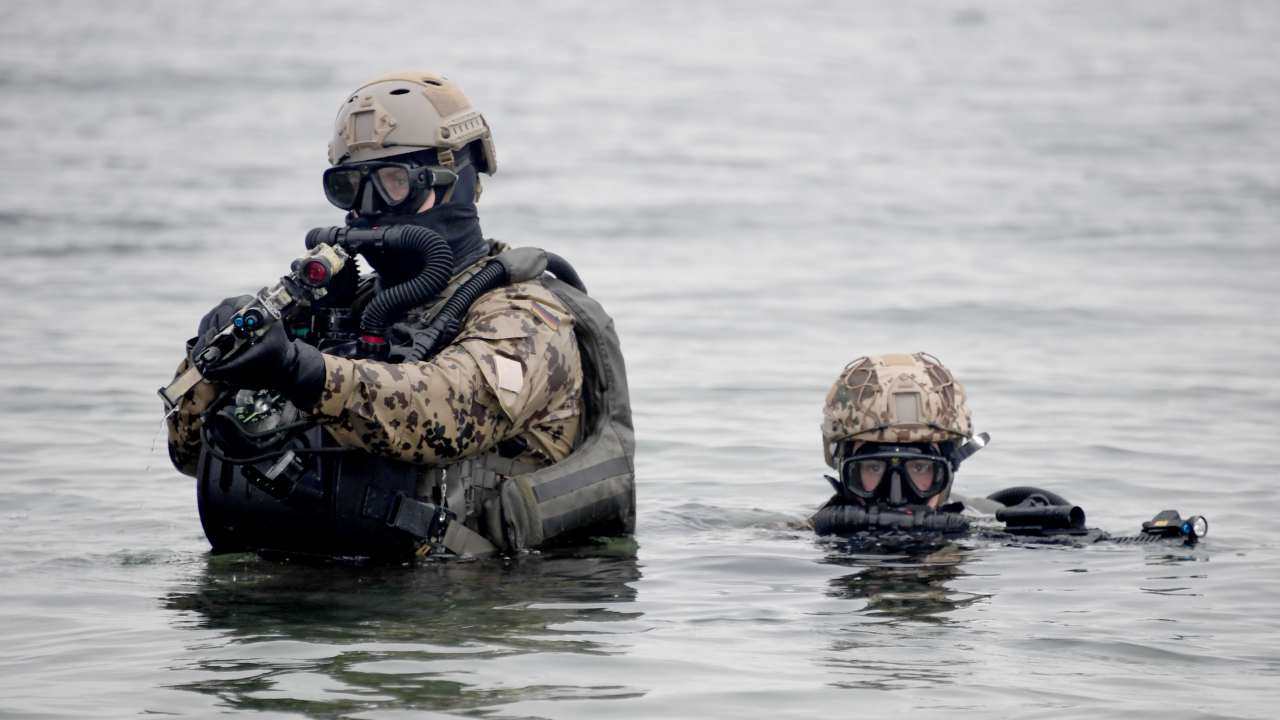
President Donald Trump’s January 8, 2026, Fox News declaration—”We’re going to start now hitting land with regard to the cartels”—sent shockwaves through Mexico, signaling a dramatic escalation that could mark the first US ground military operations on allied Mexican soil since the 1916 Pancho Villa Expedition. The threat came mere hours after US Delta Force operators captured Venezuelan President Nicolás Maduro in Caracas, demonstrating Washington’s willingness to conduct deep-strike operations in Latin America.
From Sea to Land: Trump’s Expanding War
Operation Southern Spear, initiated in September 2025, has conducted over 35 maritime strikes in the Caribbean and eastern Pacific, eliminating more than 115 suspected traffickers according to US Southern Command. Trump has claimed—without independent verification—that nearly 97% of sea-borne drugs have been intercepted, though fact-checkers dispute this figure. Now, with Trump publicly threatening land operations, the focus could shift to cartel strongholds in Sinaloa, Jalisco, and border states where fentanyl production fuels over 100,000 annual US overdose deaths.
The White House justifies potential military action under Foreign Terrorist Organization (FTO) designations for six Mexican cartels, established February 20, 2025: Sinaloa, Jalisco New Generation (CJNG), Northeast, Gulf, United Cartels, and Michoacán Family. These labels equate cartels to groups like ISIS, enabling military responses typically reserved for terrorist organizations.
Venezuela Operation as Blueprint

Operation Absolute Resolve in Caracas offers a potential model: 150 aircraft, Delta Force teams, and approximately 70-100 casualties per Venezuelan government reports. This urban deep-strike success prompted Trump to threaten Mexican operations within 48 hours. Military analysts identify dozens of potential targets including leadership compounds, fentanyl labs in Sinaloa and Jalisco, Chinese precursor import ports like Manzanillo and Lázaro Cárdenas, border smuggling hubs, and weapons caches.
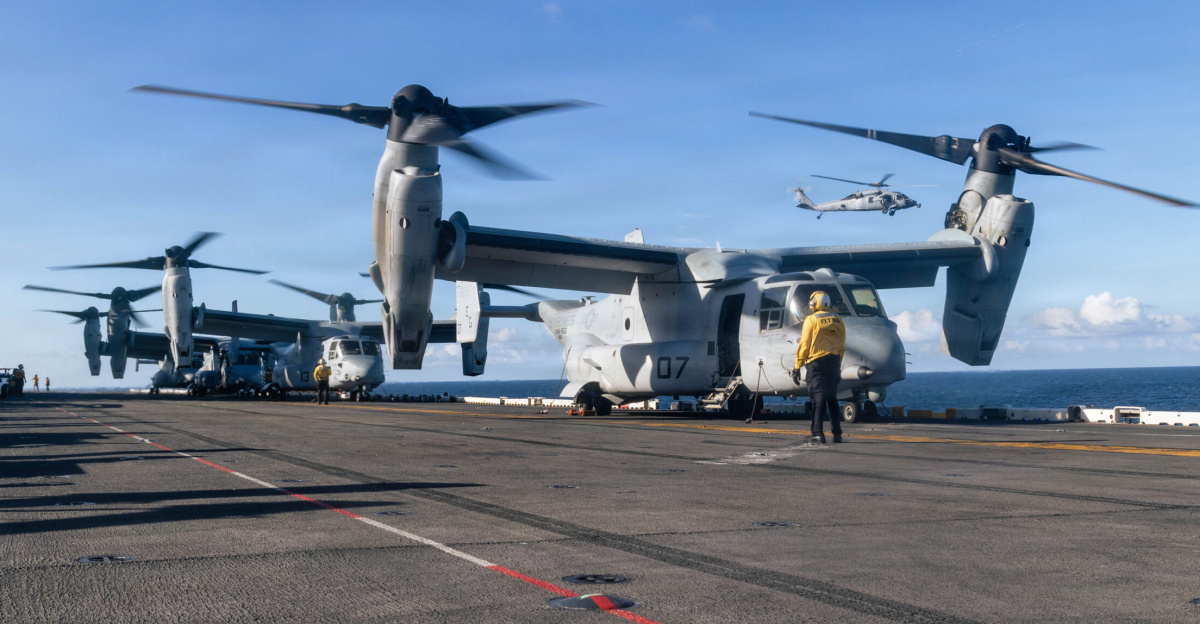
Assets positioned for rapid deployment include F-35 and F-22 fighters, MQ-9 Reaper drones, EA-18G Growler electronic warfare aircraft, the USS Gerald R. Ford carrier group, and US-based special operations forces that could launch from Texas, Arizona, New Mexico, or California within hours.
Mexico’s Defiant Response

President Claudia Sheinbaum has publicly rejected Trump’s overtures for US military intervention on Mexican soil. Trump confirmed he sought permission to deploy troops, which Sheinbaum refused. In response to the Venezuela raid and Trump’s threats, Mexico has deployed 10,000 National Guard troops to the border, accelerated trafficker extraditions, and coordinated high-profile enforcement actions with US officials, including a 1.6-ton cocaine bust in February 2025.
Sheinbaum is advancing constitutional amendments to explicitly ban foreign military operations on Mexican territory while simultaneously aligning economically with the United States. Her administration imposed 5-50% tariffs on Chinese goods ahead of the July 2026 USMCA review, attempting to demonstrate cooperation while defending sovereignty. A Mexican official privately told US media that the Venezuela raid placed their country squarely on Trump’s target list.
Legal and Diplomatic Minefield

Land strikes inside an allied nation would differ sharply from naval operations, posing exponentially greater civilian casualty risks and potentially violating international law. The Senate advanced a War Powers Resolution 52-47 on January 8, 2026, explicitly intended to curb unilateral military action following the Venezuela operation. The administration cites FTO designations and a December 15, 2025, executive order designating fentanyl a weapon of mass destruction as legal justification, but experts question whether these authorities extend to strikes in sovereign allied territory without consent.
The Sinaloa Cartel, fractured since the July 2024 US arrest of leader Ismael “El Mayo” Zambada, and CJNG, operating across 27 of Mexico’s 32 states with drones and heavy weapons, drive fentanyl production and violence claiming over 30,000 Mexican lives annually. Yet military operations across multiple states would require sustained campaigns, risking clashes with Mexican security forces and inflaming public opinion in a country where 78% oppose US intervention.
Economic Stakes
Bilateral trade approaches $780 billion annually, making disruption potentially catastrophic. Ground operations could unravel USMCA, trigger retaliatory tariffs, prompt manufacturing exits, and destabilize North American supply chains. The White House faces pressure from business groups warning that military action could devastate economic integration built over three decades.
What Happens Next
As of January 13, 2026, no ground strikes have occurred, and no formal deployment orders have been issued. Trump’s threats remain exactly that—threats designed to pressure Mexico into more aggressive anti-cartel action. Mexico is racing to demonstrate visible enforcement gains through arrests, extraditions, and border security measures, calculating that sufficient cooperation might forestall the boldest—and most dangerous—US anti-cartel intervention in a century.
The question is no longer whether Trump has the capability to strike Mexican territory—the Venezuela operation proved that decisively. The question is whether Sheinbaum’s diplomatic strategy can satisfy Washington’s demands before Trump makes good on his threats, potentially igniting a border crisis that would reshape North American security and sovereignty for generations.
Sources:
CNBC, “Trump suggests U.S. military will hit cartels in Mexico on land”, January 9, 2026
New York Times, “Inside ‘Operation Absolute Resolve,’ the U.S. Effort to Capture Maduro”, January 3, 2026
Military Times, “Where Trump has threatened to strike next”, January 9, 2026
Wilson Center, “Assessing the Designation of Mexican Cartels as Foreign Terrorist Organizations (FTOs)”, February 27, 2025
White House, “Designating Fentanyl as a Weapon of Mass Destruction [Executive Order]”, December 15, 2025
NBC News, “Senate advances measure to restrict Trump’s power to use military force in Venezuela”, January 8, 2026