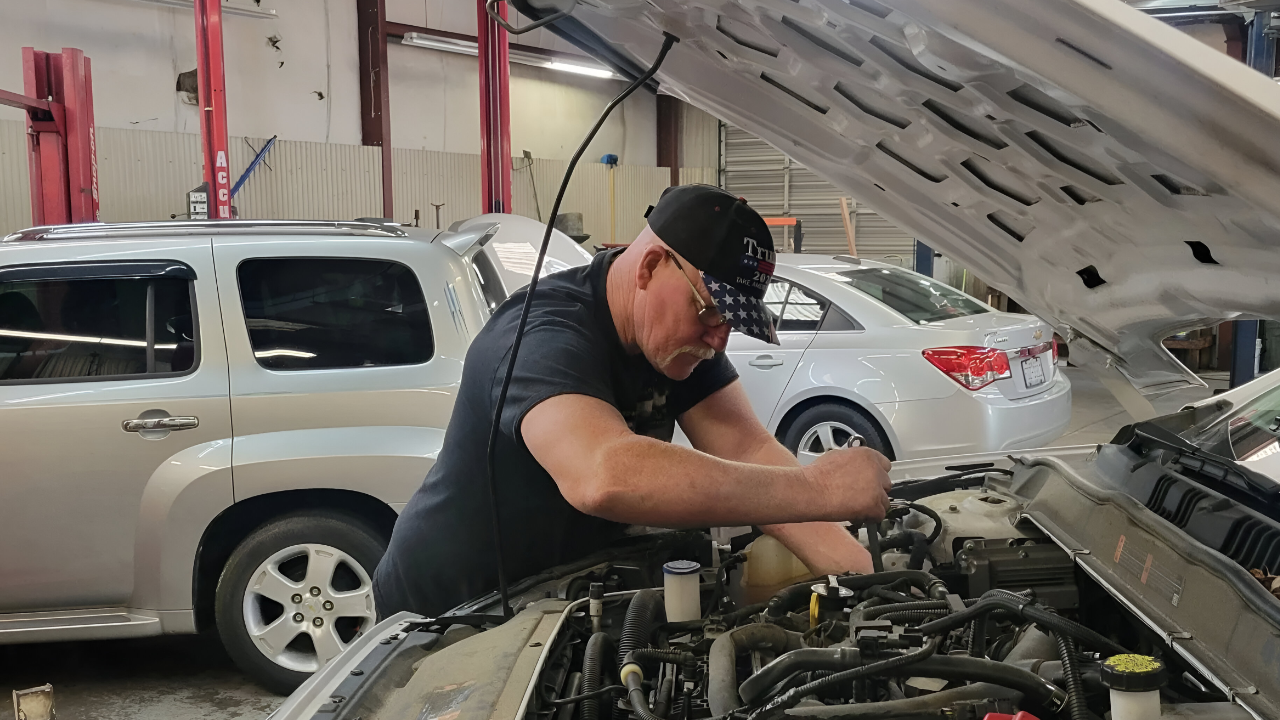
Across the United States, families are noticing a subtle change at home: everyday abilities that once made life feel manageable are less common, especially among younger generations. Baby Boomers, who grew up before constant connectivity and automation, often learned to cook, repair, navigate, and budget by necessity.
Today, digital tools carry much of that load. Revisiting some of these older skills is not about idealizing the past or rejecting technology. It is about restoring a sense of capability, connection, and calm in homes that increasingly depend on taps and swipes.
The Value of Doing Things the Long Way
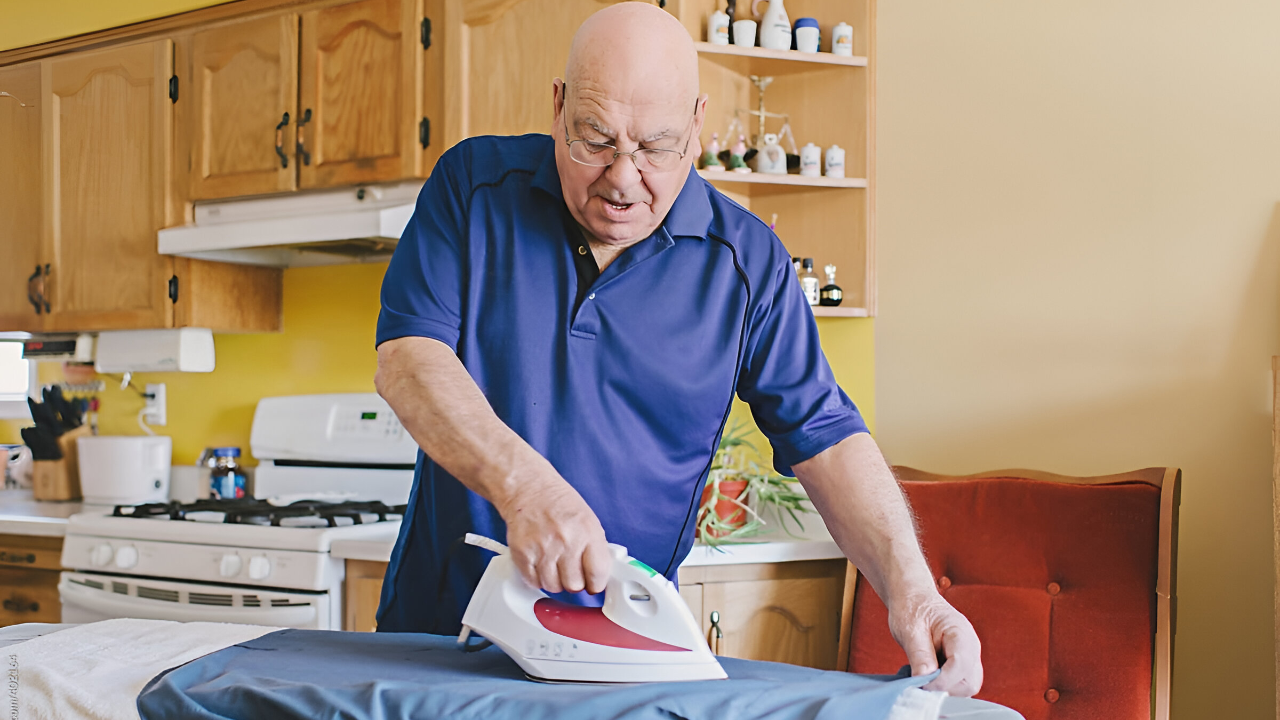
When people prepare meals from basic ingredients, plan routes on paper, or balance a budget by hand, they often spend less, feel more in control, and interact more with the people around them. Research has linked home-prepared meals with better diet quality and lower intake of ultra-processed foods, reinforcing the health payoff of cooking at home.
Other studies and surveys have found that reduced screen dependence and more hands-on routines support focus, mood, and family bonds. These skills create visible results: a repaired chair, a shared dinner, a settled bill. Over time, those small tasks build confidence and a sense of self-reliance that purely digital solutions rarely provide.
Analog Skills That Quietly Faded

Some of the clearest changes show up in small, everyday abilities. Reading an analog clock, once a basic lesson in early childhood, is less practiced now that digital displays dominate classrooms and devices. In some exam halls, schools in the United Kingdom have even removed traditional clocks after students struggled to read them under time pressure.
An analog face does more than show the hour; it also reinforces fractions, spatial reasoning, and mental time management.
Navigation has changed just as dramatically. Baby Boomers often learned to read maps, follow road signs, and remember landmarks. Modern drivers and walkers typically follow turn-by-turn instructions on a screen. Neuroscience research has linked heavy GPS use with reduced activity in the brain’s spatial navigation network, raising questions about what is lost when people rarely plan or track routes themselves.
Cooking is another example. Many Boomer-era households routinely cooked from scratch because dining out was less frequent and convenience foods were more limited. Today, ultra-processed options and delivery apps dominate many diets, even as studies connect frequent home cooking with better overall health.
Repair work inside the home has also shifted. Earlier generations were more likely to attempt basic fixes—tightening a hinge, unsticking a window, mending clothing—before calling a professional or replacing an item.
Reporting in major outlets has highlighted a decline in do-it-yourself repair knowledge among younger adults, who are often more inclined to outsource or discard. Each of these trends reflects an environment where convenience is abundant and manual solutions are no longer the default.
Money, Screens, and Everyday Independence

Money management shows a similar pattern. Many Boomers tracked spending with cash, checks, and paper registers, making every purchase visible. As tap-to-pay systems and financial apps replace physical money, spending can feel abstract. Without tangible cues—a wallet getting thinner, an envelope emptying—it can be harder to sense limits. Some families are experimenting with partial returns to older methods, such as envelope-based budgeting with cash, to help both adults and children see how money flows through a household.
Communication and leisure have also been reshaped by screens. Before messaging platforms, serious conversations often took place face-to-face or by phone, building skills in reading tone, body language, and emotion. During pandemic lockdowns, studies comparing different kinds of interaction found that in-person contact remained one of the strongest predictors of mental well-being, even in a hyper-connected era. Boredom has changed, too.
For many Boomers, unstructured time without devices prompted reading, outdoor play, or creative projects. Today, smartphones, tablets, and streaming services can fill nearly every idle moment. Psychological research suggests that when people learn to tolerate and work through boredom, they often become more creative and better problem-solvers.
Smartphones sit at the center of these shifts. They now handle navigation, reminders, coordination, entertainment, and payments. Boomers learned many of these tasks in a world where forgetting a phone number or failing to plan a meeting time carried real consequences. While modern tools reduce friction, they can also weaken memory and planning skills that were once exercised daily.
Why These Skills Flourished—and Faded
Baby Boomers, born between 1946 and 1964, came of age in an era with fewer labor-saving devices, limited consumer credit, and slower information flow. Many households stretched paychecks by cooking at home, repairing possessions, and sharing skills among family members and neighbors. In that environment, practical know-how was a necessity rather than a hobby. Generational studies have found that older cohorts are more likely to possess abilities such as manual driving on stick shifts, sewing, and basic home repair, reflecting the demands of their youth.
In the past two decades, smartphones, delivery services, and digital financial tools have transformed how households operate. Tasks once handled directly—planning trips, shopping, paying bills, arranging social plans—are often automated or outsourced. The effort did not disappear; it simply shifted from people to systems. As opportunities to practice analog skills shrink, what some researchers and observers describe as a “capability gap” grows: a widening space between what technology can do and what individuals can manage on their own when devices fail or are unavailable.
Reviving Skills Without Rejecting Technology

Despite concern about decline, these skills have not vanished. Many families still cook regularly, repair what they can, and encourage outdoor play. The change is in how common and automatic these habits are. Younger generations often default to digital tools that work well—until there is an outage, a broken device, or a situation where analog methods would be faster or safer.
Families who want to rebuild capability do not need to overhaul their lives. They can choose small, manageable projects: cooking one home-prepared meal a week, navigating a local route without GPS, or fixing a simple item together instead of replacing it. Some parents set aside limited screen-free time so children experience boredom and learn to create their own games or activities. Others involve kids in visible money decisions, laying out cash for bills or savings so they can see how quickly funds move.
These efforts can strengthen mental health and social ties. Studies conducted during lockdowns underscored the importance of direct human interaction, which is often reinforced by shared tasks and face-to-face conversation. Hands-on problem-solving, screen-free routines, and real-world collaboration can help family members feel more grounded, even as they continue to use digital tools.
Across generations, the goal is not to blame or glorify any age group, but to share strengths. Older adults can pass along practical skills, while younger people offer digital expertise. By blending convenience with competence, households can prepare for a future where technology remains central but does not replace the confidence that comes from knowing how to cook a meal, read a map, mend a tear, or balance a budget without a device.
Sources:
- Common Sense Media, 2019Publication: Common Sense Media (nonprofit research org).Title: “The Common Sense census: Media use by tweens and teens, 2019”.
- BMJ Open, 2016Publication: BMJ Open (peer-reviewed journal).Title: “Frequency of home-prepared meals and consumption of ultra-processed foods among US adults” (or similar; links home cooking to health).
- The Telegraph, 2018Publication: The Telegraph (UK newspaper).Title: “Schools are removing analogue clocks from exam halls because pupils cannot tell the time”.
- Nature Communications, 2017Publication: Nature Communications (peer-reviewed journal).Title: “GPS use linked to reduced activity in brain’s spatial navigation network” (exact: “Human navigation network is disrupted by GPS”).
- BBC News, 2013Publication: BBC News.Title: “Sat-navs ‘turn drivers into zombies’” (or similar on map use decline).
- Washington Post, 2019Publication: The Washington Post.Title: “Why millennials don’t know how to fix things” (or related DIY decline piece).