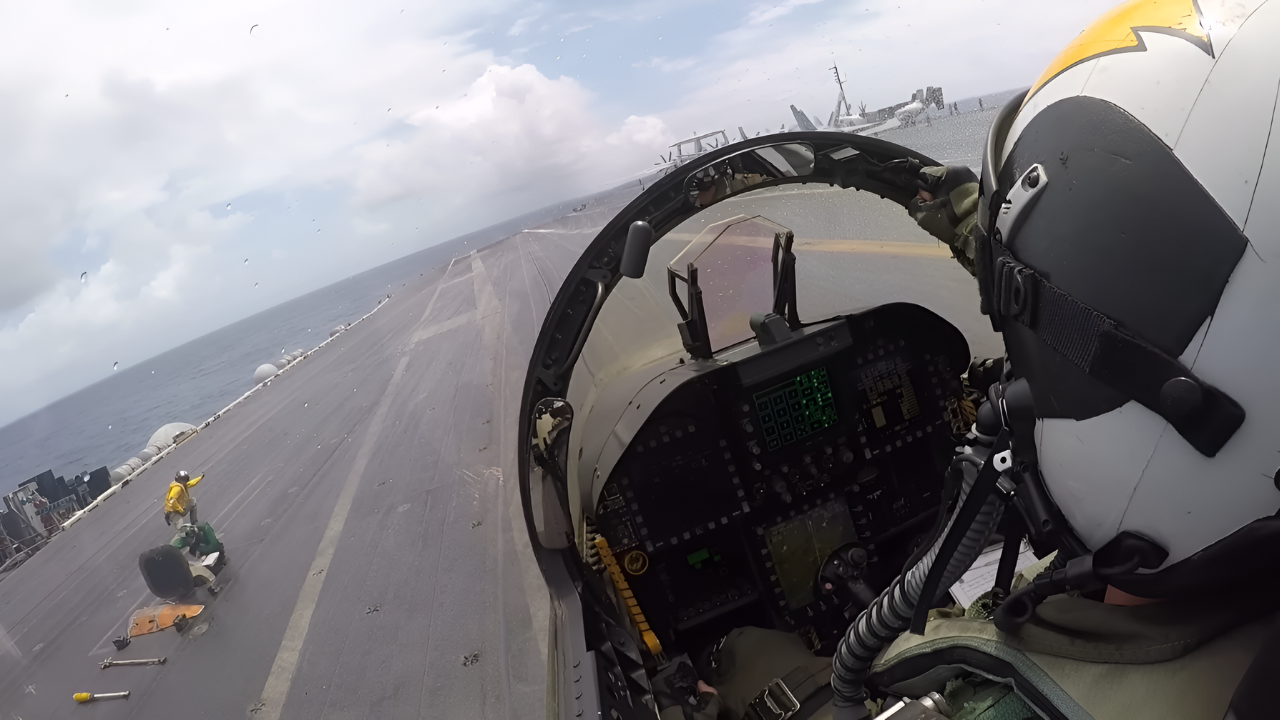
The overnight assault of December 22–23, 2025, marked a turning point in Ukraine’s air war with Russia. As multiple waves of missiles and drones crossed into Ukrainian airspace, newly fielded F-16 fighter jets joined ground-based systems in one of the largest single-night air defense battles of the conflict. By morning, Ukrainian officials reported that 34 of 35 Kh-101 cruise missiles had been shot down, a 97% interception rate that drew intense interest from military analysts.
Scale of the Russian Attack

According to Ukrainian military figures, Russia launched 673 aerial weapons over the course of the night and the following morning. The strike package included 635 Shahed-type attack drones, 35 Kh-101 air-launched cruise missiles, and 3 Kinzhal aeroballistic missiles aimed largely at energy facilities and critical infrastructure ahead of deep winter.
By roughly 11:30 a.m. on December 23, Ukrainian air defenses had destroyed 621 of these weapons. The intercepted Kh-101 missiles alone represented about $442 million in costs, based on an estimated unit price of around $13 million. When the losses from hundreds of Shahed drones—each valued at about $50,000—are added, analysts estimate Russia forfeited approximately $450–$500 million in munitions in less than a day.
This strike was part of a broader Russian effort, underway since late 2022, to degrade Ukraine’s power grid. Ukrainian officials report that by December 2025, approximately half of the country’s power generation capacity had been destroyed or disabled due to repeated attacks targeting electricity production and distribution.
F-16s and the New Layer in Air Defense
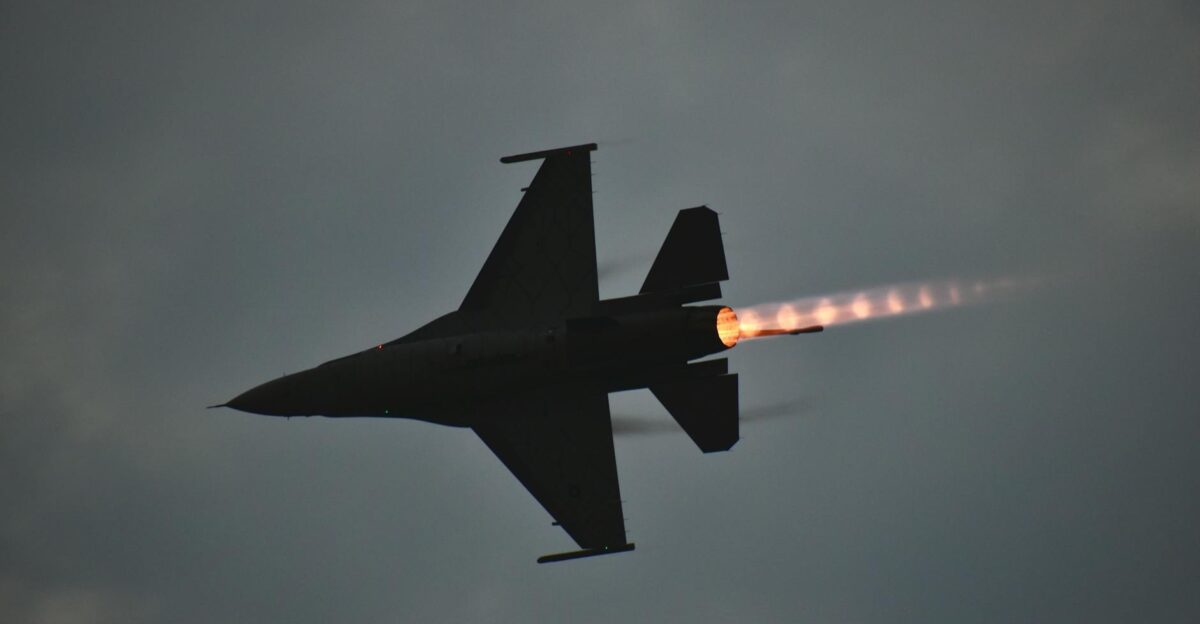
The F-16 Fighting Falcon, first developed in the 1970s, was not designed primarily as a cruise missile interceptor. Ukrainian forces, however, have adapted the aircraft for that role by integrating it into a layered air defense network. After transitioning from Soviet-era MiG-29s starting in mid-2024, Ukrainian pilots learned to use the F-16’s speed and maneuverability to patrol long stretches of airspace and engage low-flying threats.
A key upgrade arrived in December 2025, when F-16s supplied by Norway and the Netherlands came equipped with Sniper Advanced Targeting Pods produced by Lockheed Martin. These pods provide long-range electro-optical and infrared imaging, along with laser designation, enabling pilots to detect and track small, heat-emitting targets, such as cruise missiles and drones, at distances of up to approximately 100 kilometers, in both day and night conditions.
Alongside the targeting pods, the F-16’s AN/APG-68 radar gave Ukrainian crews the ability to spot low-altitude objects that typically use terrain to mask their approach. The radar can detect targets flying below 100 meters at ranges exceeding 100 kilometers, extending the time window for interception. During the December engagement, F-16 pilots relied not only on their onboard sensors but also on cueing from ground-based radars and allied airborne early warning and control aircraft.
AIM-120 Missiles and Integrated Engagement
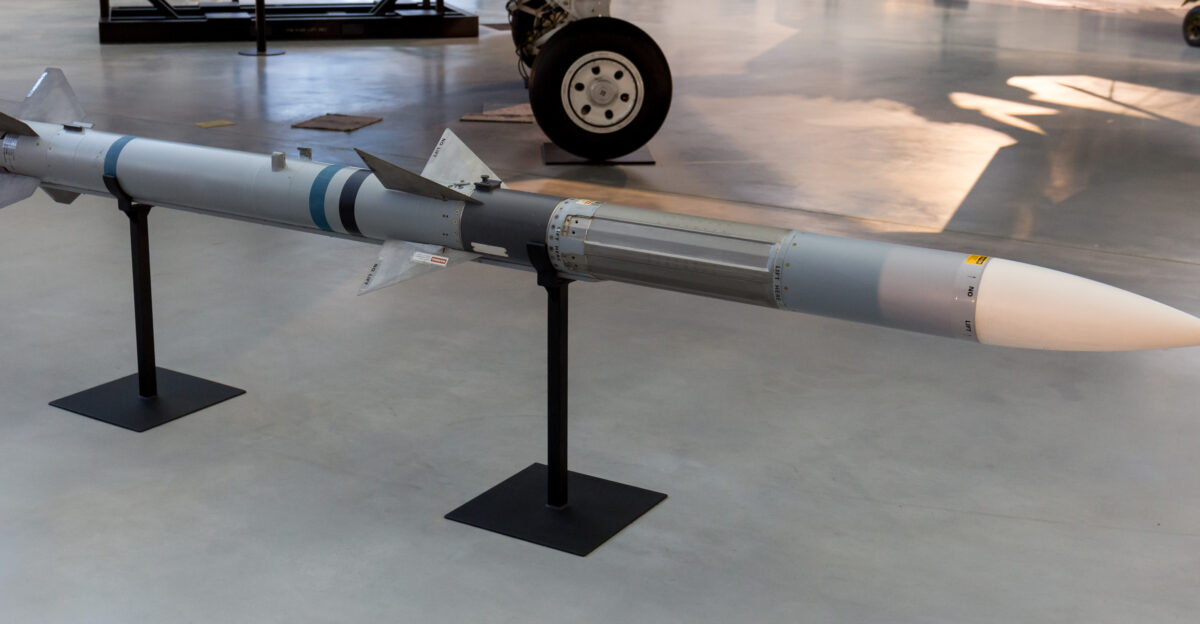
Once in firing position, Ukrainian F-16s employed AIM-120 Advanced Medium-Range Air-to-Air Missiles (AMRAAM). These radar-guided, “fire-and-forget” weapons have been a standard of Western air combat since the 1990s, with modern variants capable of engaging targets at ranges of roughly 50 to 120 kilometers, depending on the version and conditions.
The combination of early detection, targeting-pod imaging, and AMRAAM range allowed F-16 crews to attack subsonic cruise missiles following relatively predictable flight paths before they reached defended sites. Ukrainian sources say dozens of AIM-120s were fired during the December 22–23 operation, contributing heavily to the near-total destruction of incoming Kh-101 missiles.
This performance took place within a broader, layered architecture. Patriot and IRIS-T systems, among others, engaged missiles and drones from fixed positions on the ground, while F-16s operated above them, under coordinated control from the Ukrainian air defense command. When Russian weapons penetrated lower-altitude ground-based coverage, the fighters provided an additional layer of interception overhead.
Kinzhal Missiles and Resource Strain
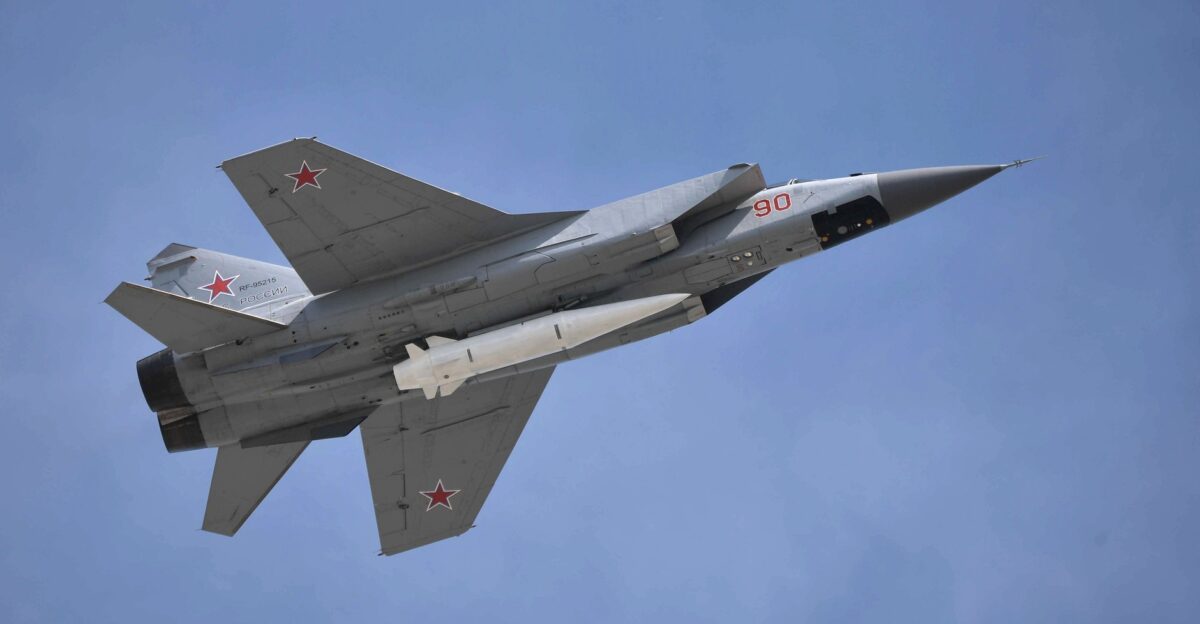
For much of the war, Russia has presented the Kinzhal aeroballistic missile as a hypersonic system that is extremely difficult to stop. During the December 22–23 attack, three Kinzhals were launched toward Ukraine. Ukrainian authorities reported that none of them reached their intended targets, attributing this to the same integrated network of ground-based and airborne defenses.
In a public briefing on December 23, Ukrainian Air Force spokesman Colonel Yurii Ihnat praised the role of the F-16s in the night’s fighting, saying the cruise missiles had been “mainly shot down” by the jets and emphasizing the skill of the pilots. He also stressed the constraints facing Ukrainian air defense units, noting that some systems were idle because they lacked interceptor missiles. The statement underscored how munitions supply has become a central factor in sustaining Ukraine’s air defense success.
As of early 2026, Ukraine fields roughly 50 F-16s supplied by Denmark, the Netherlands, Norway, and Belgium. The aircraft fly frequent missions, intercepting drones and missiles as well as striking ground targets. Ukrainian reporting indicates that since their introduction in the summer of 2024, F-16s have helped shoot down more than 1,300 aerial threats. The intense operational tempo has placed heavy demands on pilots, maintenance crews, and spare parts inventories.
Looking Ahead in 2026

Military analysts anticipate that air operations over Ukraine will intensify in 2026. Russian forces are believed to be modifying cruise missile designs and adjusting tactics in response to high interception rates. Ukrainian officials argue that to maintain and improve their defensive performance, they will need additional F-16s, more advanced targeting equipment, and significantly larger stocks of air-to-air missiles and surface-to-air interceptors.
Allied governments have signaled their support for supplying newer F-16 variants, including Block 70 models with upgraded avionics and more powerful engines; however, timelines for delivery and integration remain unclear. The December 22–23 engagement demonstrated what Ukraine’s current combination of Western aircraft and ground-based systems can achieve under favorable conditions.
The broader question for 2026 is whether external support will keep pace with the evolving demands of the air war and Russia’s continued campaign against Ukraine’s infrastructure.
Sources
Defense Express – “American F-16s Shred 97% Of Russia’s Largest Drone Swarm Yet In A Single Night”
Ukrainian Air Force Official Statement – Colonel Yurii Ihnat Press Briefing, December 23, 2025
NATO Defense Analysis – F-16 Combat Performance Review, January 2026
U.S. Department of Defense – Military Equipment Cost Assessment Report
Lockheed Martin Defense – Sniper Advanced Targeting Pod Technical Specifications
Jane’s Defence Weekly – Russian Cruise Missile Deployment Analysis, December 2025