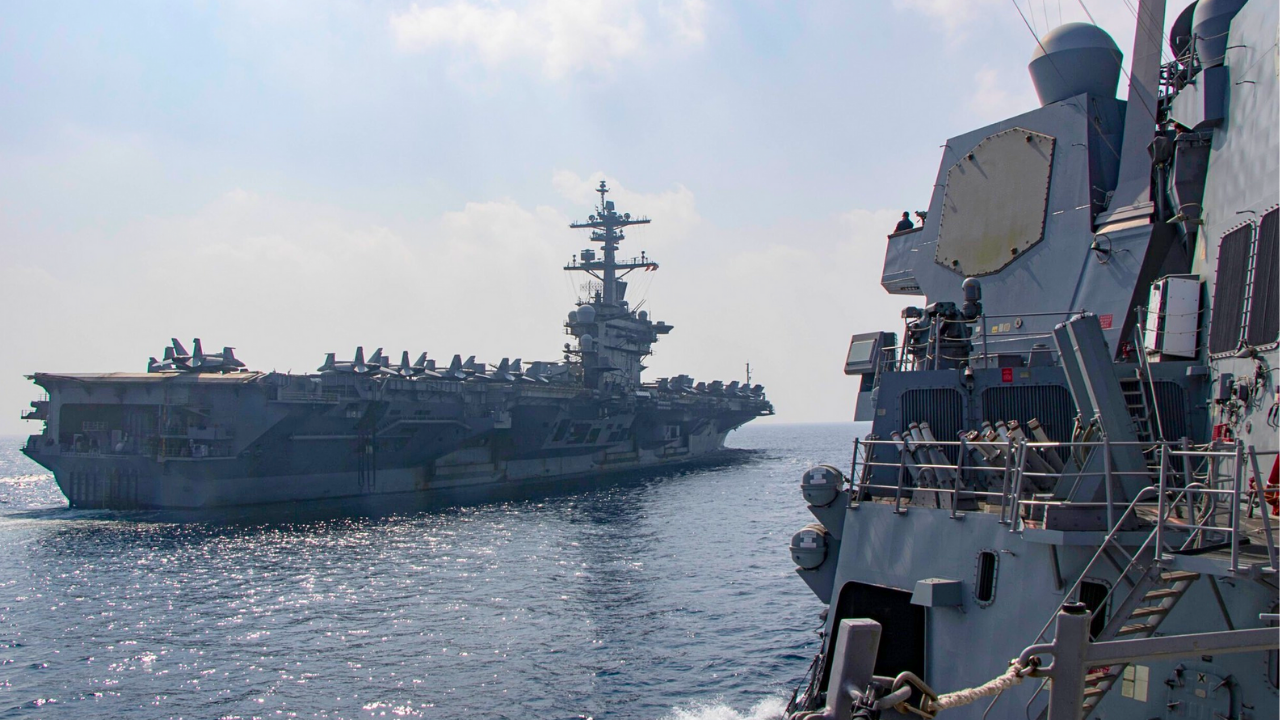
President Donald Trump’s vow to launch U.S. land strikes against drug cartels in Mexico has jolted relations with a key neighbor and trading partner, raising legal, diplomatic, and security questions across the hemisphere. Announced on January 8, 2026, after months of offshore military operations, the move would extend a campaign that has already drawn accusations of unlawful killings and triggered strong pushback from Mexico and other Latin American governments.
Escalation From Sea to Land
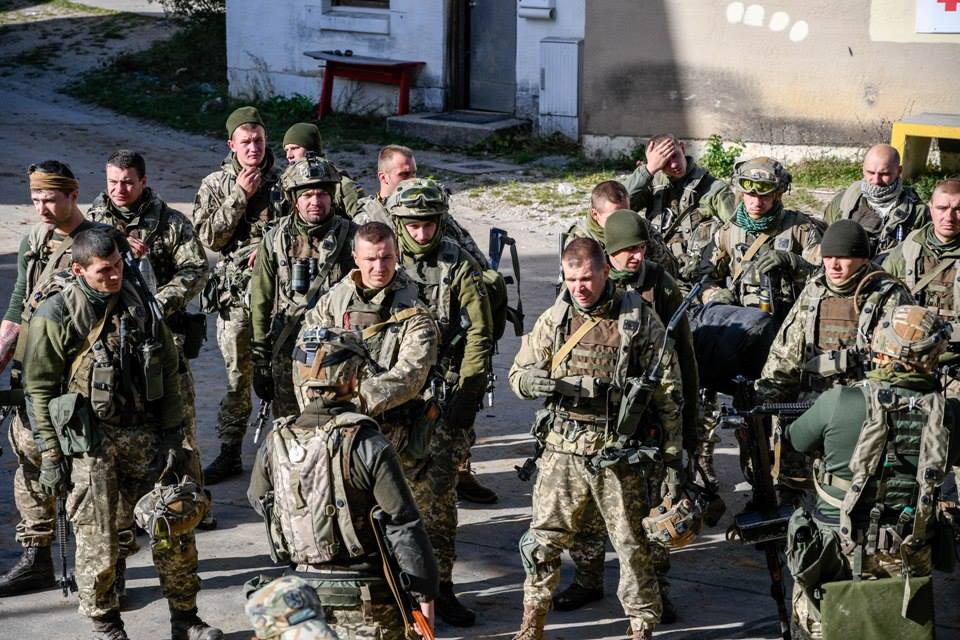
Since September 2025, U.S. forces have carried out more than 30 strikes on suspected drug-trafficking vessels in the Caribbean Sea and eastern Pacific as part of Operation Southern Spear, a deployment of over 14,000 troops and warships described as the region’s largest military buildup in decades. Official figures attribute at least 115 deaths to these maritime attacks.
Trump has claimed the operations eliminated 97 percent of seaborne drug trafficking, a figure not independently verified in public data. On January 8, he said the United States would “start now hitting land with regard to the cartels,” signaling a shift toward operations on foreign territory but offering no details on timing, targets, or rules of engagement.
The statement came just days after U.S. special forces captured Venezuelan President Nicolás Maduro in a predawn raid in Caracas on January 3, 2026, an action that alarmed governments across Latin America and intensified scrutiny of Trump’s broader security strategy in the region.
Redefining Cartels and Fentanyl
The path toward potential land operations has been shaped by a series of legal and policy designations. In February 2025, the Trump administration labeled six major Mexican organizations as Foreign Terrorist Organizations: the Sinaloa Cartel, Jalisco New Generation Cartel, Northeast Cartel, Gulf Cartel, United Cartels, and Michoacán Family. That step places their members in the same category under U.S. law as operatives from Al Qaeda or ISIS, theoretically opening the door to treating cartel members as enemy combatants outside U.S. borders.
In December 2025, Trump also designated fentanyl as a “weapon of mass destruction,” citing overdose deaths as grounds for aggressive military intervention. He frequently asserts that 250,000 to 300,000 Americans die each year from drug overdoses, but provisional Centers for Disease Control and Prevention data show about 72,776 fentanyl-related deaths in 2023. Public health agencies report that most U.S. deaths from synthetic opioids involve fentanyl produced in Mexico using chemical precursors from China, reinforcing Washington’s focus on cross-border trafficking networks even as the scale of overall overdose mortality cited by Trump exceeds official figures.
Mexico’s Sovereignty Stance and Domestic Strategy
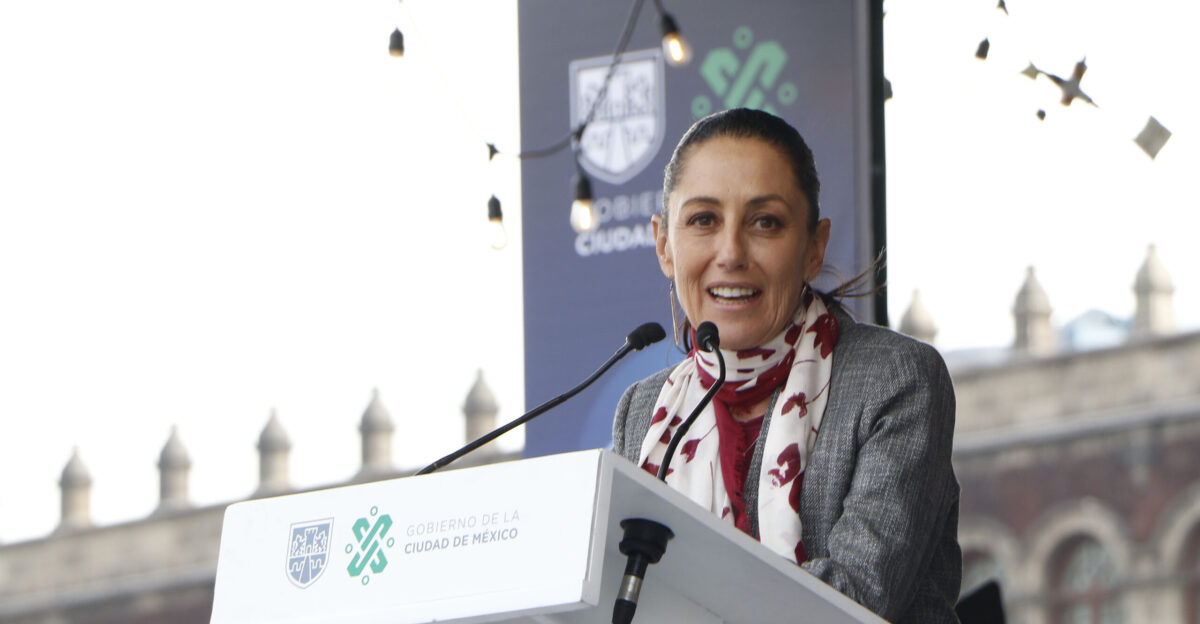
Mexican President Claudia Sheinbaum has responded forcefully to the prospect of U.S. forces entering her country. On January 6, 2026, she said, “We categorically reject intervention in the internal affairs of other countries. The history of Latin America is clear and compelling: Intervention has never brought democracy, has never generated well-being or lasting stability.” She framed any unilateral operation as a violation of international law and Mexican sovereignty.
Sheinbaum confirmed that Trump has repeatedly proposed sending U.S. troops into Mexico during phone calls, offers she says she has consistently refused on grounds that Mexico can manage its own security. She also played down the likelihood of a U.S. invasion, saying she does not believe Trump is taking such an option “very seriously.”
On January 8, Sheinbaum presented data showing daily homicides in Mexico have fallen 40 percent nationwide since she took office. Her government argues that intensified domestic security efforts—ranging from increased troop deployments and border operations to more arrests, seizures, and extraditions—demonstrate that foreign military intervention is unnecessary. Mexican officials highlight expanded law enforcement cooperation and intelligence sharing with the United States as evidence that both countries can confront cartels without breaching sovereignty.
Legal and Political Challenges for Washington

Any U.S. strike on Mexican territory without Mexico’s consent would clash with Article 2(4) of the UN Charter, which prohibits the use of force against the territorial integrity or political independence of another state. Legal specialists warn it would represent an unprecedented attack on a close ally and major trading partner and would not be clearly justified under recognized international law doctrines of self-defense.
In Washington, Trump has not said whether he would seek authorization from Congress for land operations against cartels. The U.S. Constitution grants Congress the power to declare war, but presidents have frequently ordered military action without formal declarations. After the Maduro raid, the Republican-controlled Senate passed a war powers resolution on January 8 intended to restrict further action in Venezuela without congressional approval, signaling concern over unchecked executive authority even within Trump’s own party.
The maritime campaign has already spurred legal and ethical controversy. Some legal experts and members of Congress have described the boat strikes as “war crimes, murder, or both,” arguing they amount to extrajudicial killings lacking due process or adequate verification of targets’ involvement in trafficking. The Trump administration counters that those killed were “narco-terrorists” operating in international waters and that the operations are justified under its interpretation of U.S. national security powers.
Regional Fallout and Strategic Uncertainty
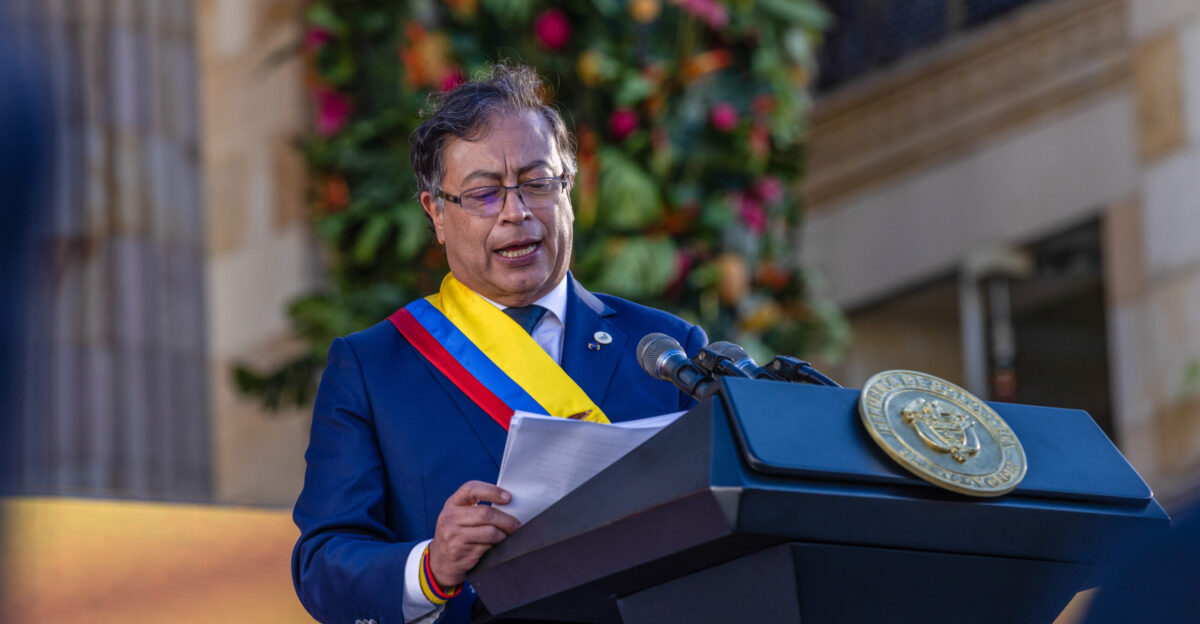
Trump’s rhetoric has unsettled governments far beyond Mexico. U.S. officials have mentioned potential interventions in Cuba, Colombia, and even Greenland. Colombian President Gustavo Petro told the BBC on January 9, 2026, that he sees a “real threat” of U.S. military action against his country and warned that Washington risks moving from global dominance to being “isolated from the world” if it continues on an interventionist path.
Following Maduro’s capture, multiple Latin American governments condemned U.S. actions as violations of sovereignty and international law. Mexico led the criticism, with Sheinbaum calling the Venezuela operation destabilizing and contrary to diplomatic principles. Regional leaders voiced concern that Trump’s approach signals a return to gunboat-style policies and Cold War-era power projection in Latin America.
The White House has framed its actions as part of a renewed commitment to “reasserting and enforcing the Monroe Doctrine” to strengthen U.S. influence in the Western Hemisphere, curb migration, and combat drug trafficking. Historically, such language has often preceded U.S. interventions in the region, increasing worries that current threats could translate into broader unilateral operations.
Security specialists caution that any U.S. incursion into Mexico could abruptly halt the extensive cooperation that underpins current anti-drug efforts, including intelligence sharing, joint operations, and extraditions of cartel leaders. They warn that a breakdown in collaboration might push criminal networks further underground and complicate cross-border enforcement rather than improving it.
Analysts also note that Mexico and the United States are deeply intertwined economically under the USMCA trade agreement, which covers trillions of dollars in commerce and is due for review in 2026. The two countries are preparing to co-host the 2026 World Cup, and former Mexican trade official Luis de la Calle has stressed that Washington depends on Mexico for trade, migration management, and combating criminal groups. Security experts suggest Trump’s threats may function largely as leverage in upcoming negotiations on trade and immigration, even as some of his critics raise the prospect of impeachment over the Venezuela operation and any future unauthorized wars.
With crucial details about possible land strikes still unknown, governments across the Americas are watching for signs of whether Trump’s statements foreshadow concrete operations or serve primarily as negotiating pressure. Mexico is seeking to demonstrate its capacity to confront cartels while holding firm against foreign troops, as the region weighs the potential costs of a dramatic expansion of U.S. military activity on its doorstep.
Sources:
“Trump says US to ‘start now hitting land’ in Mexico targeting drug cartels.” Euronews, 8 Jan 2026.
“Trump insists ‘cartels are running Mexico’ and announces ground operations: we are going to start now hitting land.” El País, 8 Jan 2026.
“Trump Says U.S. to Start ‘Hitting Land’ in Military Campaign Against Drug Cartels.” TIME, 8 Jan 2026.
“Trump Ends 2025 by Bombing More Boats, Bringing Death Toll to at Least 115.” Common Dreams, 1 Jan 2026.
“Mexico dismisses US military intervention despite Trump’s threats.” ABC News, 5 Jan 2026.
“Mexican president rejects US sending troops to her country.” Fox News, 4 Jan 2026.
“Provisional Drug Overdose Death Counts.” Centers for Disease Control and Prevention, late Nov 2025.