
Imagine every dollar California spent on your child’s school, your parents’ healthcare, your family’s rent assistance—then watch it all vanish. A bombshell report claims the state may have hemorrhaged a quarter-trillion dollars through fraud, waste, and abuse so severe that more than 40 million residents are now living inside what two major Republican candidates call a “$250 billion crime scene.”
By January 2026, that staggering allegation upended California politics, forcing voters to grapple with a terrifying question: Did Sacramento lose control, or never have it at all?
The $55 Billion Admission

California has already admitted to losing more than $55 billion in employment benefits since the COVID-19 pandemic, with roughly $20 billion stolen through organized fraud rings. That’s real money—unemployment checks meant for desperate workers flowing into the bank accounts of criminals.
If Sacramento hemorrhaged that much in one program, whistleblowers and GOP candidates now ask, how many billions are leaking out of housing grants, food stamps, Medicaid, and student aid with little to no oversight?
The Califraud.com Effect
Republican gubernatorial candidate Steve Hilton launched Califraud.com roughly a month before the bombshell report, inviting state workers, contractors, and citizens to report fraud anonymously. Within weeks, hundreds of tips flooded in—allegations of ghost employees, phantom housing grants, fake students claiming financial aid, nonprofits pocketing public money.
The platform transformed invisible institutional rot into a searchable database, weaponizing citizen anger into a political bomb that detonated right at the start of the 2026 governor’s race.
Is It Real Fraud or Campaign Theater?
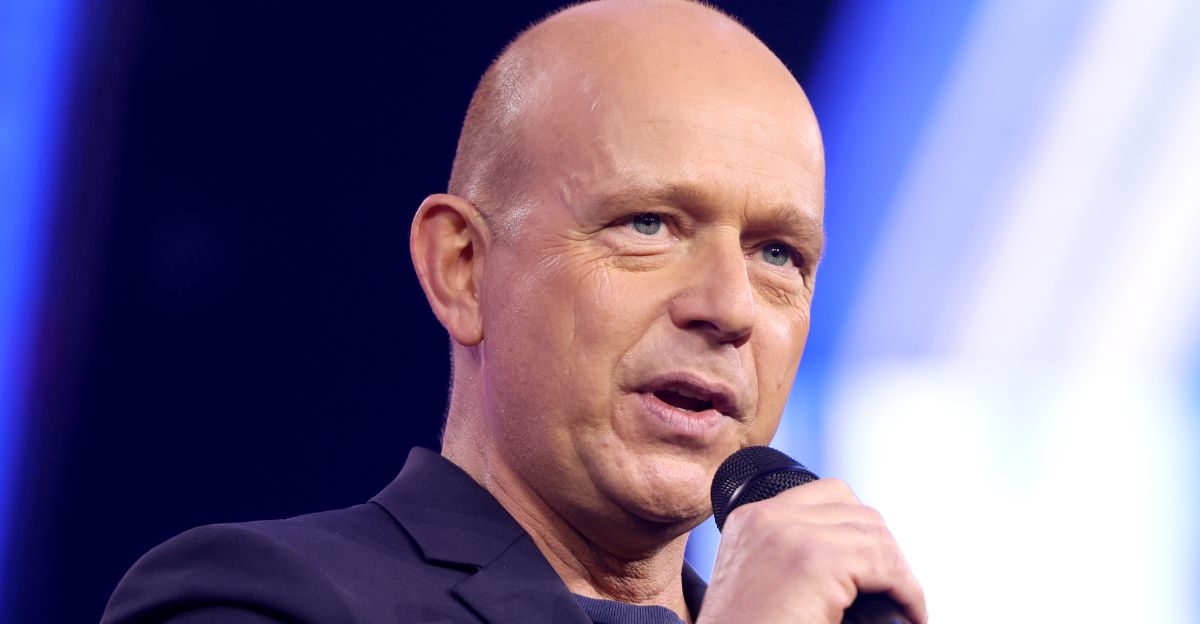
Hilton and state controller candidate Herb Morgan’s preliminary report combines whistleblower allegations with existing audits to reach a total of $250 billion. Critics immediately questioned whether the figure represents genuinely new findings or an inflated extrapolation from already reported vulnerabilities.
The Washington Examiner noted, “It is unclear whether Hilton and Morgan have actually found anything new or are recycling reported issues.”
Your Family’s Safety Net at Risk
California’s State Auditor designated the Department of Social Services and EDD as “high-risk” in December 2025. This official red flag covers Medi-Cal (state Medicaid), CalFresh (food stamps), and housing programs that millions depend on.
The auditor documented $4 billion in questionable Medi-Cal payments alone, suggesting eligibility verification so weak that ineligible recipients slip through while eligible families wait months for approvals.
Medi-Cal’s $4 Billion Vulnerability

Medi-Cal serves nearly 15 million Californians, yet auditors found systemic failures in eligibility verification. County welfare agencies had their oversight authority suspended, letting dubious claims proceed.
When the federal government tightens Medicaid rules in fiscal year 2028, California will absorb hundreds of millions in overpayment costs it cannot easily recover.
CalFresh’s Math Problem
California’s CalFresh food stamp program faces calculation errors so widespread that the state may face a potential annual liability of $2.5 billion once federal policy changes take effect in 2028. Families receive incorrect benefit amounts; fraudsters exploit gaps; legitimate recipients sit confused and underfed.
The auditor flagged systemic incompetence rather than malice, yet the damage to California’s poor remains identical.
K-12 and Community College Scams

The Califraudia report alleges pay-to-play schemes in K-12 schools and organized rings creating phantom community college students to claim federal and state financial aid. Education dollars meant for classrooms instead flow into the pockets of fraudsters.
Meanwhile, legitimate low-income students face tighter aid eligibility, longer wait times, and skepticism—because the system has burned through trust along with billions.
Newsom Fires Back
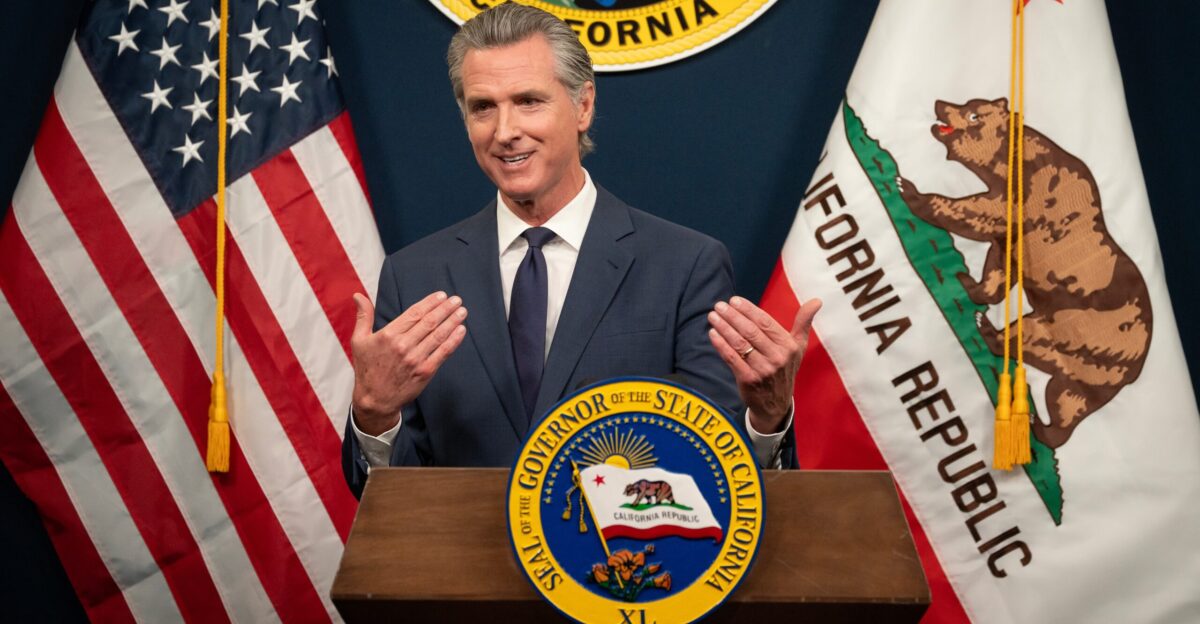
Governor Newsom’s office rejected the $250 billion figure as “MAGA-made-up numbers,” instead claiming the administration has blocked over $125 billion in fraud and arrested “criminal parasites.” Spokeswoman Izzy Gardon framed anti-fraud work as a signature achievement, transforming the attack into a counter-boast.
Yet the $125 billion claim lacks independent verification, and policy analysts remain divided on whether blocking fraud and actually recovering stolen money are the same thing.
The Political Weapon

With Newsom term-limited, California’s 2026 gubernatorial election has attracted over 95 candidates, turning the race into a wide-open free-for-all. Hilton seized on the fraud issue to separate himself from the crowded field, positioning himself as the anti-establishment firebrand ready to burn down Sacramento’s “culture of corruption.”
Herb Morgan (controller race) and Hilton coordinated the Califraudia rollout strategically, using January timing to dominate early coverage and shape the debate before filing season even officially opens on February 9.
Steve Hilton’s Nuclear Language
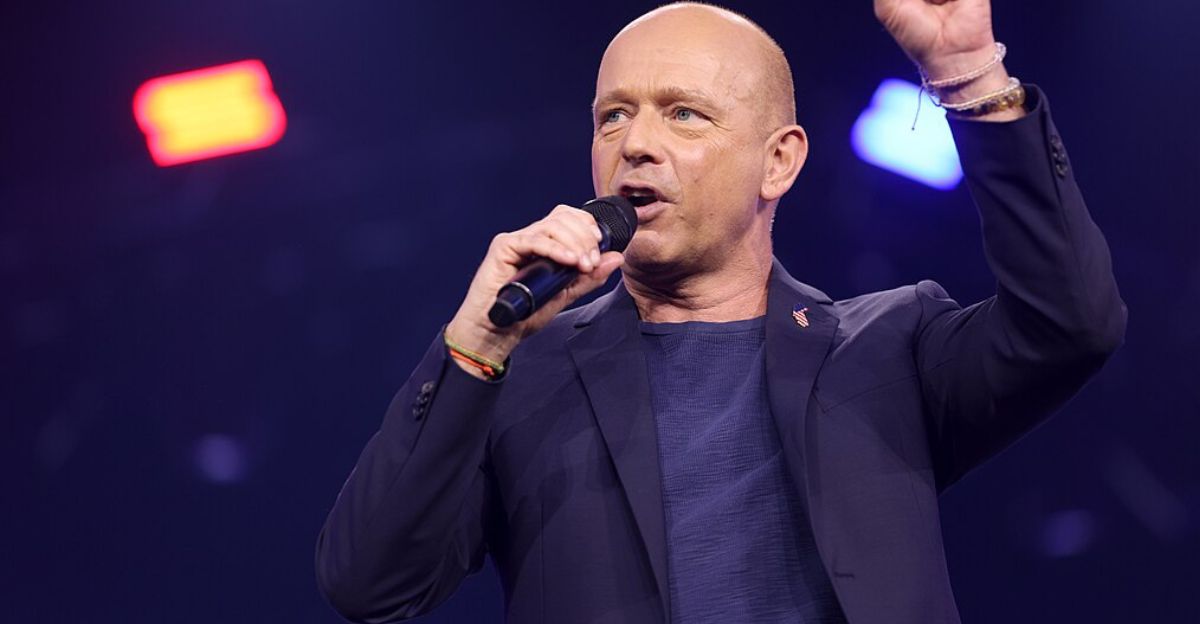
Hilton didn’t hold back: California faces “the worst fraud in America, by far,” he declared. He branded Governor Newsom “MUGA”—the Most Useless Governor in America—a weaponized acronym designed to go viral on social media.
Such rhetoric escalates beyond policy debate into character assassination, yet it resonates with voters exhausted by homeless encampments, deteriorating services, and suspicion that their tax dollars vanish into bureaucratic black holes.
Herb Morgan’s Measured Indictment

Controller candidate Herb Morgan offered a cooler but still scathing critique: “Audits in California tend to happen after the money is already gone. That is not accountability. That is a post-mortem.” Morgan’s framing recast fraud as a governance failure rooted in outdated audit cycles rather than pure partisan corruption.
His call for “decisive executive leadership, professional financial stewardship, and comprehensive audits” appeals to pragmatists who want solutions, not theater.
Trump Administration Reviews California Welfare Fraud
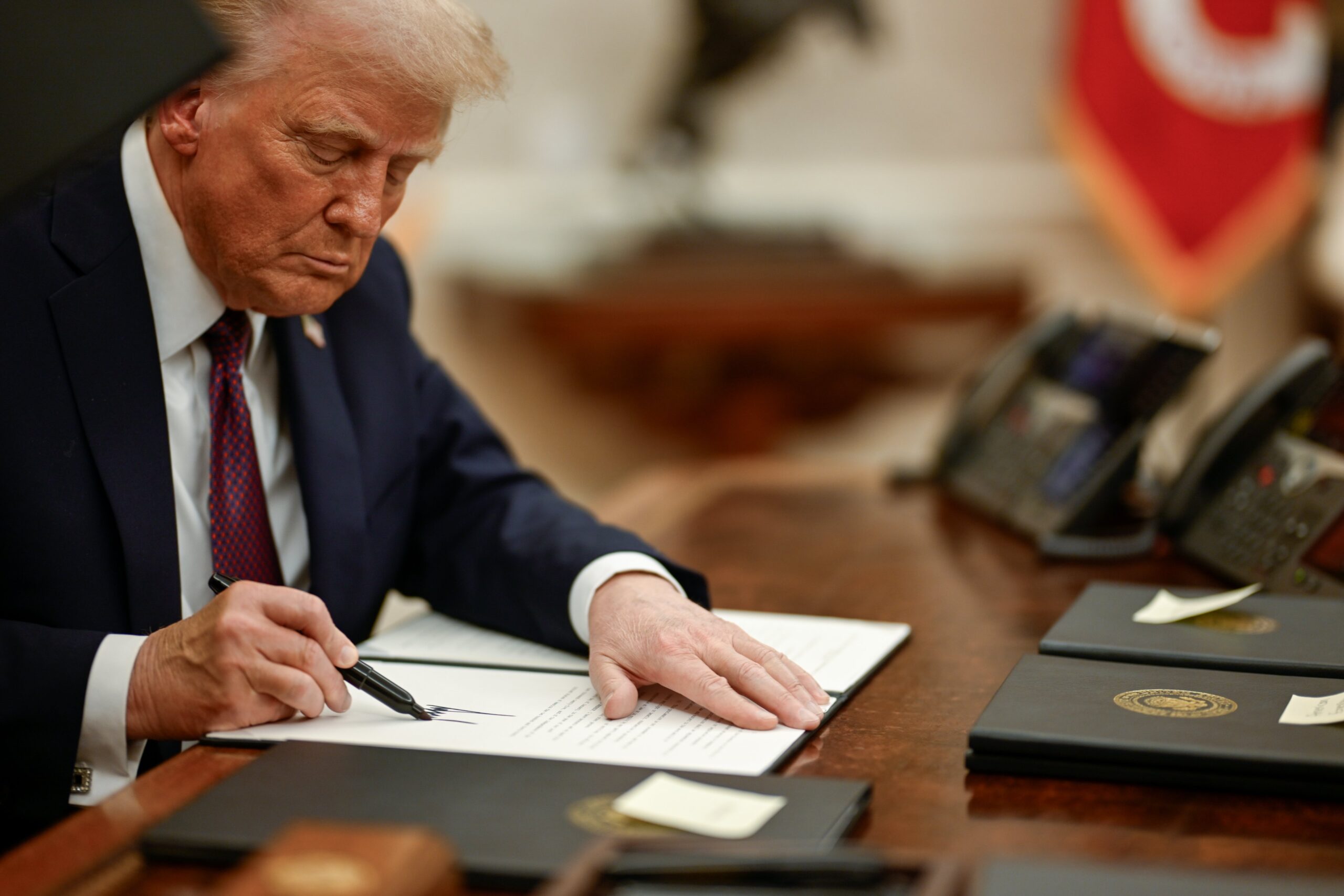
The Trump administration announced investigations into welfare programs in California, Minnesota, Colorado, and New York, citing rampant fraud concerns. Deputy Secretary Jim O’Neill signaled that California’s problems weren’t anomalies but evidence of nationwide systemic rot.
This federal scrutiny validates Hilton and Morgan’s urgency while creating bipartisan pressure on California, regardless of who wins in November.
Feeding Our Future Theft

Minnesota’s Feeding Our Future nonprofit network siphoned approximately $250 million from federal child nutrition programs through a mastermind fraud operation. Over 75 criminals were charged; more than 50 pleaded guilty. Defendants spent stolen funds on lakefront mansions, luxury cars, and private villas while children went hungry.
Hilton and Morgan point to Minnesota as proof that California’s own nonprofit ecosystem could harbor similar organized theft rings, amplifying voter anxiety that Sacramento’s oversight mechanisms are equally broken.
Independent Audits and FBI Corruption Units

If elected in November, Hilton and Morgan vow top-to-bottom independent audits of Medi-Cal, CalFresh, housing, and homelessness programs. They’re also demanding that the FBI’s Public Corruption and Complex Fraud units investigate alleged systematic looting.
They want a joint federal-state task force with asset recovery authority—essentially giving Sacramento’s new leadership the backing of the FBI to prosecute California officials and contractors implicated in fraud.
When Billions Become Personal

The $250 billion estimate translates to roughly $6,250 per Californian—a per-capita figure that hits far harder than abstract trillions. Parents already struggling with housing costs, workers facing wage stagnation, and retirees stretching their fixed incomes—they now learn that government waste may be exacerbating their burden.
That $6,250 could have paid for a month’s rent, funded a child’s college savings, or helped shore up California’s crumbling schools.
Alarm Sounded Before Hilton and Morgan

Before the Califraudia bombshell, California’s State Auditor had already flagged EDD, Medi-Cal, and social services as high-risk agencies due to documented fraud vulnerabilities. The auditor’s December 2025 report identified systemic gaps, weak verification, and billions at stake—the same findings Hilton and Morgan now amplify.
So the scandal wasn’t hidden; it was buried in bureaucratic reports nobody read until politicians weaponized it. .
Will California Voters Demand Accountability?

By November 2026, Californians will vote on whether to stay the course with establishment Democrats or gamble on Republican challengers promising aggressive anti-fraud action. The choice isn’t merely partisan; it’s a referendum on whether Sacramento’s existing leadership can be trusted to fix itself or whether radical change is necessary.
Hilton and Morgan have already seized the momentum, positioning themselves as the only voices willing to confront corruption head-on.
The Bigger Question

History suggests fraud is a permanent feature of large government systems—somewhere around 3-5% of all spending vanishes to waste and abuse across federal and state levels. California’s $250 billion estimate, if accurate, suggests the leakage rate may be higher, driven by weak oversight and one-party dominance that eliminates checks and balances.
Republican-led states face similar fraud challenges, suggesting ideology alone doesn’t solve the problem.
2026: The Year California’s Fiscal Future Gets Decided

The Califraudia bombshell lands at precisely the moment California’s voters face the most consequential election in a decade. With Newsom term-limited and a historic field competing to replace him, the fraud debate will dominate headlines through November.
Whistleblowers, auditors, federal investigators, and competing politicians will all pressure Sacramento to prove it can handle public money responsibly. California’s reputation for fiscal stewardship has been rattled; whether it can recover depends entirely on what voters demand and what the next governor actually delivers.
SOURCES:
‘Califraudia’ Report Puts State Fraud, Waste, and Abuse Losses at $250 Billion – Washington Examiner, January 4, 2026
State Auditor Adds Gov. Newsom’s Administration, 8 State Agencies to High-Risk List – California State Auditor High-Risk Program Report, December 2025
EDD Admits $55 Billion Lost in Pandemic – California Globe, April 9, 2024
California Unemployment Fund ‘Insolvent’ Due to $55B Fraud – Washington Examiner
Minnesota Feeding Our Future Nonprofit Fraud Case – U.S. Department of Justice Records, 2025
Trump Administration Welfare Fraud Investigation Announcement – Statement to Press, January 2026