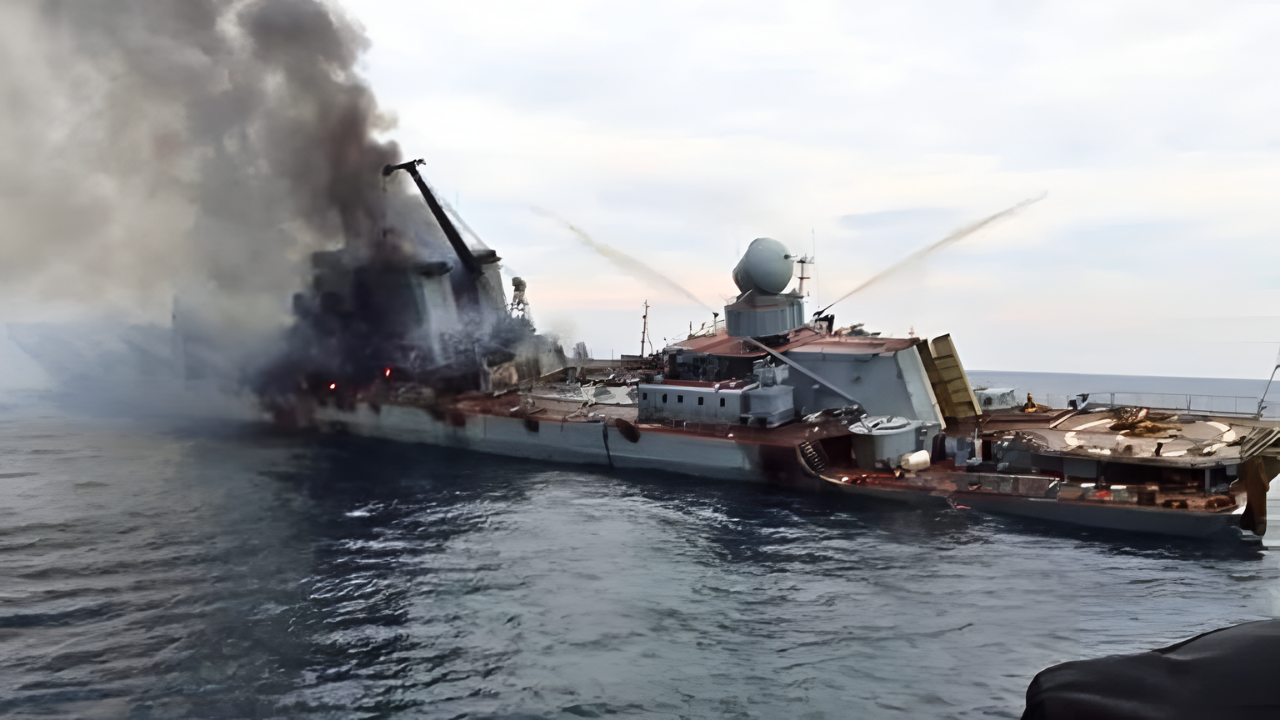
Ukraine’s Special Operations Forces struck deep into Russian territory in December 2025, targeting oil platforms in the Caspian Sea more than 700 kilometers from the nearest Ukrainian border. These drone attacks disrupted key energy infrastructure, challenging assumptions about Russia’s secure rear areas and intensifying economic pressure on Moscow’s war effort.
Striking Russia’s Energy Lifelines
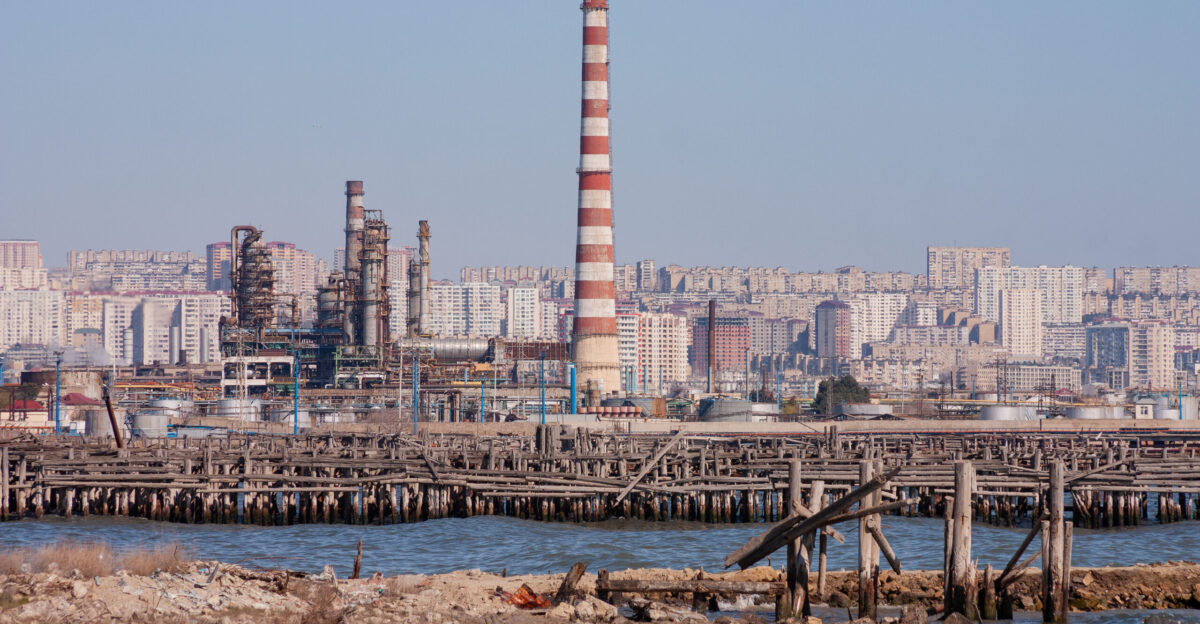
The Filanovsky oil platform, operated by Lukoil and inaugurated by President Putin, produces around 120,000 barrels of oil daily. It holds reserves of 129 million tons of oil and 30 billion cubic meters of gas, feeding into the Caspian Pipeline Consortium for global exports. Ukrainian strikes halted production at over 20 wells, underscoring the platform’s role in funding Russia’s military.
These operations marked a tactical shift, moving beyond frontline battles to economic targets. The Caspian Sea’s distance—once seen as a safe haven—proved vulnerable, forcing Russia to rethink defenses for distant assets.
December’s Coordinated Strikes

The campaign began on December 11, 2025, with the first hit on Filanovsky, confirming damage and production stoppages. The next day, December 12, forces struck both Filanovsky and the nearby Korchagin platform in a linked effort.
By month’s end, three major strikes had targeted Filanovsky, including a December 19 operation that also damaged a Russian patrol ship. Ukraine’s SOF announced the hits via their Telegram channel, noting multiple drone impacts and operational disruptions.
Critical Asset Under Fire
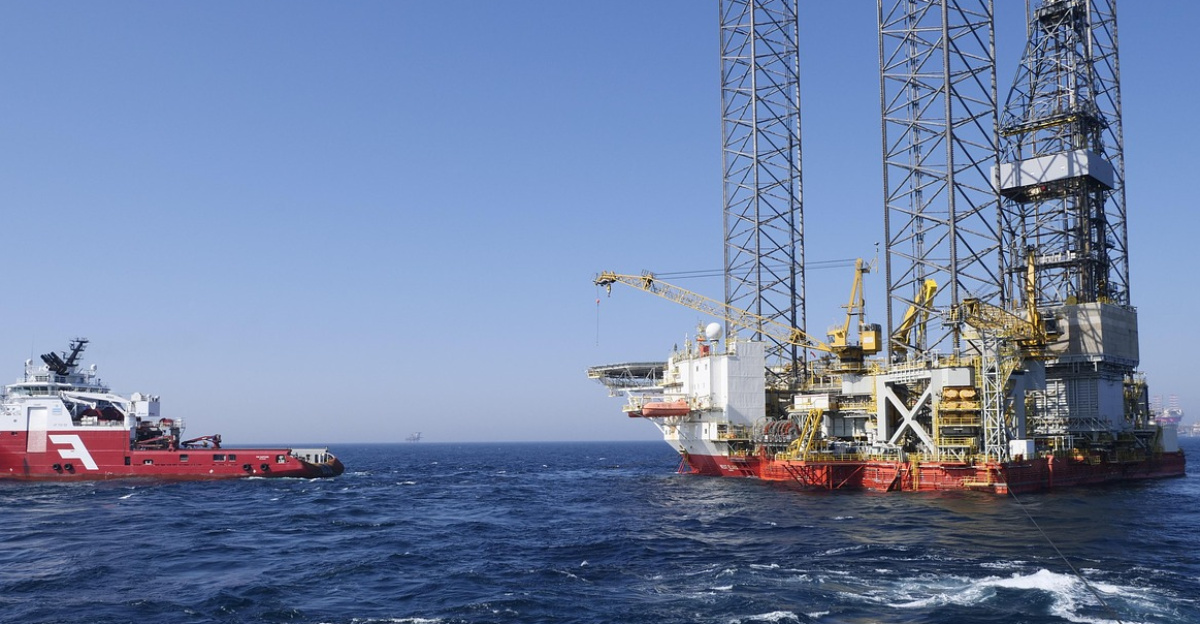
Filanovsky’s strategic value lies in its connection to international markets, making it a linchpin for Russia’s energy revenues. The attacks exposed gaps in protection for offshore sites, potentially rippling through regional energy dynamics and global supply chains.
Analysts highlighted how such disruptions compound existing sanctions, straining Moscow’s finances amid sustained military spending.
Russia’s Response and Challenges
Russia faces heightened costs to secure infrastructure, balancing defenses against offensive operations. Expect increased patrols and alerts in the Caspian region, alongside possible retaliation or diplomatic maneuvers.
These strikes compel Russian planners to extend protections far from the front, diverting resources and revealing operational limits.
Broader Strategic Shifts

The operations signal Ukraine’s growing drone capabilities and intelligence reach, redefining modern warfare through long-range precision strikes. They blend military and economic pressure, aiming to erode Russia’s war-sustaining revenues.
Internationally, reactions mix support for Ukraine’s self-defense with concerns over escalation. The moves could unsettle energy markets, prompting volatility in prices and supply routes.
As Ukraine maintains this pressure, the conflict’s trajectory hinges on Russia’s adaptability and global responses. Sustained disruptions may force Moscow to reassess its ambitions, while highlighting vulnerabilities in energy-dependent powers worldwide.
Sources:
Reuters: Ukraine hits Russian oil rig in Caspian Sea for first time, official says
Reuters: Ukraine hits Russian oil infrastructure in Caspian for second time
CNN: Ukraine’s gloves are off in its energy war with Russia
Kyiv Independent: Ukrainian special forces hit Russian patrol ship and oil platform
Maritime Executive: Ukraine Strikes Caspian Sea for the First Time, Damaging Lukoil Platform
United24media: Ukraine’s SOF Drones Strike Russian Patrol Ship and Oil Platform in the Caspian Sea