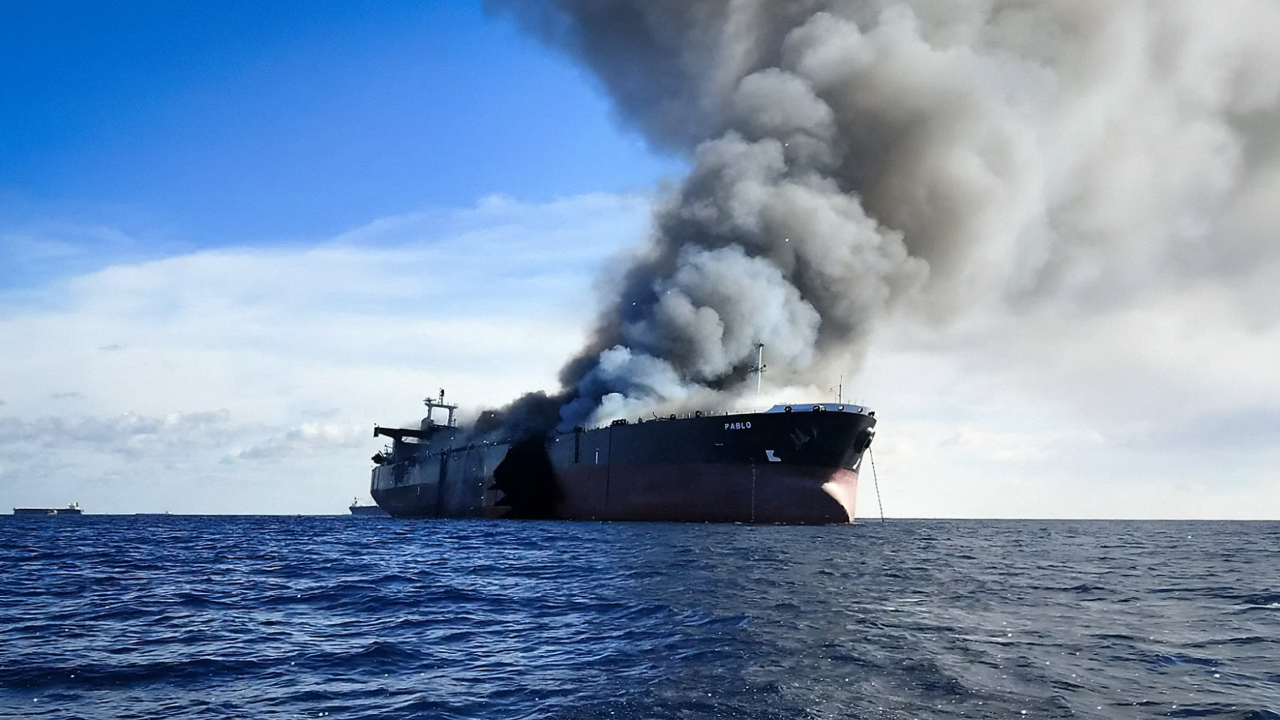
Since 2022, Russia has increasingly relied on a so‑called “shadow fleet” of tankers to move oil and oil products while facing international sanctions and price caps. These vessels are typically used to transport Russian crude and refined products outside the most transparent and heavily regulated parts of the global shipping system.
Analysts note that disruptions to this fleet, whether from accidents, inspections, or security incidents, can influence Russia’s export capacity and raise operational and insurance risks for participants in sanction‑evasion trades.
Shadow Fleet Overview: Post‑2022 Development
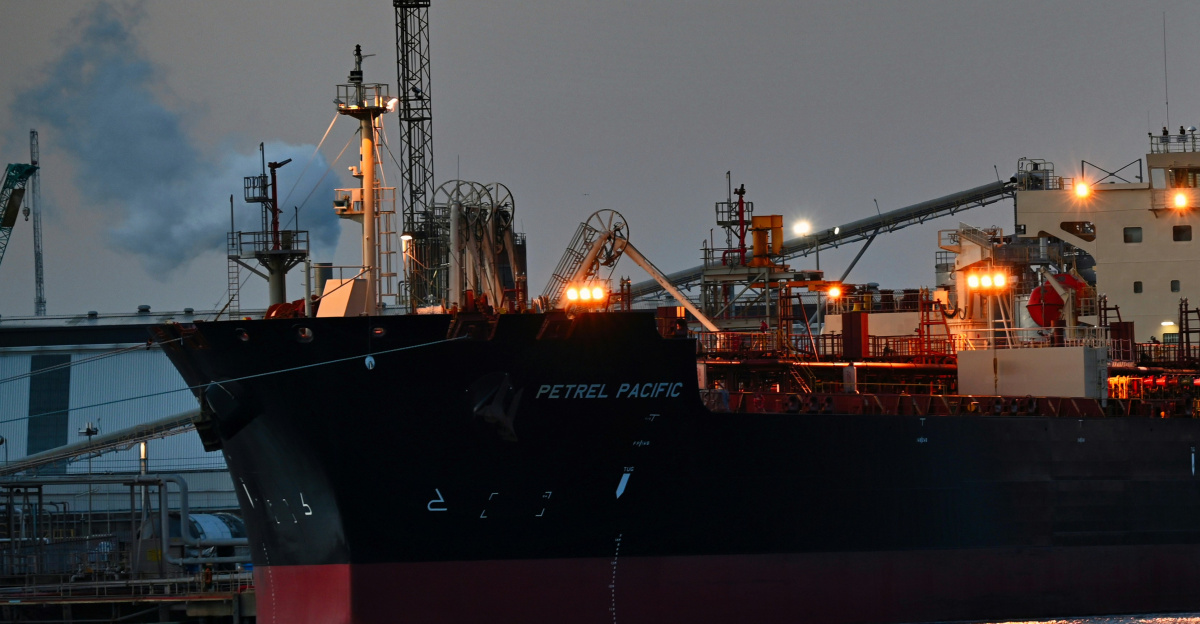
After the European Union’s embargo on most seaborne Russian crude and the G7 price cap took effect in December 2022, multiple independent reports (including from the International Energy Agency and major shipping‑data providers) documented the rapid expansion of a Russia‑linked shadow fleet.
These tankers are often older vessels with opaque ownership structures, registered under permissive flags, and frequently operating without Western protection‑and‑indemnity (P&I) insurance. Public estimates commonly place this fleet in the hundreds of ships, and analysts emphasize that many of them operate with limited transparency and oversight.
Historical Precedents: Energy Supply Disruptions
Targeting energy logistics has long been a feature of armed conflict. During World War II, submarine campaigns routinely attacked oil and fuel tankers. In the 1980s Iran‑Iraq War, the so‑called “Tanker War” saw numerous strikes on commercial shipping in the Persian Gulf.
In the current war between Russia and Ukraine, open‑source reporting has documented attacks on fuel depots, refineries, port infrastructure, and, in some cases, vessels linked to Russian trade. These examples illustrate how maritime and energy transport systems become contested in periods of heightened tension.
Capacity and Budget Impact
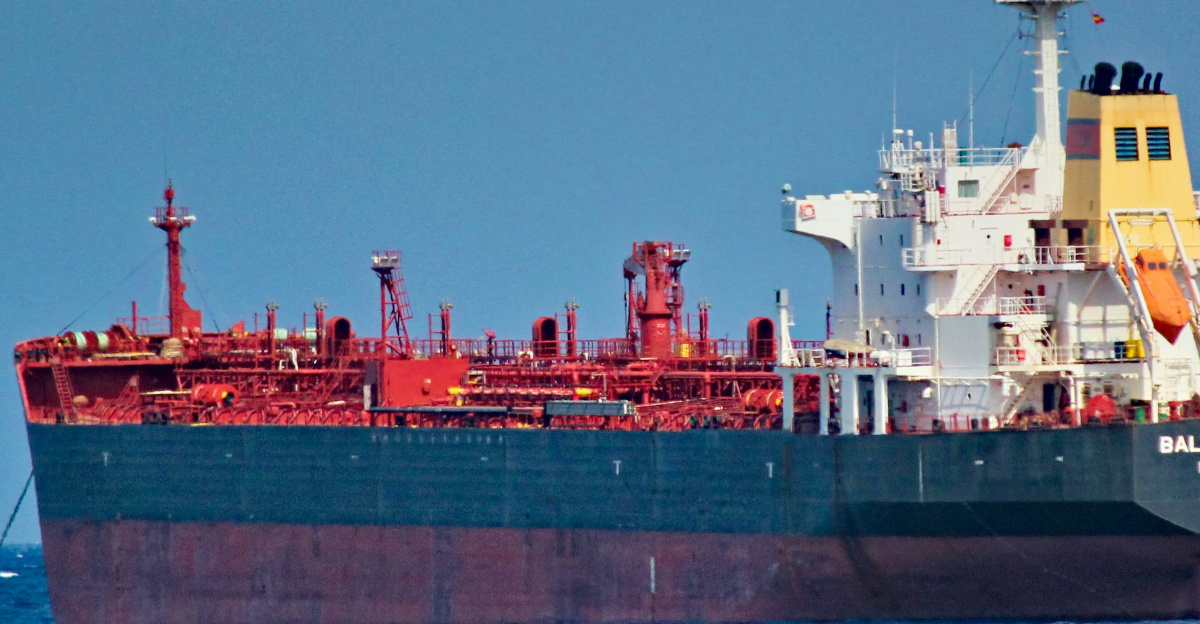
Crude and product tankers can carry anywhere from tens of thousands to several hundred thousand barrels of oil per voyage, depending on vessel class and loading. Damage or loss of a tanker can disrupt the ship itself, any cargo on board, and voyage schedules, and it can influence risk assessments for similar routes or operators.
According to official Russian data and international analyses, oil and gas revenues have made up a substantial share of Russia’s federal budget in recent years, commonly estimated in the range of roughly one‑third to nearly half of total revenue. This reliance on hydrocarbon exports makes stable maritime logistics an important factor for overall budgetary and economic resilience.
Risk in Maritime Trade
When shipping faces new threats—such as conflict, piracy, or tighter enforcement—participants typically reassess risk and costs. During the 2008–2012 piracy surge in the Gulf of Aden, for example, war‑risk and related premiums rose sharply compared with pre‑crisis levels, as documented in industry and policy reports.
Similar mechanisms apply in other regions: if shipowners, charterers, and insurers perceive a higher chance of vessels being attacked, detained, or sanctioned, they may reroute ships, adjust pricing, or reduce exposure to affected trades. This dynamic is relevant to operators involved with opaque or high‑risk Russian‑linked shipments.
Coverage and Scrutiny
Incidents involving tankers—such as groundings, collisions, or spills—often prompt reviews by insurers, flag states, and port authorities. For the Russian‑linked shadow fleet, shipping databases and industry reporting indicate that many vessels are in their mid‑teens or older in terms of age, a profile generally associated with higher technical and environmental risk compared with newer ships.
Several recent high‑profile accidents and pollution events worldwide involving older tankers have heightened concern over safety standards in less transparent segments of the market. These concerns can lead to stricter inspections, more conservative underwriting, and closer scrutiny of ownership and operational practices.
Wider Implications: Trade Shifts and Rules
Sanctions, price caps, and security risks affecting Russian oil exports have contributed to shifts in global trade patterns. Data from European institutions and the International Energy Agency show that European countries have significantly reduced their imports of Russian oil since 2022, with larger volumes redirected to buyers in Asia and other regions.
At the same time, the growth of opaque shipping practices—including “dark” voyages with Automatic Identification System (AIS) signals switched off—has helped spur discussions at the International Maritime Organization and among member states about AIS compliance, monitoring of ship‑to‑ship transfers, and improved transparency around beneficial ownership in the tanker sector.
Place in Ongoing Conflict Dynamics
Russia’s use of a large, aging, and relatively opaque shadow fleet is now a central feature of how its sanctioned oil reaches global markets. Historical and current examples show that disruptions to maritime energy logistics—whether through conflict, regulation, or accidents—can interact with sanctions and market rerouting to affect export volumes, costs, and state revenues.
In the context of the war in Ukraine, these dynamics form part of a broader contest over economic sustainment, where shipping risks, insurance decisions, and regulatory responses all help shape the effectiveness of sanctions and the resilience of Russia’s oil‑export system.
Sources:
- “Russia’s shadow fleet − Formation, operation and continued risks” – S&P Global Market Intelligence
- “Russia’s shadow tankers: sanctions‑busting and pollution threat” – Centre for Research on Energy and Clean Air (CREA)
- “Russia’s growing dark fleet: Risks for the global maritime market” – Atlantic Council
- “Russia’s Shadow Fleet: A Masterclass in Sanctions Evasion” – Geopolitical Monitor
- “What effects have energy sanctions had on Russia’s ability to wage war?” – Economics Observatory
- “Russia’s LNG Shadow Fleet Sails, Buyers Unknown” – Asia Sentinel