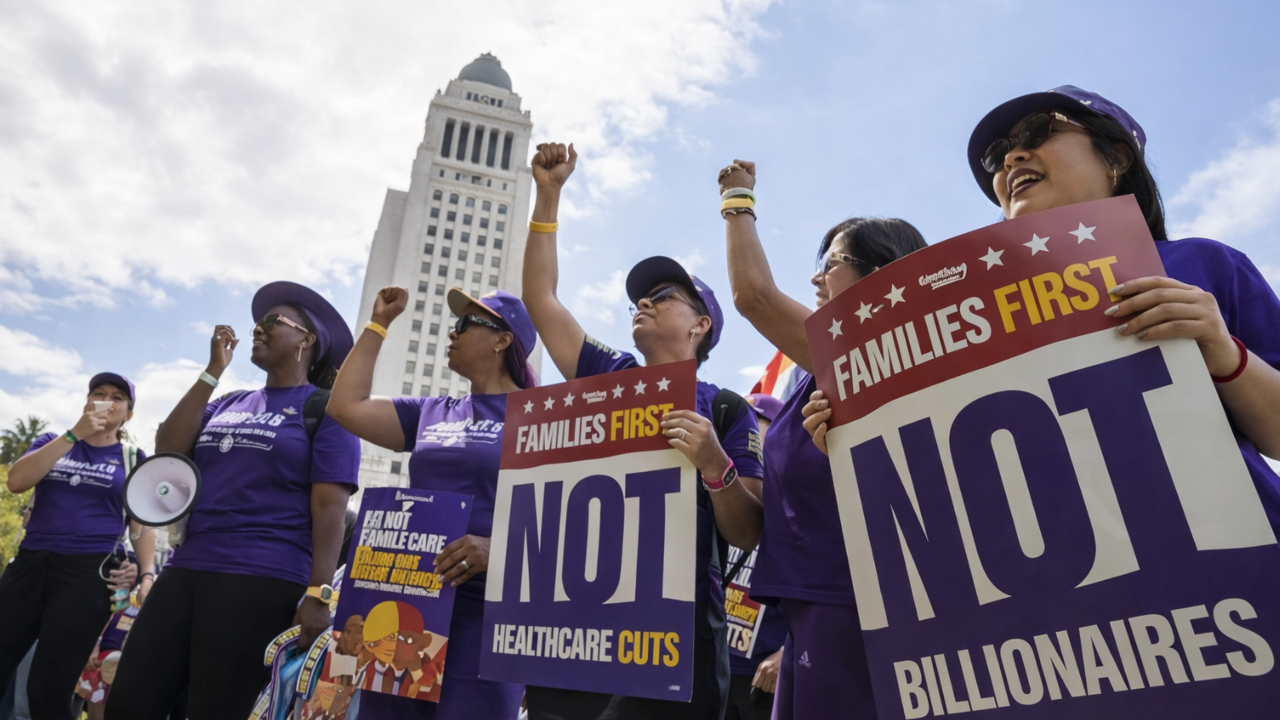
California’s ultra-wealthy are accelerating their departures from the state ahead of a pivotal January 1, 2026, residency deadline tied to a proposed wealth tax. Tax strategist David Lesperance reports that his billionaire clients are already registering to vote elsewhere and booking DMV appointments outside California, treating the measure as an imminent threat despite its November 2026 ballot date.
Around 200 billionaires, controlling roughly $2 trillion in wealth, stand to face a one-time 5% tax under the union-backed Billionaire Tax Act. Proponents aim to raise $100 billion over five years to address shortfalls in Medicaid, schools, and food assistance for 40 million residents. Yet the state’s richest residents, including figures like Mark Zuckerberg and Jensen Huang, view the policy as a signal to relocate preemptively, sparking a high-stakes race between exodus plans and signature-gathering efforts.
The Financial Calculations
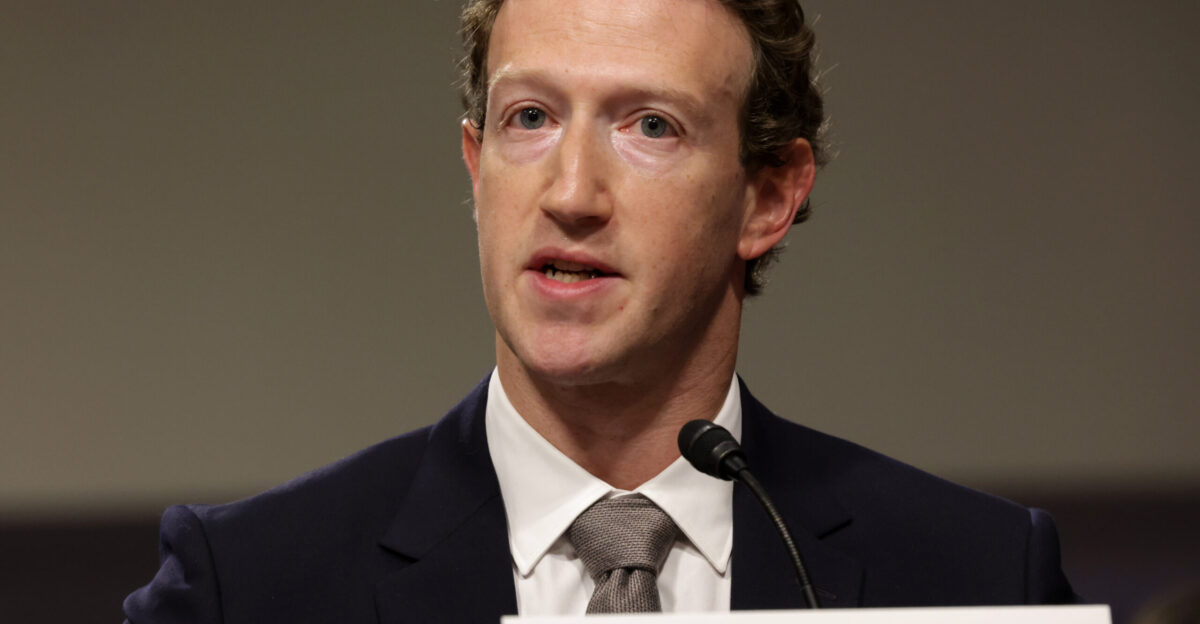
For individuals like Zuckerberg, with a net worth exceeding $200 billion, the tax could demand about $10 billion. Huang, at $162 billion, might owe $8 billion, while Larry Page, valued at $212 billion, faces over $10 billion. Lesperance notes that such clients operate global businesses and see no need to remain in places like Palo Alto, echoing moves by Elon Musk to Texas and Tim Cook’s flexible arrangements. The math compels action: establish non-residency before the deadline, and the tax vanishes regardless of prior wealth accumulation in California.
The Critical Deadline
Residency on January 1, 2026, determines liability, creating urgency that overshadows the ballot process. Signature collection for the roughly 870,000 needed to qualify begins in early 2026, with a vote in November. Billionaires prioritize exit strategies over these steps, consulting attorneys on voter registration, DMV changes, asset transfers, trusts, and business relocations. Lesperance describes clients as bolting at the first whiff of the policy, with surges expected in late December 2025.
Opposition and Exodus Signals
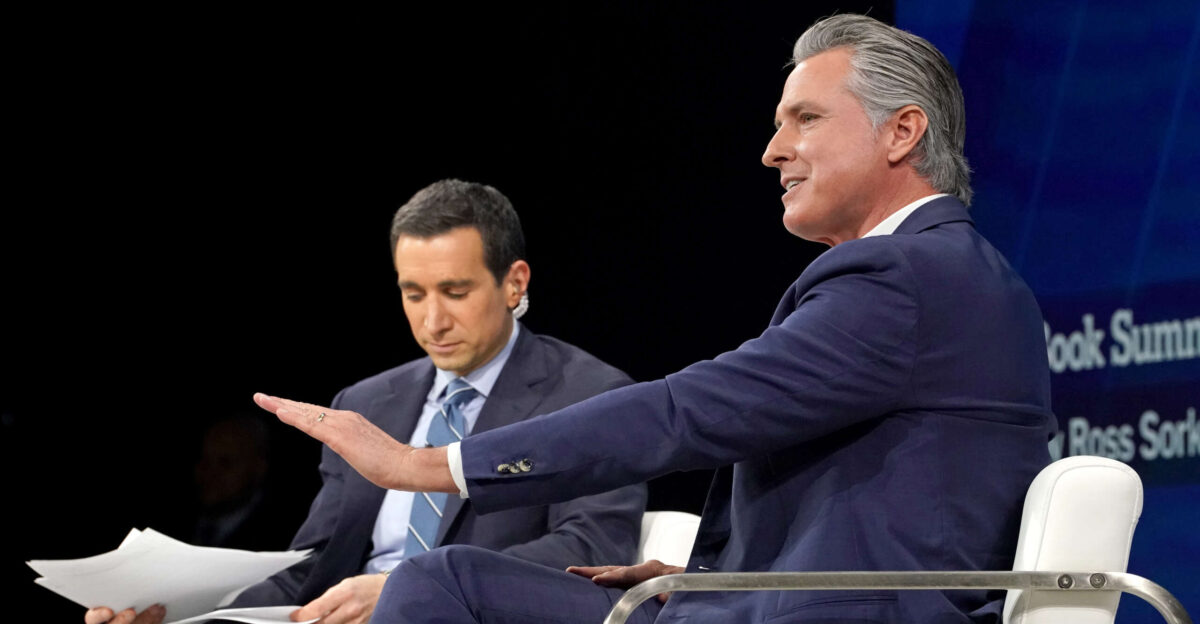
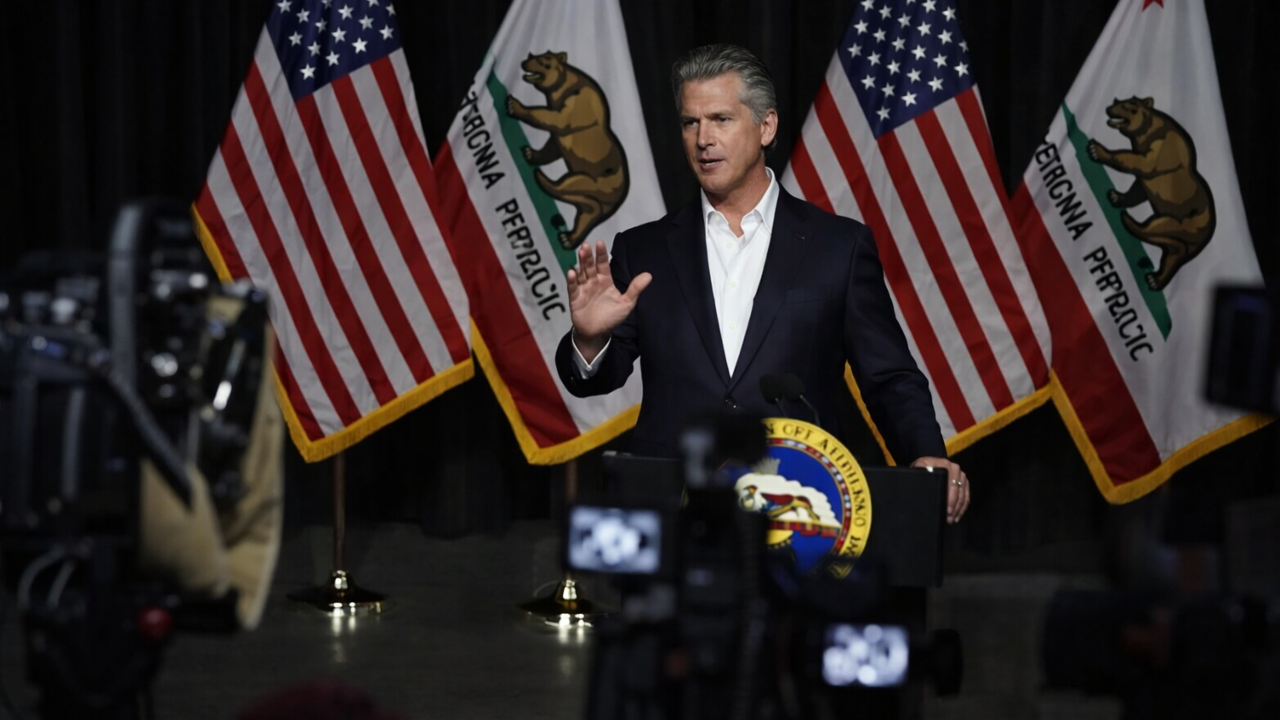
Governor Gavin Newsom opposes the measure, aligning with business leaders who warn of economic fallout. Y Combinator CEO Garry Tan states that while unaffected personally, he backs retention of entrepreneurs and investors. Venture capitalist Ron Conway contributed $100,000 to the “Stop the Squeeze” campaign against it. Entrepreneur Chamath Palihapitiya predicted on the All-In podcast that no billionaires would remain, citing perceptions of hostility toward wealth creators. Cryptocurrency advisor David Sacks highlighted California’s unwelcoming stance for businesspeople.
Destination Shifts and Risks
Texas, Florida, and Nevada draw relocations with no state income or wealth taxes. California hosts about 255 billionaires, a quarter of the U.S. total; losing even 25%—say, three major figures—could forfeit $30 billion in projected revenue, undermining the $20 billion annual goal and straining budgets for essential services. Beyond direct taxes, departures threaten venture capital ecosystems, startup funding, jobs, and property tax bases from luxury holdings like Zuckerberg’s $110 million Palo Alto portfolio or Huang’s $55 million in San Francisco-area properties. A seller’s flood could depress high-end real estate values.
Legal and Broader Hurdles

The proposal invites constitutional scrutiny under the U.S. Equal Protection Clause, California’s Uniformity Clause, and property tax limits. Its alternative valuation—potentially deducting as little as 25% of net worth—may not equitably capture California-sourced wealth, spurring litigation that could block, suspend, or alter it. No U.S. state has sustained a wealth tax; past efforts like Vermont’s failed amid valuation disputes for private assets and art. Unions counter that billionaires, paying under 1.5% of wealth annually in state taxes, can absorb the hit—a $200 billion fortune yields $10 billion once, or $2 billion yearly over five years—but principles of mobility prevail for the targets.
As signature drives intensify through spring 2026, the paradox sharpens: by November’s vote, most billionaires may already be gone, rendering approval moot and deepening shortfalls, or legal battles could delay revenue indefinitely. Ordinary Californians face divergent paths—bolstered services if targets stay and prevail in court, or cuts and broader tax hikes if flight accelerates—hinging on decisions made not at polls, but in DMV lines and boardrooms this month.
Sources:
New York Post – David Lesperance tax strategist interviews
New York Post – Garry Tan Y Combinator CEO statement
All-In Podcast – Chamath Palihapitiya billionaire exodus prediction
UC Berkeley – Emmanuel Saez economist wealth tax analysis
Realtor.com – California billionaire concentration and real estate market data