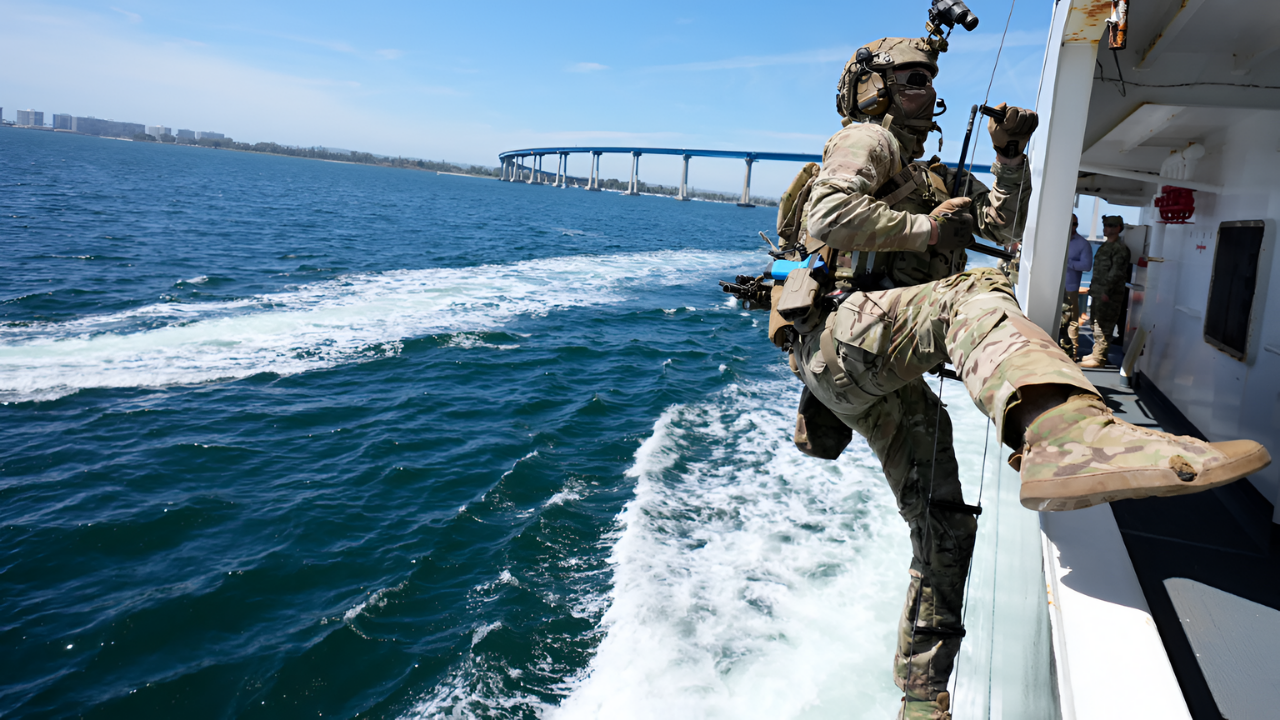
The Caribbean Sea has emerged as a critical flashpoint in global oil politics. In a remarkable escalation, U.S. forces recently intercepted several tankers carrying Venezuelan crude oil, following President Trump’s declaration on December 17, 2025, of a “total and complete blockade” against Venezuela.
This measure aims to stifle the economic lifeblood of the Maduro regime, raising questions about the extent of U.S. intervention and its potential global repercussions. As the situation unfolds, the world watches closely to see how far Washington will go to exert pressure on Caracas.
Naval Buildup Accelerates
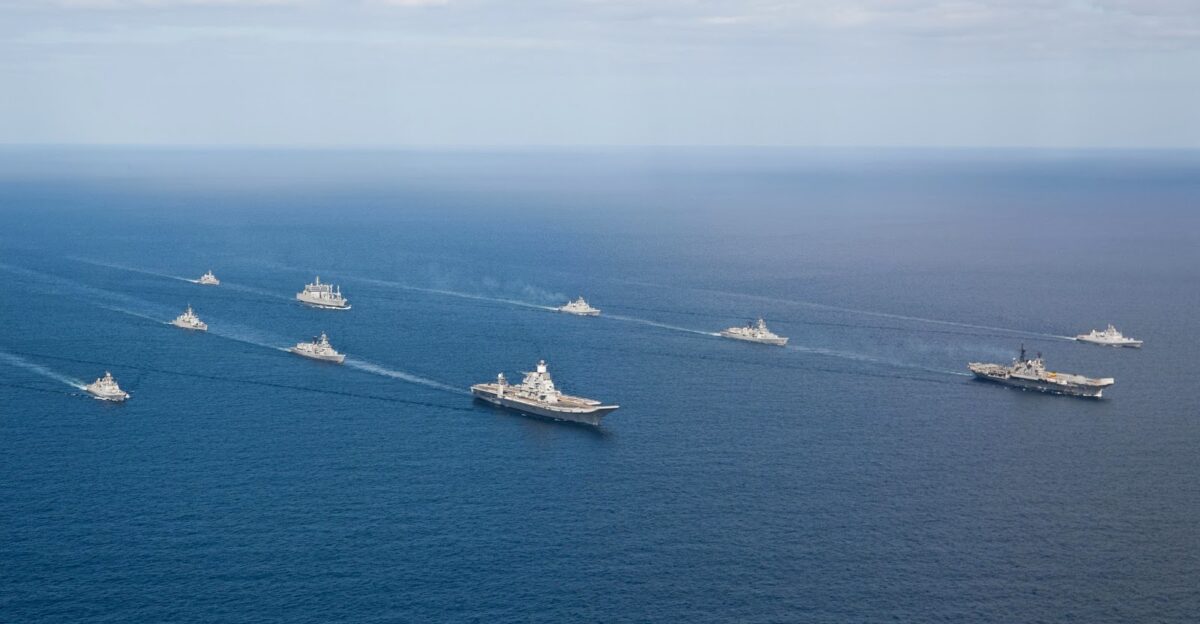
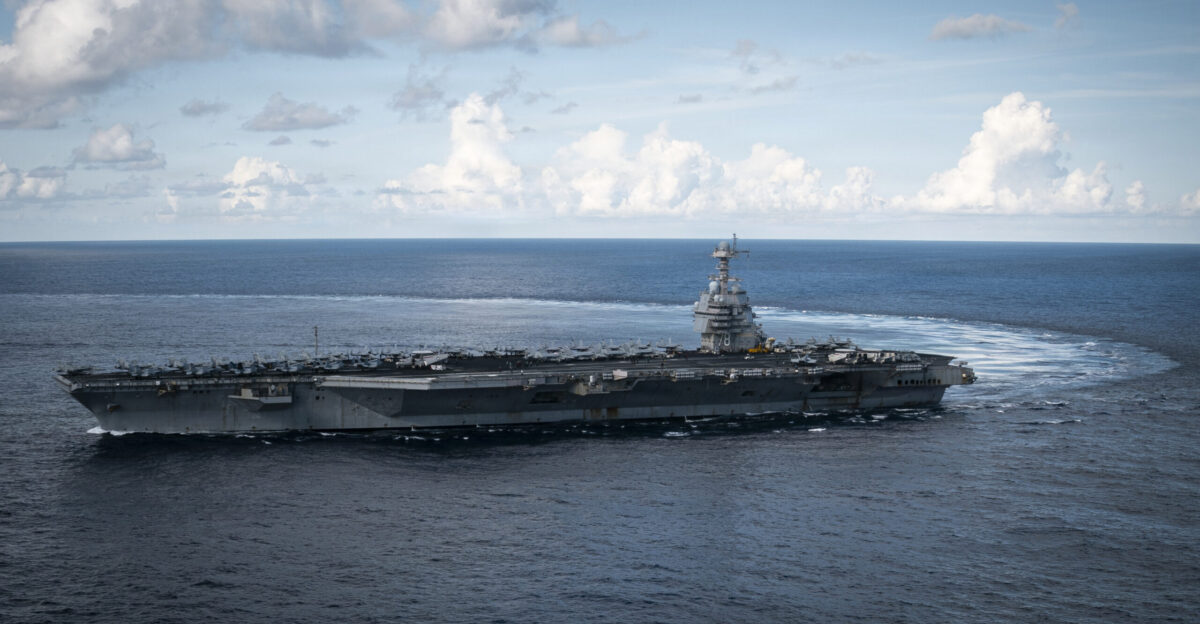
In the wake of the blockade, the U.S. has assembled an imposing naval presence in Caribbean waters. This flotilla comprises 11 warships, including the USS Gerald R. Ford, a formidable nuclear aircraft carrier. Approximately 15,000 personnel support this operation, which has intensified since August 2025.
President Nicolás Maduro has decried this military posture as “an act of war preparation.” Adding to the tensions, China, the largest buyer of Venezuelan oil, condemned the blockade as a breach of international law, signaling a rift in the complex geopolitical landscape surrounding this crisis.
Venezuela’s Oil Crisis Deepens
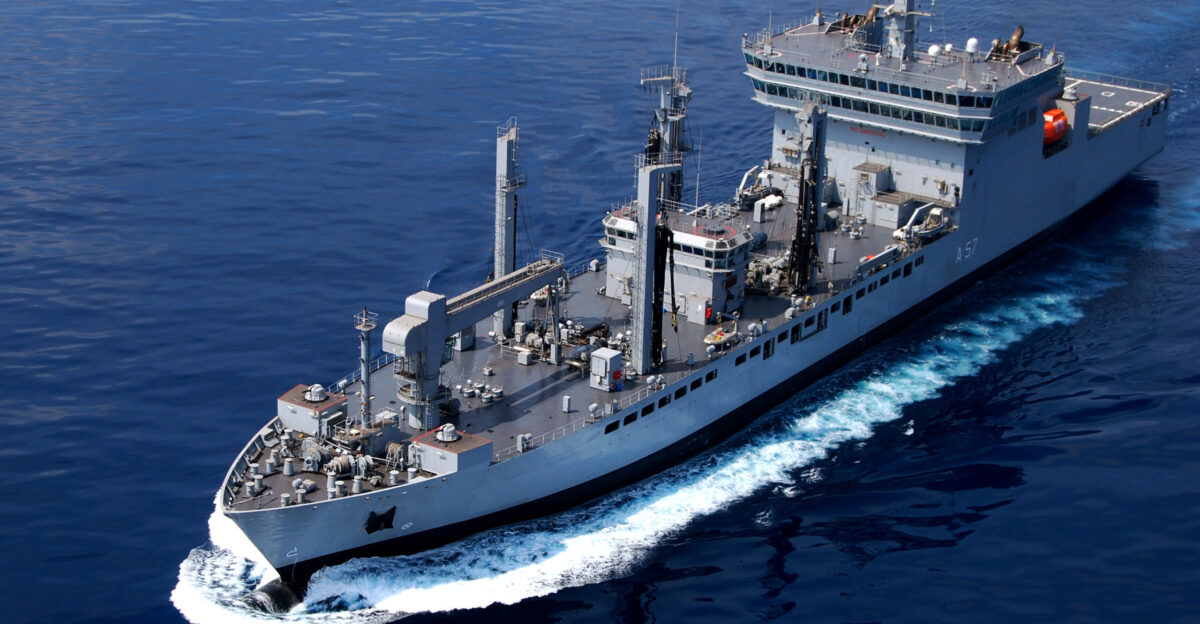
Although Venezuela holds over 300 billion barrels of the world’s largest proven crude reserves, its economy is in freefall. Annual oil production has drastically dwindled from 3 million barrels per day in 2011 to below 900,000 bpd by 2025.
The country relies on oil for an astonishing 90% of its export earnings. A combination of international sanctions, outdated infrastructure, and rampant capital flight has crippled this sector. Now, the U.S.-led interdiction campaign threatens Venezuela’s final revenue stream: illicit tanker shipments to Asia, increasing pressure on an already beleaguered economy.
The “Shadow Fleet” Grows
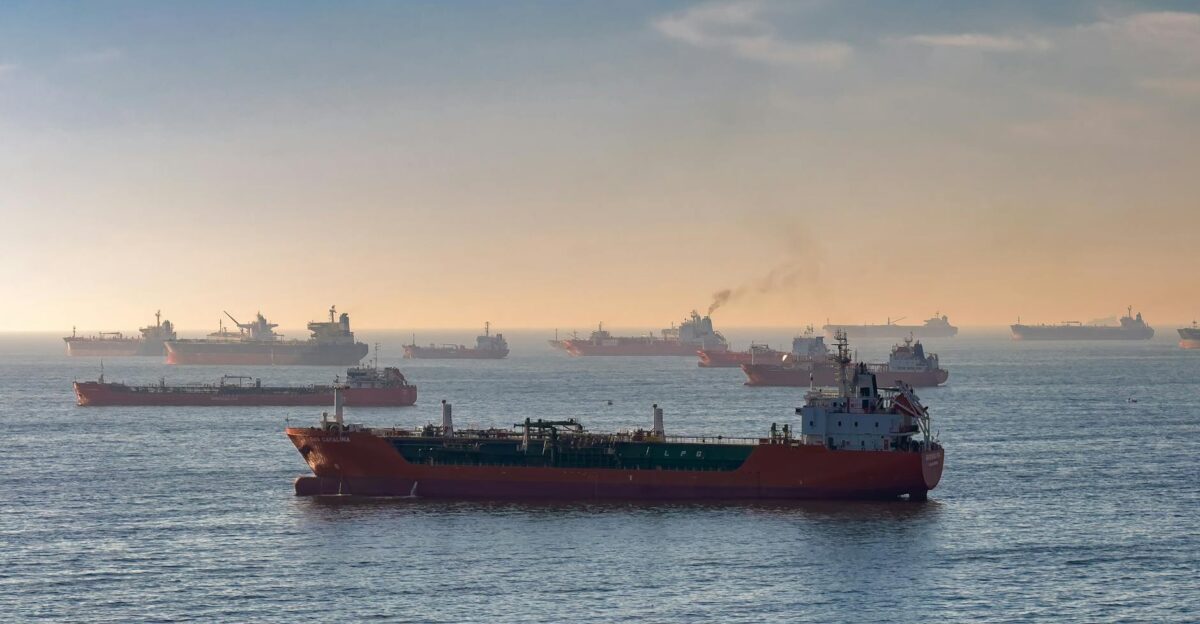
As the blockade tightens, more than 70 oil tankers operate in Venezuelan waters using clandestine methods to avoid detection. These vessels turn off GPS systems, fly false flags, and engage intermediaries to conceal their ownership.
Approximately 38 are currently under U.S. sanctions, with at least 15 boats actively carrying crude or fuel prepared for export. This so-called “shadow fleet” serves as the lifeline for PDVSA, Venezuela’s state oil company, enabling sales to independent Chinese refiners even in the face of stringent U.S. restrictions enacted since 2019.
The Centuries Seizure
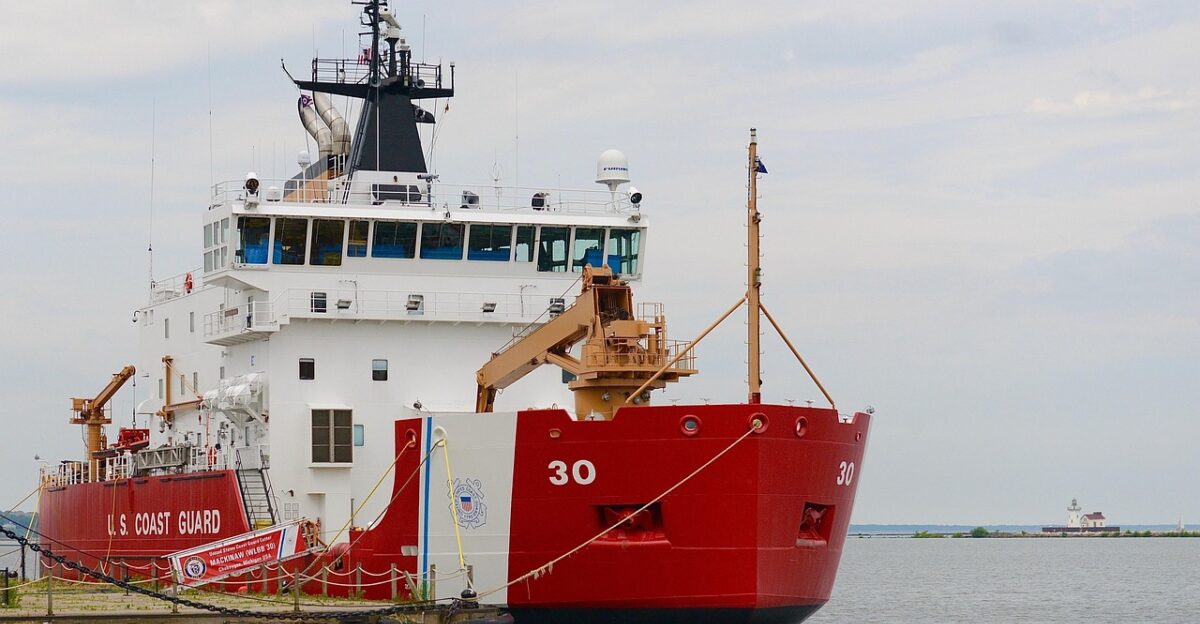
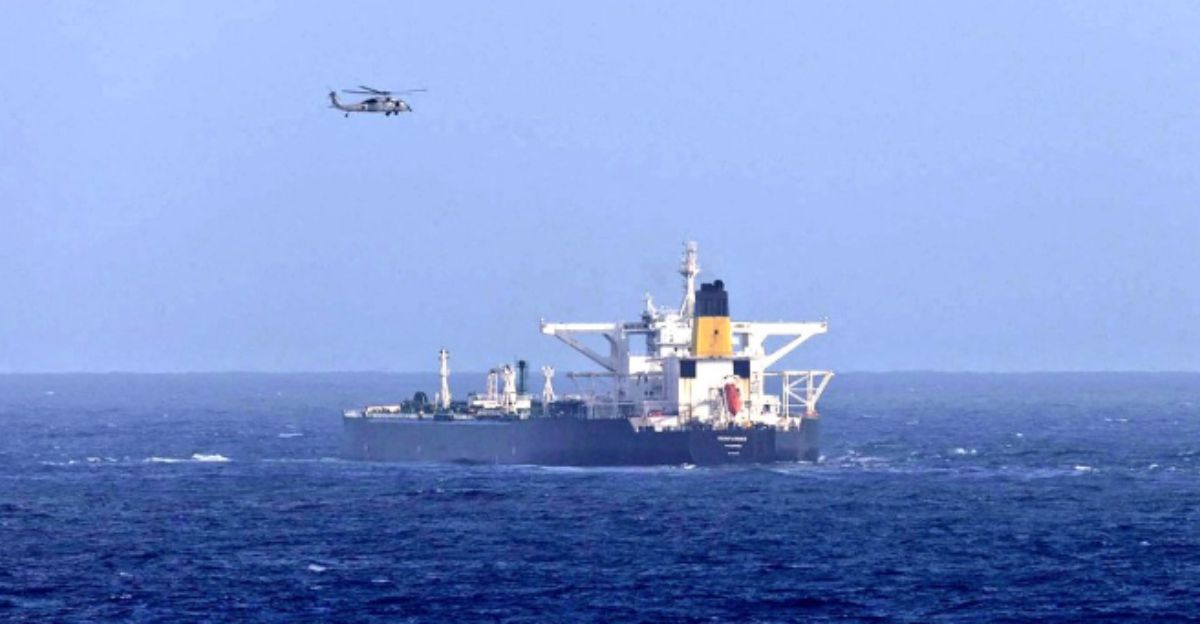
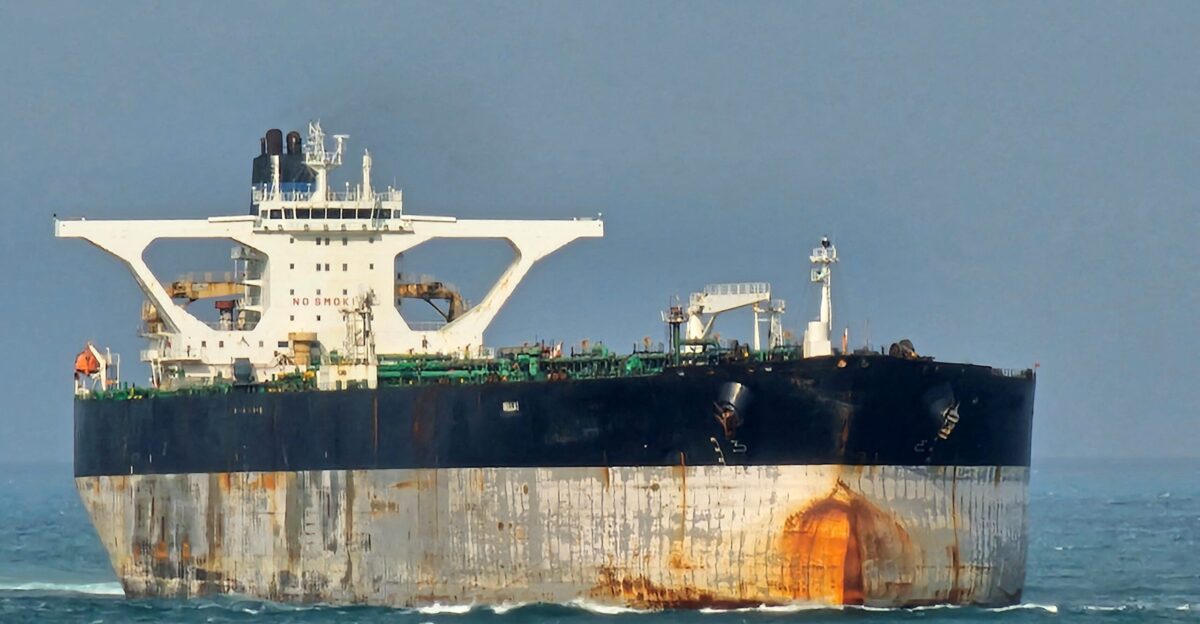
On December 20, 2025, the U.S. Coast Guard made a significant interception in international waters, seizing the Panama-flagged tanker Centuries, which was carrying 1.8 million barrels of Venezuelan Merey crude oil destined for China.
The operation featured a Coast Guard Helicopter Interdiction Tactical Squadron boarding the ship via helicopter insertion. This marked the second major seizure in just ten days, following the earlier capture of the tanker Skipper. A third vessel, the Bella 1, remains actively pursued by U.S. forces.
Caracas Calls It “Piracy”
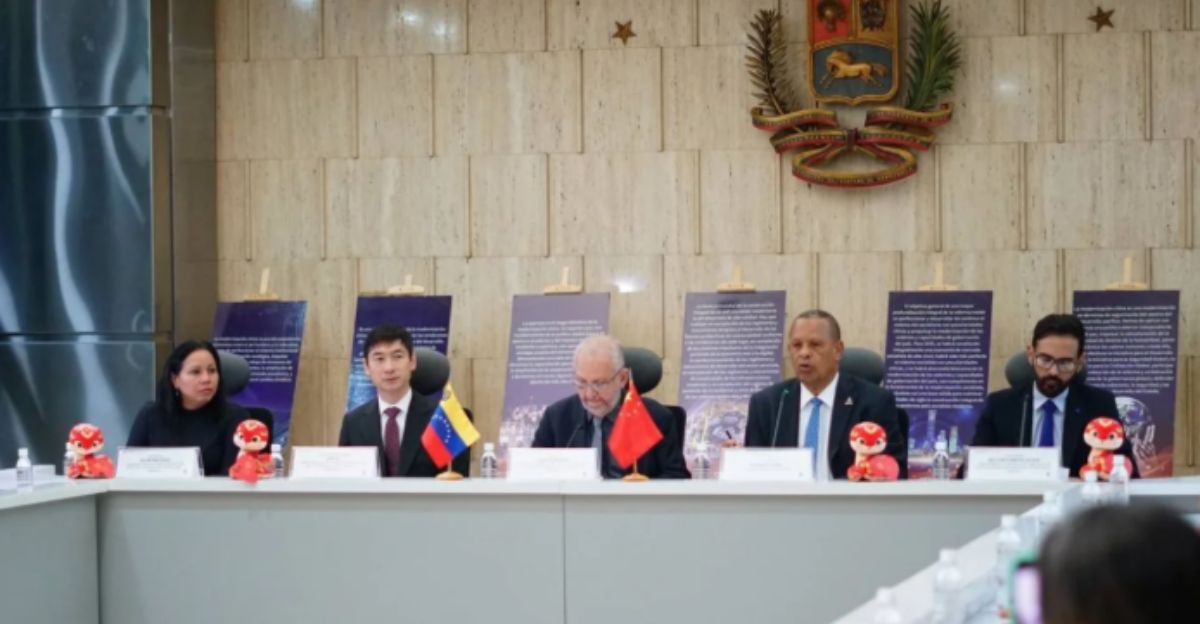
In a swift response, Venezuela’s Foreign Ministry condemned the seizure of the Centuries as “international piracy” and declared it a case of “theft and hijacking,” escalating diplomatic tensions. Venezuelan officials assert that the Centuries was not on the sanction list at the time of boarding, introducing a layer of legal ambiguity that complicates the U.S. stance.
Operating in international waters, well outside Venezuela’s exclusive economic zone, the seizure has drawn Maduro’s ire, as he threatens retaliation, leaving specifics vague yet ominous.
Beijing’s Sharp Rebuke
Beijing reacted promptly to the U.S. seizure of the Centuries, labeling it a “serious violation of international law” and asserting it jeopardized freedom of navigation. Since China imports a significant portion of its oil from Venezuela, the incident strained diplomatic relations.
Owned by a Hong Kong-based company, the vessel’s seizure has intensified discussions about whether the U.S. is weaponizing maritime commerce and international laws, complicating its relationship with China, which views Latin American oil markets as critical to its energy security.
The Sanctions Paradox
Homeland Security Secretary Kristi Noem declared that seized oil “funds narco-terrorism in the region.” Yet, the Centuries itself was not listed among sanctioned entities at the time of the seizure. The U.S. contends that the cargo rather than the vessel is subject to sanctions, a nuance that legal experts believe raises concerns over international law standards.
According to Hughes Hubbard analyst Jeremy Paner, this ambiguity represents a troubling expansion of U.S. actions beyond its stated policy and has alarmed the international community regarding potential legal precedents.
China’s Broader Response
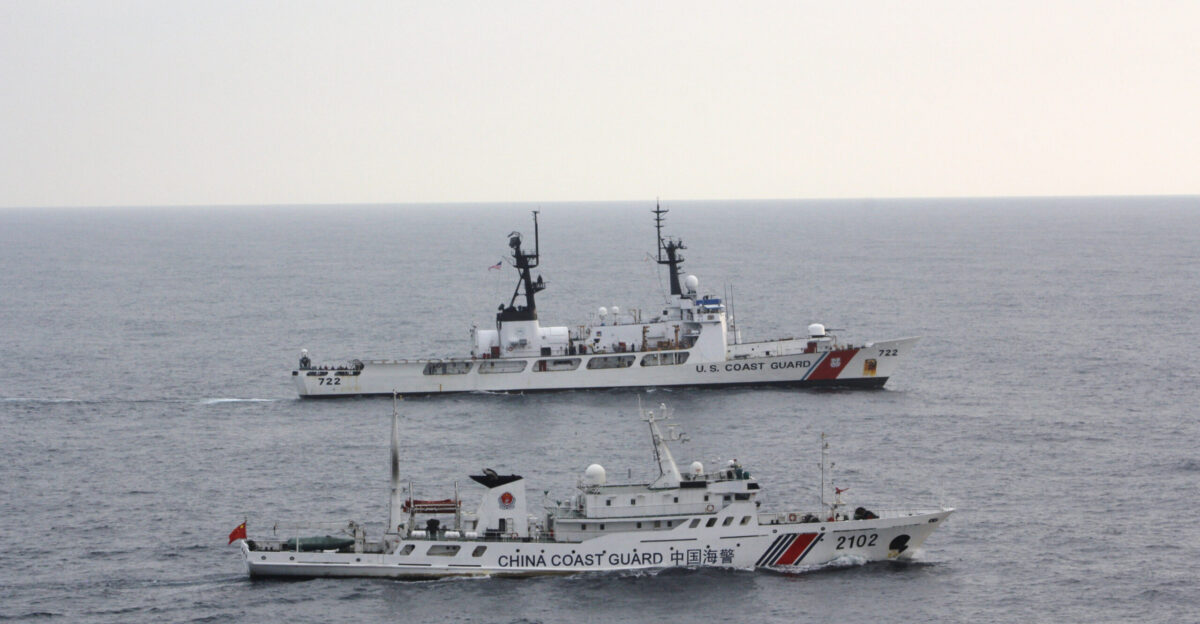
The fallout from the U.S. seizure has prompted China to strengthen its engagement with Venezuela further, thereby reinforcing bilateral ties. Analysts note that this incident could encourage Beijing to increase investments in Venezuelan oil projects as a countermeasure against U.S. actions.
Furthermore, any disruptions in global oil supplies could heighten tensions and impact oil prices worldwide, especially given China’s reliance on Venezuela for its energy security. In an era where energy dependency is intensifying, such geopolitical moves could reshape regional alliances.
Experts Weigh In
“It’s a risky game,” says Jeremy Paner, an analyst at Hughes Hubbard. “The U.S. is pushing boundaries that could trigger unforeseen repercussions.” His concern echoes among observers, considering how this episode exemplifies the complexities of international maritime law within the context of geopolitical rivalry.
Meanwhile, Venezuelan officials emphasize their determination to retain control over their valuable resources, suggesting that the stakes have never been higher for both nations involved. As developments continue to unfold, the world watches with bated breath.
The Economic Ramifications
The U.S. blockade against Venezuela has far-reaching economic implications, not only for the Maduro regime but also for global oil markets. As the U.S. blocks Venezuelan oil shipments, oil prices may fluctuate sharply, impacting economies that rely on stable oil sources.
Experts argue that while the U.S. may aim to destabilize Venezuela’s economy further, the collateral damage could extend to international oil prices, affecting even those countries that are not directly involved in the conflict. As prices rise, consumer markets may feel the strain.
Future of Venezuelan Oil
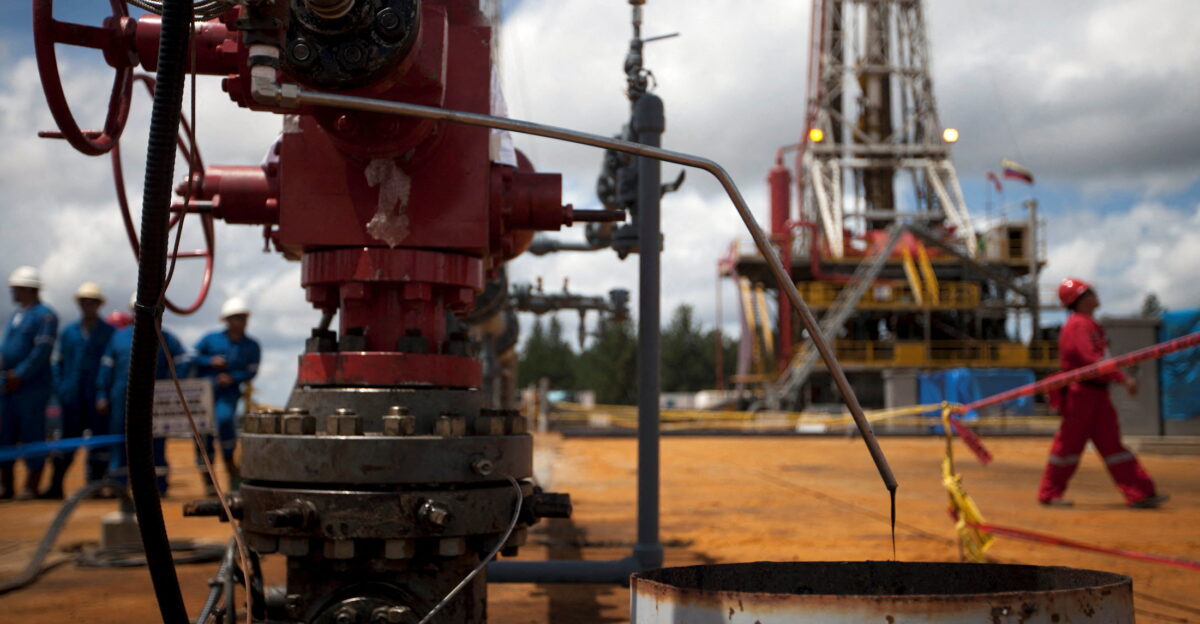
The future of Venezuelan oil remains precarious amid intensified U.S. efforts to curtail illicit sales. Officials warn that ongoing sanctions may lead to further economic dislocation within the country, potentially triggering a humanitarian crisis.
The government’s ability to manage disruptions resulting from the blockade is uncertain. With international partners like China poised to respond, the battle for Venezuela’s oil resources not only shapes its national future but also influences the strategic decisions of major powers engaged in the region.
The Impact on Workers
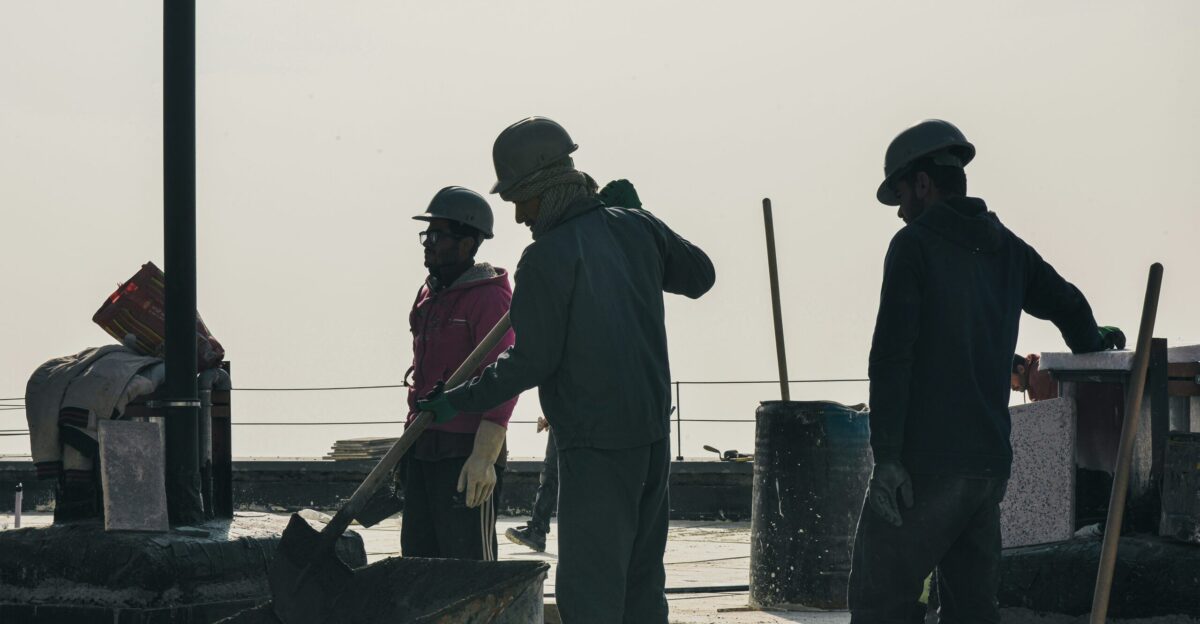
Oil workers in Venezuela face an increasingly uncertain future amid government austerity and U.S. sanctions. “We work hard to pump oil, but our livelihoods vanish as every shipment is blocked,” shares Roberto, a refinery worker.
Many see their jobs vanish as PDVSA struggles to keep up production levels while under escalating pressure. Employment in the oil sector is crucial for numerous families, making the economic consequences of the international blockade feel unbearable for those directly affected.
The Influence of Sanctions
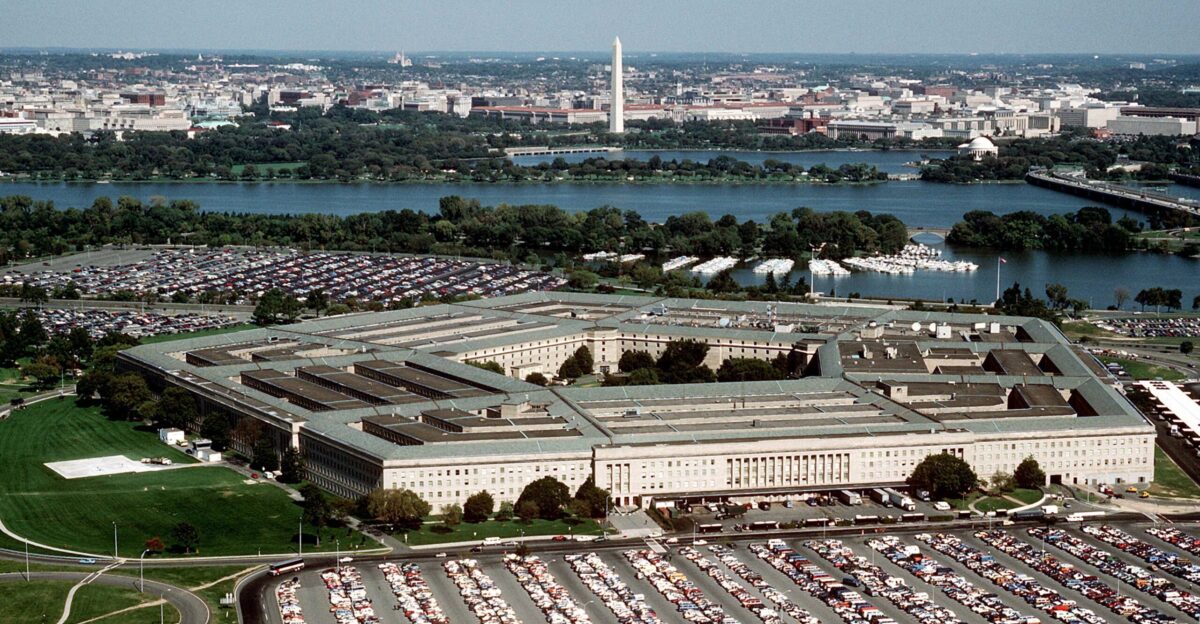
As sanctions complicate Venezuela’s access to international finance, companies seeking to engage with the oil sector are wary of U.S. repercussions. The ambiguity surrounding legal interpretations of sanctions means that businesses face operational uncertainty.
According to energy consultant Sofia Ramirez, “Companies are hesitant to invest when the risk grows day by day.” This uncertainty creates a cycle of isolation for the Maduro regime and narrows options for legitimate economic growth in the already beleaguered nation.
International Law Perspectives

Legal experts are closely monitoring the impact of these tanker seizures on international maritime law. The ongoing U.S. operations may establish a precedent that allows countries to intervene in shipping under specific circumstances.
According to marine law analyst Anne Marie Haines, “This could redefine rules governing international waters, as nations respond to perceived threats with military force.” The consequences of such actions could prompt debates on sovereignty, legal jurisdiction, and the future clarity of international maritime laws.
Regional Feedback Loops
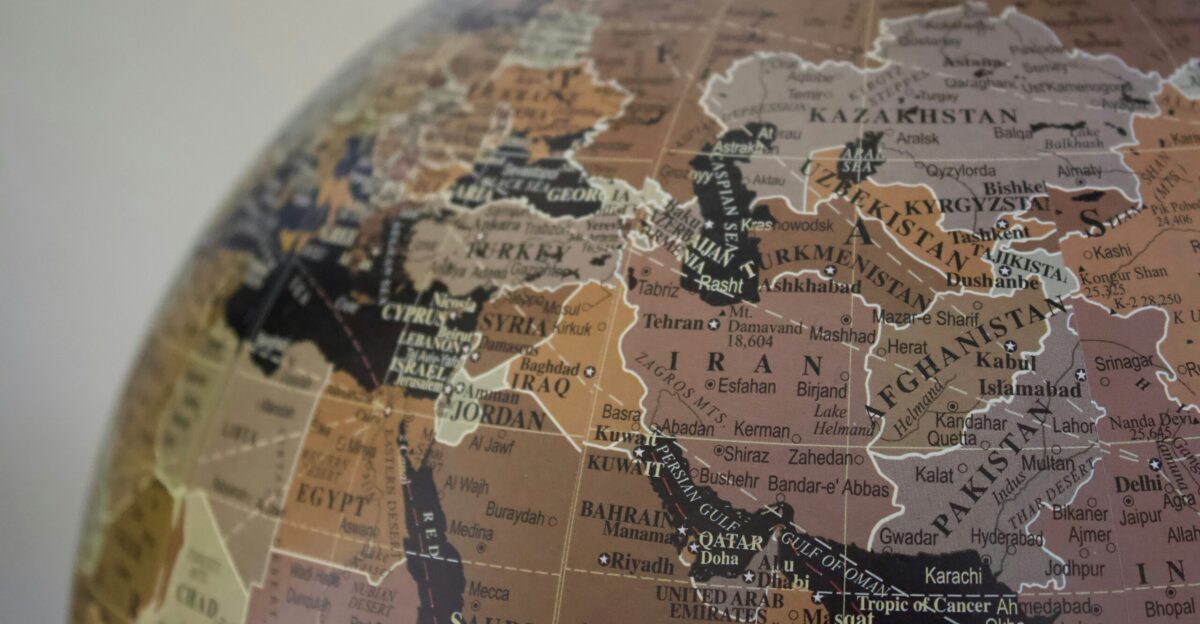
The geopolitical maelstrom surrounding Venezuela may have cascading effects across Latin America. Neighboring countries are cautious about aligning too closely with either the U.S. or Venezuela; they fear potential repercussions.
“Every action reacts,” states Latin American expert Carla Mendes. Regional alliances may shift as countries assess their own security interests and energy dependencies. The conflict not only embodies a struggle over oil but also serves as a referendum on national sovereignty in the realm of international relations.
The Global Oil Landscape
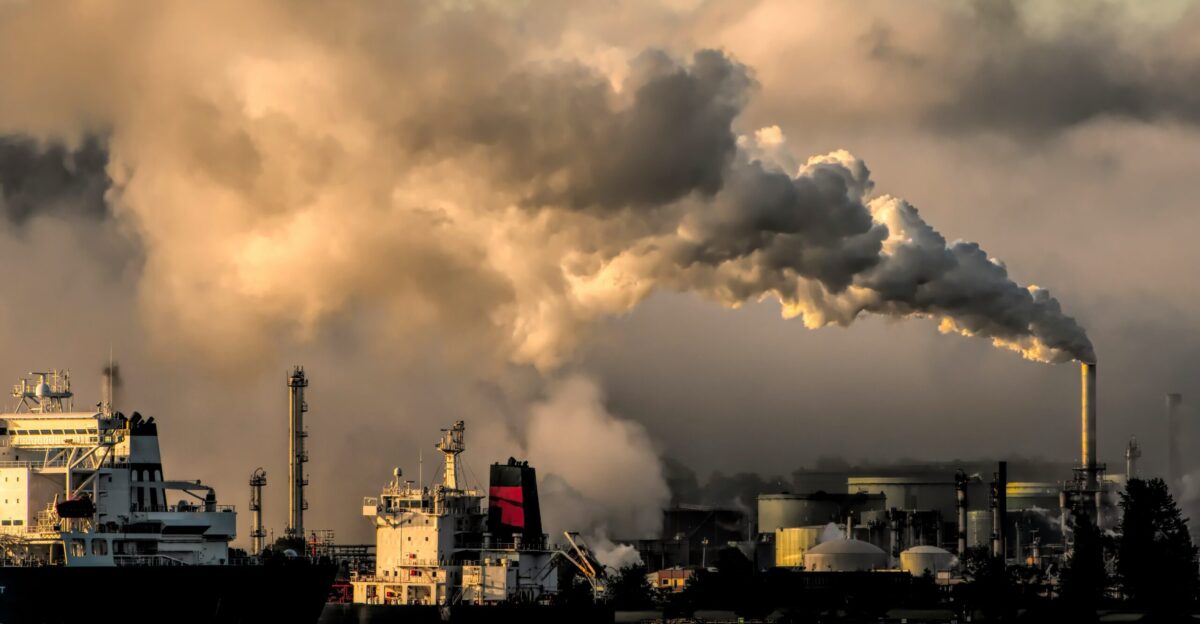
As Venezuela’s conflict over its oil resources unfolds, it invites comparisons to previous geopolitical oil crises. Analysts suggest the implications of U.S. actions reverberate through global supply chains, affecting nations involved in the oil trade.
Energy markets could experience volatility as countries adjust to the loss of Venezuelan oil, prompting strategic realignments and broader considerations of energy security. Shifts in supply could place further strain on already volatile economies reliant on stable oil pricing.
Strategic Outcomes for Both Nations
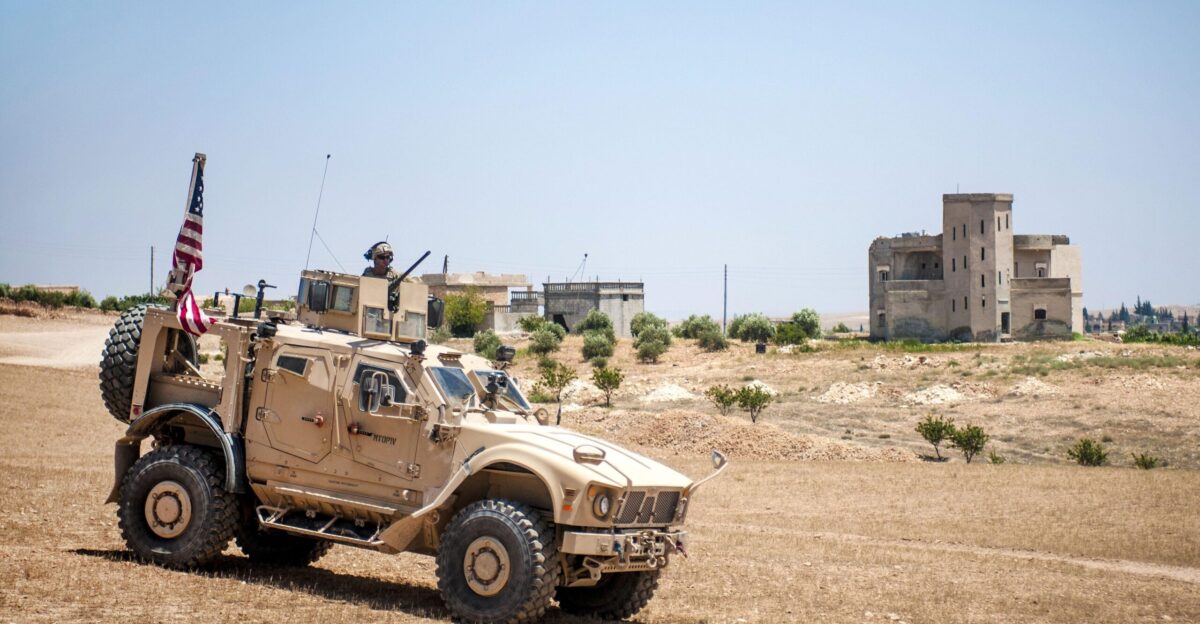
The U.S. blockade and military presence signify a decisive strategy against the Maduro regime, while also serving as a strategic foothold in the Caribbean. For Venezuela, the ongoing oil conflict may fortify its relationships with countries opposed to U.S. influence, particularly China.
“We have allies beyond our borders,” claims a spokesperson from Venezuela’s Foreign Ministry. The determination displayed during this crisis suggests a reconfiguring of geopolitical alliances that may endure for years to come.
Potential Resolutions
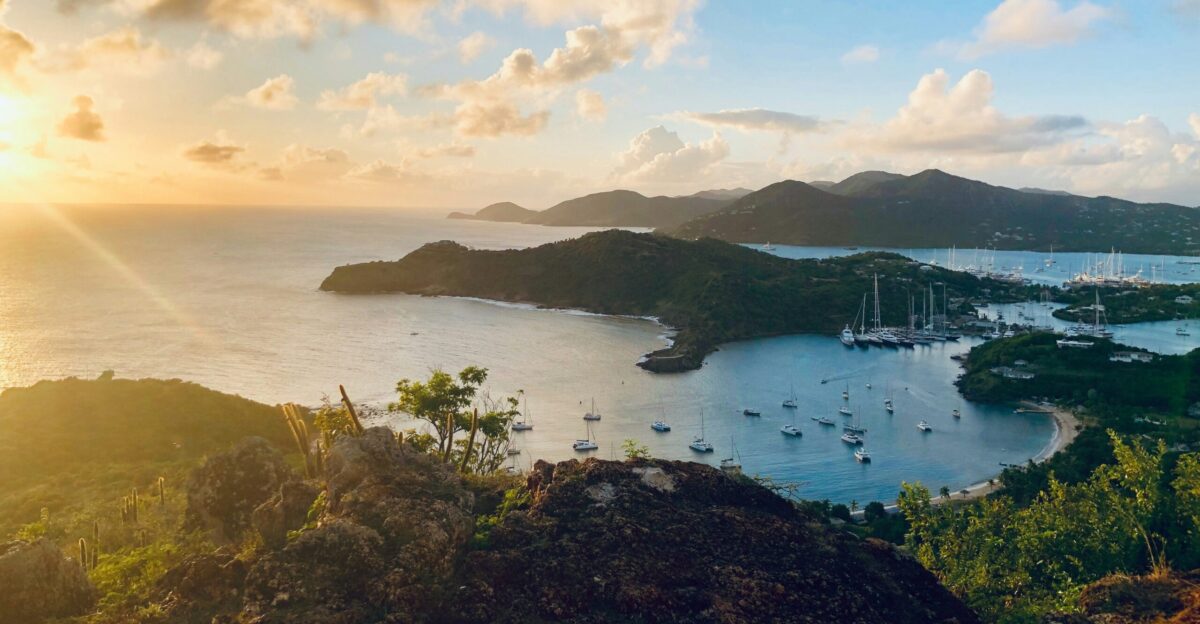
As tensions persist in the Caribbean, the potential for resolution remains uncertain. Diplomatic channels may need to reopen to navigate the complexities of international law and economic repercussions. Global stakeholders have an interest in avoiding extensive conflict over resources.
Observers believe dialogue may be necessary to find alternative resolutions, but the willingness of major powers to compromise is currently in question. “Peaceful negotiation is possible, but it requires a change in approach,” states diplomatic analyst Louis Krieger.
A Tenuous Balance
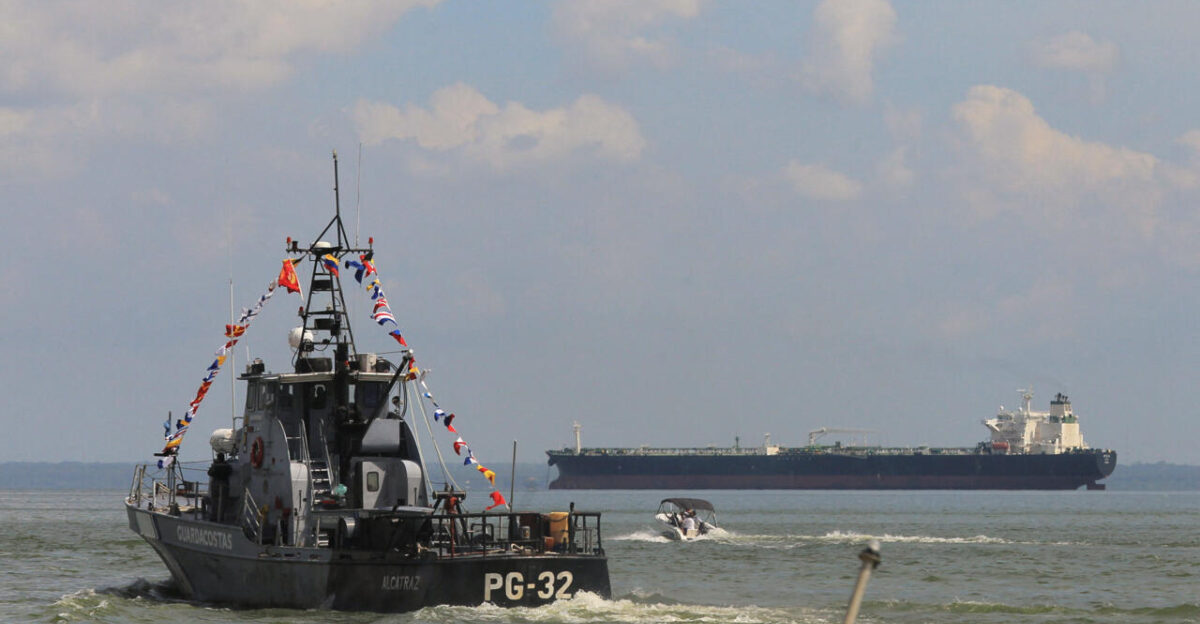
The situation in the Caribbean, reflecting the U.S.-led blockade on Venezuelan oil, is a high-stakes game fraught with complexity. The impending ramifications will shape the future of both nations and redraw the power dynamics within global oil markets.
Key variables, such as international responses and how neighboring countries align with either side, will dictate the trajectory of this unfolding crisis. As all eyes remain fixed on the Caribbean, the interconnected nature of energy politics continues to reveal a delicate balance in a rapidly changing world.
Source:
CNN – Trump orders ‘total and complete blockade’ of sanctioned oil tankers near Venezuela
New York Times – U.S. Coast Guard Boards Tanker Carrying Venezuelan Oil
Reuters – US Intercepts Another Vessel Near Venezuela, Officials Say
CNBC – How U.S. Oil Tanker Seizures Targeting Venezuela Impact China, Global Markets
International Energy Agency – Oil Market Report, December 2025