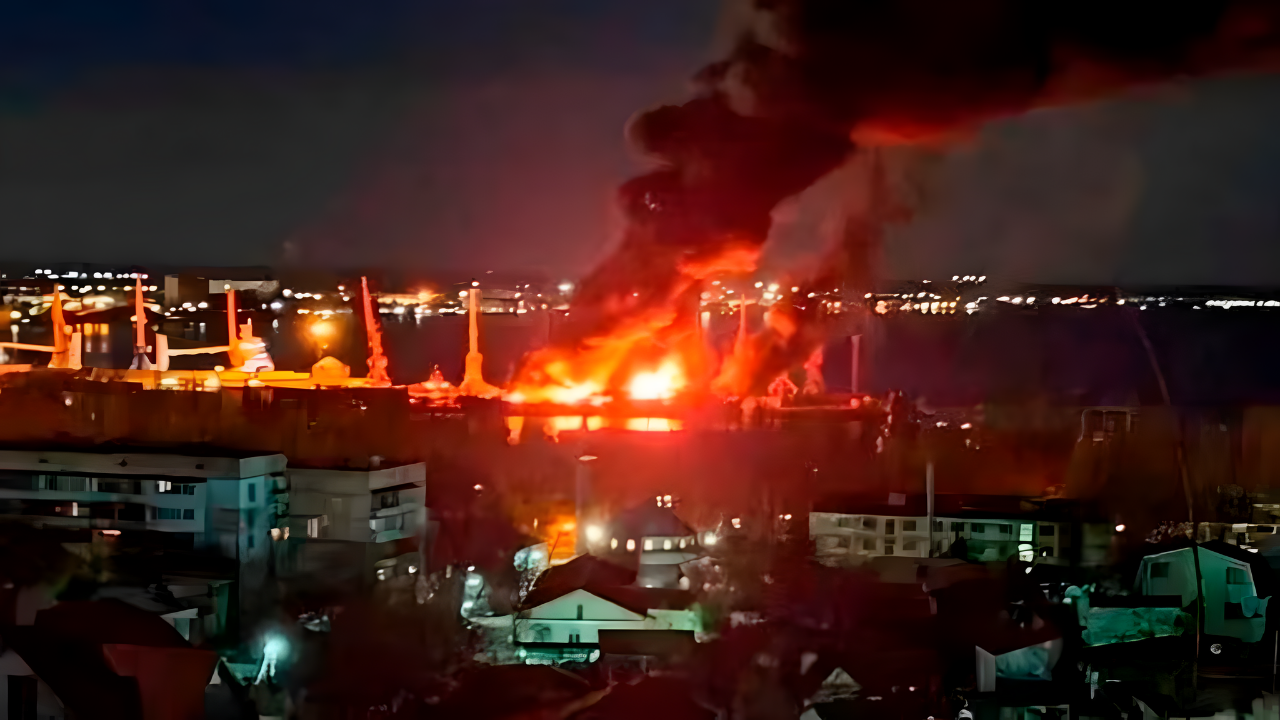
Ukraine’s intelligence agencies report a steady, behind-the-scenes effort to change the fight over Crimea. Special teams are carefully taking apart Russia’s top air defense systems on the seized peninsula. They target the radars that make the S-400 Triumf missile system so effective over long distances. This work weakens what Russia once called an unbeatable barrier over the Black Sea.
Russia’s S-400 Shield in Crimea
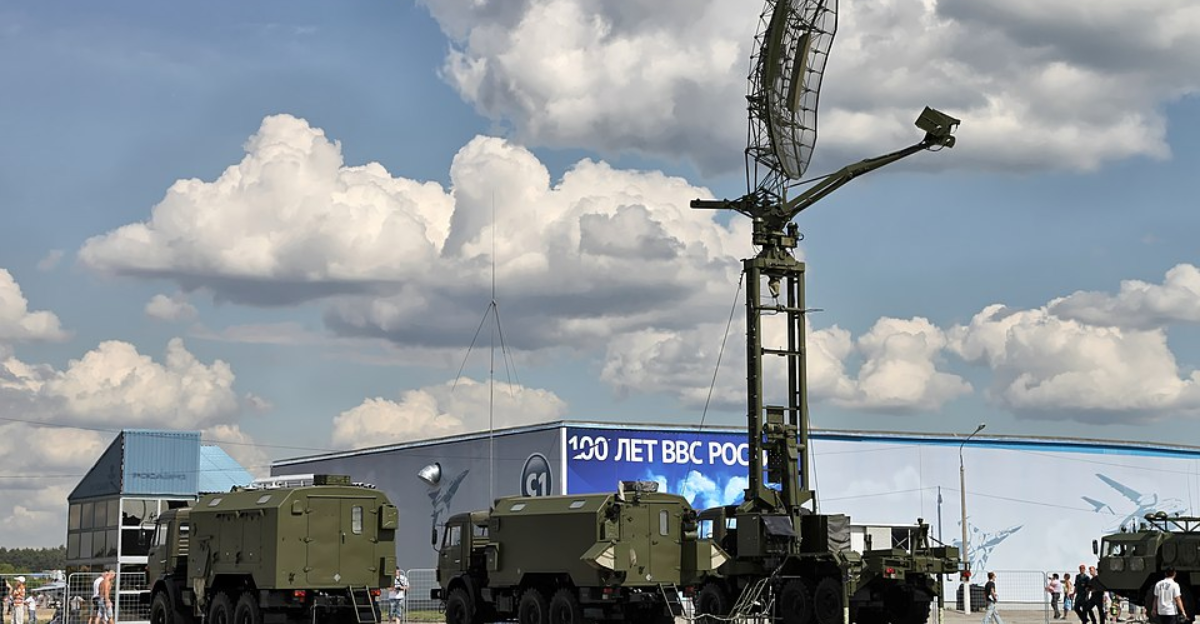
Russia’s S-400 Triumf, made by the Almaz-Antey company, stands as one of its top surface-to-air missile defenses. Each battalion costs Russia between $300 million and $500 million to set up and keep running. The system can hit planes and missiles from more than 200 kilometers away. It anchors Russia’s air defenses in occupied Crimea.
The system’s power comes from key radar components. Ukraine’s Defense Intelligence (DIU) points to three main ones: the 39N6 Kasta-2E2 and 96L6 radars that scan the skies like watchful eyes, and the 92N6E radar that guides missiles to their marks. Without these, a full S-400 battalion goes blind and can’t operate.
Experts say replacing just two destroyed S-400 radars could cost $100 million to $300 million. Sanctions and Russia’s strained factories make it tough to rebuild them fast. Ukrainian officials and analysts note these losses hit Russia hard, slowing their ability to protect the area.
Precision Attacks Create Safe Paths
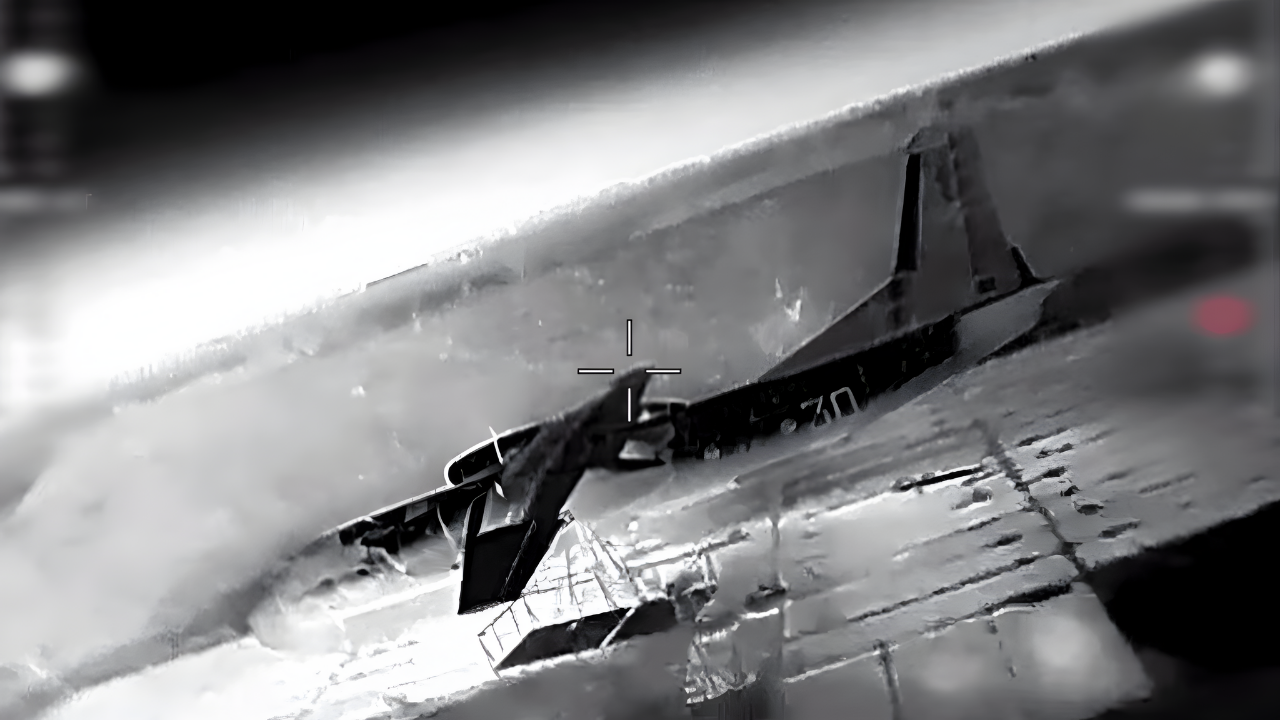
From September to December 2025, Ukraine’s special forces and spies carried out over 20 targeted hits on Russian bases in Crimea, per DIU reports. Strikes in late September and October alone wrecked or hurt 20 to 25 military units and 5 to 7 bases. Russia faced total losses of $4 billion to $5 billion from these actions.
A strike on October 26, 2025, shows the sharp focus on vital radars. Ukrainian teams took out or damaged a 96L6 S-400 radar, a P-18 Terek radar, and a 55Zh6U Nebo-U long-range detector. Reports say this opened holes in Russia’s sky watch, letting Ukraine push deeper.
On November 1 and 2, DIU hit a command center for an S-400 battalion. They destroyed a 92N6E radar and its power source. Satellite photos later proved the site was wiped out. Officials called it part of a plan to strip Crimea of weapons.
Analysts compare each hit to slicing a path through Russia’s defenses. A knocked-out radar doesn’t just vanish locally, it lets Ukrainian drones and missiles slip through with less chance of being shot down. These gaps build on each other, shifting the air battle.
The Ghosts and Their Spy Network
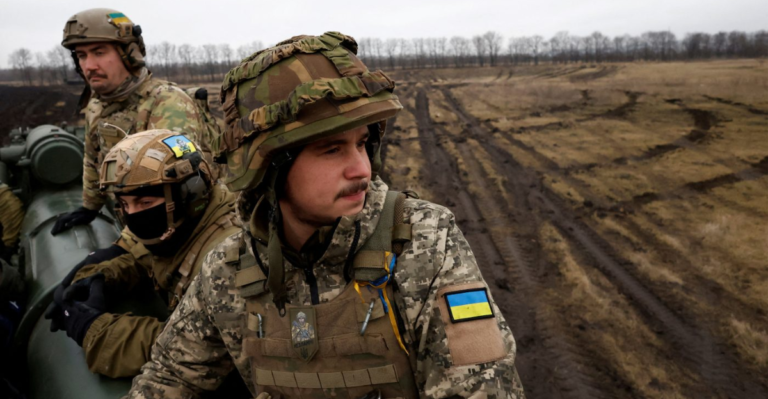
Leading this push is a DIU special unit called “Prymary,” nicknamed the “Ghosts.” They work deep in enemy land, using small first-person-view drones, Magura-V sea drones, and other tools guided by fresh intel. Ukraine’s Special Operations Forces say these teams keep hammering Russian air defenses.
Their success speeds up Russia’s drop in fighting power, according to intelligence. A wide spy setup makes it possible. It pulls in human tip-offs from inside Crimea, partner satellite photos, and teamwork among DIU, the Security Service of Ukraine (SSU), border guards, and drone units in the armed forces.
Russian teams often move their radars to dodge attacks. The intel web tracks these shifts, finds them, and strikes before they reset. This constant chase keeps pressure on, making Russia’s defenses scramble.
Russia’s Struggles and Bigger Losses

Russia has fought back by hiding radars under dome shelters. A DIU update from August 2025 said losses forced this change after big hits on the peninsula. Yet Ukraine’s attacks break through, like at the Ai-Petri peak where covered gear still got destroyed.
Independent experts see the toll clearly. The Institute for the Study of War (ISW) figures Russia lost 30 to 40 percent of its Crimea air defenses, leaving big blind spots. Across the war, Russia has lost over 20 S-400s—almost 40 percent of its 50 to 55 units from before 2022. Analyst Pavel Narozhny points out Russia doesn’t have enough to cover its vast holdings.
These blows reshape the Black Sea fight. ISW says strikes on radars, missile batteries, and posts leave Russia open to more Ukrainian air and missile runs. More hits loom on leftover defenses, ships, airfields, supply lines, and fuel spots that once hid under S-400 cover.
Ukraine calls this a full push to demilitarize Crimea. They have also struck ammo dumps, planes, ships, and fuel sites worth billions, SSU says. Crimea’s 2.4 million people now face weaker Russian protection. Lost radars cut warning time and slow responses, raising risks to key sites and cities—though Ukraine insists it targets only military spots.
In the end, this campaign shows a key truth in today’s wars: fancy air defenses rely on their radars. One hit on a $50 to $100 million Nebo-SVU or a $100 to $150 million S-400 radar can blind huge areas. Replacements take years, giving Ukraine’s Ghosts the edge. Crimea, once Russia’s “unsinkable carrier,” turns into a weak point.
Sources
Ukraine’s Defense Intelligence (DIU) December 2024 Statement
Special Operations Forces of Ukraine September 2025 Report
Security Service of Ukraine (SSU) Official Assessment
Institute for the Study of War (ISW) Crimea Air Defense Analysis
Military Analyst Pavel Narozhny October 2025 Analysis
Ukrainian Military Intelligence Satellite Imagery Confirmation November 2025