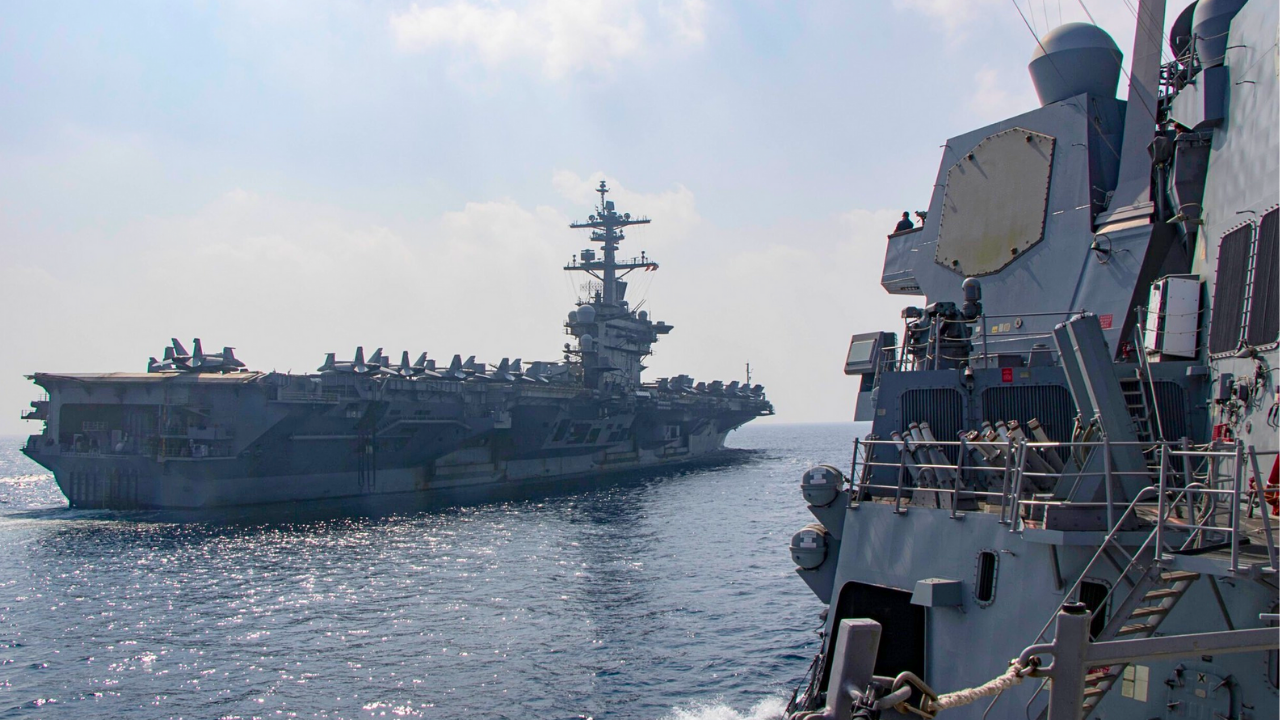
Ukraine’s Special Operations Forces (SOF) have taken a bold step in the ongoing conflict with Russia by launching drone strikes deep into Russian territory. In December 2025, these operations targeted energy infrastructure in the Caspian Sea, disrupting oil production that fuels Russia’s military.
The Filanovsky oil platform was hit multiple times, underscoring a significant tactical evolution in Ukraine’s approach to warfare. By extending their reach over 700 kilometers from the nearest Ukrainian border, Ukrainian forces have shifted the battlefield dynamics, revealing vulnerabilities in what was long considered secure Russian territory. This strategy highlights the changing landscape of modern military engagements.
Striking at the Heart of Russia’s Energy
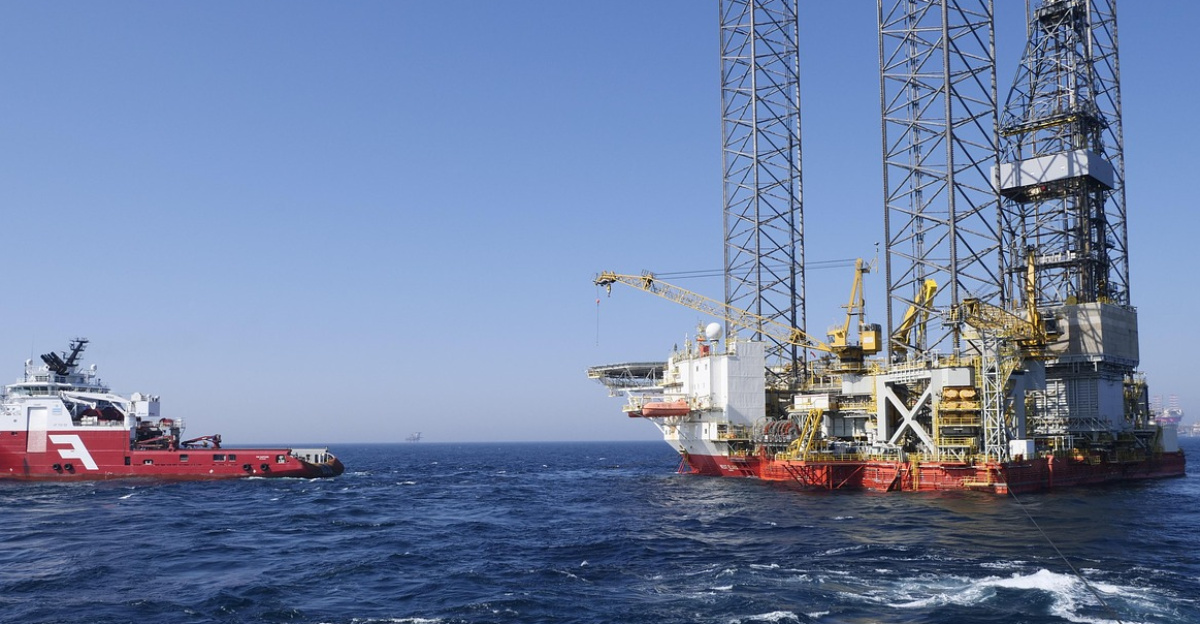
In a strategic pivot, Ukraine’s military has shifted its focus beyond traditional battlefield encounters, targeting Russia’s economic lifelines. The Filanovsky platform, crucial for oil production, generates approximately 120,000 barrels of oil daily, directly funding Russia’s military operations.
By attacking such critical infrastructure, Ukraine is effectively tightening the financial chokehold on Moscow. “Targeting these assets is justified under international law,” stated a representative from Ukraine’s Security Service. This change underscores a broader understanding of warfare, where economic disruption is just as vital as military confrontations, both for strategic gain and to deter further Russian aggression.
December’s Operations: A Coordinated Effort
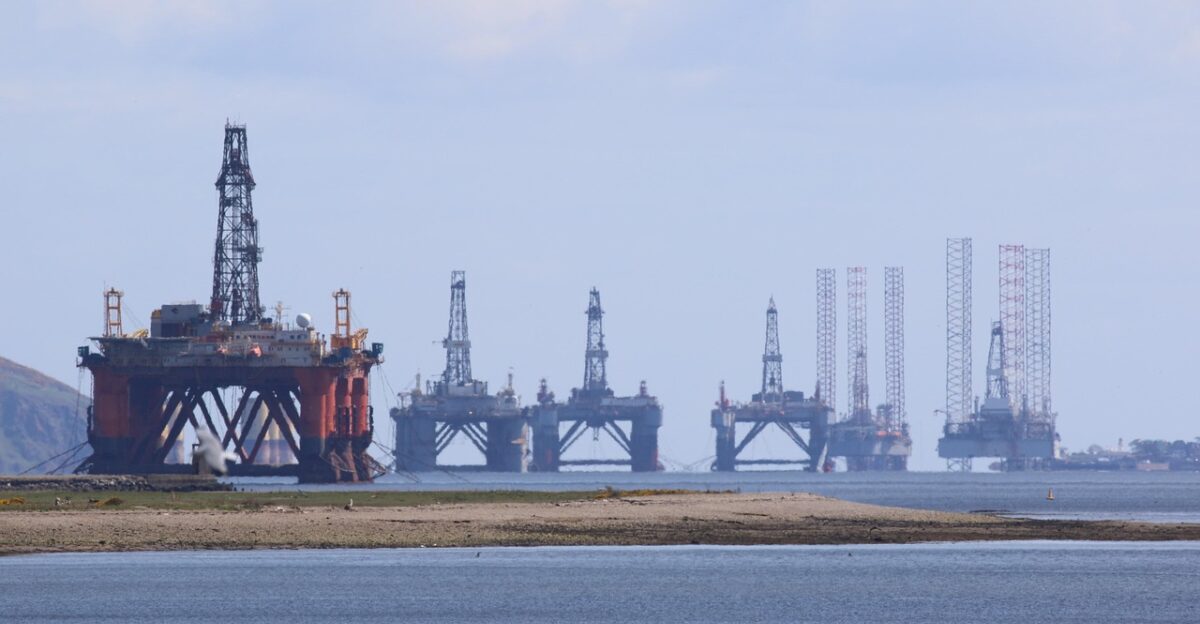
The first Ukrainian strike on the Filanovsky platform took place on December 11, 2025, marking a significant milestone in military strategy. Following confirmed damage assessments that indicated halted production at over 20 wells, on December 12, Ukrainian forces targeted both the Filanovsky and Korchagin platforms in a coordinated operation.
This sequence of strikes illustrates a systematic and planned campaign, rather than isolated, independent actions. By the end of the month, Ukrainian forces had executed three notable strikes against the same facility, demonstrating a robust commitment to disrupt Russian energy exports and a clear understanding of the strategic importance of their targets.
The Filanovsky Platform: A Critical Asset

Discovered by Lukoil and inaugurated by President Putin, the Filanovsky platform holds significant strategic and economic value for Russia, encompassing estimated reserves of 129 million tons of oil and 30 billion cubic meters of gas. As a linchpin in the Caspian Pipeline Consortium, it connects Russian energy supplies to international markets.
By targeting this facility, Ukraine not only attacks Russia’s financial resources but also exposes the underlying vulnerabilities of its energy infrastructure. The operational risks posed to this facility could have broader implications, potentially reshaping energy market dynamics in the region and affecting global supply chains.
Confirming the December 19 Strike

On the night of December 19, 2025, Ukrainian SOF successfully executed drone strikes against both the Filanovsky oil platform and a Russian patrol ship in the Caspian Sea. The operation marked a significant uptick in Ukraine’s capability to conduct deep strikes, surprising military analysts and indicating a heightened operational range.
The strikes were officially announced through Ukraine’s SOF Telegram channel, confirming several drone impacts on both targets. Initial assessments suggested considerable operational disruption, revealing a new layer to Ukraine’s military strategy that focuses on precise, high-impact engagements designed to undermine Russian operations while maintaining plausible deniability.
Changing Assumptions About Location
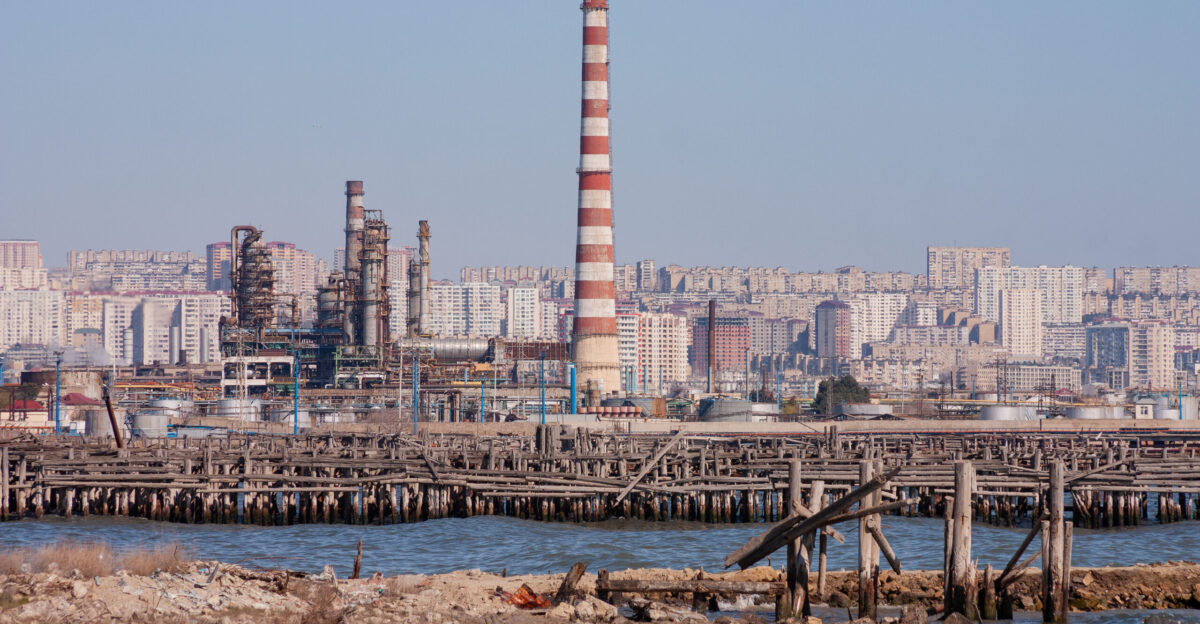
The Caspian Sea, lying approximately 700 kilometers from Ukraine’s borders, was assumed to be beyond the reach of Ukrainian military capabilities. This geographic distance was thought to render Russian assets safe from Ukrainian strikes. However, the events of December have fundamentally challenged this assumption.
Ukrainian operations have revealed that Russia’s energy facilities, previously thought to be secure, can be as vulnerable as frontline positions. This realization forces Russian military planners to reconsider their defensive strategies, indicating that Ukraine has likely developed new tactical capabilities or technologies that enable strikes well beyond previous expectations.
The Impact on Russian Operations

With Ukraine consistently targeting high-value Russian energy infrastructure, the implications for Russian military operations are critical. Analysts note that sustaining military campaigns requires substantial financial resources, primarily derived from energy revenues.
Each successful strike not only disrupts current operations but also raises costs for the Kremlin, forcing difficult choices between defensive investments and offensive military spending. The cumulative pressure on Russia’s economic model, particularly in the face of ongoing sanctions, suggests an increasingly precarious situation for Moscow’s ability to sustain its military ambitions in Ukraine and beyond.
Broader Implications of the Strikes
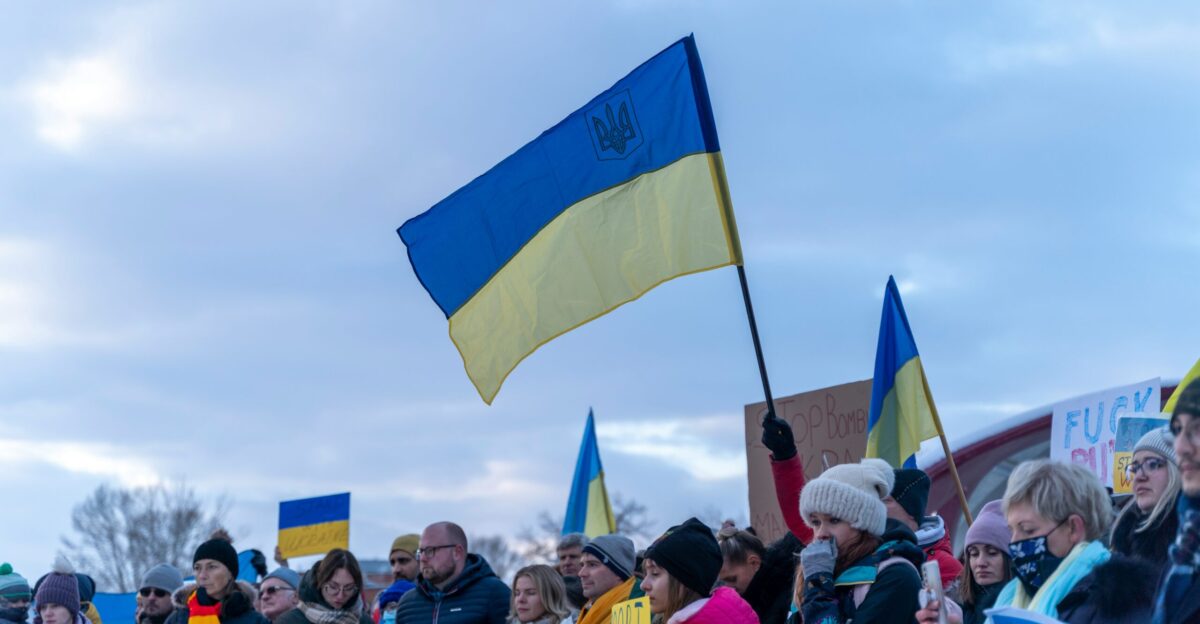
The strikes have broader strategic implications that extend beyond their immediate military effects. By targeting crucial energy infrastructure, Ukraine signals its tactical adaptability and willingness to escalate the conflict in pursuit of economic leverage.
“Every strike reminds the world that Russia’s energy is not just a resource but a weapon,” commented a Western military analyst. This evolving strategy can redefine how military conflicts interact with international energy markets, creating instability beyond the immediate combat zones as global supply chains are impacted, and energy prices could fluctuate.
Responses and Countermeasures from Russia
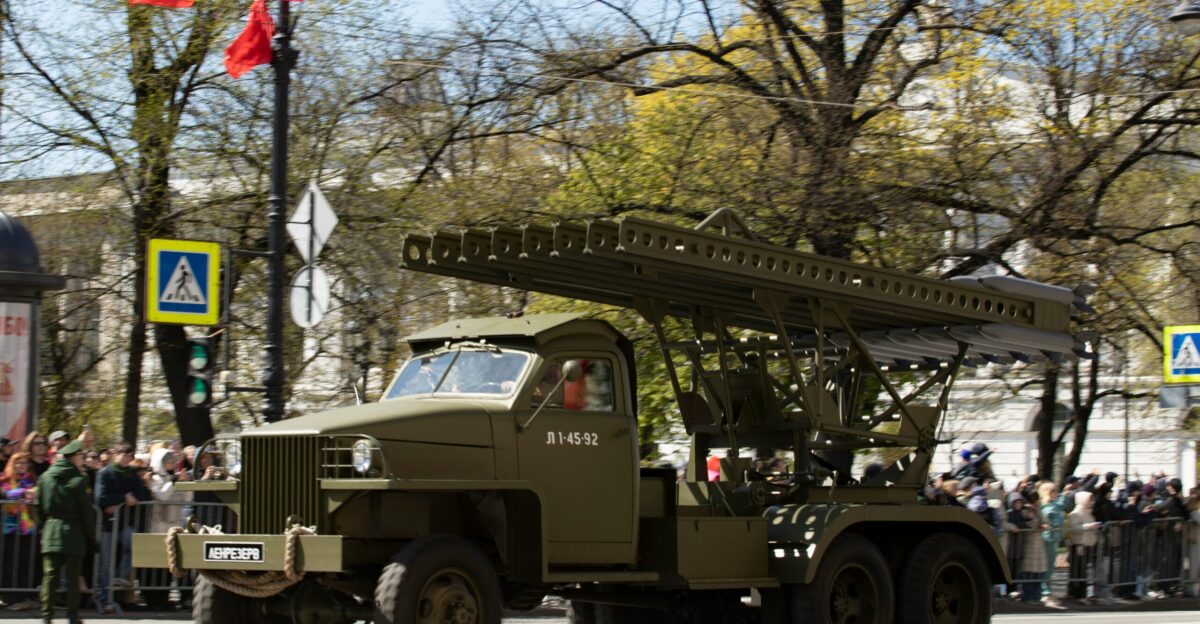
In response to Ukraine’s bold moves, Russia is likely to ramp up its defensive measures around key infrastructure. Heightened alerts and increased military presence in the Caspian region can be expected as Moscow reassesses its vulnerability to Ukrainian strikes.
As Russian officials consider their next steps, analysts predict a combination of military retaliation and potential diplomatic efforts to recalibrate international perceptions of the conflict. These developments will significantly shape how both nations navigate the conflict amid an increasingly complex geopolitical landscape.
The Voices of War: Perspectives from the Ground
To truly understand the consequences of these strikes, we must listen to the human stories that the ongoing conflict has impacted. A local farmer displaced by military operations noted, “We bear the brunt of these battles, watching our land transform into a war zone.” The community’s sentiments reflect the war’s toll beyond military objectives, highlighting the broader humanitarian crises intertwined with geopolitical strategies.
Voices like these remind us that this war is not merely about tactical gains; it’s about real people and their struggles amidst the chaos.
International Reactions and Their Significance
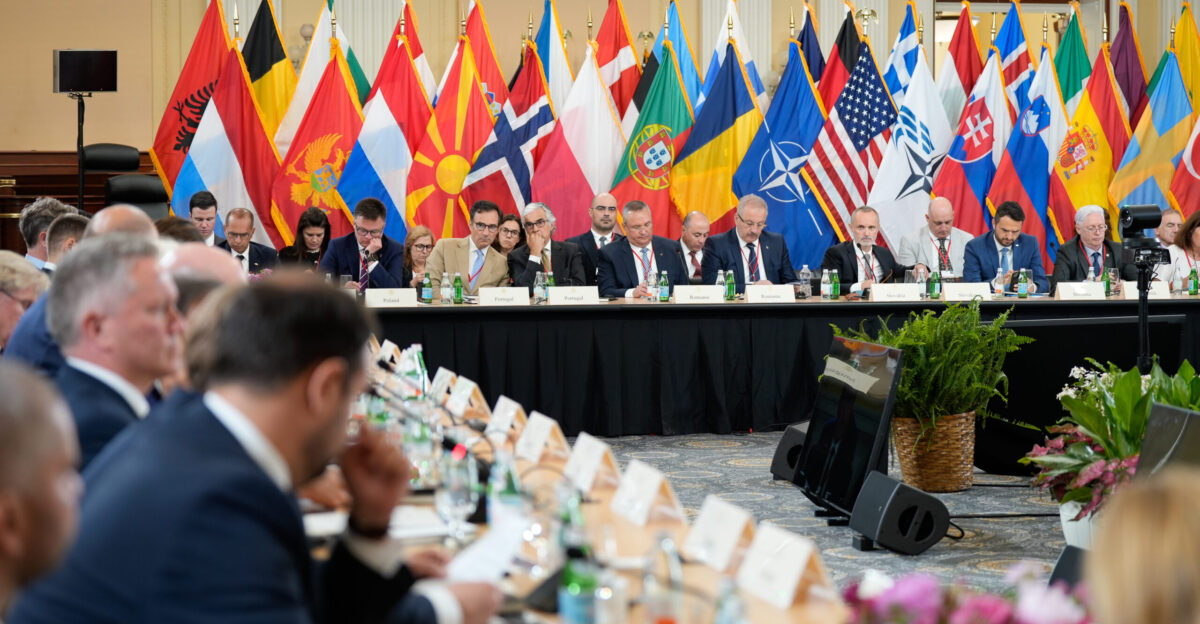
The international community’s response to Ukraine’s strikes has varied, with some Western nations expressing support for Ukraine’s right to defend itself, while others caution against escalating tensions. These divergent reactions underline the complexity of geopolitical alignments and the potential for broader conflicts.
Analysts argue that continued support for Ukraine, whether through military aid or sanctions against Russia, will be crucial for its long-term strategic goals. The global ramifications of these actions exemplify the interconnected nature of modern warfare, where local actions spark international debate and influence diplomatic relations.
Lessons Learned: A Shift in Military Doctrine
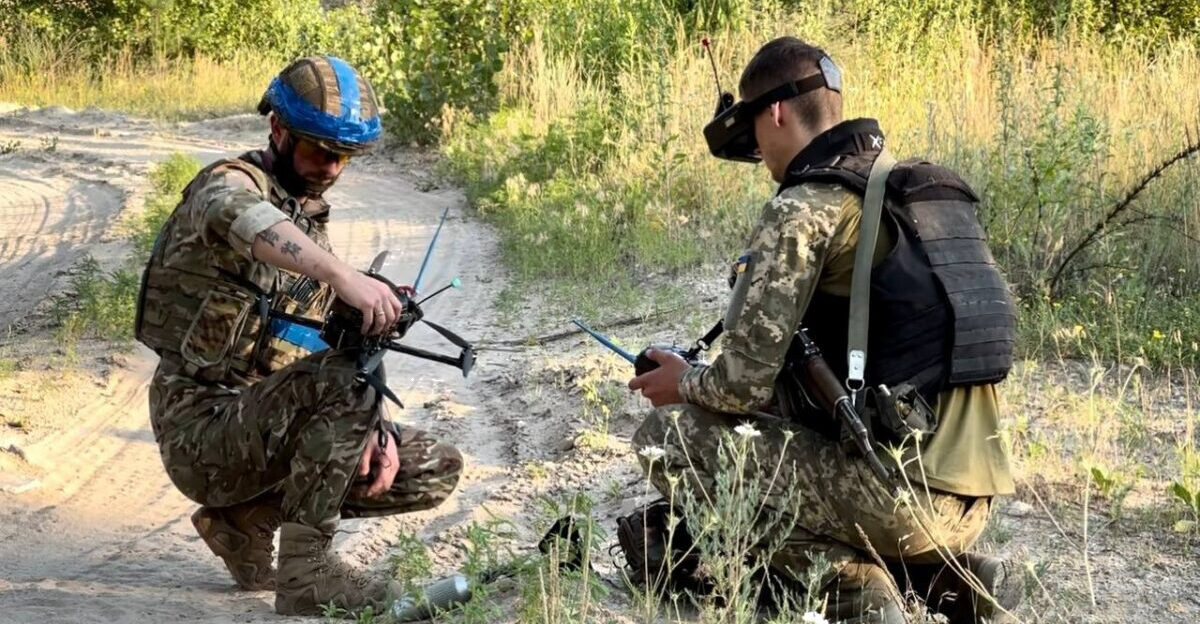
The actions of Ukraine’s SOF in December 2025 exemplify how modern conflicts are evolving, with an increasing emphasis on asymmetric warfare that circumvents traditional battlefield engagements. The ability to project power from significant distances transforms military doctrines and strategies, warranting re-evaluations by global military analysts.
This shift highlights the significance of technological advancements in drone warfare and intelligence capabilities, prompting militaries worldwide to adapt and innovate to respond to emerging threats effectively. The lessons gleaned from these operations will likely resonate across military stratagems in other geopolitical arenas.
The Future of the Caspian Energy Landscape
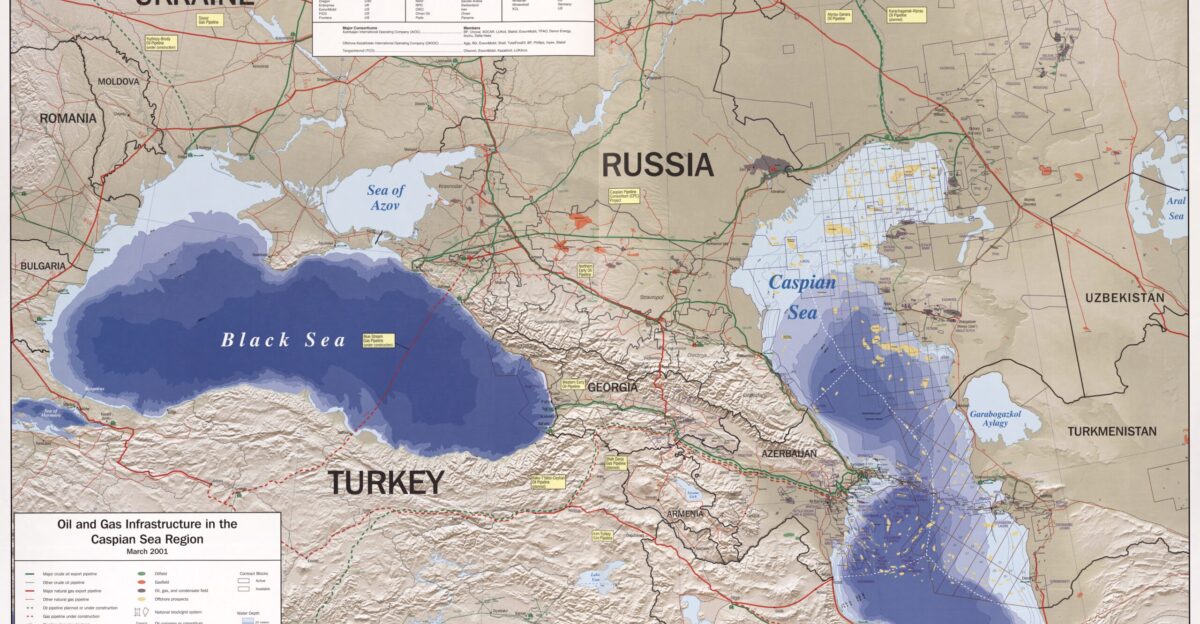
As Ukraine continues to impact Caspian energy infrastructure, the future of regional energy dynamics remains uncertain. Russia’s reliance on oil revenue, coupled with Ukraine’s strategic targeting, could reshape energy supply chains not just for Russia, but for Europe and beyond.
The evolving strategies employed in this theater may spark new perceptions of conflict and competitive behaviors among energy-producing nations. Additionally, the rising pressure on energy prices could prompt shifts in global markets. These heralding changes extend far beyond military posturing and into economic strategies and discussions on energy security policy.
The Path Ahead: Sustaining Pressure on Russia
Moving forward, Ukraine is likely to sustain its economic warfare initiatives targeting Russian energy resources. As military analysts observe the repercussions of these actions, many emphasize the importance of maintaining consistent pressure to force the Kremlin to reassess its military ambitions.
Ukraine’s approach reflects a broader understanding that offensive military action and economic destabilization are synergistic elements vital for success in modern warfare. The focus on degrading Russia’s operational capabilities will play a pivotal role as the conflict progresses, positioning Ukraine to alter the trajectory of the war in its favor.
A New Era of Conflict
The events of December 2025 mark a transformative period in the Ukraine-Russia conflict, with significant implications for both military strategy and international relations. Ukraine’s ability to strike deep into Russian territory fundamentally challenges previous assumptions about security in the region, necessitating strategic reevaluations for defense planners in Moscow.
This narrative highlights the pivotal role of economic infrastructure in geopolitical conflicts, where every strike has far-reaching consequences, reverberating beyond the battlefield to influence diplomatic negotiations and humanitarian considerations. As we look to the future, understanding these dynamics will be essential for navigating a changing global landscape marked by conflict and resilience.
Sources:
Reuters: Ukraine hits Russian oil rig in Caspian Sea for first time, official says
Reuters: Ukraine hits Russian oil infrastructure in Caspian for second time
CNN: Ukraine’s gloves are off in its energy war with Russia
Kyiv Independent: Ukrainian special forces hit Russian patrol ship and oil platform
Maritime Executive: Ukraine Strikes Caspian Sea for the First Time, Damaging Lukoil Platform
United24media: Ukraine’s SOF Drones Strike Russian Patrol Ship and Oil Platform in the Caspian Sea