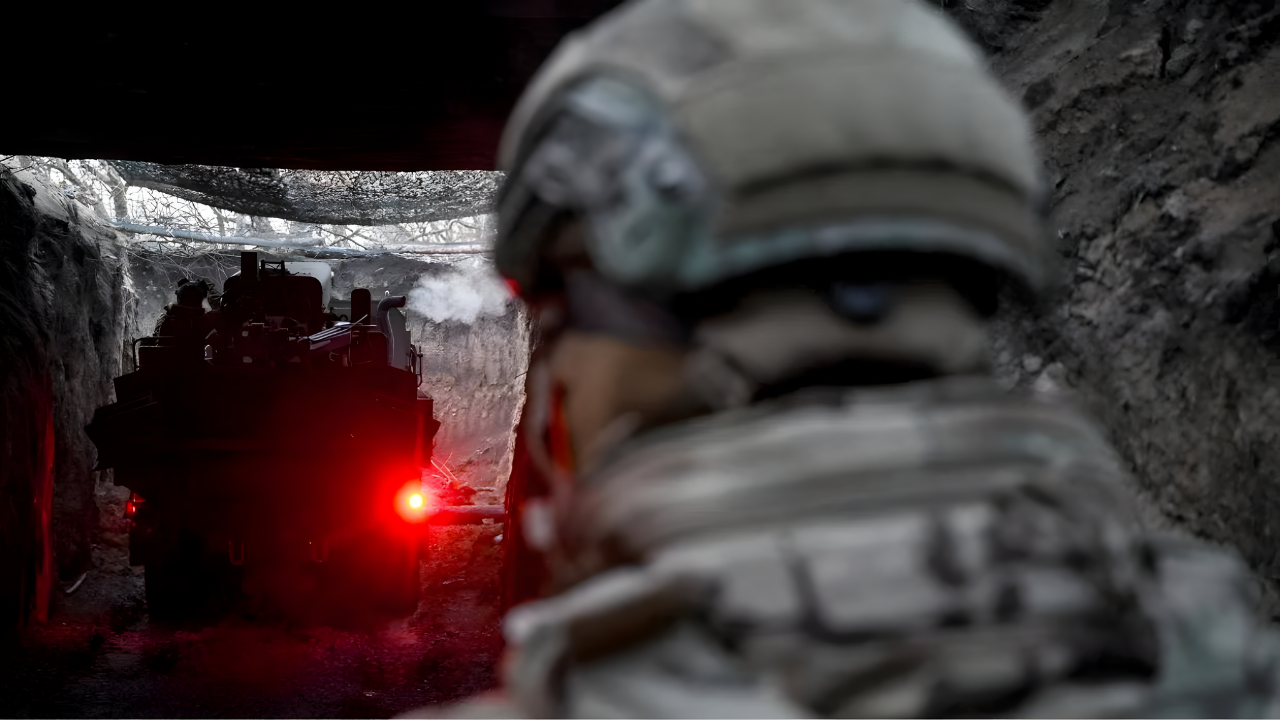
Ukraine’s 429th Separate Drone Regiment “Achilles” destroyed a key underground gas pipeline on December 13, 2025, eliminating Russia’s primary infiltration route into the contested town of Kupiansk. This precision strike trapped Russian forces amid a broader Ukrainian counteroffensive, marking a turning point in the three-year struggle for the strategic rail hub.
Russia Went Underground

Russian troops, vulnerable to Ukraine’s dominant drone surveillance, shifted to concealed movement through abandoned Soviet-era gas pipelines. Soldiers navigated 13-kilometer tunnels on electric scooters and wheeled benches, pausing for supplies en route. This method allowed undetected positioning for surprise assaults, bypassing aerial detection.
The tactic echoed prior operations. In the 2024 Battle of Avdiivka, Russians crawled through flooded drainage pipes with oxygen tanks and tools, advancing about one kilometer under mortar cover before discovery; the city fell in February 2024. Near Sudzha in March 2025, over 600 troops used a similar pipeline. By September 2025, Ukrainian intelligence near Kupiansk identified the pattern.
Kupiansk’s Fierce Contestation
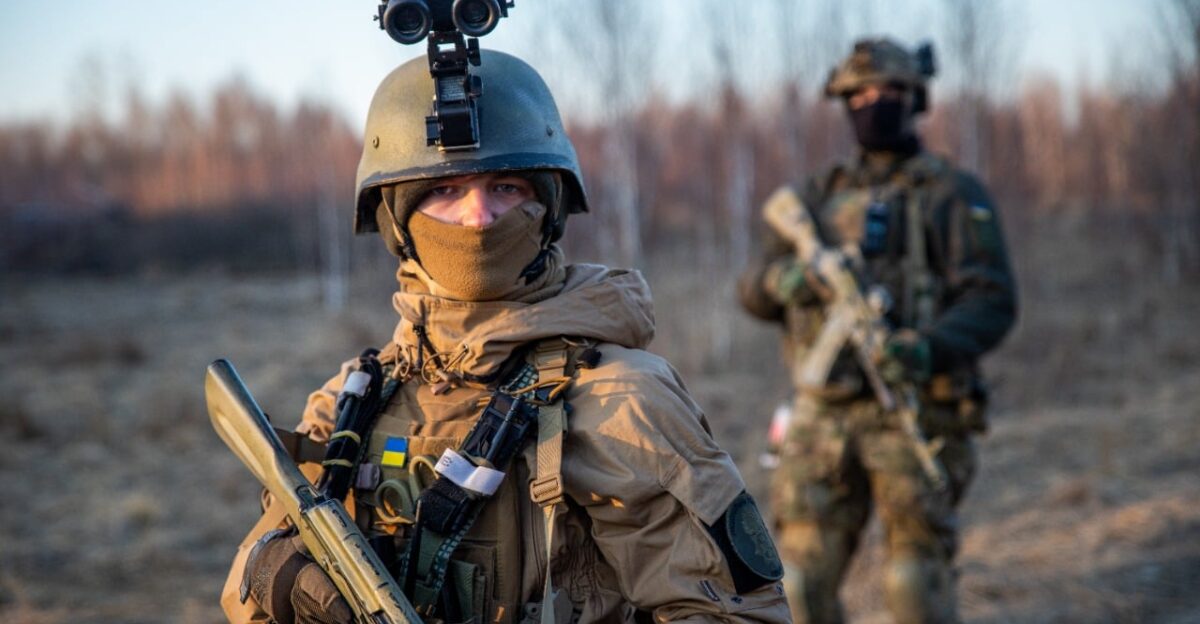
Located 65 miles east of Kharkiv, Kupiansk serves as a vital rail junction. Russia captured it on February 24, 2022, but Ukrainian forces reclaimed it in a September 2022 counteroffensive. Control remained fluid for three years, with relentless fighting amid rubble. Neither side secured lasting dominance despite heavy losses.
Rise of the Achilles Regiment
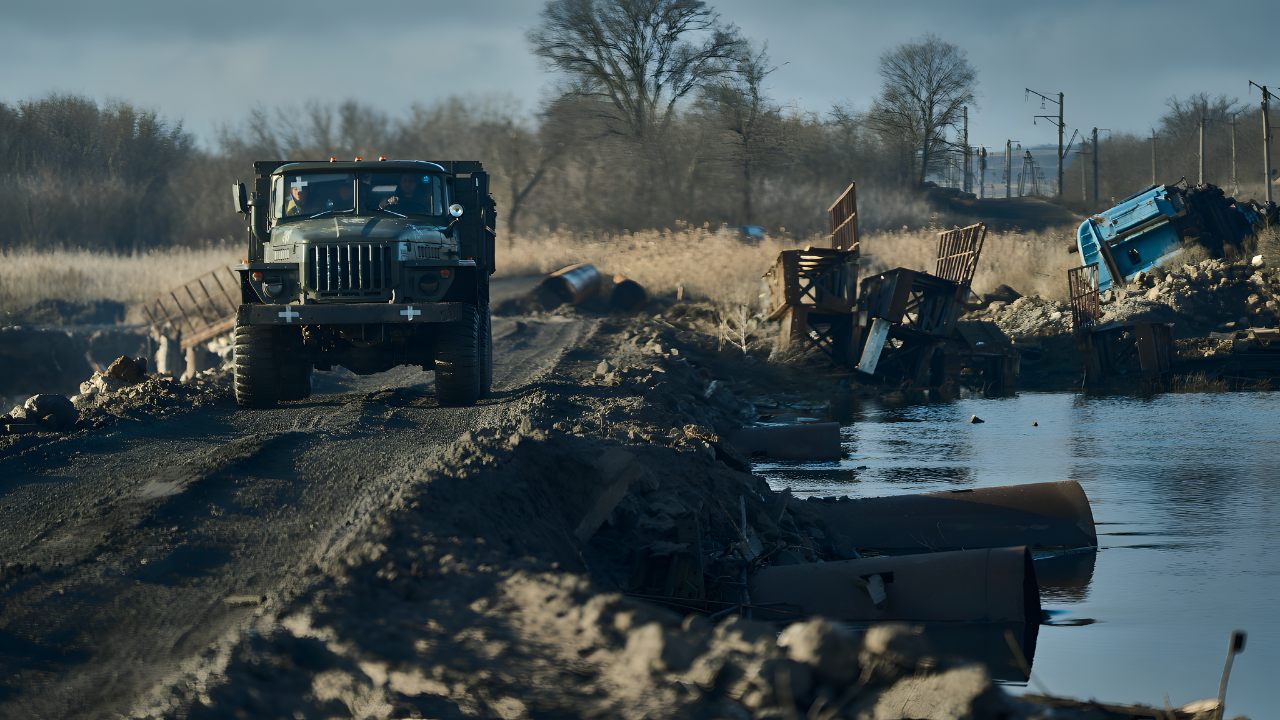
Yuriy Fedorenko, a former Territorial Defense volunteer with no military training, began with basic rifles on February 24, 2022. As artillery rendered open combat deadly, his squad adopted Mavic 3 drones in May 2022, mastering operations through self-taught trial and error. The unit grew from squad to battalion to regiment.
Since April 2025, Achilles inflicted 998 Russian deaths and 879 wounds—1,877 total casualties over eight months, averaging 230 monthly or eight daily. In August 2025 alone, they hit 4,623 targets, killing 550 soldiers—equivalent to two infantry battalions—and downed 110 enemy drones, a 70% increase from July. This crippled Russian supply lines and officer ranks in the Kupiansk sector.
Pipeline Tactic Exposed and Destroyed
Ukrainian intelligence documented the Kupiansk pipeline in early September 2025: 50-100 Russians transited daily underground for four days to frontline positions. Captured soldiers reported suffocating darkness and harsh discipline. Troops emerged unexpectedly, fueling ambushes.
On December 12, the National Guard’s 2nd Khartiia Corps, under General Oleksandr Syrskyi, launched a counteroffensive north of Kupiansk. Brigades liberated Radkivka and Rashka villages, cutting surface supplies. Commander Ihor Obolienskyi stated the Russians in the city were “completely cut off and surrounded.”
At dawn December 13, Achilles struck the pipeline, sealing underground escape and reinforcement as ground forces closed in. Months of reconnaissance culminated in this synchronized blow.
Broader Strategic Toll
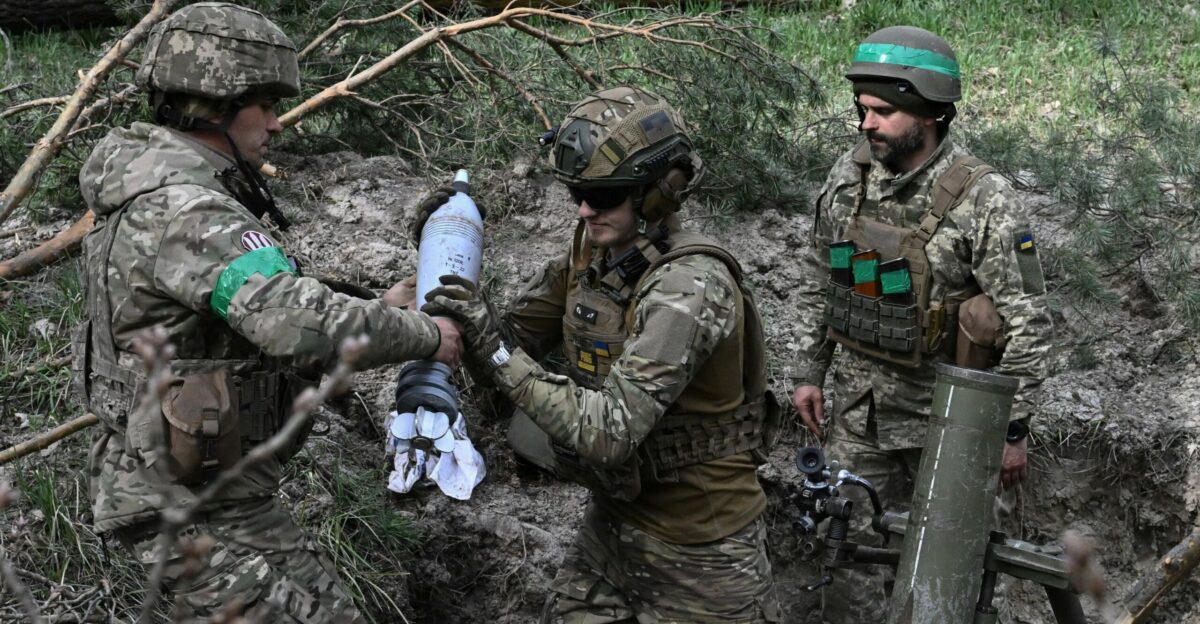
Russia’s overall casualties averaged 34,600 monthly from January to November 2025, exceeding 32,800 monthly recruits reported by official Sergey Belousov—creating a personnel shortfall. A typical motorized rifle battalion fields 500 personnel; Achilles alone matched multiple such units’ impact.
Russian claims faltered. General Valery Gerasimov declared Kupiansk’s “full liberation” on November 20, 2025, before President Putin. Yet by December 15, official Leonid Sharov contradicted military bloggers. Telegram channel Rybar called the situation “worse than critical.” By December 24, only several dozen Russians held out, resupplied by small drone drops.
Ukraine’s Defense Intelligence assessment on December 23 highlighted “skill and coordination,” crediting counterattacks, command, technology, morale, and determination for systematic enemy destruction.
Precision Warfare’s Edge
The pipeline’s end underscores Ukraine’s adaptation: turning Russian underground evasion into a vulnerability through mapping, monitoring, and timed strikes. Drones forced concealment; intelligence exposed it; coordination exploited it.
Russia held advantages in artillery, numbers, and positions, but Ukraine’s air edge prevailed. This operational fusion—drones, ground assaults, intelligence—broke the Kupiansk stalemate. It signals a warfare evolution favoring targeted precision over mass attrition, with implications for sustained frontline pressure amid Russia’s recruitment strain.
Sources:
Kyiv Independent – “Ukraine’s drone regiment releases video of pipeline destruction Russia used to infiltrate Kupiansk”
Reuters – “Zelenskiy visits Kupiansk as Ukraine retakes parts of key frontline city”
Al Jazeera – “Moscow’s narrative wobbles as Ukraine takes back Kupiansk”
Ukrinform – “Only several dozen Russian troops remain in Kupiansk – Trehubov”
Ukraine’s Defence Intelligence (HUR) – Official December 22, 2025 battlefield assessment on Kupiansk sector