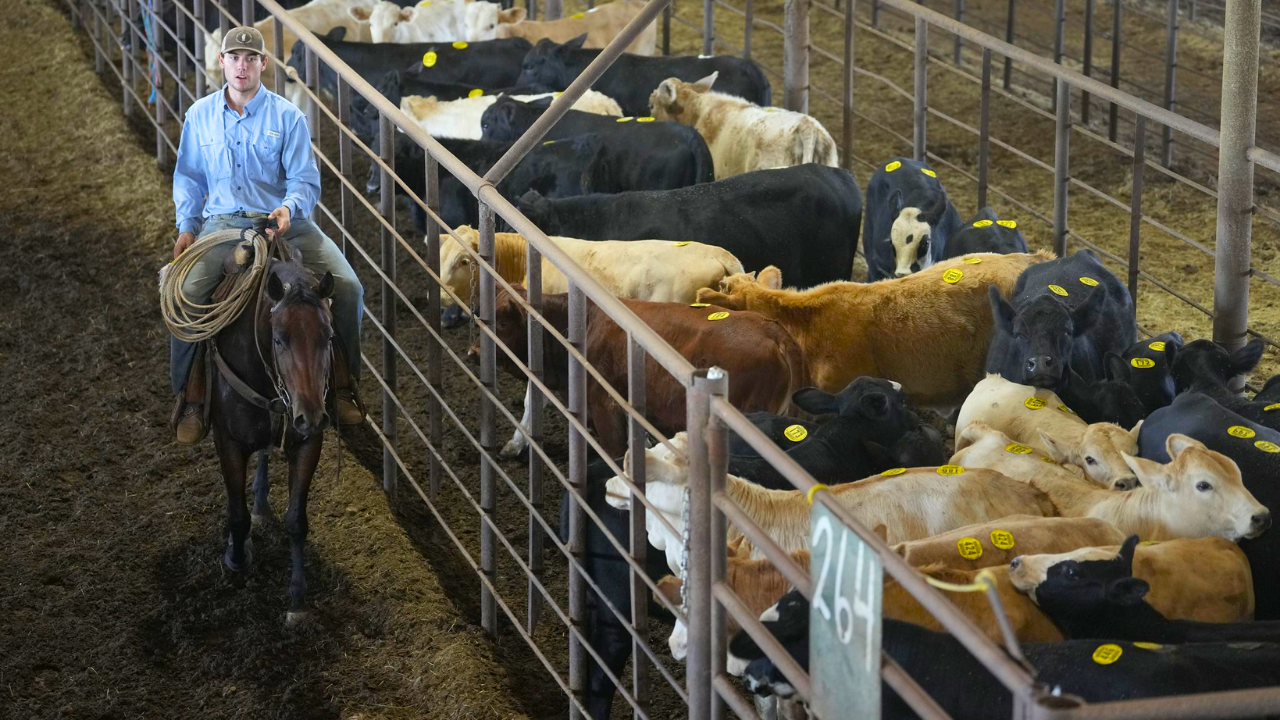
Texas ranchers battled two decades of tough times with cattle prices stuck low and costs rising. Hank Herrmann of Caldwell said, “Very few people make much money ranching.” Many barely survived droughts and debts. By 2024, hope emerged as prices began to climb, promising a rare break. However, the tides were about to change dramatically.
What sparked this brief moment of relief?
The Herd Hits a 73-Year Low
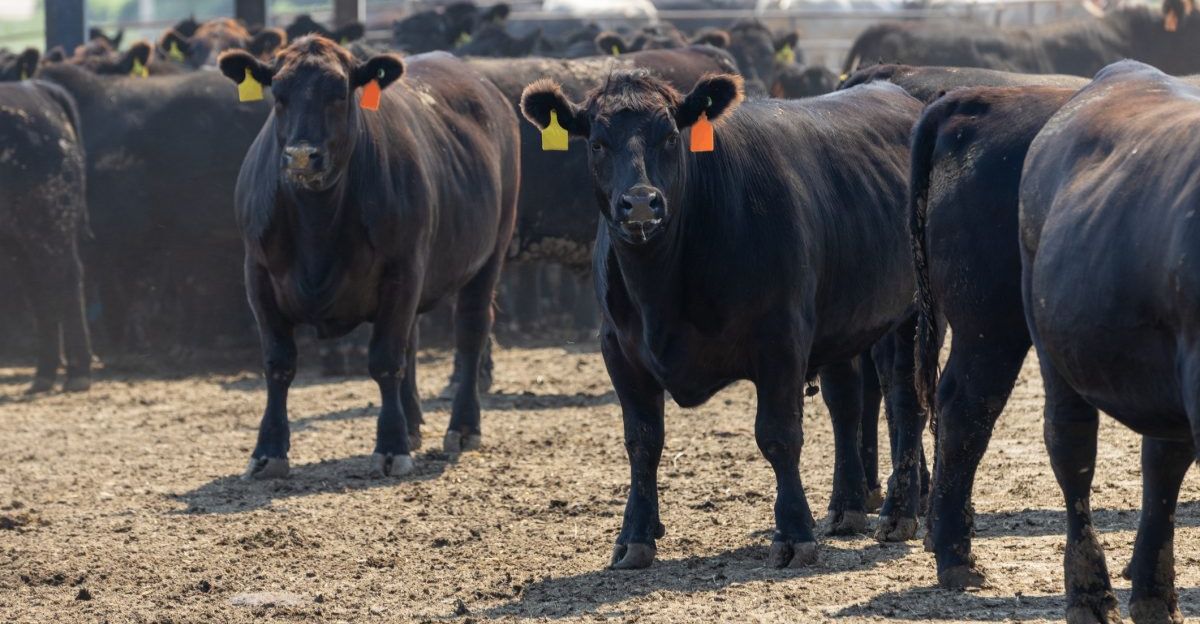
In January 2024, U.S. cattle numbers dropped to their smallest since 1951, with just 28.2 million head, including 4.08 million in Texas. This scarcity tightened supply while demand for beef stayed steady, pushing prices higher. Ranchers finally benefited from simple economics: less supply meant better earnings. But this fragile balance warned of future risks.
Could this supply shortage hold steady?
Prices Reach Historic Highs
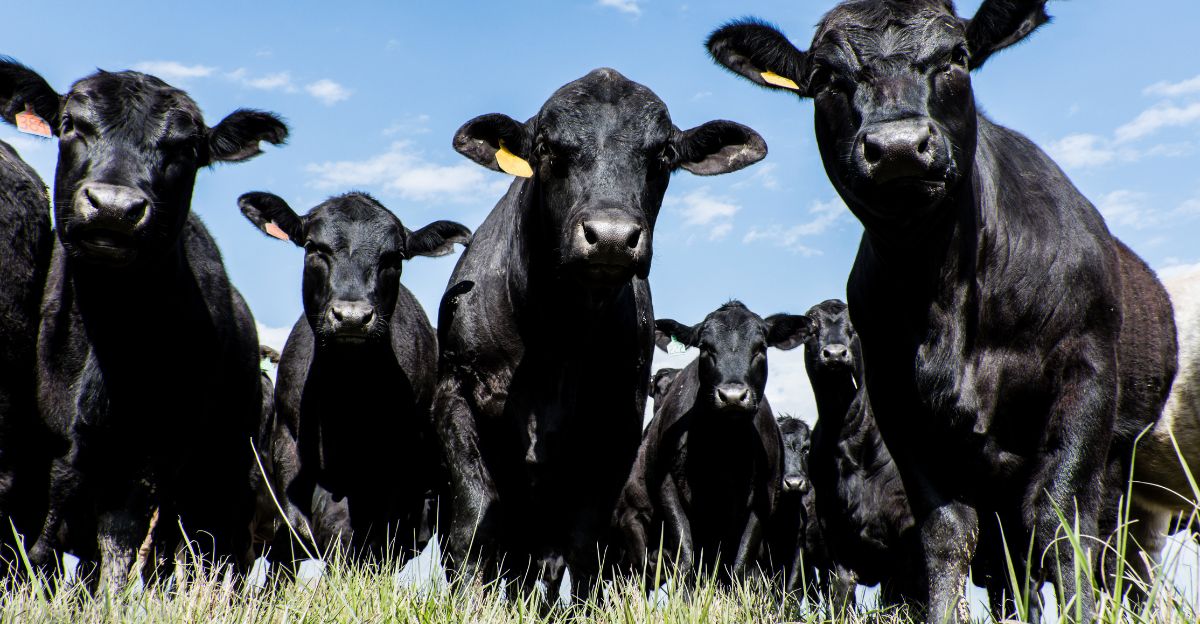
By August 2025, live cattle prices surged to $242 per hundredweight, a record high. Feeder cattle prices nearly doubled, hitting $4.67 per pound. For ranchers selling hundreds of calves, profits replaced long losses. After years of struggle, many saw hope. Yet at the store, rising beef prices sparked complaints and political pressure.
How did consumer costs influence policy decisions?
Beef Prices Pinch Consumers
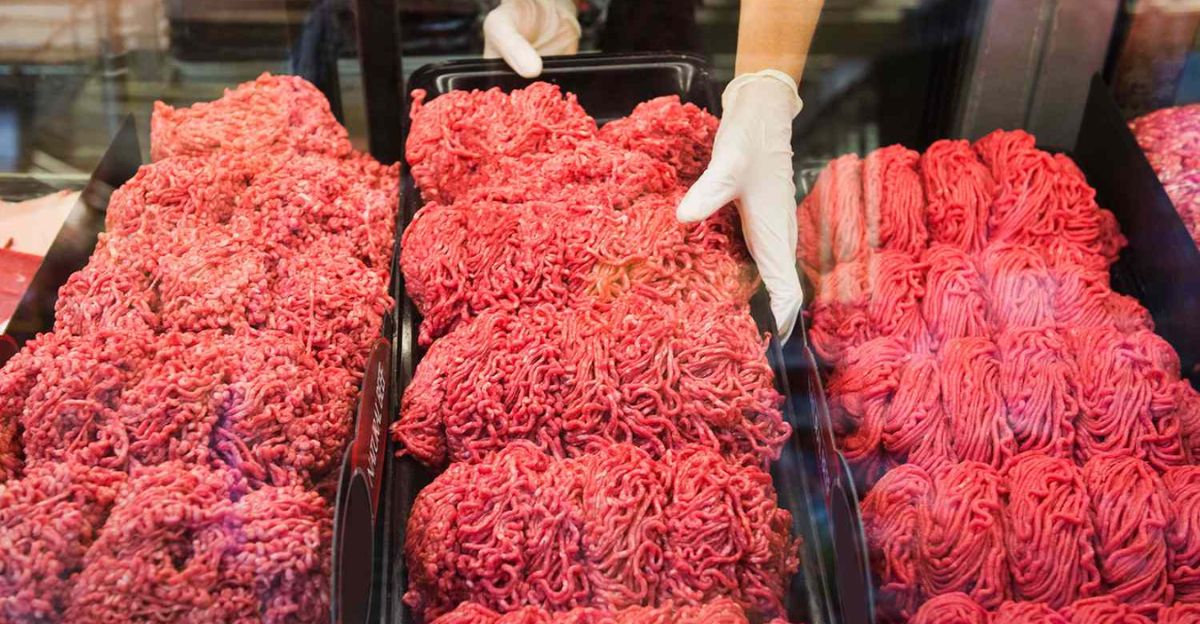
Ground beef rose 13% to $6.31 per pound in August 2025. Sirloin steaks shot up 24% to $14.31 per pound. Prices climbed steadily for eight months, drawing public ire. Social media buzzed with frustration as shoppers felt the bite. This pressure pushed President Trump toward action, but his choice hit ranchers hard instead of easing their hardships.
What policy shift followed this backlash?
Shocking Expansion of Argentine Beef Imports
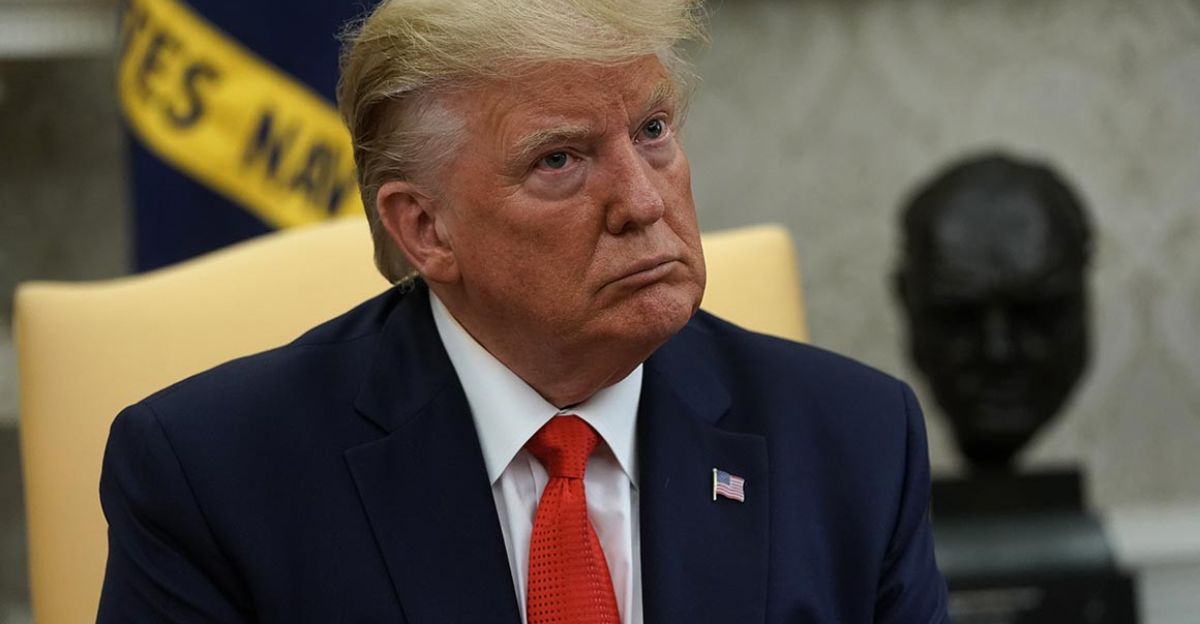
On October 23, 2025, the Trump administration quadrupled Argentina’s beef import quota to 80,000 metric tons yearly. Officials said more imports would lower prices. But Argentina’s exports had barely touched U.S. beef markets before. Ranchers doubted this move’s impact and feared its fallout. Their concerns proved well-founded as markets tumbled sharply soon after.
How badly did prices react to this announcement?
Cattle Prices Plunge in Weeks
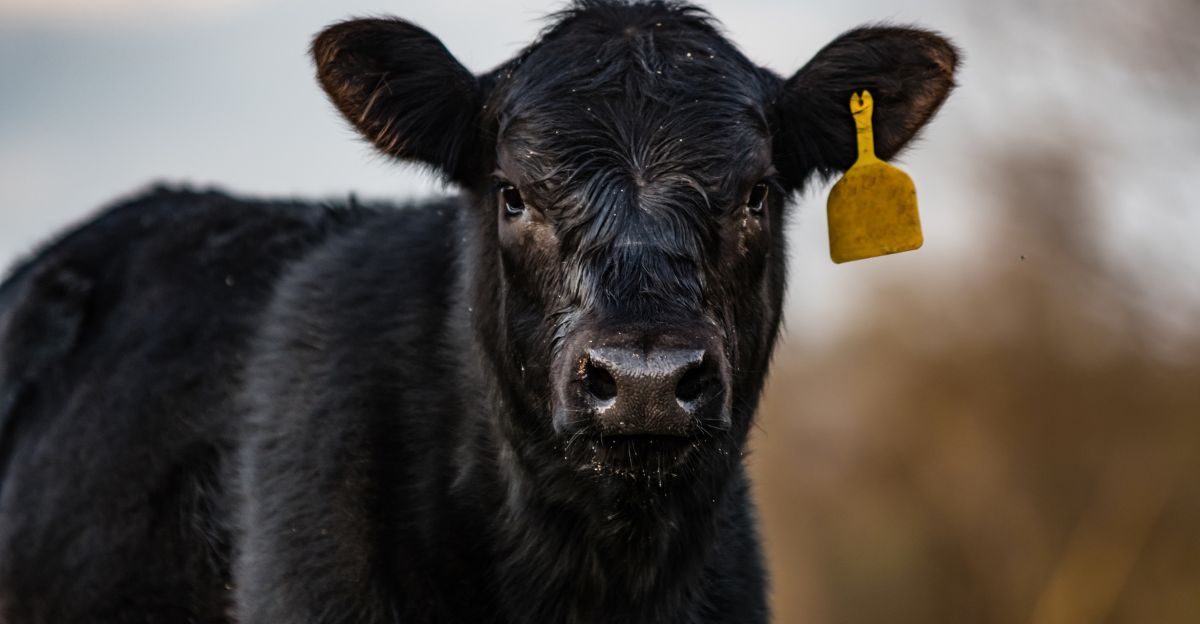
Live cattle futures fell from $247 to $224 per hundredweight within 12 days. Feeder cattle prices plunged from $380 to under $339. Ranchers lost up to $100 per head. Caldwell’s rancher Vetter faced a potential $250,000 loss on recent purchases as values collapsed. “The president can do whatever he wants but it’s hard to build the cow herd if we don’t have stability,” he told Reuters.
Why did this shock matter beyond dollars lost?
Political Fallout Among Ranchers
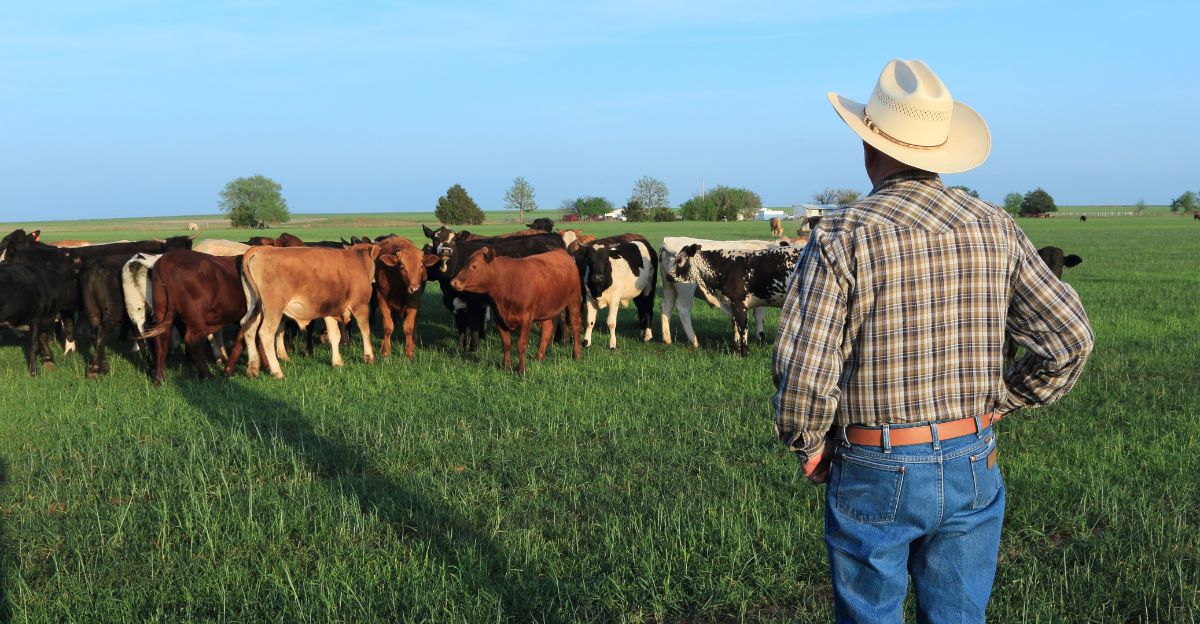
Jerrel Bolton, a Texas rancher and Trump supporter, told The Financial Times, “He would turn us against him. And we are his biggest supporters.” Trump’s move was seen as prioritizing international relations over ranchers’ livelihoods. A $40 billion bailout to Argentina deepened the sense of betrayal. For many, this wasn’t just economic—it was personal and political.
How did ranchers express their frustration?
Ranchers Speak Out on Tariffs
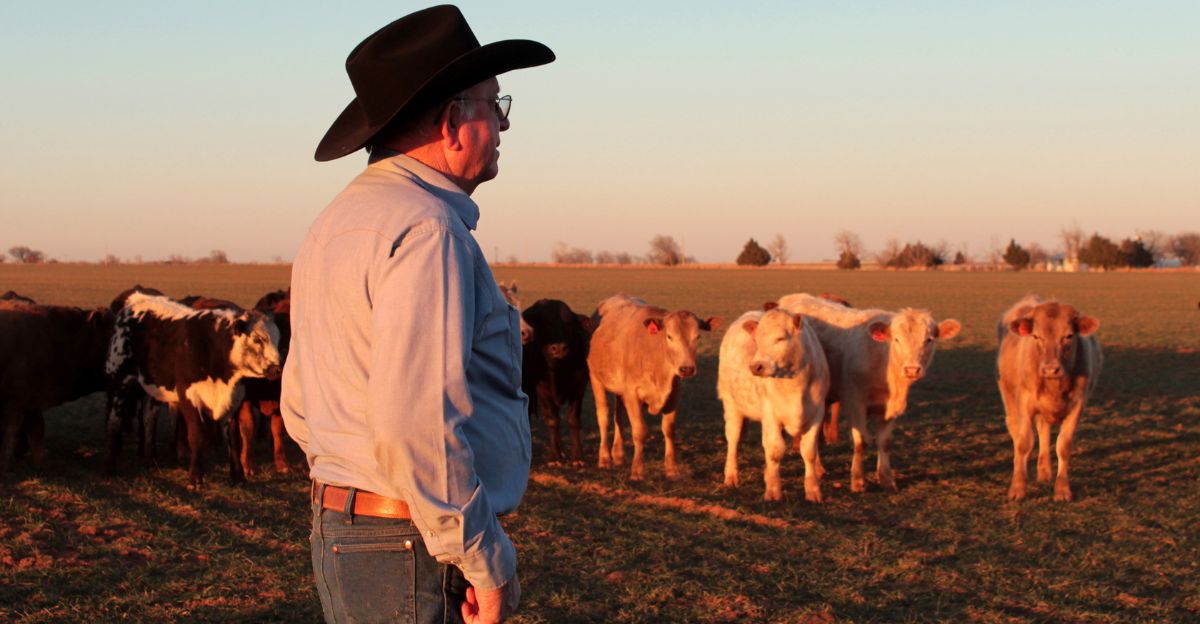
Hank Herrmann said, “We feel attacked. People are suddenly looking at ranchers like we’re the bad guys.” He explained ranchers were only now covering costs after years of losses. These small business owners felt misunderstood and abandoned after supporting tariff policies. Their voices revealed the gulf between policy promises and rural realities.
What drove this sense of betrayal?
Ranchers Felt Specially Targeted
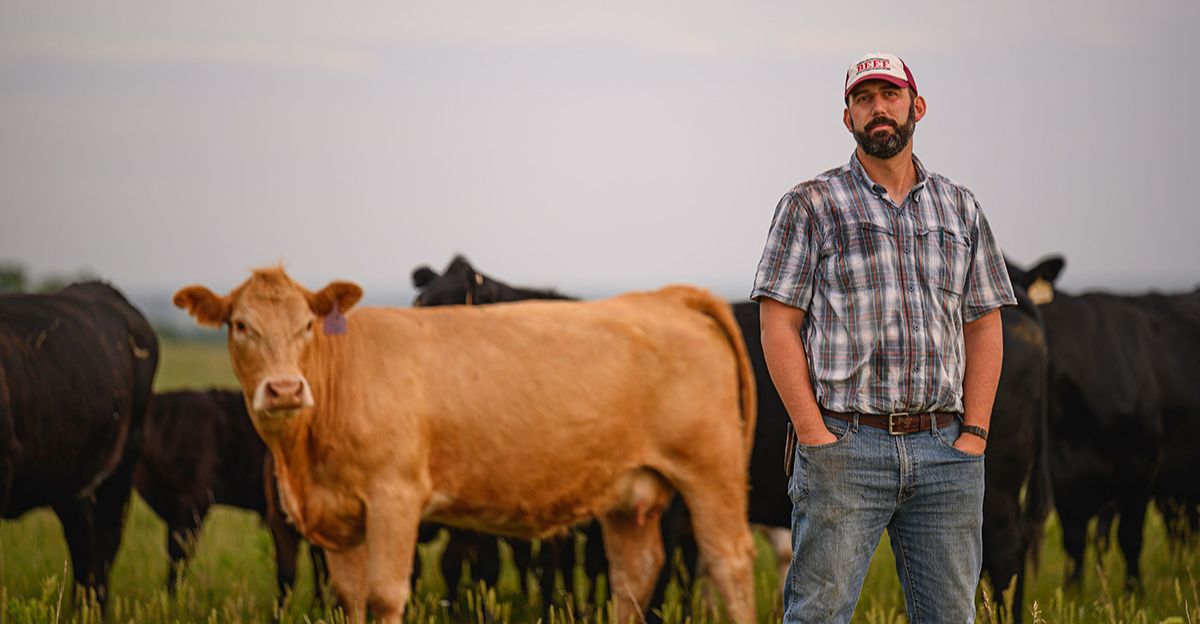
Milton Charanza explained, “Nobody has been taken advantage of more than the American rancher.” Ranchers supported Trump’s America First agenda and tariffs expecting protection. When imports from Argentina increased drastically, it felt like a broken promise. They expected safeguards, not foreign influx. The frustration grew as ranchers felt sidelined in favor of trade deals.
What was the wider geopolitical context?
The $40 Billion Argentine Bailout Link
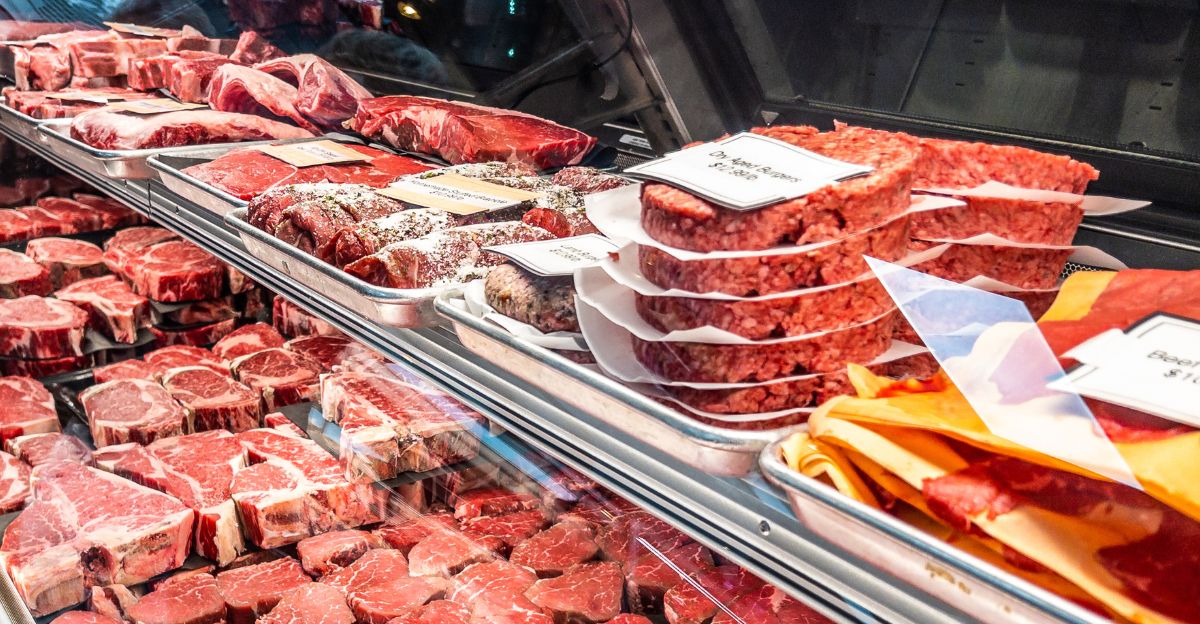
The Biden administration’s $40 billion bailout to Argentina aimed to stabilize its currency crisis. Expanded beef imports tied into this strategy. An agricultural group warned, “Argentina took over our soybean market after China stopped buying from U.S. farmers—right after Washington handed them $20 billion.” Now another $20 billion was tied up in beef deals, raising questions about trade priorities.
How did Trump justify his tariff policies publicly?
Trump Claims Tariffs Protected Ranchers
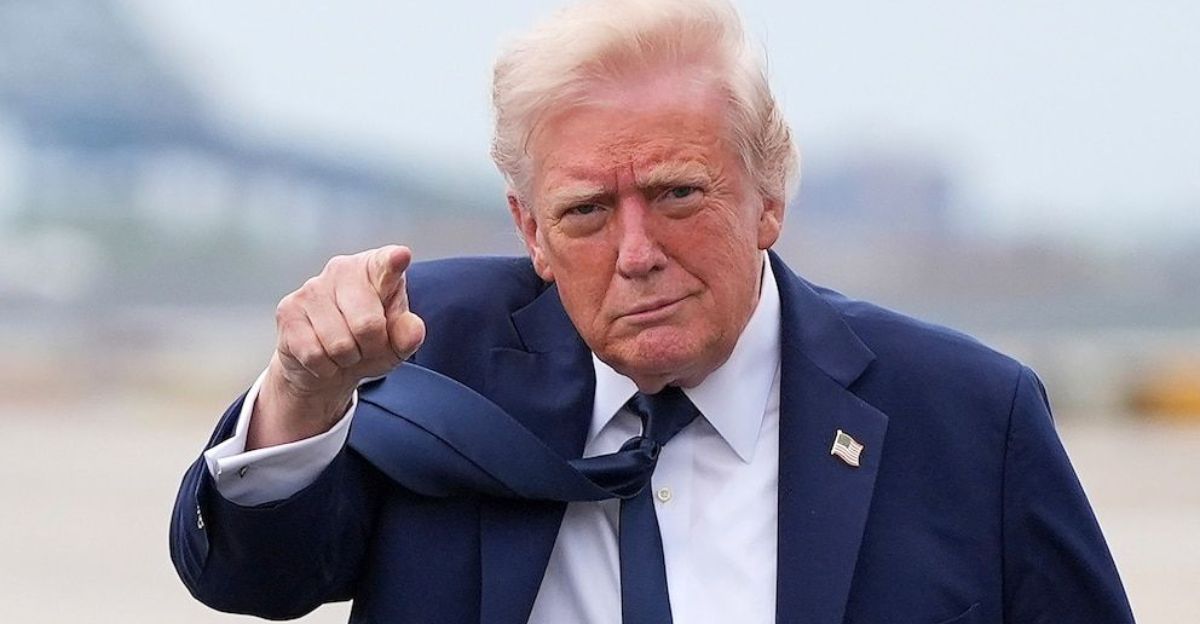
Trump wrote on Truth Social that tariffs, including a 50% tax on Brazilian cattle, helped ranchers thrive for the first time in decades. But he ignored the dominance of the Big Four packers who control most beef processing. These giants benefit from price swings and supply constraints, complicating the market for ranchers despite tariff measures.
What role does packer consolidation play in this?
Big Four Packers’ Market Power
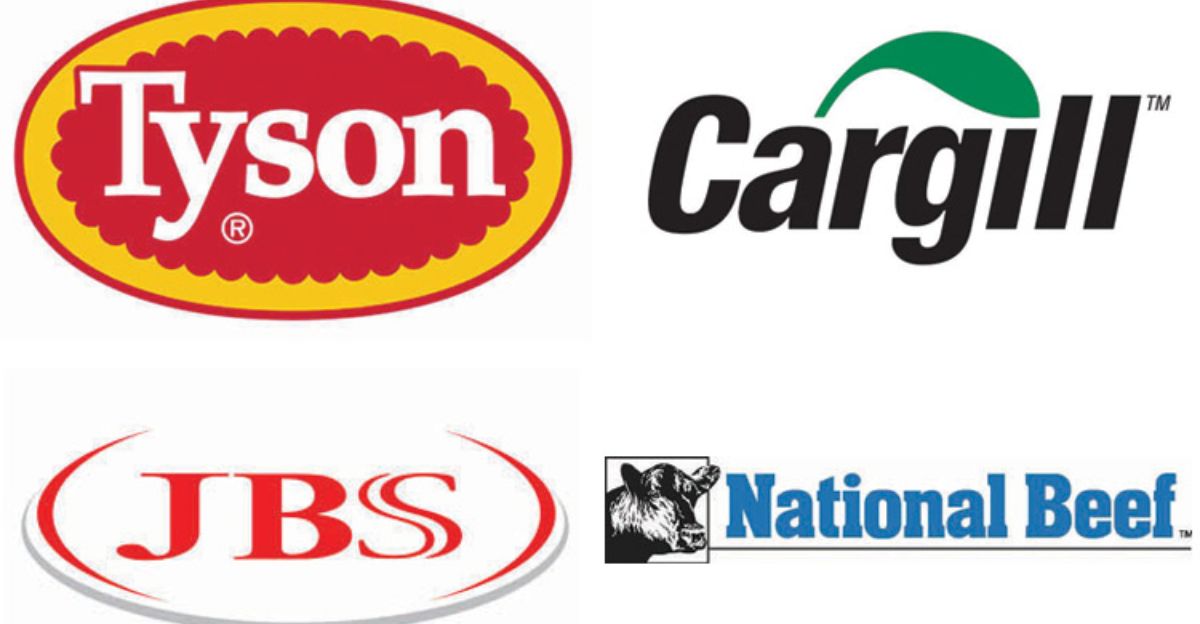
From 36% market share in 1980, the Big Four packers—Tyson, JBS, Cargill, and National Beef—now control 85% of beef slaughter. Only 12 federally inspected plants handle half the U.S. supply. This consolidation concentrates power, enabling packers to influence prices and margins. Ranchers face a tough market where packers’ interests often conflict with theirs.
Why does this imbalance matter now?
How Market Control Hurts Ranchers
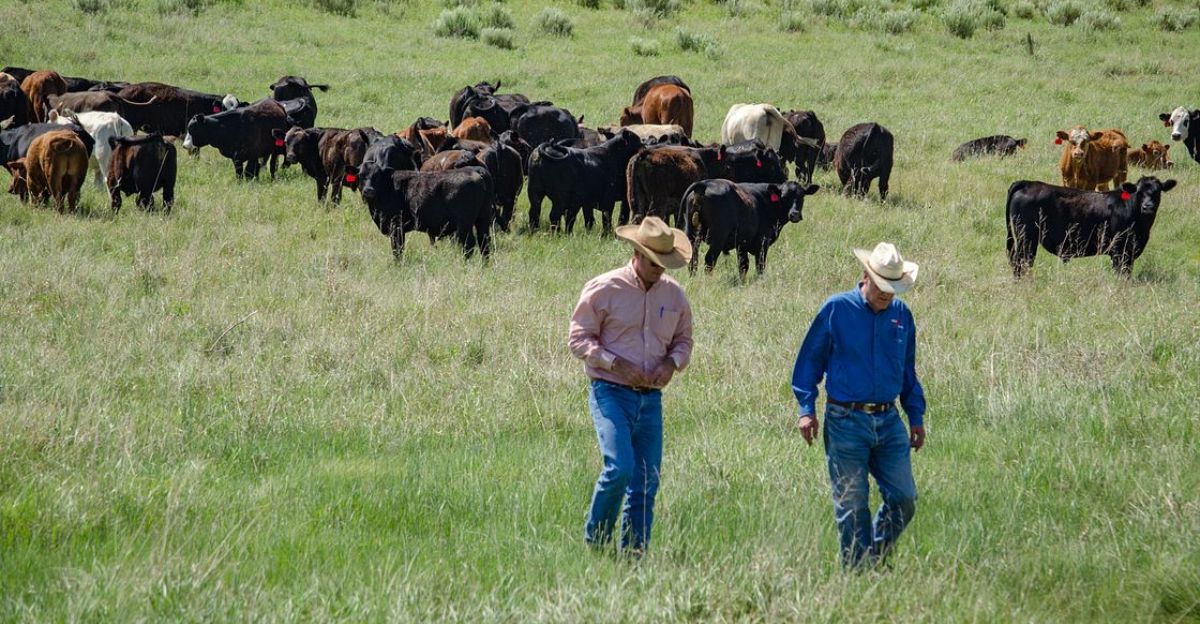
This market dominance squeezes ranchers, limiting their bargaining power and price stability. As supply tightens, packers can exploit volatility to their advantage. Ranchers endure wild price swings that threaten their survival, while packers often reap the profits. This dynamic worsens when policy shifts suddenly alter trade flows.
What consequences arose for Texas ranchers?
Farms Faulted for Policy Shifts
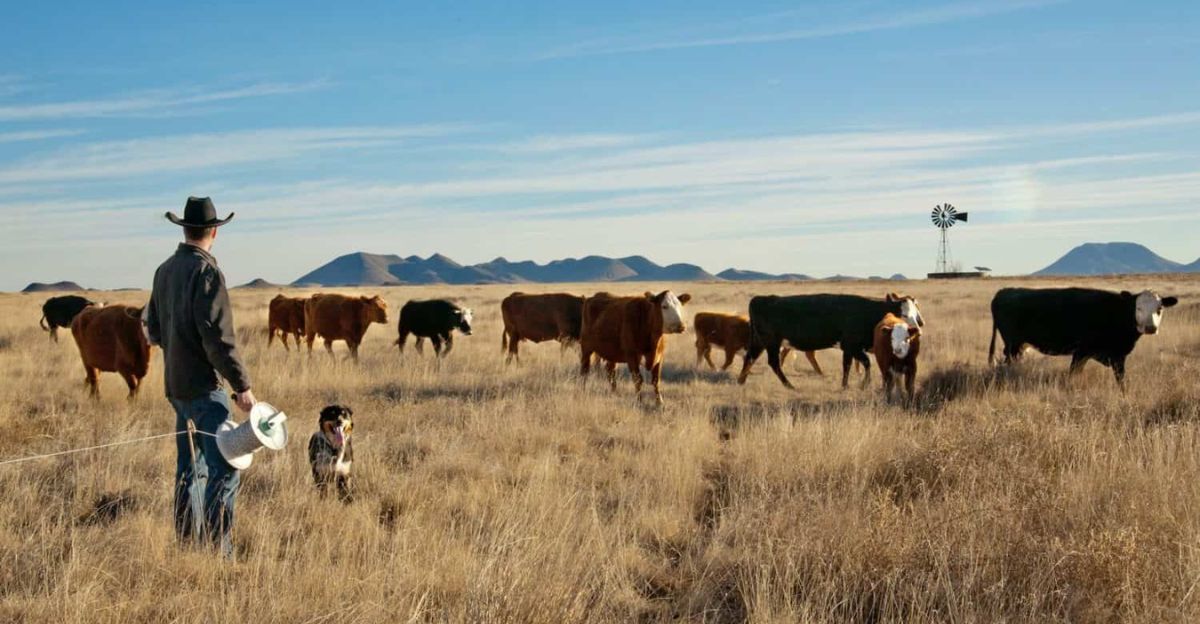
Many Texas ranchers faced mounting debt and shrinking margins as cattle prices plummeted post-tariff announcement. Some are selling off land or reducing herd sizes. Loss of income reverberates through rural communities, affecting families and local economies. The policy reversal feels like a cruel twist after years of hardship.
Could this market chaos reshape Texas agriculture?
Texas Agriculture at a Crossroads
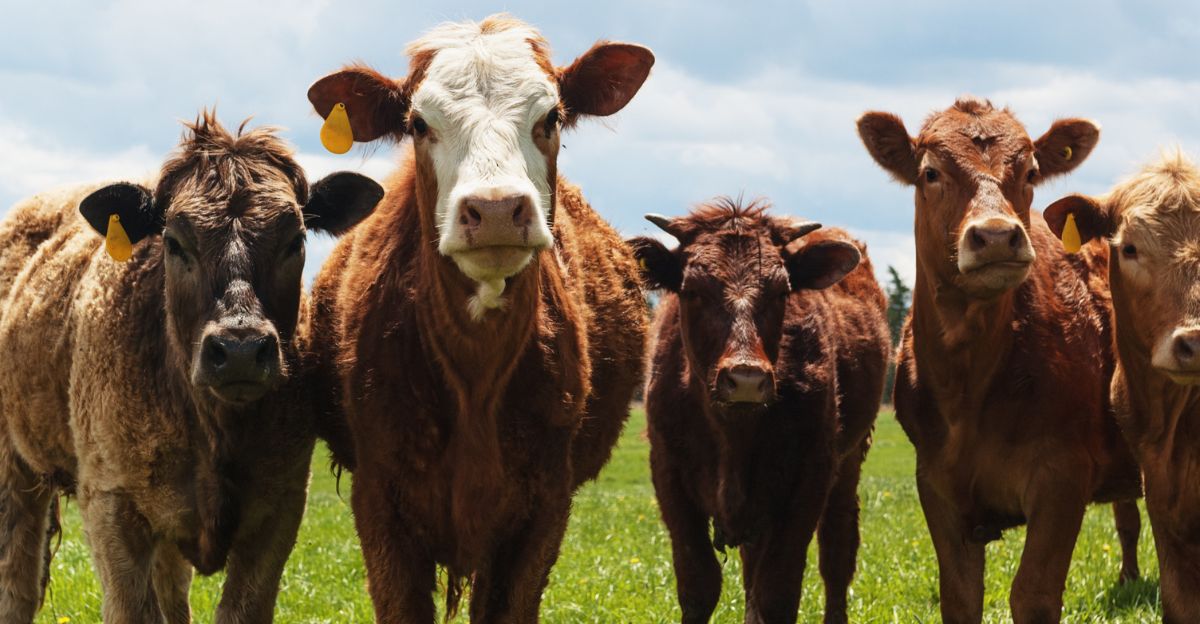
With herd sizes shrinking and prices unstable, Texas agriculture faces uncertainty. Ranchers worry about long-term viability as import policies and trade deals shift unpredictably. The hopes built on recent gains are fragile. Without stable protection or market clarity, many fear more closures and lost livelihoods ahead.
What do ranchers want moving forward?
Ranchers Seek Fair Trade and Stability
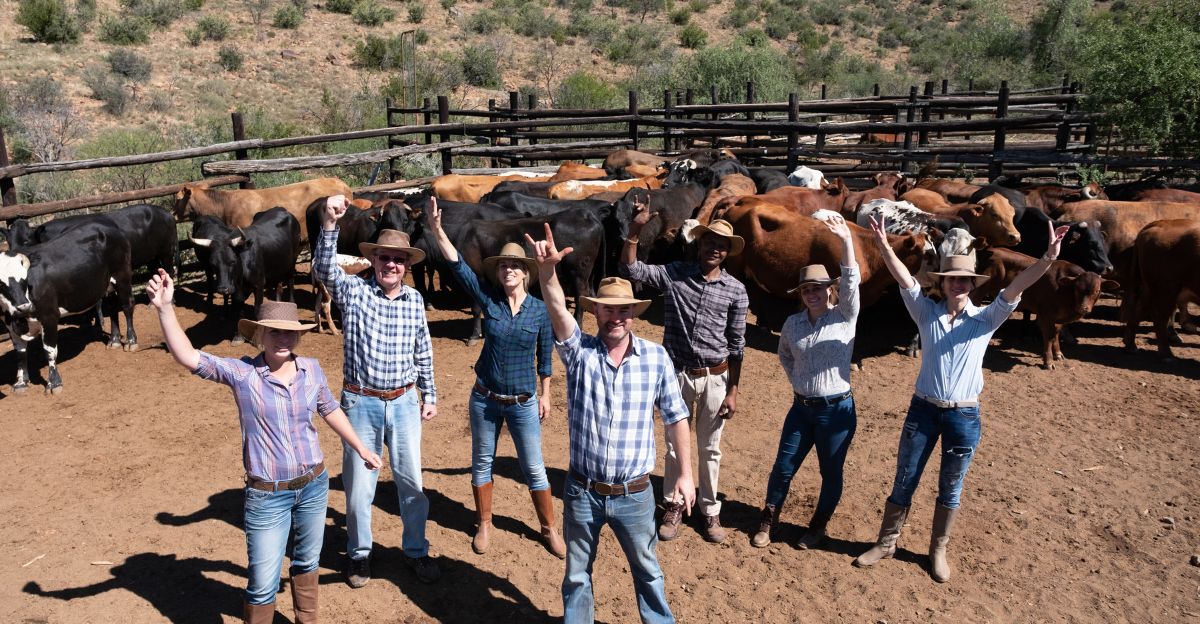
Ranchers call for predictable policies that protect local producers. They want tariffs and trade deals aligned with rural interests, not undermined by foreign bailouts or geopolitical deals. Advocates stress the need for balance between consumer prices and producer sustainability to preserve the backbone of American beef production.
Can policy makers balance these competing demands?
The Grocery Price Dilemma
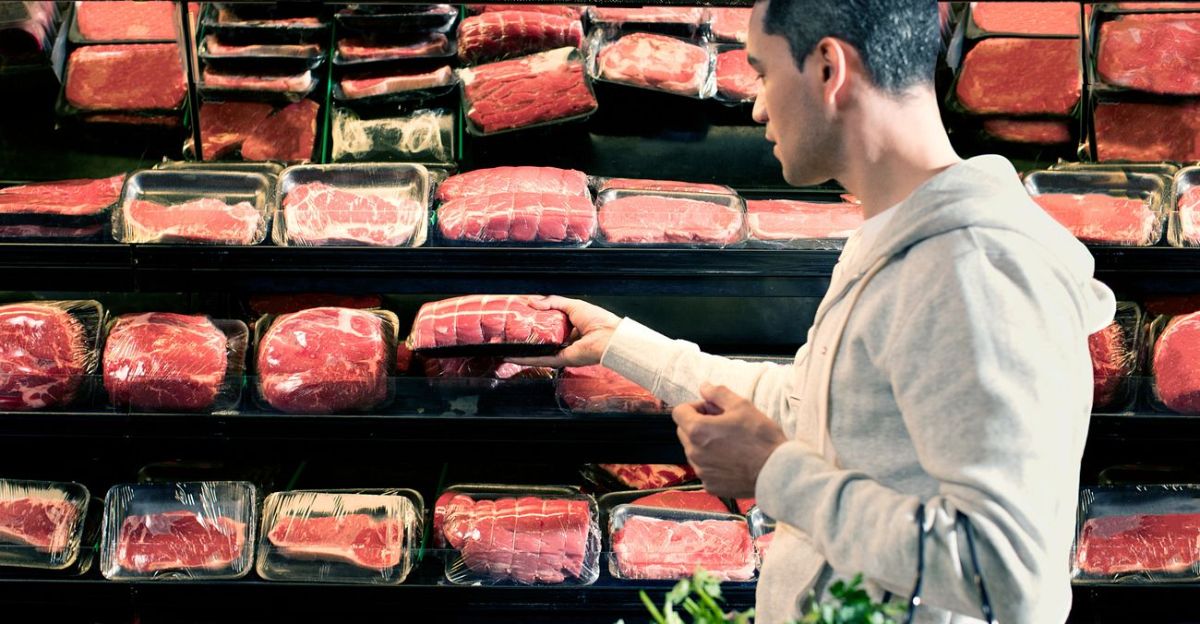
Policymakers face pressure to keep grocery costs low for consumers. Beef prices rising alarm shoppers and politicians alike. But aggressive import expansions to lower prices risk destroying domestic production. This tension creates a difficult balancing act between affordable food and protecting farm livelihoods.
How might future policies evolve in response?
Future Trade Policies in Question
With growing backlash from ranchers and consumers, future trade strategies may shift toward more nuanced approaches. Balancing tariffs, imports, and packer power will be critical. Some anticipate increased support for domestic producers alongside targeted import controls. The outcome will shape rural economies for years to come.
What lessons have the Trump tariff saga revealed?
Lessons from Tariff Whiplash

The tariff U-turn exposed vulnerabilities in U.S. beef markets: fragile herds, concentrated processing power, and geopolitical trade entanglements. It showed how sudden policy changes can devastate hardworking ranchers and unsettle rural communities. Understanding these dynamics is key to crafting balanced, resilient trade policies.
What lies ahead for Texas ranchers after this turmoil?
Texas Ranchers Face an Uncertain Future
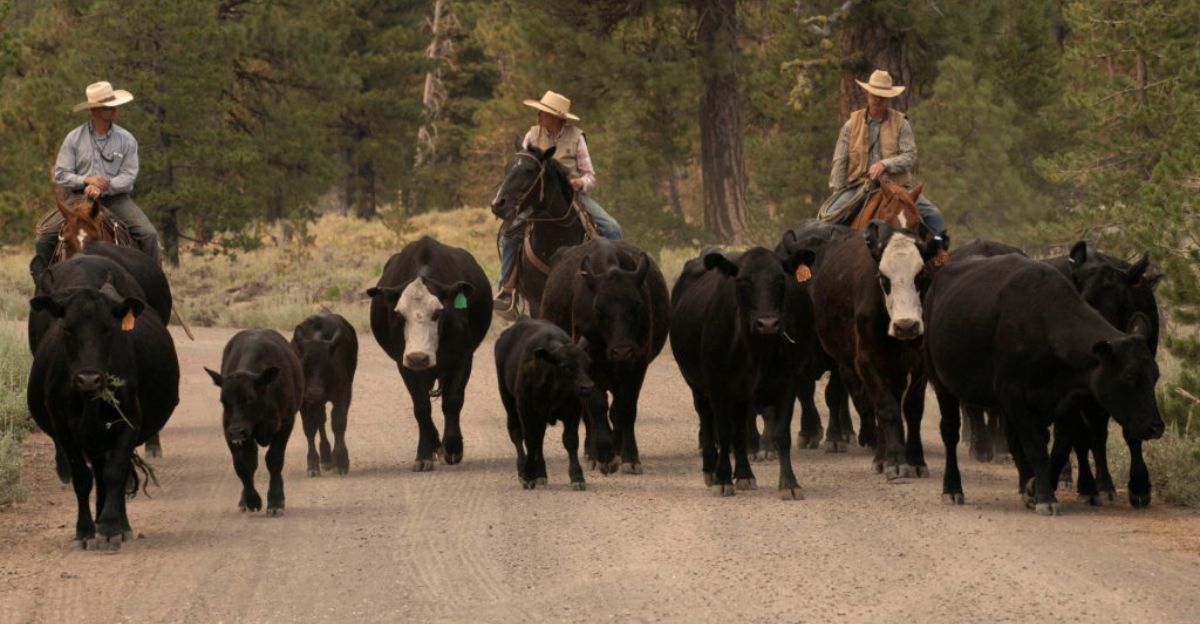
As 2026 unfolds, Texas ranchers must navigate volatile markets, shifting policies, and industry consolidation. Recovery depends on stable trade rules and fair market access. The past two years reveal the thin line between hope and hardship. For many, the story of survival continues with cautious optimism amid lingering challenges.
Sources
“The USDA Cattle Report.” United States Department of Agriculture, 2024.
“Chicago Mercantile Exchange Data on Live Cattle Futures.” CME Group, October 2025.
“U.S. Beef Import Quota Announcement.” White House Official Statements, October 2025.
“Texas Ranchers React to Beef Tariff Changes.” The Financial Times, October 2025.