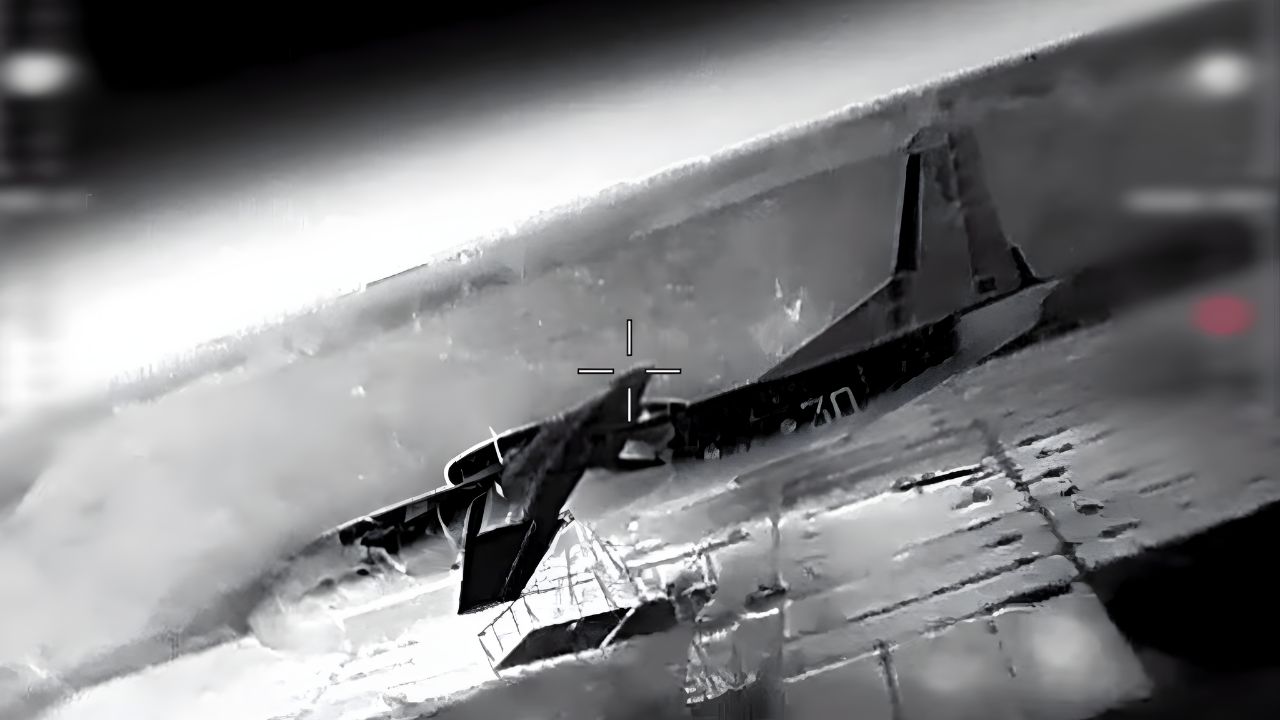
Ukraine’s Defense Intelligence has been systematically dismantling Russia’s most advanced air defense network in occupied Crimea, and the stakes couldn’t be higher. The “Prymary” unit, known as the “Ghosts,” operates deep inside Russian-controlled territory with surgical precision, repeatedly targeting the very radar systems designed to detect and destroy aerial threats.
According to Ukraine’s Defense Intelligence (DIU), these recent strikes have destroyed critical components of Russia’s S-400 Triumf air defense system, costing Moscow hundreds of millions of dollars.
The S-400 Triumf System Explained
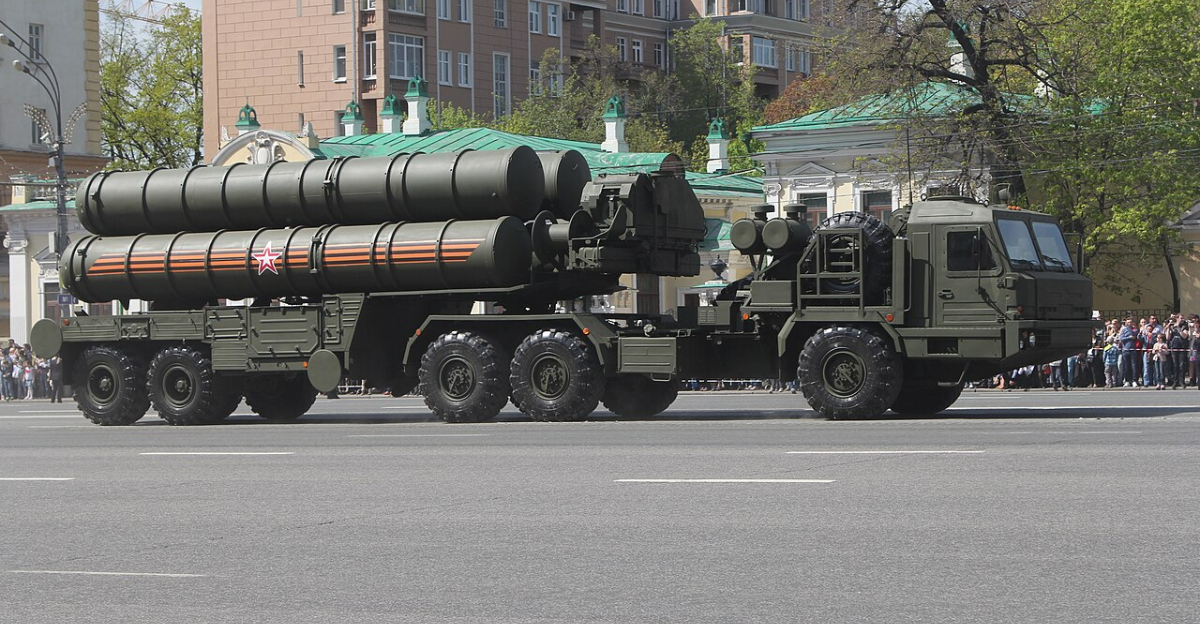
Russia’s S-400 Triumf is among the world’s most sophisticated surface-to-air missile systems. Produced by Russia’s Almaz-Antey corporation, each S-400 battalion costs between $300 million and $500 million to deploy and maintain.
The system can engage aircraft and ballistic targets at ranges exceeding 200 kilometers, making it Russia’s first line of defense across occupied Crimea.
The Radars That Lost Their Eyes
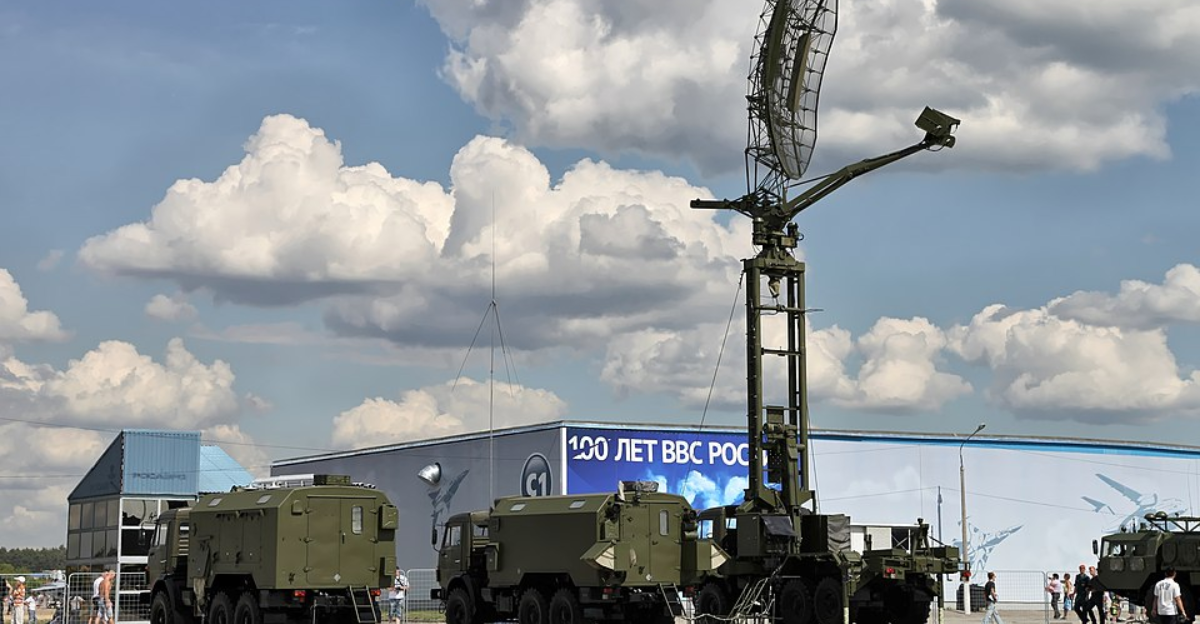
The S-400 system relies on two critical radar components: the 39N6 Kasta-2E2 and the 96L6, both of which serve as intelligence and detection systems. Without these “eyes,” the entire missile battalion becomes blind and combat-ineffective.
The 92N6E multifunctional radar, another key component, serves as the targeting brain of the system.
Recent Precision Strikes in Crimea
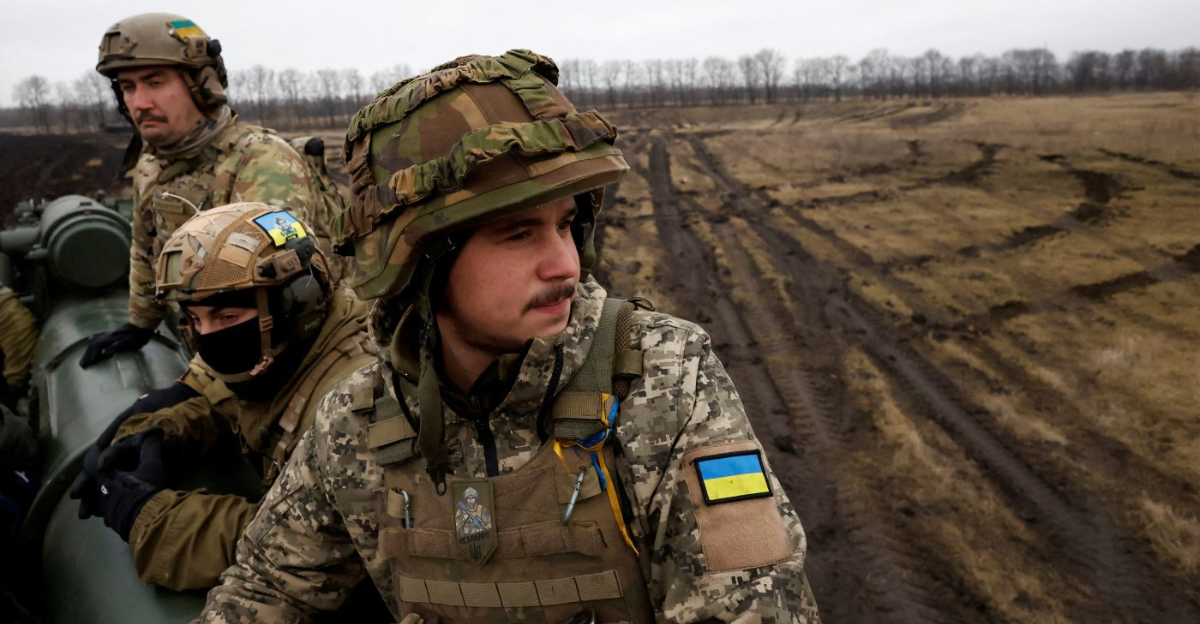
Between September and December 2025, Ukraine’s special forces conducted more than 20 precision strikes on Russian military infrastructure in occupied Crimea. According to the DIU, operations in late September through October resulted in the destruction or damage of 20–25 military units and 5–7 military bases.
The cumulative financial damage to Russian forces has reached between $4–5 billion, including repairs and replacement costs, according to Ukraine’s intelligence assessments.
The October 26 Strike

On October 26, 2025, the DIU conducted a coordinated attack that destroyed or damaged three critical radars in a single operation: the 96L6 S-400 mobile air surveillance radar, the P-18 “Terek” radar, and the 55Zh6U “Nebo-U” long-range detection system.
These systems form the backbone of Russia’s air defense network across the peninsula. According to intelligence reports, this strike “created gaps in Russian detection capability that expanded opportunities for further Ukrainian operations.”
The November 1-2 Command Post Raid
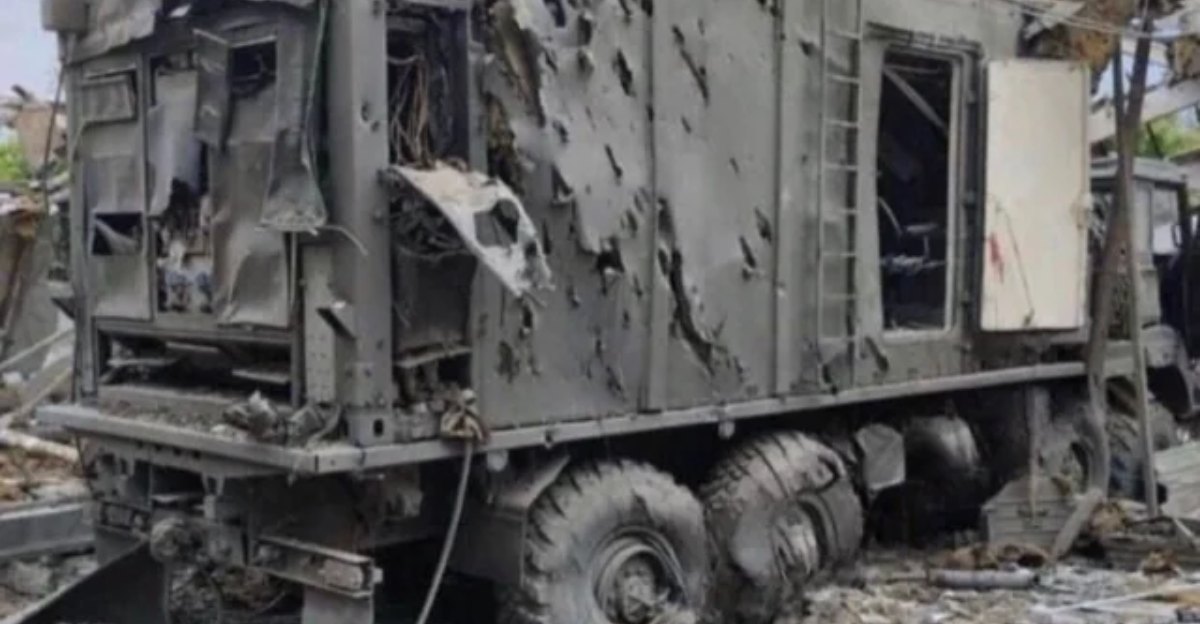
In one of the most significant operations, Ukraine’s DIU targeted the command post of a Russian S-400 Triumf air defense battalion on November 1–2, 2025. The strike destroyed a 92N6E multifunctional radar and the autonomous power supply system supporting the command post, according to official Ukrainian statements.
Satellite imagery later confirmed the facility was completely destroyed. The operation was described as part of a “systematic demilitarization of occupied Crimea.”
The $300 Million Blow
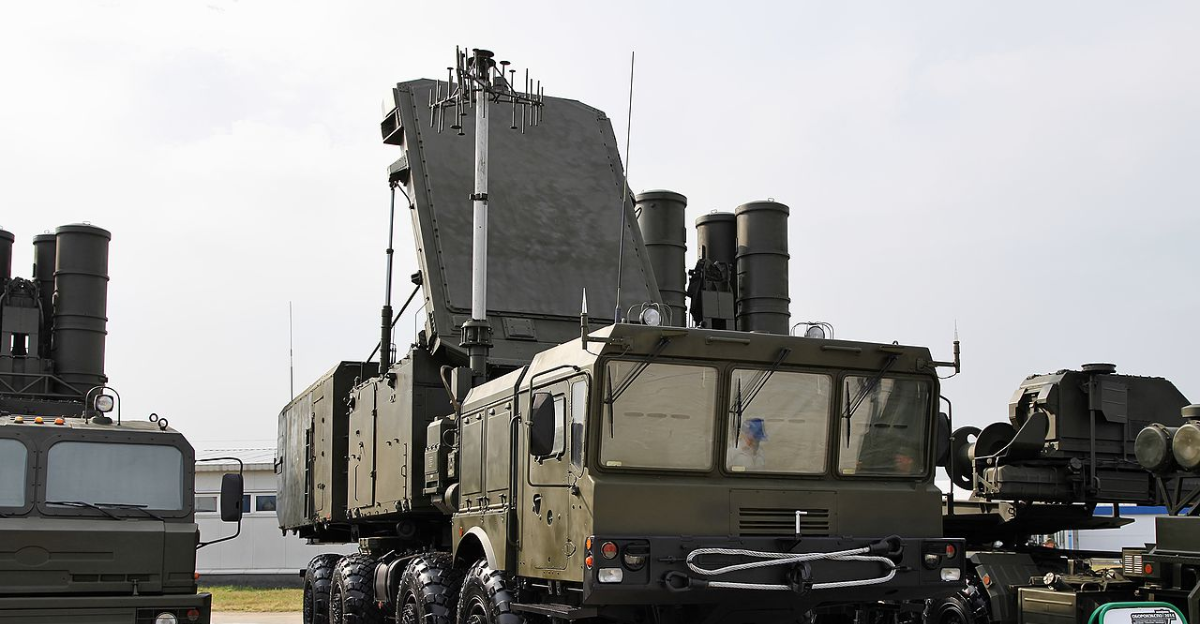
According to military analysis and Ukrainian intelligence assessments, the combined replacement cost for two destroyed S-400 radar systems—the 39N6 Kasta-2E2 and the 96L6—reaches approximately $100–300 million.
Military experts note that S-400 radar components are among the most difficult assets for Russia to replace due to international sanctions and limited production capacity.
How the Ghost Unit Operates
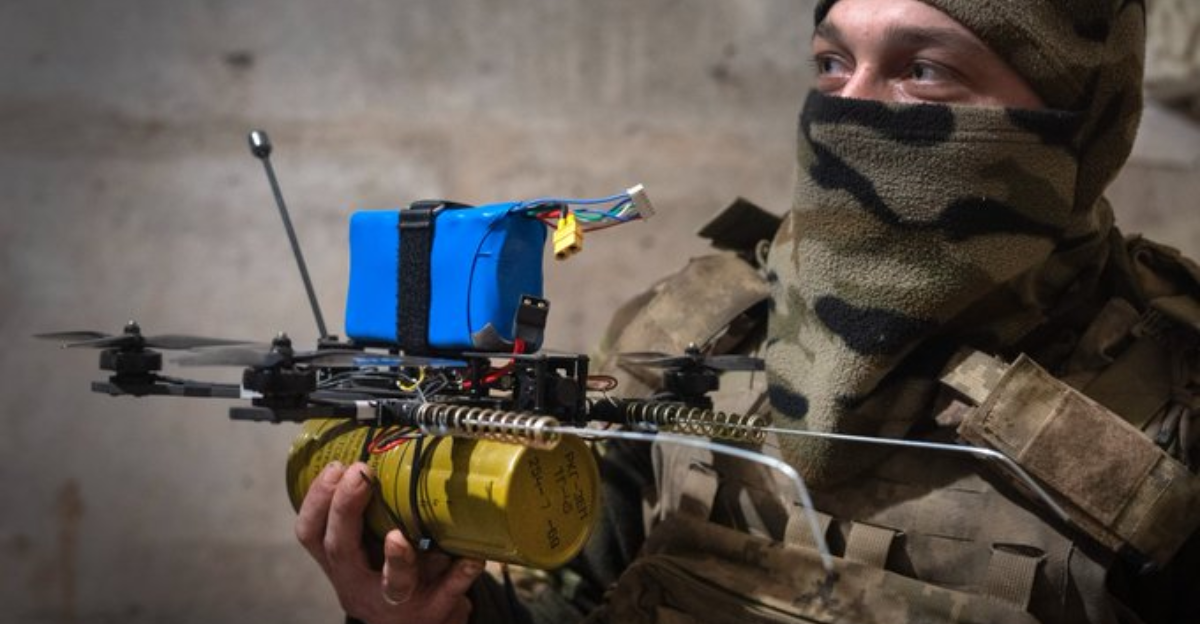
The “Prymary” unit operates as a special operations center within Ukraine’s Defense Intelligence. These forces use precision-guided FPV drones, Magura-V sea drones, and intelligence-directed strikes to target high-value assets across occupied territory.
According to Ukraine’s SOF command, the unit continues to inflict significant damage on Russian forces, accelerating the loss of their ability to wage further combat operations.
Detection Weakened by 30-40 Percent

According to an analysis published by the Institute for the Study of War (ISW), Russia has lost between 30 and 40 percent of its air defense capacity in Crimea.
This creates what military analysts call “blind spots”—areas where Russian air defense coverage is critically weakened or nonexistent.
The S-400 Paradox

The Special Operations Forces of Ukraine noted in September 2025, “Symbolically, the expensive enemy air defence system, which is designed to counter UAVs, was destroyed by SOF strike drones. The radar station is the ‘eyes’ of the S-400 Triumf system.
Without this surveillance and targeting element, the entire system loses its combat capability.” This vulnerability has become the defining feature of the campaign.
Expanding the Kill Zone
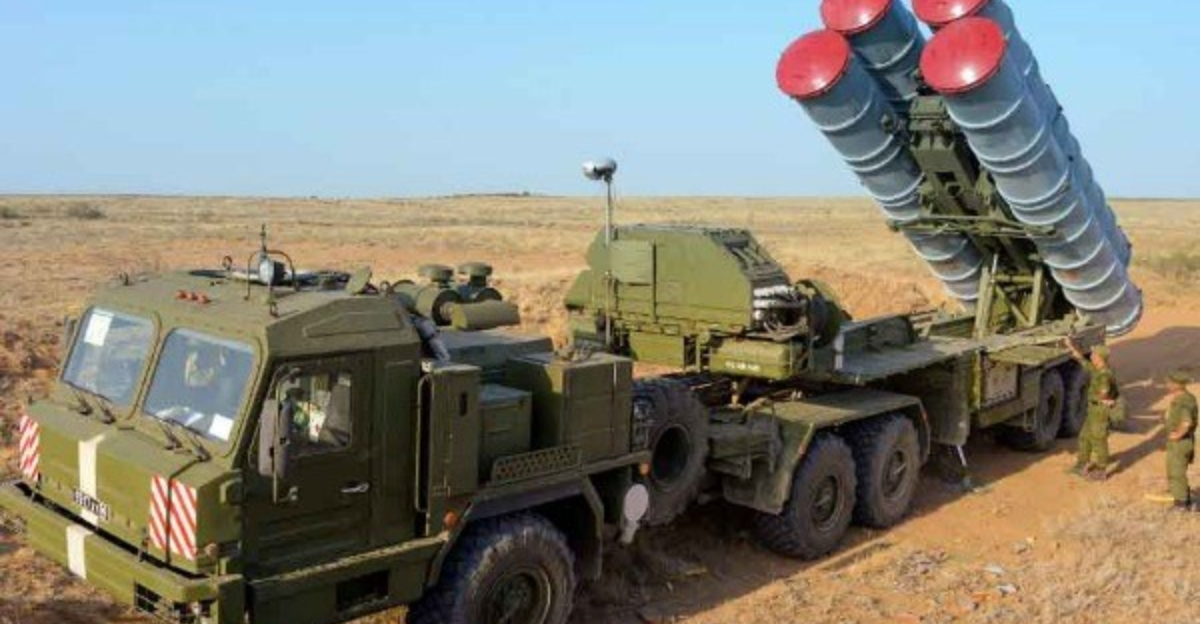
Each destroyed radar doesn’t just remove one piece from Russia’s defenses—it opens corridors through the air defense network. According to military analysts quoted in Ukrainian intelligence reports, “The strike on the S-400 anti-aircraft missile system in occupied Crimea is a kind of ‘cutting’ a corridor through the enemy’s air defense system.”
These gaps allow Ukrainian missiles and drones to penetrate deeper into Russian-held territory with reduced risk of interception.
The Intelligence Network Behind the Strikes
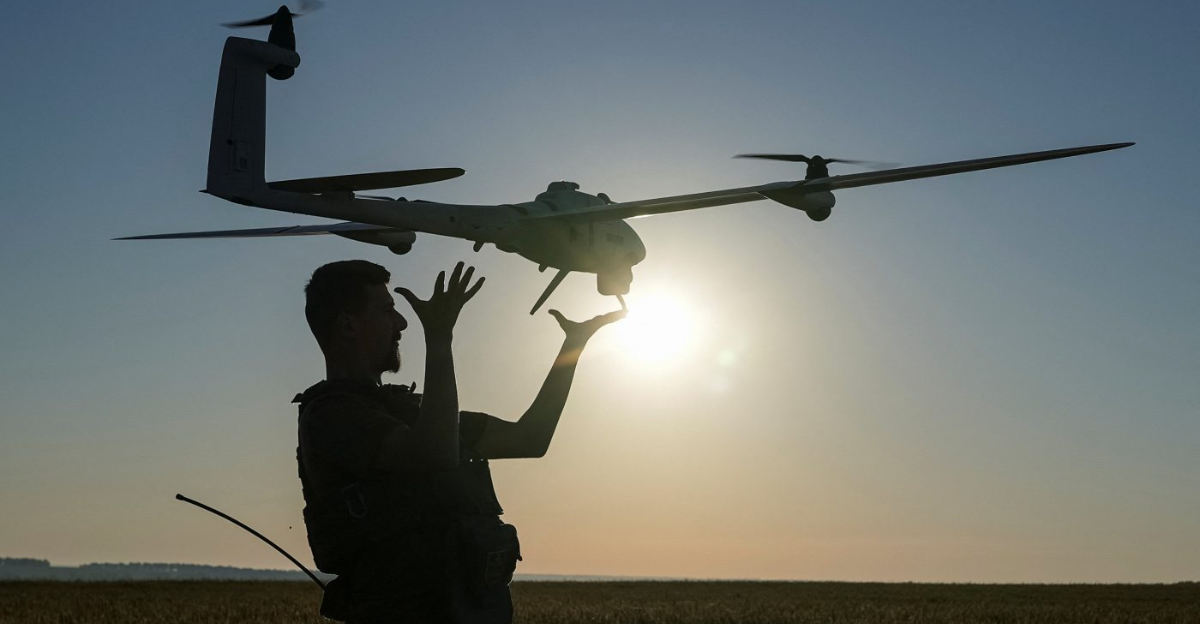
Ukraine’s DIU operates an extensive human intelligence network across occupied Crimea, supported by satellite imagery from allied intelligence services. According to reports from the Security Service of Ukraine (SSU), operations are coordinated among multiple Ukrainian military branches, including the DIU, the Special Operations Forces, the State Border Guard Service, and the Armed Forces’ unmanned systems units.
This integration enables the precise targeting of mobile radar systems that are continually relocated by Russian forces.
Repeated Strikes, Impossible Defense
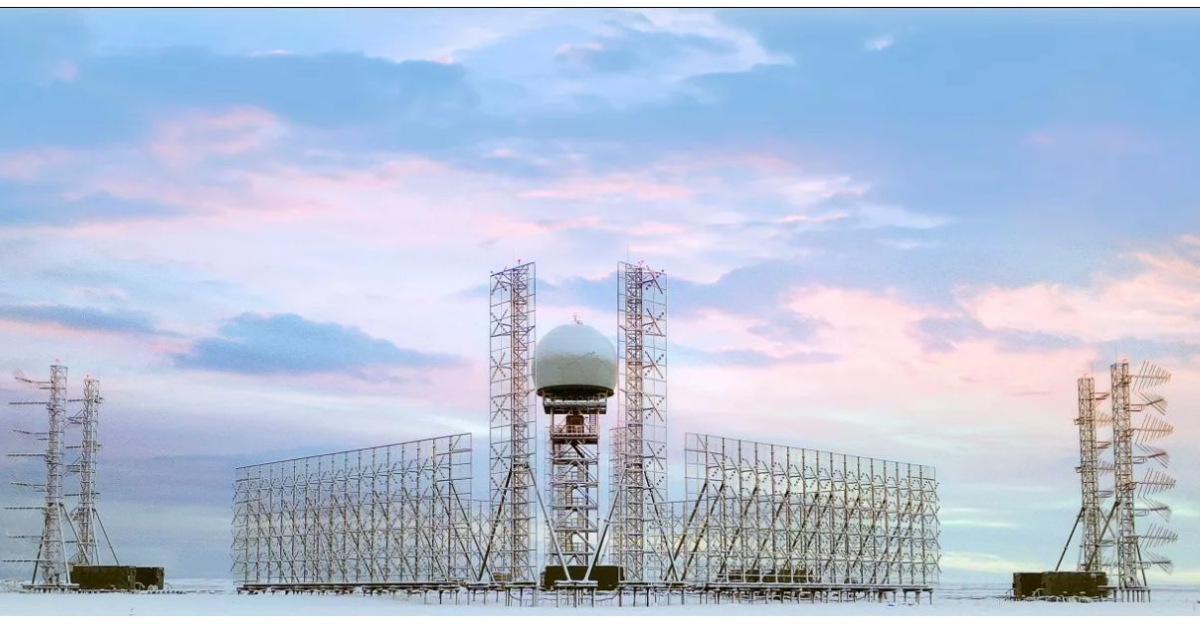
Russia has attempted to defend its radar systems by placing them under protective dome structures. According to Ukraine’s DIU statement from August 2025, “After serious losses of air defense facilities on the peninsula, Russian occupiers in Crimea have begun hiding their expensive military facilities in dome structures.”
These countermeasures have proven ineffective. Ukrainian strikes have penetrated these defenses multiple times, including operations that destroyed equipment housed at the Ai-Petri peak facility.
The Broader Demilitarization Campaign
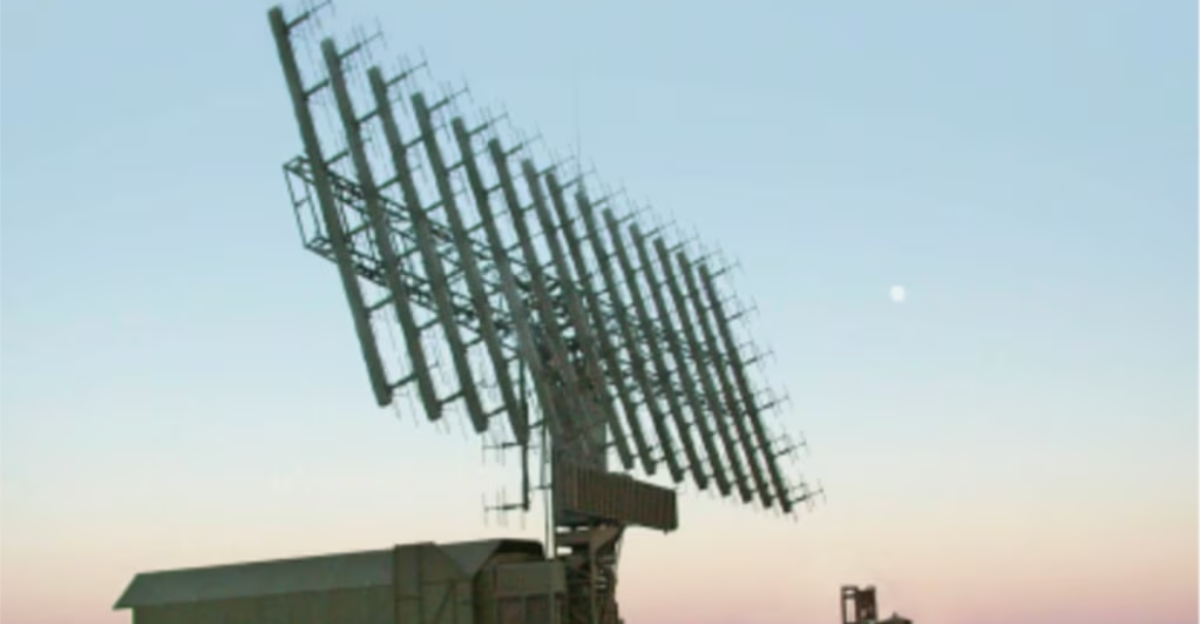
These radar strikes are part of a larger campaign to systematically strip Russian military capability from occupied Crimea. According to the SSU, each destroyed system represents progress in weakening Russia’s ability to project power across the peninsula.
Ukrainian officials have publicly stated that “the demilitarization of the temporarily occupied Crimea continues,” with strikes targeting not only air defense but also ammunition depots, command posts, aircraft, naval vessels, and fuel facilities worth billions of dollars.
Russia’s Dwindling S-400 Fleet
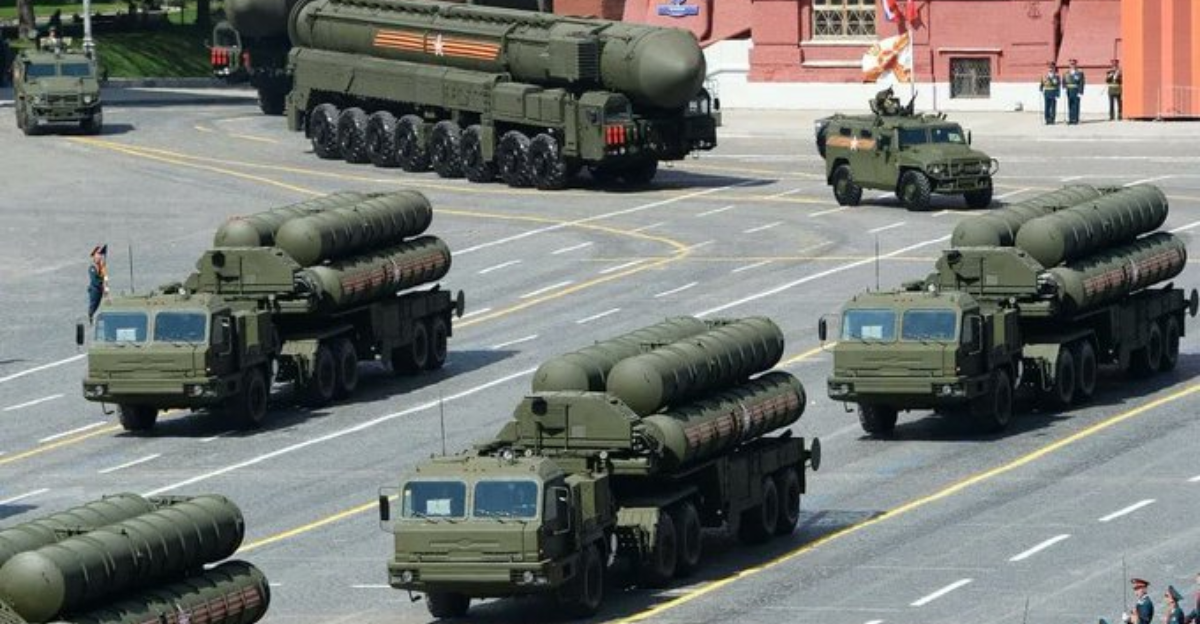
Military experts assess that Russia has lost more than 20 S-400 systems during the Ukraine war—nearly 40 percent of its pre-2022 fleet of 50–55 systems.
According to military analyst Pavel Narozhny, “They have a rather limited number of these systems given the vast territory they need to cover.”
The Black Sea Theater Transformed
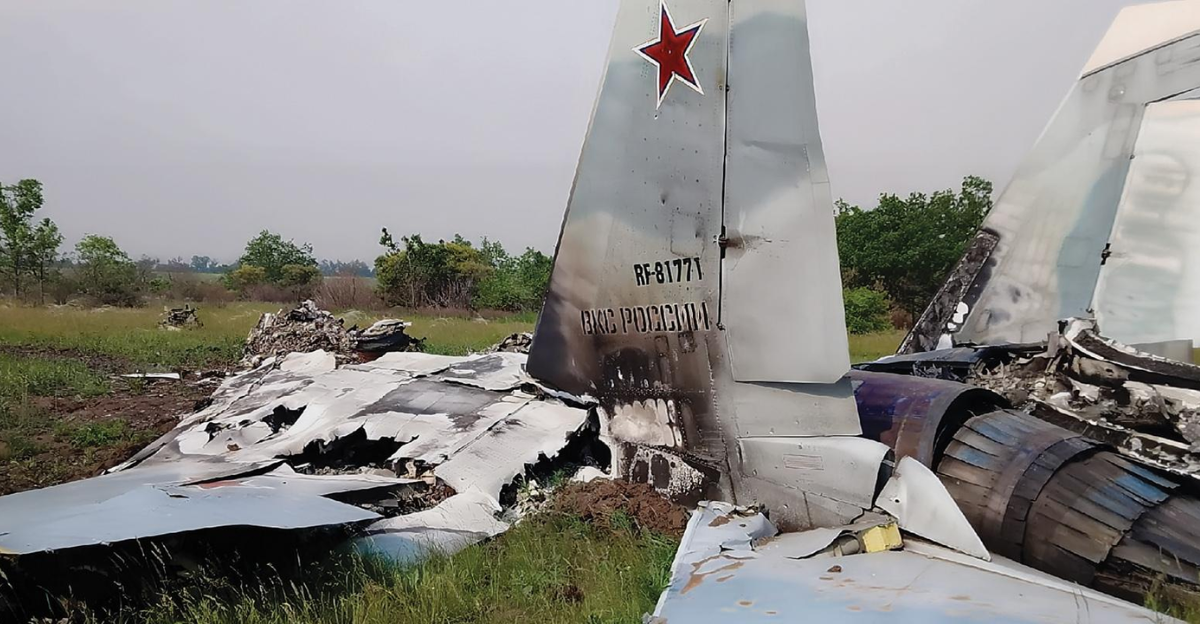
According to the Institute for the Study of War, the degradation of Russian air defenses in Crimea has reversed the balance of power in the Black Sea. The cumulative effect of strikes on radar systems, air defense batteries, and command posts has left Russian forces increasingly vulnerable to Ukrainian air and missile operations.
Intelligence assessments suggest that further Ukrainian strikes on military infrastructure are imminent, particularly targeting the remaining integrated air defense network.
2.4 Million Civilians Under Weakened Protection
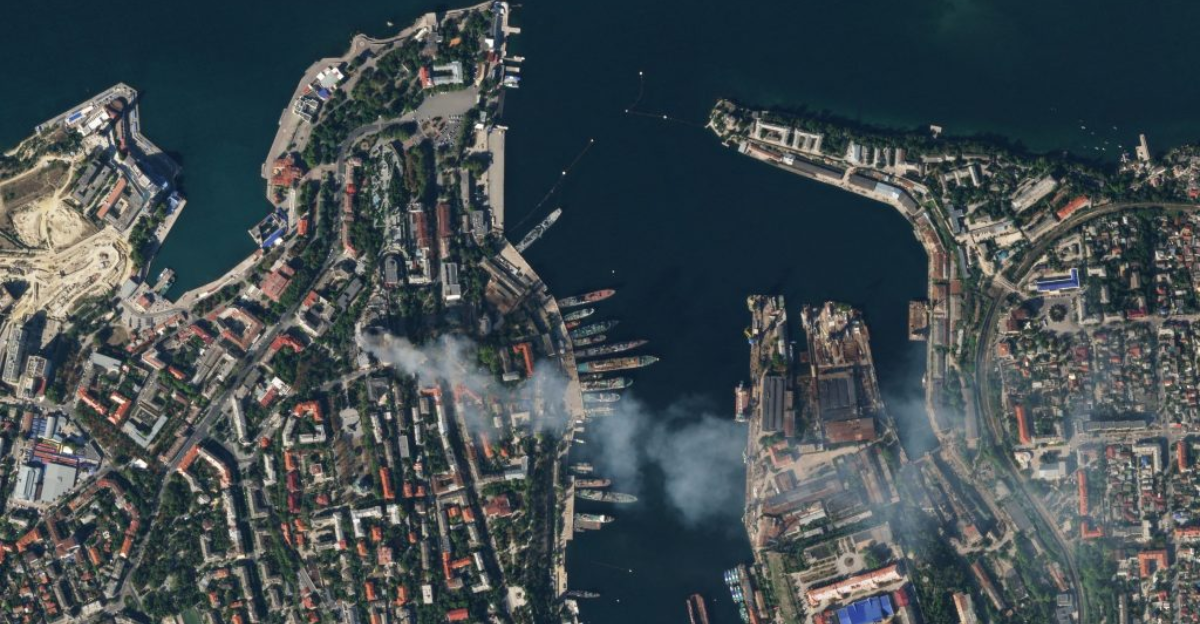
Crimea’s population of approximately 2.4 million residents now lives under an increasingly compromised Russian air defense umbrella. Each destroyed radar system means reduced early-warning capability and slower response times to potential Ukrainian strikes.
While Ukrainian operations deliberately target military infrastructure, the degradation of air defense systems creates broader vulnerabilities across the peninsula’s critical infrastructure and population centers.
The Price of Modern Air Defense
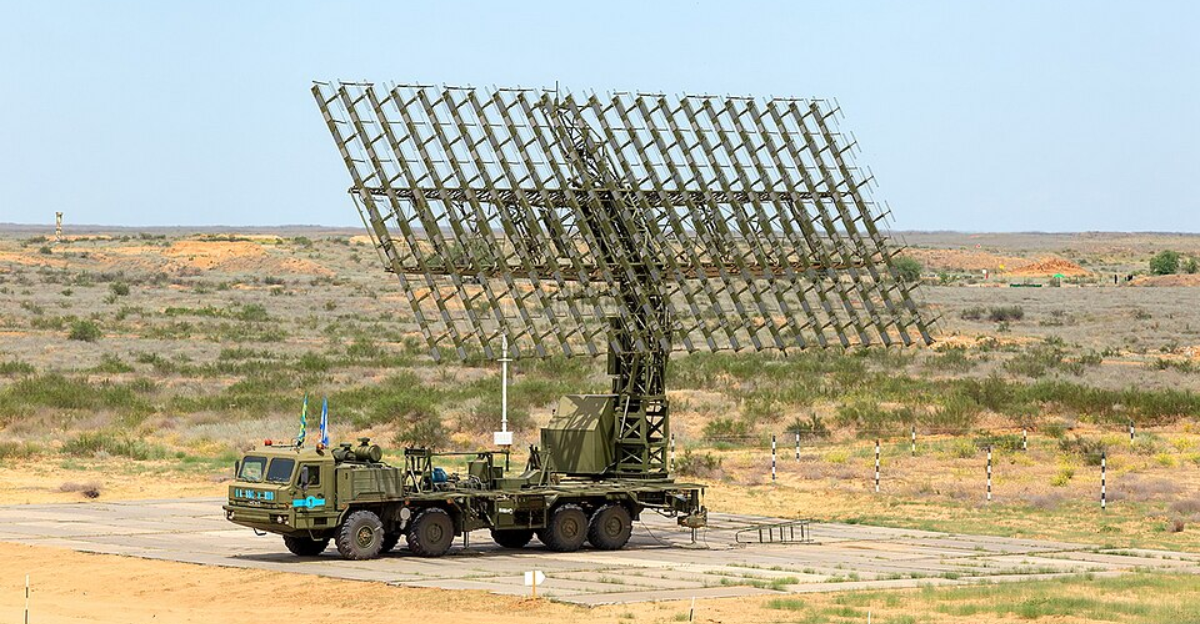
Ukraine’s campaign demonstrates that even the most advanced air defense systems have critical vulnerabilities when their radar components are targeted. A single precision strike on a $50–100 million Nebo-SVU long-range radar or a $100–150 million S-400 radar system can temporarily blind entire sectors of a nation’s air defense network.
The replacement timeline for such systems, measured in years rather than months, provides Ukraine with a strategic window to expand its operations.
What Comes Next?
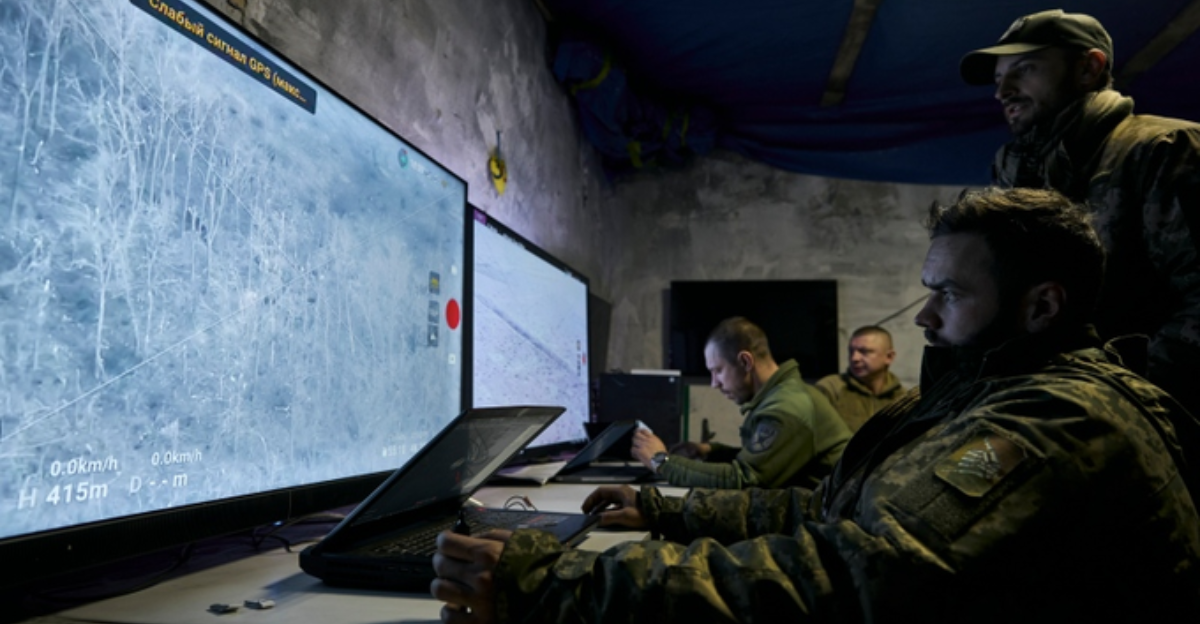
According to intelligence statements, the “Ghost” unit’s ongoing operations are designed to “accelerate the loss of Russian ability to wage further combat operations.”
Each radar destroyed opens new possibilities for larger Ukrainian air and missile operations, potentially including attacks on Russian naval assets, airfields, and supply lines that were previously protected by intact air defense networks.
The Unsinkable Fortress Becomes Vulnerable
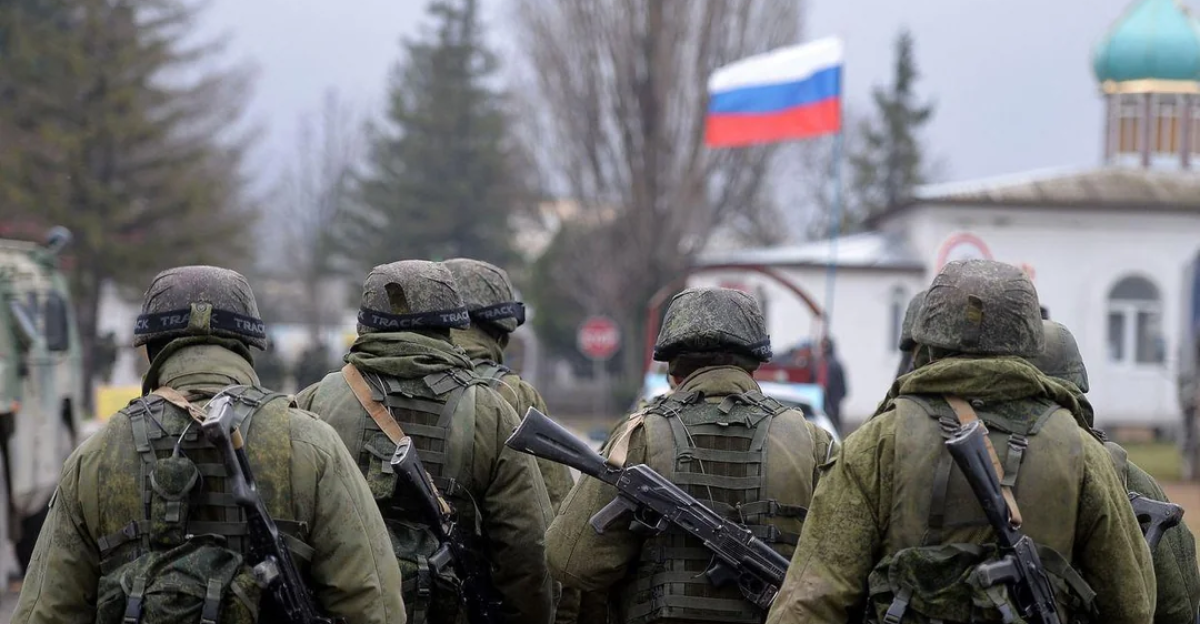
When Russia illegally annexed Crimea in 2014, it was marketed as an “unsinkable aircraft carrier”—a heavily fortified fortress that would project Russian power across the Black Sea. A decade later, Ukraine’s precision strikes on the peninsula’s air defense systems are unraveling that narrative.
The “Ghost” unit’s systematic destruction of S-400 radars and air defense components has transformed Crimea from an impenetrable fortress into an increasingly vulnerable strategic liability, with consequences that extend far beyond the peninsula itself.
Sources:
Ukraine’s Defense Intelligence (DIU) December 2024 Statement
Special Operations Forces of Ukraine September 2025 Report
Security Service of Ukraine (SSU) Official Assessment
Institute for the Study of War (ISW) Crimea Air Defense Analysis
Military Analyst Pavel Narozhny October 2025 Analysis
Ukrainian Military Intelligence Satellite Imagery Confirmation November 2025