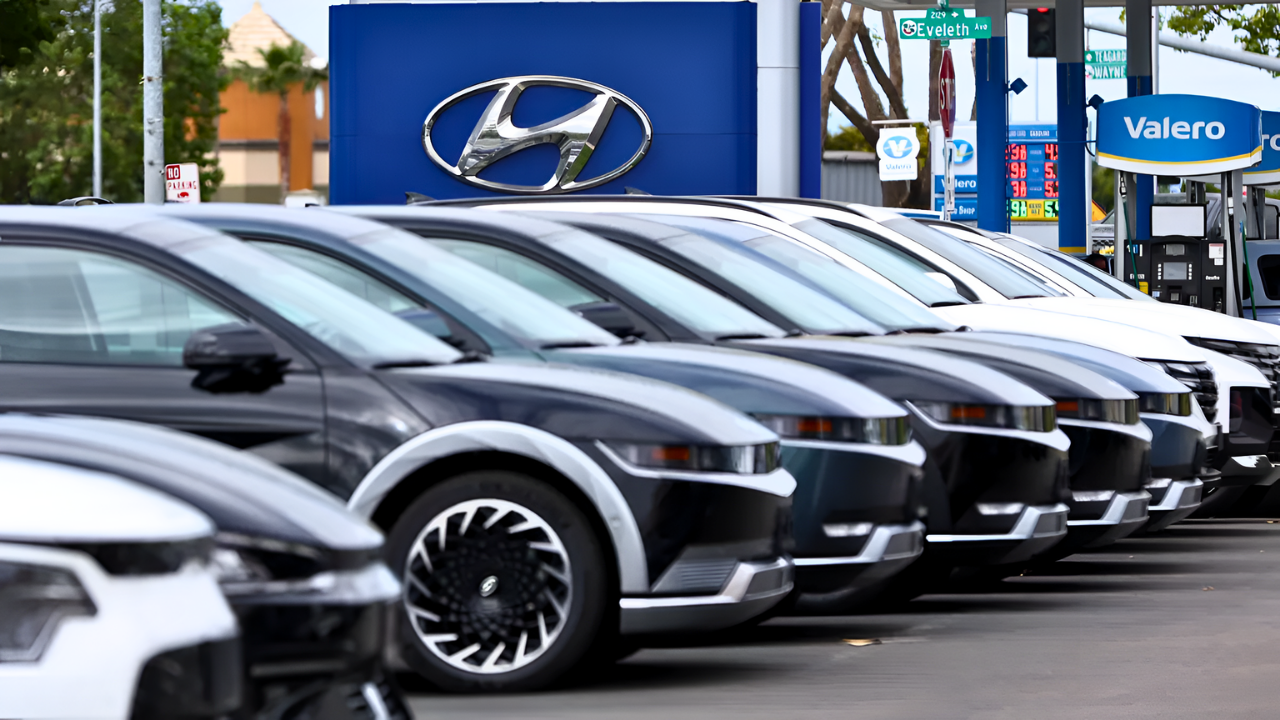
Streets lined with broken-down cars, their windows are smashed, and steering wheels are torn apart. This is exactly how a big crisis grew from a few online videos into one of the worst car theft waves in recent U.S. history. By 2023, police in many cities saw thefts of certain Hyundai and Kia models jump by over 1,000 percent. These everyday cars turned into easy targets for thieves at night. The crimes often led to even more trouble, like other break-ins.
Why These Cars Were Easy to Steal
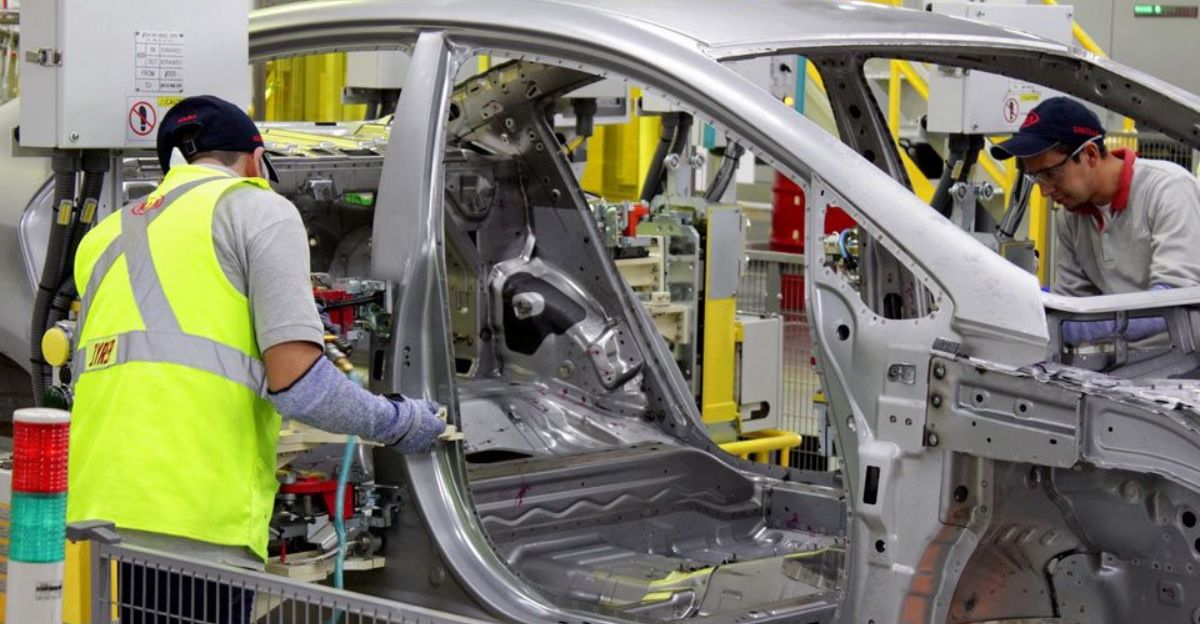
Most big car companies add engine immobilizers to new vehicles. These are electronic locks that stop the car from starting without the right key code. But Hyundai and Kia skipped them on many models from 2011 to 2022. In 2015, only about 26 percent of their U.S. cars had immobilizers. Rivals like Toyota and Honda had them in 96 percent of theirs.
This missing feature made stealing simple. Thieves just broke a window, removed the steering column cover, and touched the ignition. Often, a USB cable or plug worked like a key. The car started in minutes without special tools. Then, videos showing step-by-step thefts spread fast on social media. Thieves posted them as fun challenges, with joyrides and crashes. Even failed tries damaged cars badly, costing owners thousands to fix.
The Huge Cost and Legal Action
The thefts caused big money losses fast. Stolen cars linked to robberies, drug sales, and fatal crashes. Cities lost billions from damaged cars, police overtime, higher insurance bills, and wrecked property.
Over 30 state attorneys general teamed up to fight back. They saw it as a company failure, not just local crime. In December 2025, Hyundai and Kia settled with 35 states and Washington, D.C. It covers 7.1 million cars, 4 million Hyundais and 3.1 million Kias from 2011-2022. The companies must give free anti-theft upgrades. They also pay $4.5 million to hurt consumers and $9 million total to states. This adds to a $200 million class-action deal for owners and insurers.
A key part of the deal: All future U.S. models get immobilizers. This matches what competitors do and what Europe requires on new cars.
Hotspots and Real-Life Impacts
Some cities felt it worst first, like Milwaukee, Columbus, Chicago, and Denver. Police saw many thefts on one street in a night. The same homes got hit again and again. Areas with lots of these cars had more thefts, plus break-ins and attacks using stolen rides.
Owners suffered more than losing their car. Recovered vehicles often had ruined steering, broken glass, and signs of drug use. Some got crashed or stripped for parts. Insurance claims soared. Policies covered some costs, but deductibles and limits left owners paying a lot. Many saw higher rates or trouble getting coverage. Police shifted staff and money to chase thieves, skipping other safety work. Brands like Toyota, Honda, and Ford, with built-in immobilizers, didn’t see the same surge.
Company Fixes and What’s Next
At first, Hyundai and Kia called the thefts rare. But data from insurance, police, and lawsuits changed that. They gave out free steering locks at police stations and dealers. They also added software to stop some tricks. These helped a bit but didn’t stop broken windows or tries on fixed cars.
The settlement brings real fixes: a metal shield around the ignition and software that blocks bad starts. Early software updates cut thefts a lot. Owners get notices starting early 2026. Work must finish by March 2027. Still, millions of cars stay at risk until updated. Thieves might break in anyway, not knowing which are fixed. Experts say skipping updates could raise insurance, lower resale values, and cause more problems later.
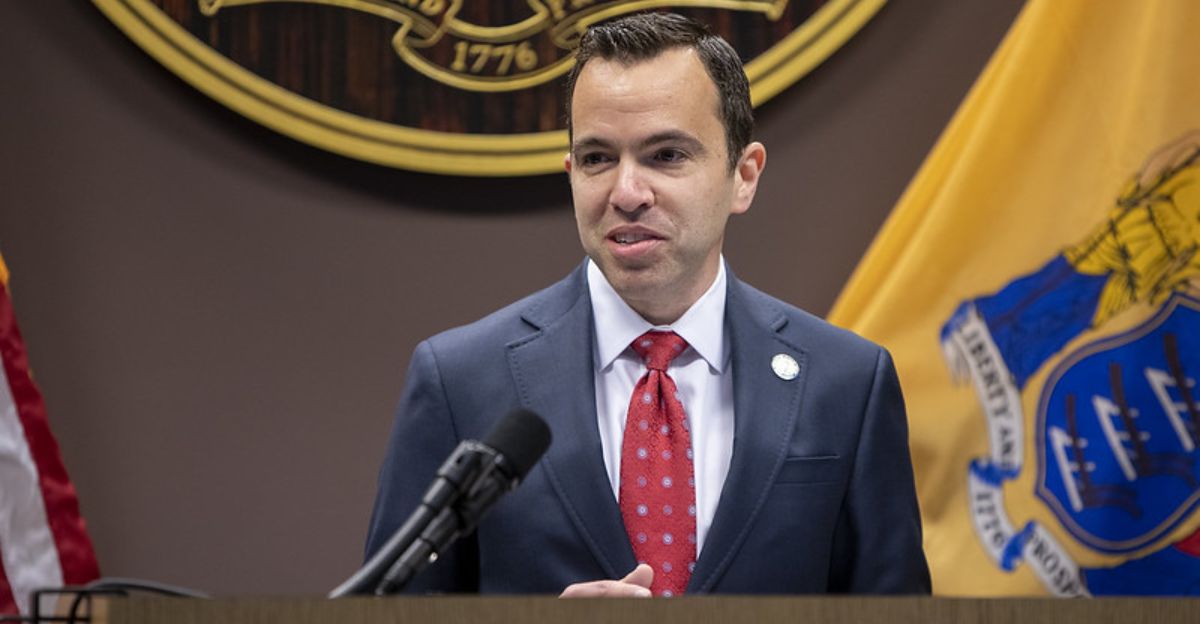
This case teaches car makers a lesson. Skipping basic safety like immobilizers leads to big trouble. New Jersey’s attorney general called it a “deliberate failure.” It shows how U.S. rules can push global changes. As cars get smarter with software, weak spots spread fast online. Communities focus on fixes now. Long-term, it may set new safety rules for all cars.
Sources:
CBS News – “Millions of Hyundai and Kia owners can get free repairs from settlement” (December 16, 2025)
Insurance Institute for Highway Safety (IIHS) – “Hyundais, Kias are easy targets amid boom in vehicle thefts” (September 21, 2022)
Road & Track – “Hyundai, Kia Theft Rates Cut in Half Thanks to Anti-Theft Software” (August 2024)
New Jersey Attorney General Office – “AG Platkin Announces Settlement Requiring Key Anti-Theft Upgrade” (December 15, 2025)
Seattle University Law Review – “America’s ‘Kia Boys’: The Problem, Responses, and Recommendations” (January 2024)
Oregon Public Broadcasting (OPB) – “Hyundai and Kia agree to repair millions of vehicles” (December 17, 2025)