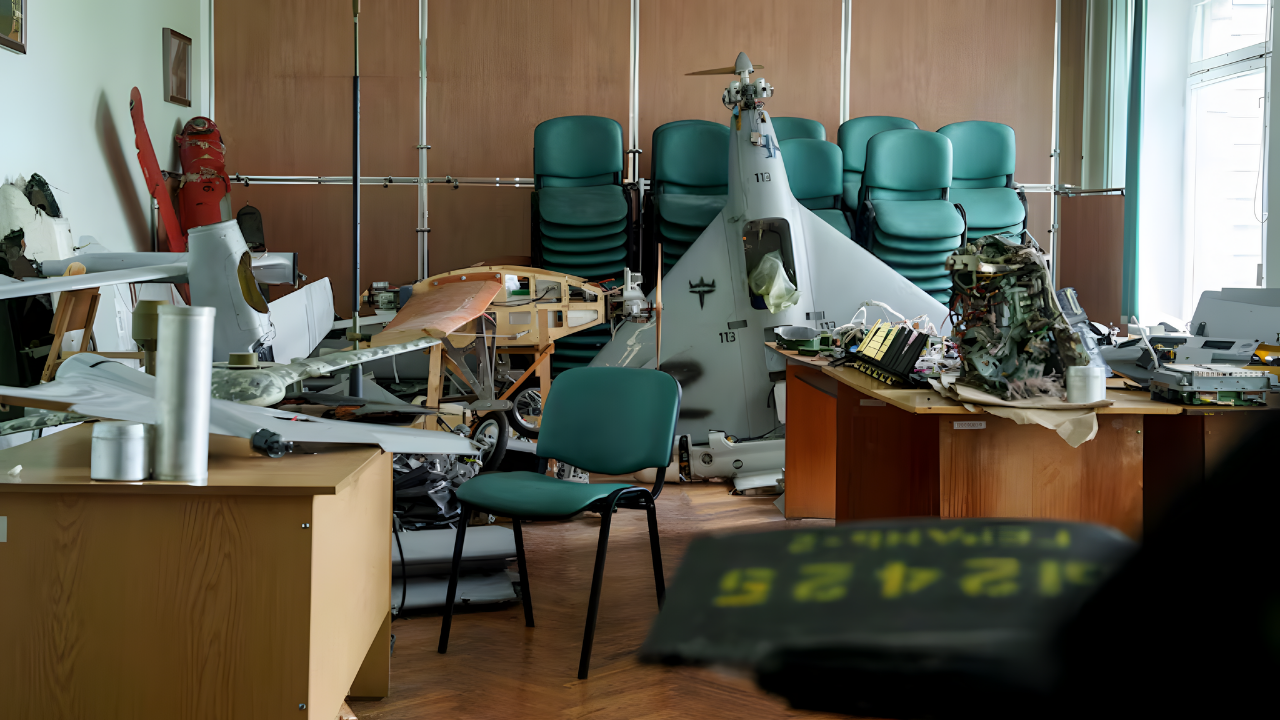
Russia’s sprawling Yelabuga facility in Tatarstan, the world’s largest producer of Iranian-designed Shahed attack drones, grapples with a deepening labor shortage amid relentless Ukrainian strikes reaching deep into Russian territory. Moscow’s plan to import 12,000 North Korean workers by year’s end exposes cracks in its military production backbone, as domestic staffing fails to keep pace with wartime demands.
Strikes and Shrinking Workforce
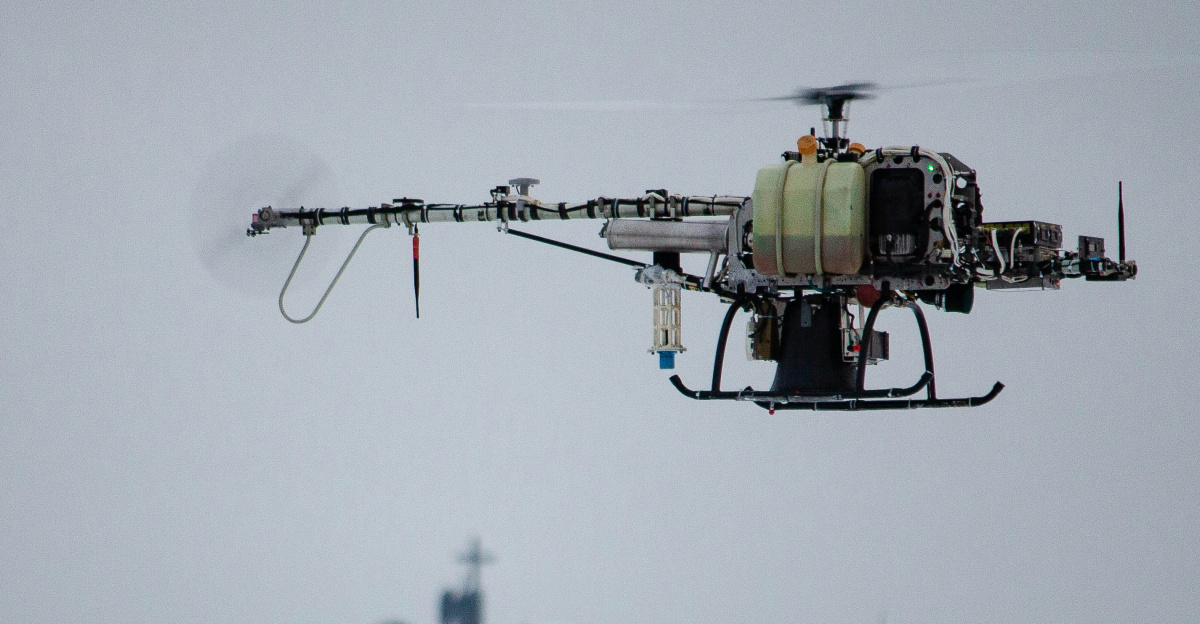
Ukrainian drone attacks have inflicted severe damage, including a December 2024 fire that destroyed $16 million in components and disrupted the final assembly line. These operations, extending up to 1,300 kilometers, have heightened risks for workers at the site.
Russia’s mobilization of fighting-age men has drained factory labor pools, while hazardous conditions—exposure to toxic chemicals and 12-hour shifts—deter local recruits. The result is a production site operating far below potential, despite scaling output to 2,700 drones monthly to offset battlefield losses.
Escalating Attacks on Ukraine
The facility’s ramped-up production fuels a surge in drone strikes on Ukrainian cities, driving up civilian casualties in 2025. Nighttime assaults have intensified as Russia prioritizes aerial barrages over scaling back operations, revealing a strategy tethered to foreign labor imports at minimal cost.
Global Supply Chain Shifts
Western defense firms are rerouting supply chains to evade Russian-linked components, turning to Southeast Asian providers to dodge sanctions and risks. Firms with ties to border nations face intense oversight, underscoring how active conflict disrupts even distant military-industrial networks.
Exploitation Through Recruitment
The “Alabuga Start” program now draws workers from 77 countries, mainly young women from Africa, Latin America, and Asia, often under false pretenses of hospitality jobs. Reports detail around 200 African women enduring wage deductions that leave them penniless, with conditions meeting human trafficking criteria. Russian state media footage inadvertently showed minors as young as 14 alongside migrants, comprising 40-50% of the drone workforce—a violation of international law drawing war crime scrutiny.
North Korea extracts diplomatic gains from the deal, securing more Russian weapons and military ties, cementing its role in the Russia-China axis.
International Response to Labor Exploitation

Interpol launched a human trafficking investigation into the Alabuga facility in April 2025. In October 2025, the EU imposed investment restrictions on Alabuga Special Economic Zone requiring EU divestment, reflecting international concern about exploitation within Russia’s military-industrial complex.
Broader Vulnerabilities
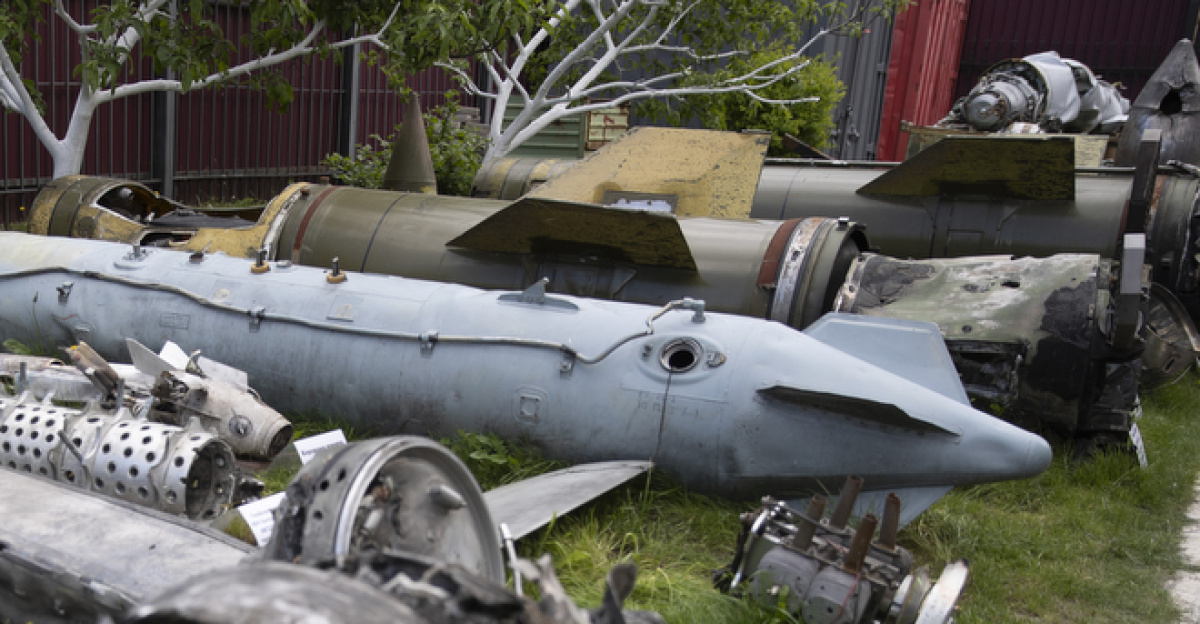
This crisis at Yelabuga signals broader vulnerabilities in Russia’s war economy, intertwining labor shortages, ethical breaches, and geopolitical dependencies. As sanctions tighten and production strains persist, the sustainability of drone offensives hangs in balance, with global stakeholders bracing for shifts in supply chains, alliances, and humanitarian norms that could redefine conflict dynamics for years ahead.
Sources
Kyiv Independent, “Russia plans to import 12,000 North Koreans to work in its massive Shahed drone plant,” November 13, 2025
FDD (Foundation for Defense of Democracies), “North Korean workers to make Russian drones, Ukrainian intel says,” November 17, 2025
CNN, “Russia is intensifying its air war in Ukraine. A secretive factory in Tatarstan could be key,” December 27, 2024
United24Media, “Ukraine’s Drone Raids Force Moscow Into Desperate Defenses at Yelabuga Shahed Plant,” August 25, 2025
Reuters, “Ukrainian strike damages Russian drone production site in Tatarstan,” April 23, 2025
Global Initiative Against Transnational Organized Crime, “Who is making Russia’s drones? The migrant women exploited for Russia’s war,” May 2025
ADF Magazine, “Africans ‘Trapped’ Working in Russian Drone Factories,” January 27, 2025
Business & Human Rights Resource Centre, “Russia: Recruitment of migrants into drone manufacturing at Alabuga SEZ fulfils several conditions for human trafficking,” June 8, 2025
NY Post, “Russian teenagers man ‘world’s biggest drone factory’ used to attack Ukraine,” July 21, 2025