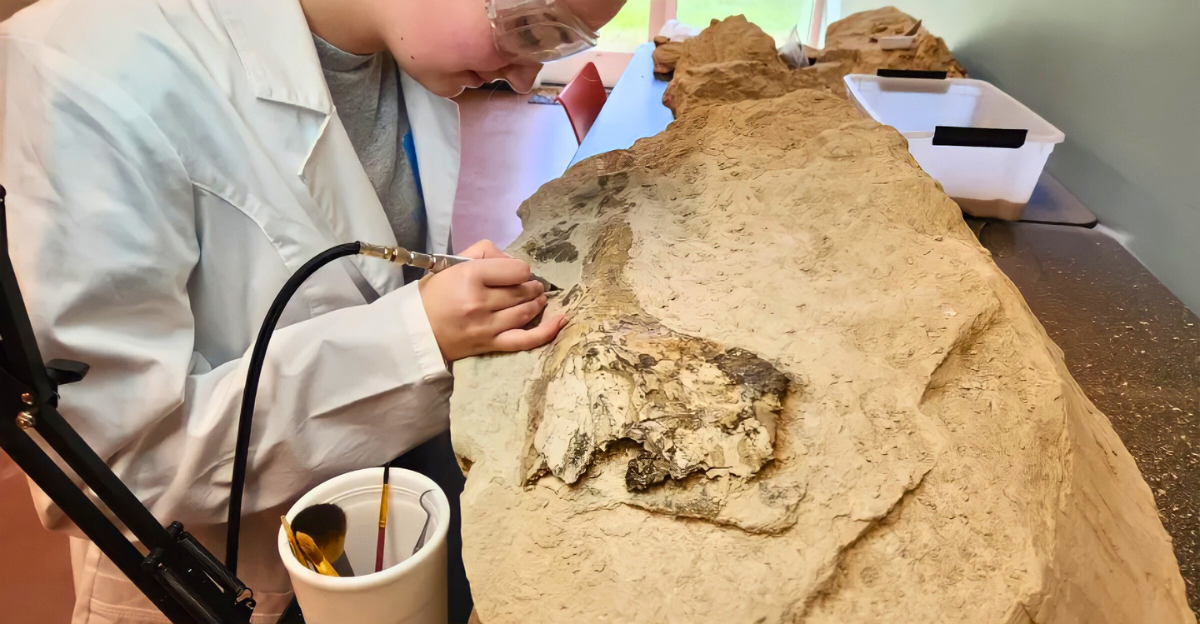
A recent archaeological find has dramatically reshaped our understanding of early humans on the Atlantic coast of Europe. In caves near the Bay of Biscay, researchers have uncovered the world’s oldest known whale-bone tools, sparking a new chapter in human innovation and adaptation.
This groundbreaking discovery raises intriguing questions: What secrets did these ancient bones hold for millennia? As we delve deeper, the revelations surrounding these tools shed light on the complexities of human relationships with their environment and each other. Lead researcher Jean-Marc Pétillon notes, “These findings challenge our long-held beliefs about early human life and resource use.”
Rethinking the Timeline
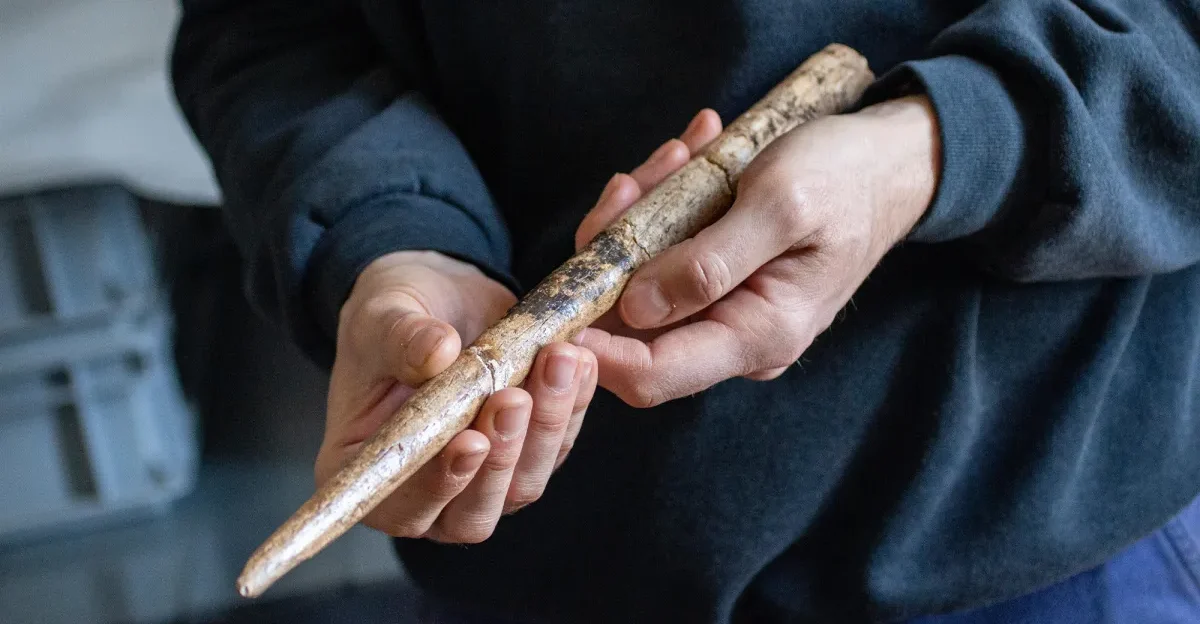
Until now, the prevailing belief among experts was that humans began using whale bones for tools approximately 5,000 years ago. However, advanced dating techniques have pushed this timeline back significantly, revealing that some whale-bone implements in Europe are nearly 20,000 years old. This revelation demands a reevaluation of accepted theories regarding early human innovation and societal development.
The new timeline is a wake-up call, urging archaeologists to reconsider their assumptions about the technological capabilities of ancient coastal populations. “It’s a complete paradigm shift,” said historian Dr. Clara Jones, emphasizing the historical implications of this discovery.
The Magdalenian Connection
The breakthrough findings predominantly center around the Magdalenian culture, a sophisticated society thriving around 20,000 years ago during the Upper Paleolithic. These hunter-gatherers inhabited coastal and inland areas of Western Europe, leaving behind valuable evidence in caves and temporary shelters.
The tools uncovered reveal not only their ingenuity but also their adaptability to diverse environments. “We’re seeing evidence of a complex relationship with their landscape,” explained archaeologist Maria Delacruz. Understanding this culture helps fill critical gaps in our knowledge of human history during this dynamic period.
Fragile Coastal Sites
Archaeologists have always recognized the fragility of coastal sites, which are frequently lost to rising seas and erosion. The Bay of Biscay’s coastline, with its rich history, bears the scars of time and nature. Much evidence of ancient marine life and tool use has been lost, highlighting the rarity and value of these new finds.
“We’re working against the clock to document and preserve what remains,” lamented environmentalist Thomas Becker. Each discovery reinforces the precarious nature of our historical record and the urgent need for preservation efforts regarding both archaeological sites and their fragile ecosystems.
Unveiling the Oldest Tools
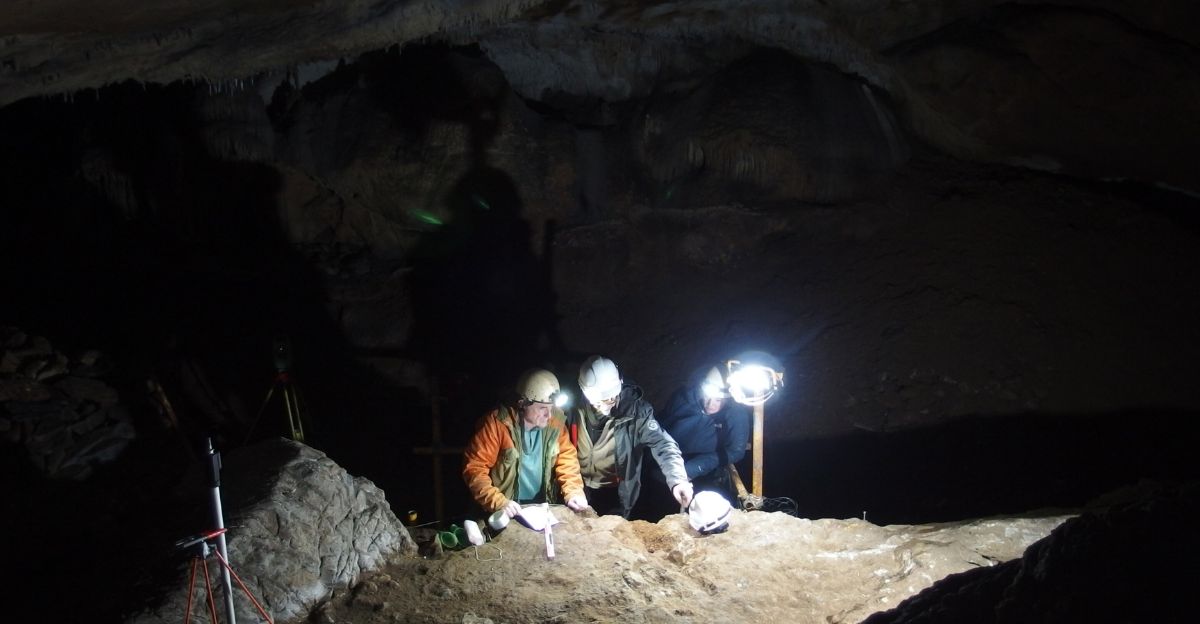
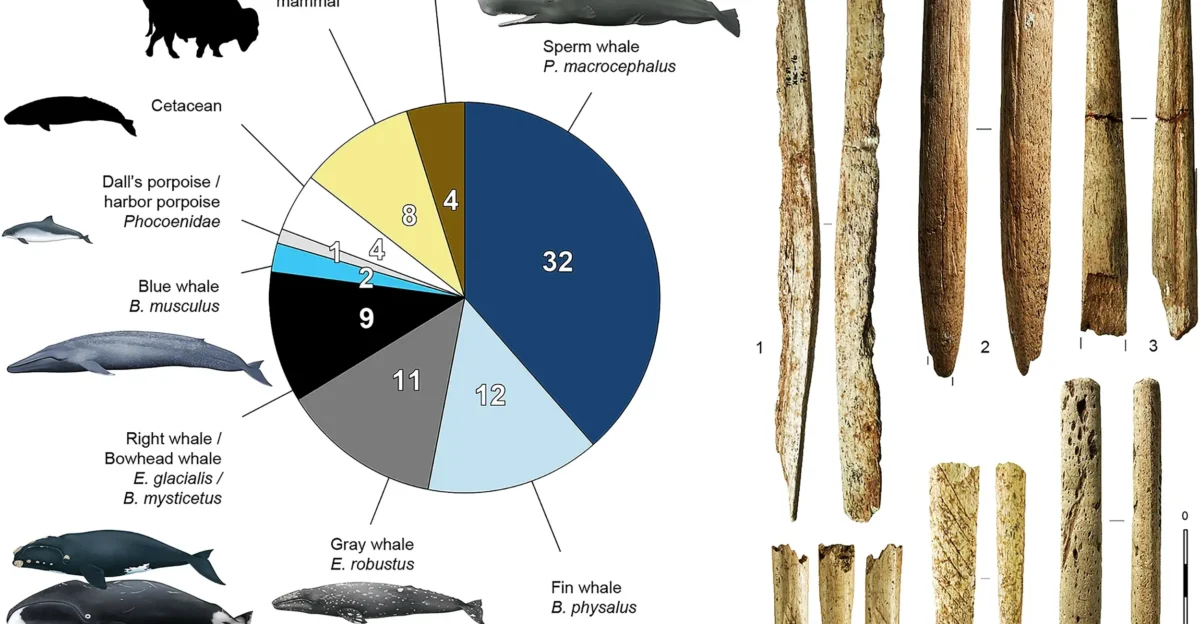
At least 83 whale-bone tools, dating back as far as 20,000 years, have been identified in caves around the Bay of Biscay in France and Spain. This makes them the oldest known whale-bone implements on Earth, transforming our understanding of early tool-making practices.
The significance of these tools lies not just in their age but also in their suggestion of advanced cognitive abilities among the Magdalenian people. “This is a remarkable glimpse into the ingenuity of our ancestors,” stated Dr. Ian Granger, highlighting the overlap between technological advancement and survival.
Shifting Perspectives
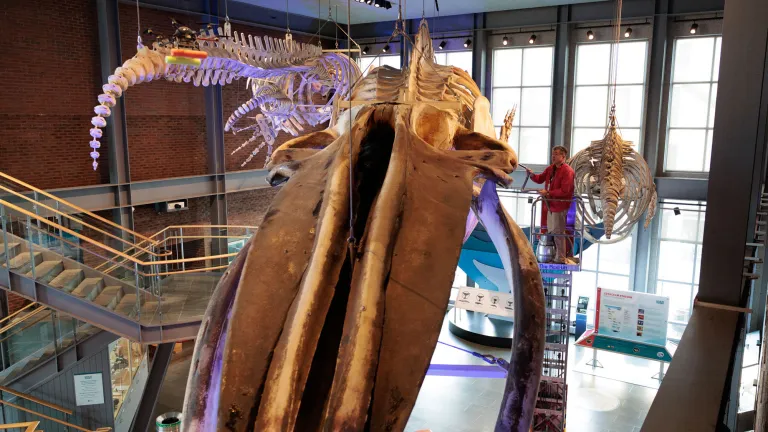
These groundbreaking findings are reshaping the reputation of the Bay of Biscay from an overlooked prehistoric coastline to a pivotal center for early human innovation. With each layer of sediment unearthed, these caves are redefining our understanding of how early societies utilized marine resources.
The implications extend far beyond local history, positioning the Bay of Biscay as a key player in the global narrative of human development. “This area is now a focal point for understanding the evolution of human adaptation,” declared historian Dr. Elena Morales, illustrating the broader significance of these discoveries.
Insights from Researchers
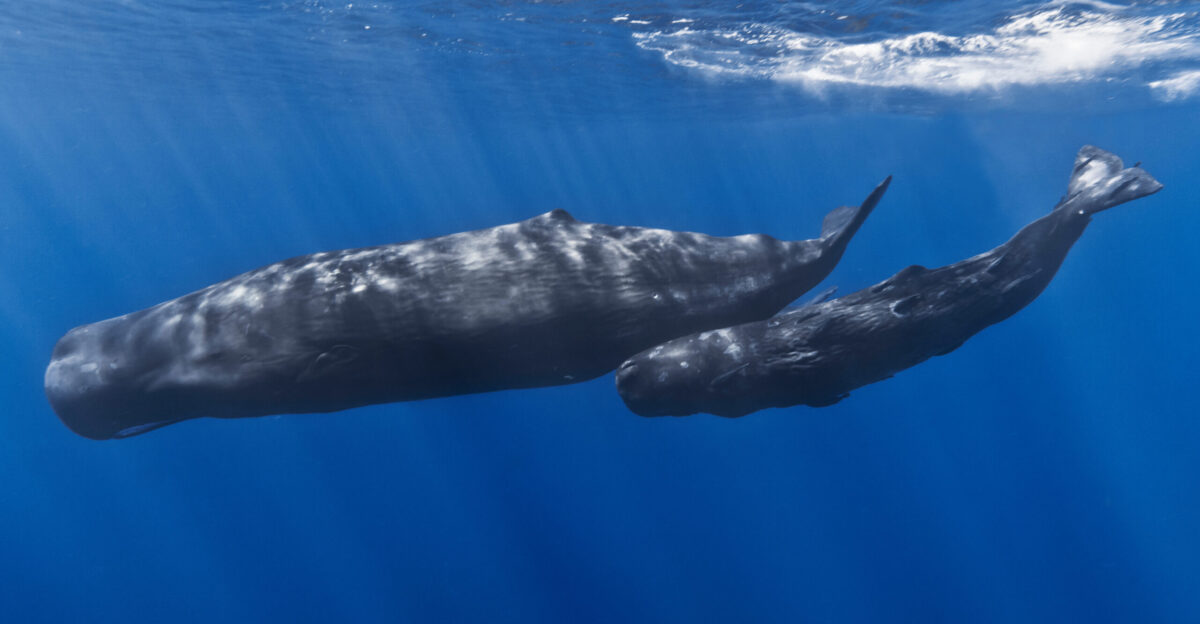
“The bones originated from at least five different whale species, including blue and sperm whales,” lead author Jean-Marc Pétillon shared. “This finding emphasizes how vital coastal resources were to our ancestors’ survival and innovation.” Such insights illustrate the diverse ways ancient humans engaged with their environment.
Pétillon’s enthusiasm is echoed by his colleagues worldwide, who recognize the monumental importance of these discoveries in understanding the complex relationships between early humans and marine ecosystems. Their work not only highlights ingenuity but reflects a long-standing connection to marine life that has persisted through millennia.
Beyond Basic Tools
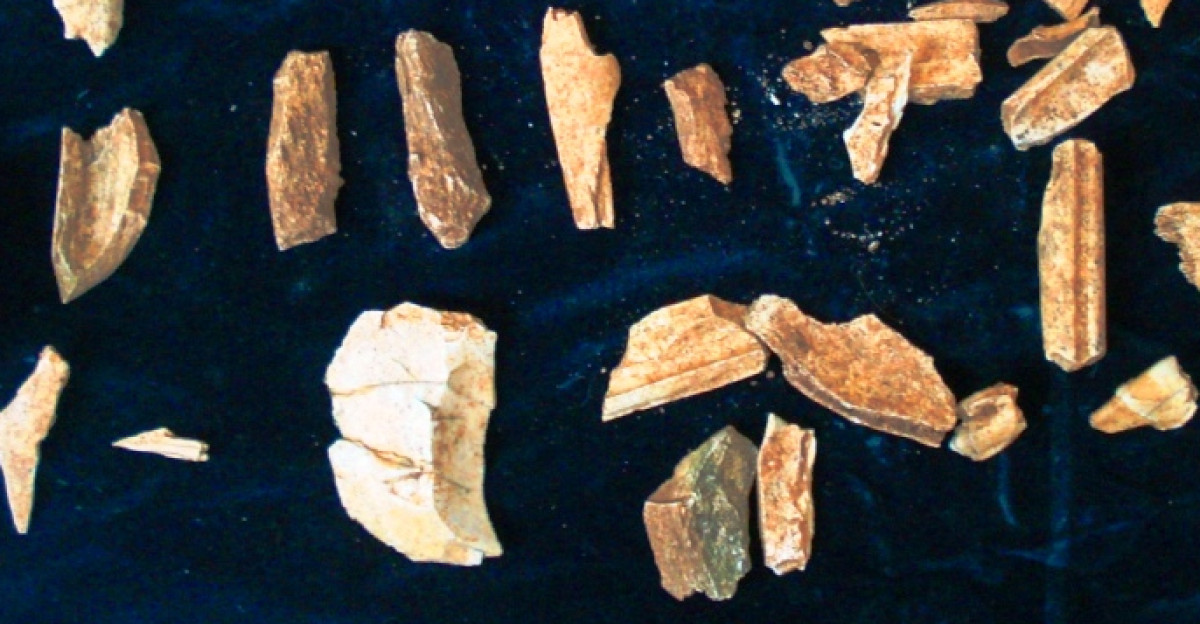
The intriguing aspect of these findings goes beyond just tool-making; researchers discovered that whale bones might have served multiple purposes, including fuel and oil, as well as material for trade or exchange.
This suggests a robust, multifaceted relationship with beached whales long before organized hunting became viable. “We’re uncovering the layers of resourcefulness that these early humans exhibited,” commented anthropologist Dr. Sarah Jenkins, adding depth to the narrative of human survival and adaptability in prehistoric coastal settings.
Challenges in Archaeology
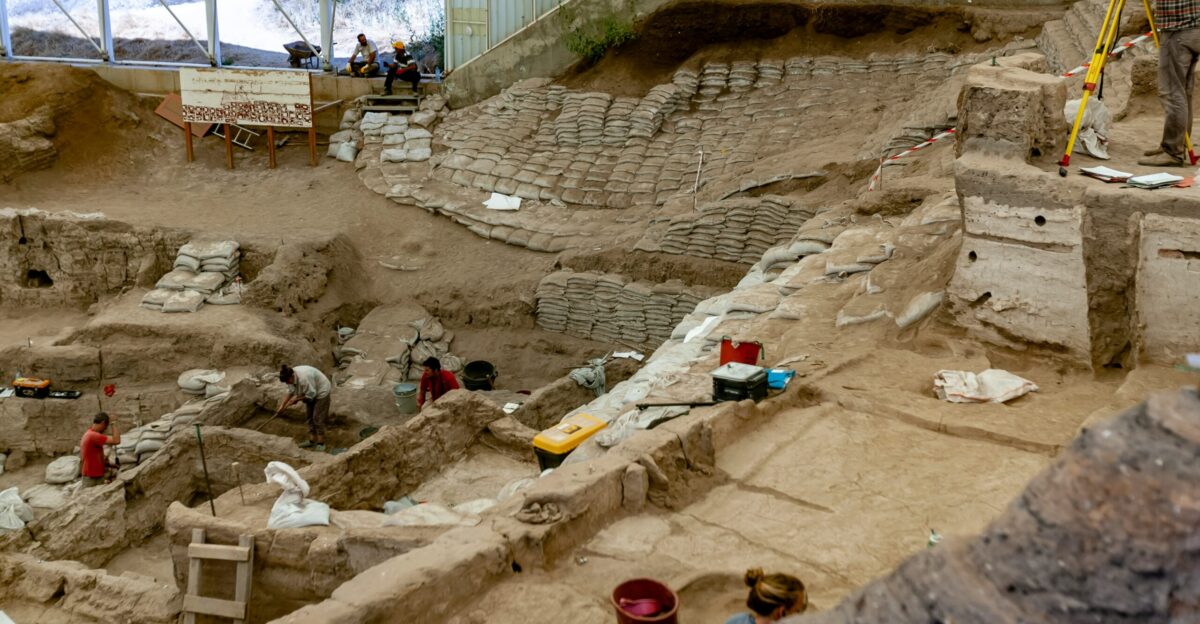
The discoveries from the Bay of Biscay are transforming our understanding not just of the Magdalenian people but also of prehistoric coastal societies as a whole. This reality emphasizes the potential loss of historical knowledge due to submerged and eroded coastal sites across the globe.
“Each lost site represents untold stories and insights into our past,” lamented marine archaeologist Dr. Lynn Kessler. This realization compels us to shore up research efforts to mitigate further loss, advocating for preservation strategies to protect these invaluable archaeological treasures.
Surprising Discoveries
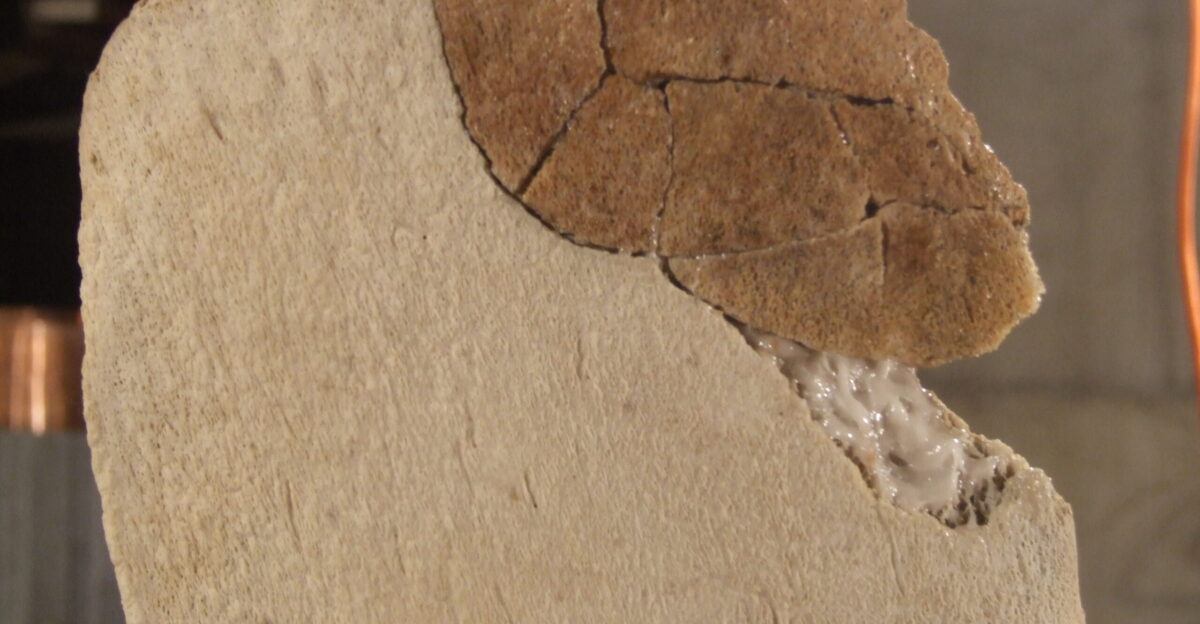
Adding an unexpected twist, some whale-bone fragments were uncovered deep in inland sites and high up cliffs. This suggests the existence of extensive trade networks or the migration of communities carrying these valuable resources far from the shorelines.
“It opens our eyes to the sophistication of ancient connections,” remarked historian Dr. Paul Wright. This discovery invites further exploration into the social dynamics of prehistoric societies and underscores the importance of cooperation and resource-sharing in early human survival and development.
Scholarly Debate Continues

Interestingly, not all scientists concur on the extent of the findings’ implications. Some argue that opportunistic scavenging of whale remains is distinct from systematic whaling, which brings forth a complex debate about the origins of organized coastal economies.
“While those tools are fascinating, we should exercise caution applying sweeping interpretations,” cautioned evolutionary biologist Dr. Keira Lin. This ongoing scholarly disagreement highlights the dynamic nature of archaeological interpretations, encouraging a more nuanced understanding of our ancestors’ relationships with the marine environment.
Collaborative Research Efforts

The project has fostered collaboration among specialists from France, Spain, Canada, and other regions, highlighting the need for interdisciplinary approaches in archaeological studies. Their methodology a multi-proxy strategy that combines radiocarbon dating, mass spectrometry, and ZooMS sets a standard for identifying ancient tool sources.
“This synergy among diverse experts has enhanced our overall perspective on the findings,” stated biochemist Dr. Amir Ali, underscoring the value of collaborative research in unraveling complex archaeological narratives.
A Renewed Pursuit
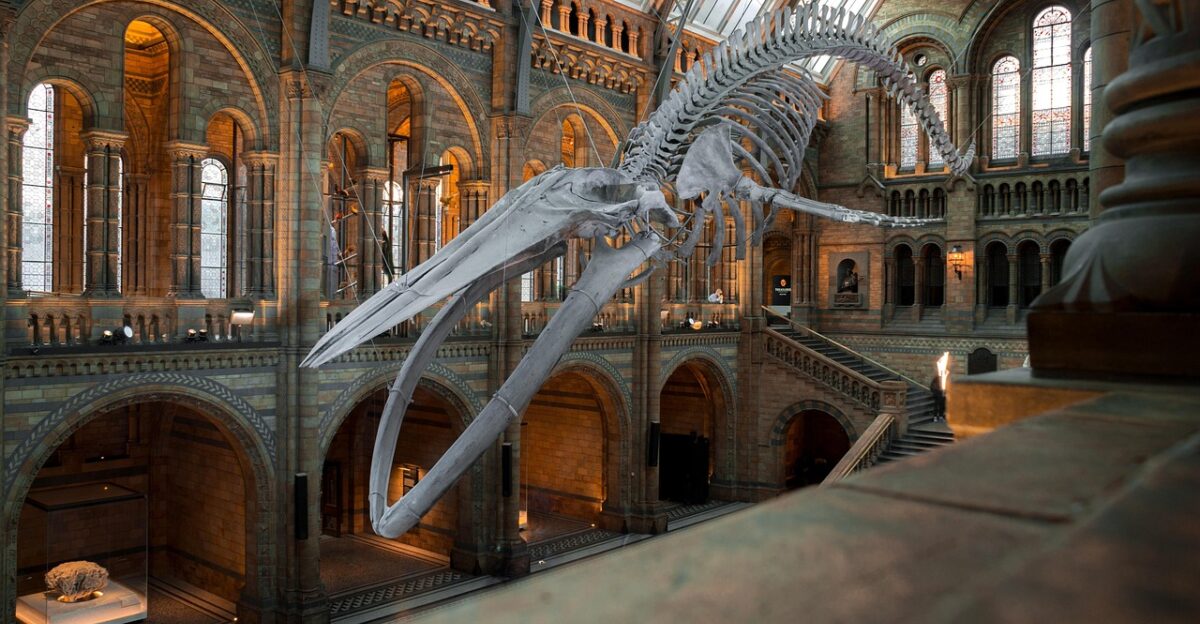
The excitement generated by this study has already renewed interest in seeking similar relics both in museum collections and at other vulnerable coastal sites. Archaeologists are now more motivated than ever to uncover additional revelations from our prehistoric past.
“We believe many more finds are yet to come as research techniques continue to advance,” remarked cultural historian Dr. Rebecca O’Neill, emphasizing the potential of future excavations to reshape our understanding of early human culture and technology.
Fresh Perspectives
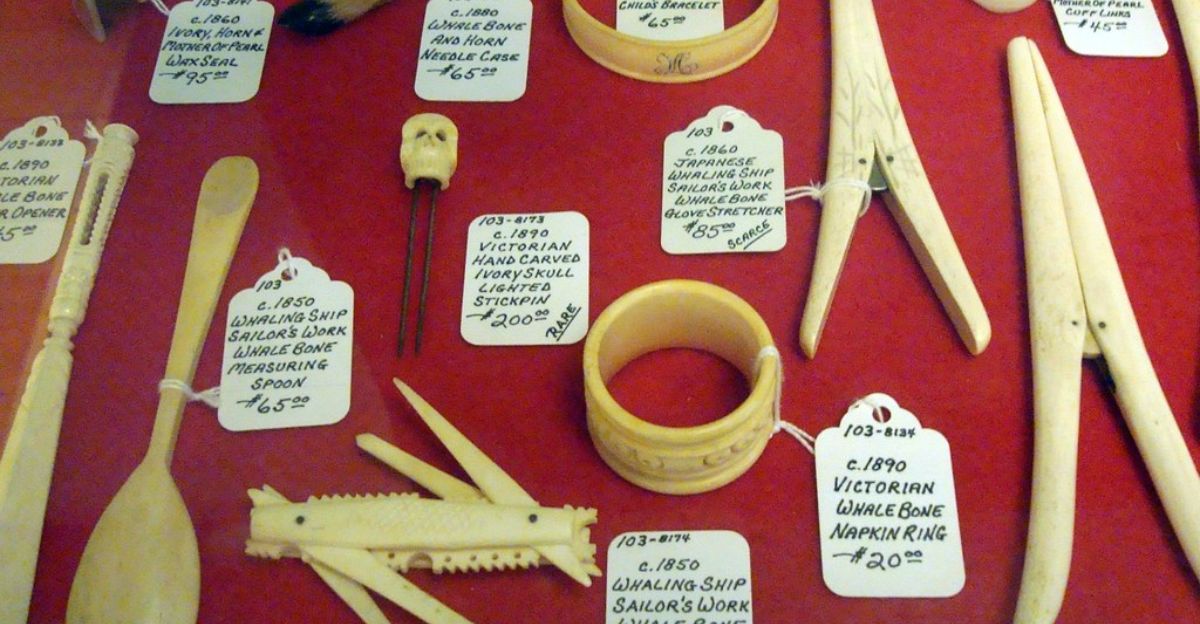
“The bones fundamentally expand our perspective,” co-lead of the study Krista McGrath noted. “We must consider the extensive history of human interaction with whales, potentially revealing a wealth of untapped archaeological resources.” The assertion that many more discoveries might await us inspires excitement and curiosity among researchers and historians alike.
As methodologies evolve and new technologies emerge, it is likely that our understanding of human history in relation to marine life will continue to deepen.
Future Implications
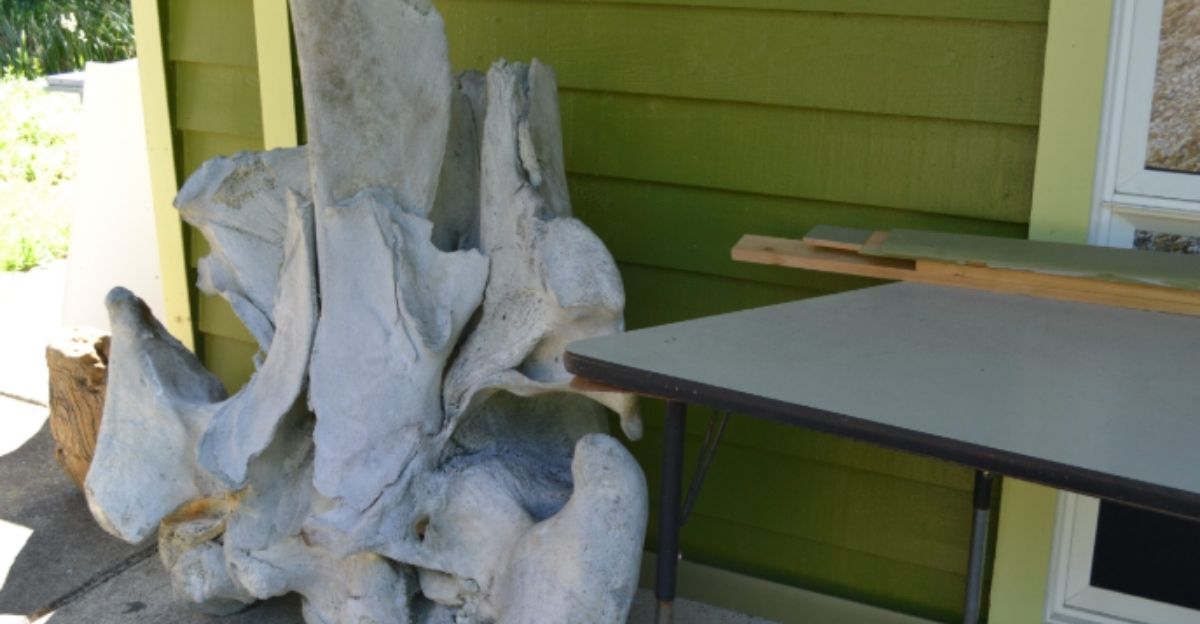
Could these finds lead to more radical revisions in our understanding of prehistoric societies? The growing body of evidence points to a complex web of interactions between early humans and marine mammals, opening the door for more profound inquiry into how these relationships shaped early communities.
“We are just scratching the surface of a much larger story,” remarked anthropologist Dr. Calvin Green. This notion invites researchers to explore further how marine resources influenced social structures and economies in ancient coastal societies.
Environmental Awareness
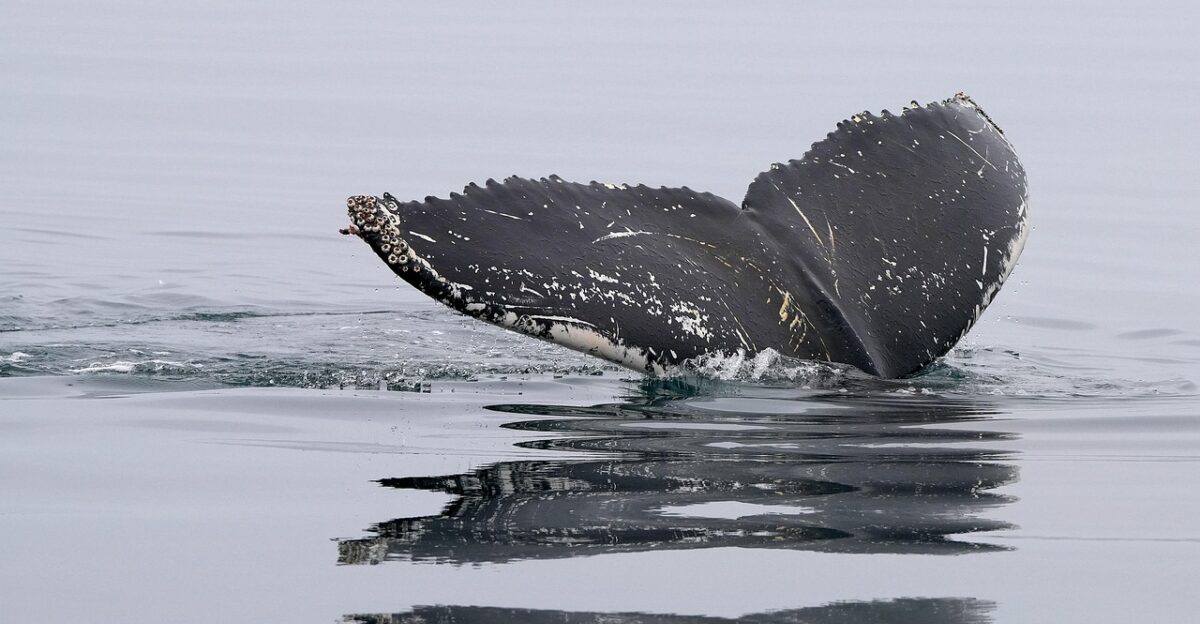
Some experts believe this newfound knowledge of early human relationships with whales could inspire renewed efforts to protect both archaeological sites and marine mammal populations threatened by modern activities.
Dr. Ana Garcia emphasized, “Understanding our deep historical ties may prompt us to take better care of our marine ecosystems today.” Highlighting this connection underlines the importance of incorporating historical context into contemporary conservation efforts, advocating for the preservation of our shared heritage as a catalyst for environmental stewardship.
Shared Global Narratives
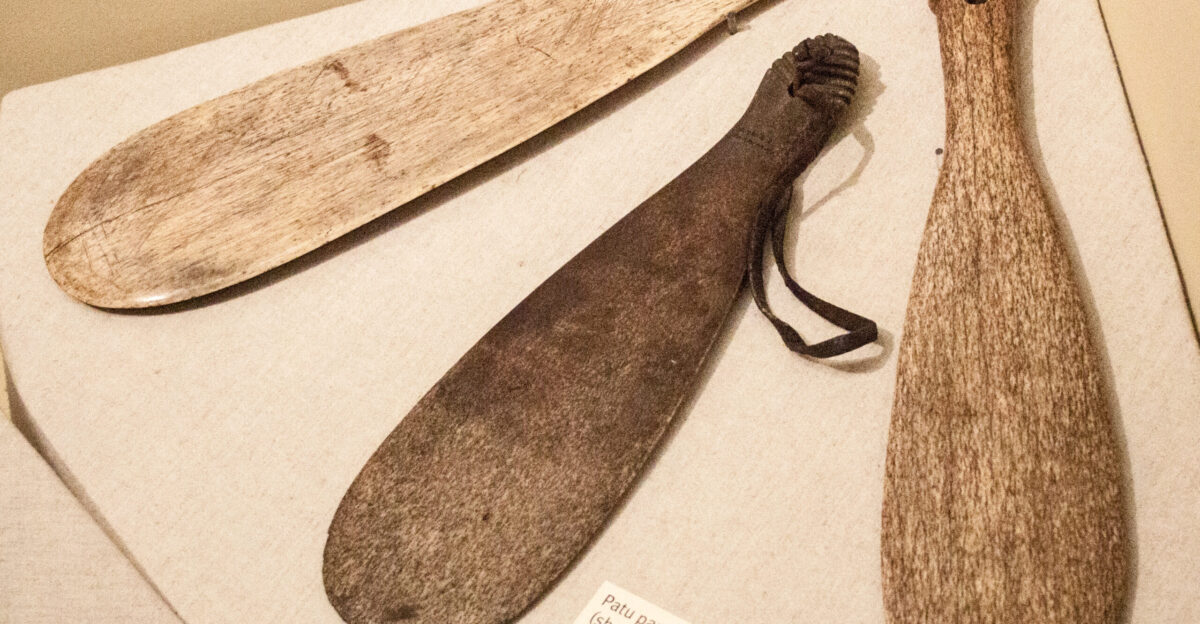
Although centered on France and Spain, these groundbreaking tools link to a broader narrative of human history, where evidence of ancient whale-bone usage has also surfaced in the Arctic and Pacific regions. This demonstrates a shared global innovation among ancient peoples in their utilization of marine resources.
“It’s fascinating to see connections forming across such vast distances,” stated archaeological geographer Dr. Naomi Aiken. These realities encourage reconsideration of how interconnected ancient societies were, despite the technological and environmental barriers of their time.
The Fragile Future of Coastlines

The study importantly highlights the precarious state of our coastal environments, wherein rising seas and erosion threaten invaluable archaeological insights from our past. As scientists continue to uncover treasures along vulnerable shorelines, the pressing need for conservation efforts becomes ever clearer.
“We risk losing irreplaceable pieces of history,” warned coastal engineer Dr. Michael Torres. This urgent message underscores the responsibility of contemporary society to protect these fragile ecosystems for future generations while ensuring that our understanding of history is preserved.
Call to Action

The insights gained from the Bay of Biscay emphasize the need for a multi-faceted approach to preservation. Future research must address not only archaeological contexts but also the environmental factors affecting coastal landscapes. As we reflect on the past, we must advocate for sustainable practices to protect both historical sites and marine ecosystems.
“It’s our duty to safeguard our heritage while being mindful of our environmental impact,” asserted conservationist Dr. Lily Harrington. This call to action should drive collective efforts towards preserving the stories of our ancestors and the ecosystems they once inhabited.
Embracing a Rich Legacy
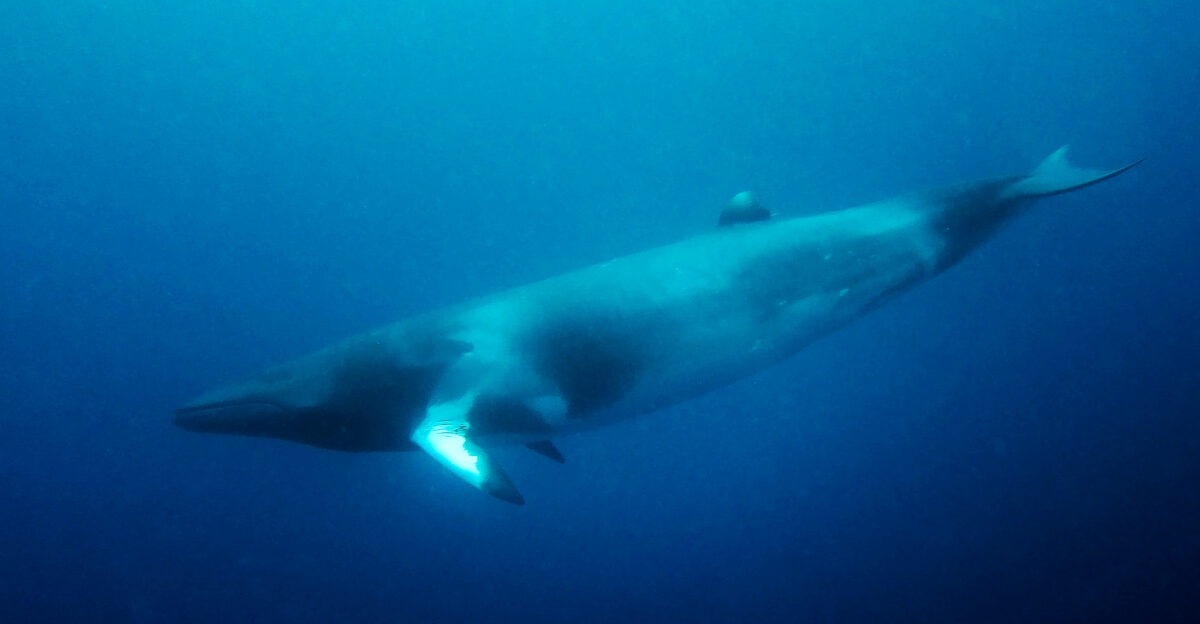
As we move forward, the lessons gleaned from these ancient human interactions with marine life encourage us to embrace our rich legacy. The evolutionary journey of human societies deeply interconnected with coastal resources offers invaluable insights into resilience, adaptability, and collaboration.
“These discoveries challenge us to acknowledge our past while shaping our future,” contemplated cultural historian Dr. Rachel Li. The unfolding story an interplay of human history with nature heralds a deeper understanding of how our ancestors thrived amid changes, reminding us of the intricate bonds that still persist today.