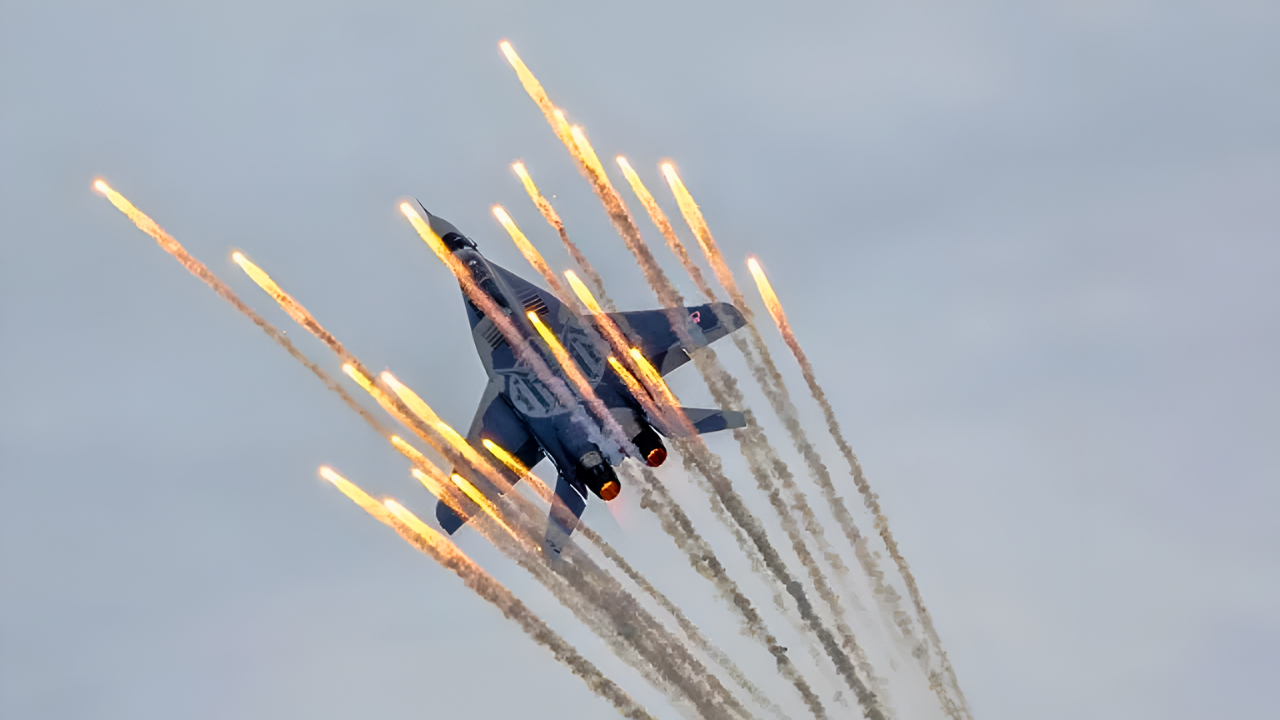
Russia’s full-scale invasion of Ukraine turned the country’s skies into a nightly battleground long before Western F-16s arrived. By mid-2024, however, a quiet shift was underway: a small fleet of modern Western fighters began to reshape how Ukraine defended its cities, even as Russian forces maintained a dominant numerical edge in the air.
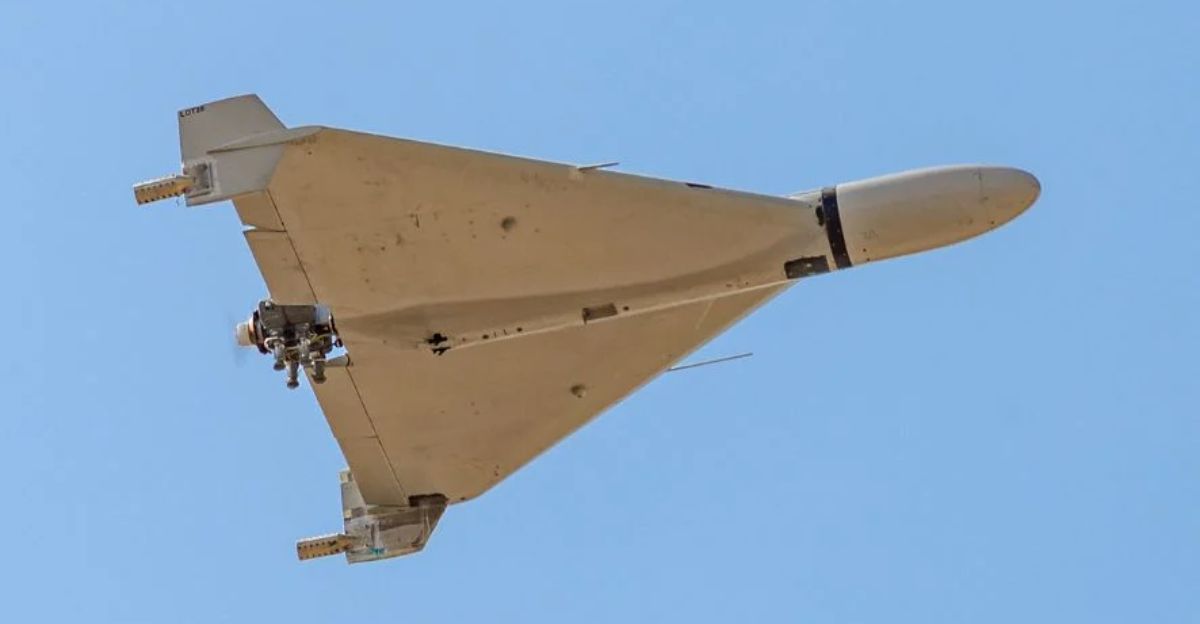
Against a larger air force equipped with roughly 1,500 combat aircraft, Ukraine initially fielded fewer than 100 operational Soviet-era fighters. Russian missile and drone strikes surged through 2024 and 2025, including a record 6,295 Shahed-type drones launched in July 2025 alone. Yet Ukraine’s overall interception rate crept upward, from 86% in June to 89% in July, as layered defenses—fighter jets, surface-to-air missiles, and interceptor drones—worked in concert to blunt the nightly barrages.
Training at Speed
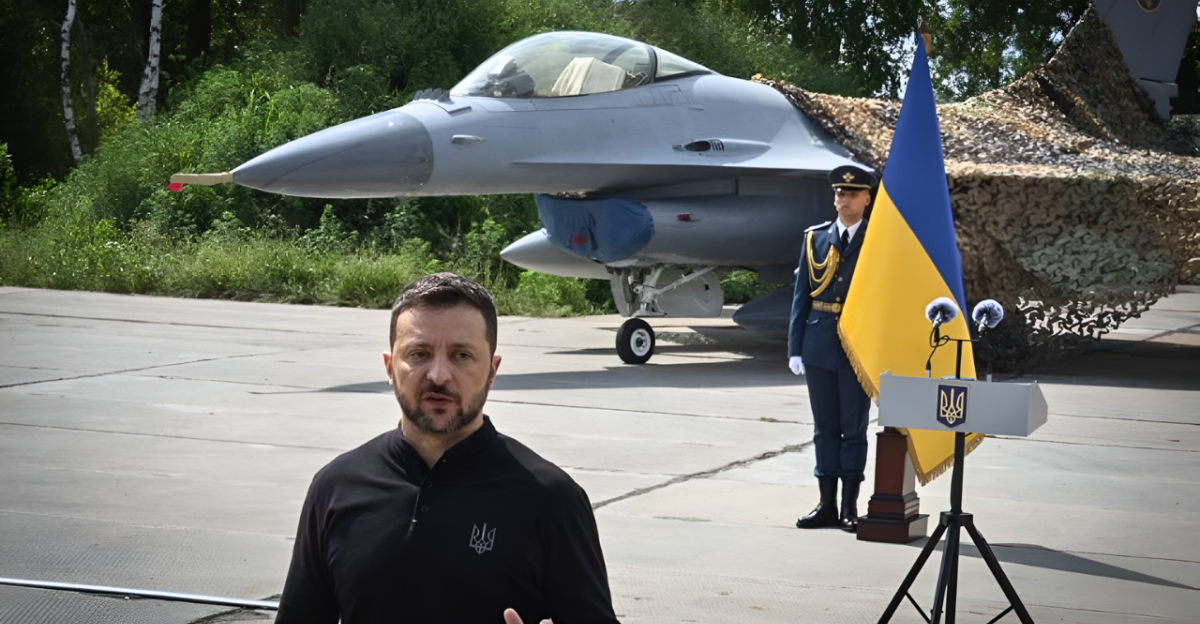
Ukraine’s path to operating F-16s began in October 2023, when pilots started training at bases in the United States before instruction expanded across allied European facilities. The program compressed what is typically a multi-year process into about 18 months, roughly a year shorter than Royal Air Force standards, while still covering English-language skills, simulator time, and combat tactics.
By mid-2025, European partners such as the Czech Republic were training up to eight Ukrainian pilots a year, with additional cohorts rotating through facilities in the United Kingdom and France. The approach traded time for urgency: aircrews were pushed through demanding syllabi at accelerated pace, emerging qualified but with little margin for error in a high-intensity warzone.
Innovation in the Air
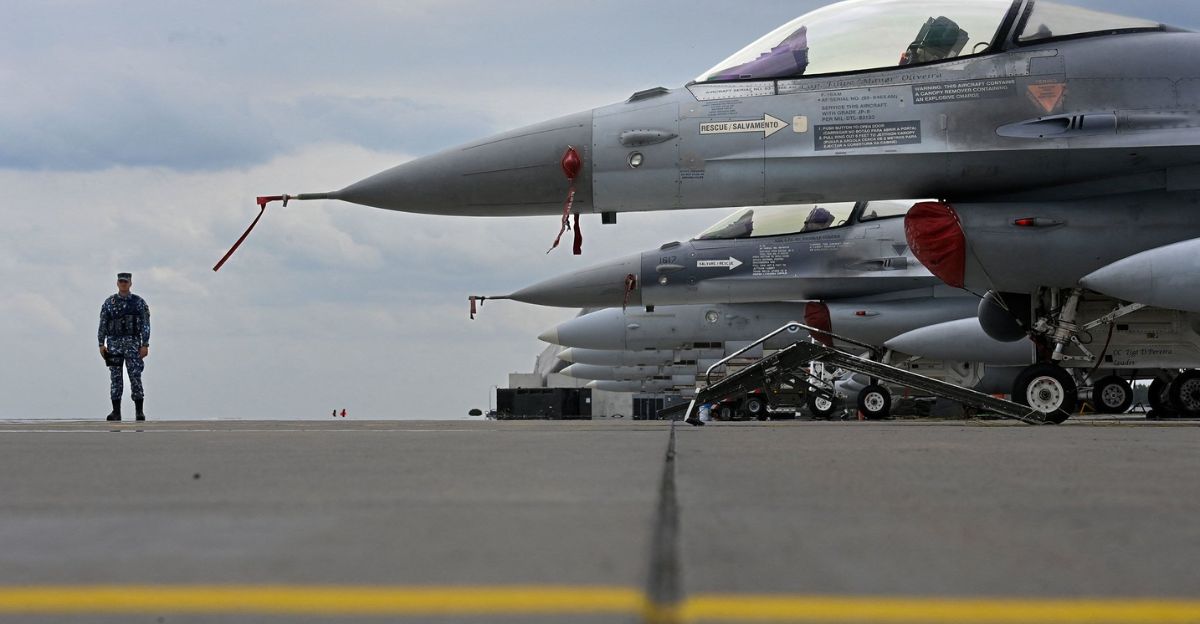
As aircraft and crews arrived, Ukrainian units began adapting tactics to stretch limited resources. By October 2025, F-16s were flying about 80% of all Ukrainian Air Force sorties, underscoring both their reliability and the small pool of pilots available to operate them. Dispersal became standard practice, with jets routinely scrambled from bases under fire within minutes to avoid losses on the ground.
Cooperation with electronic warfare teams and drone operators tightened as Ukrainian planners explored ways to coordinate scarce aircraft with a growing array of ground-based systems. French-supplied Mirage-2000 fighters also joined the effort, with one pilot reporting that Magic-2 missiles had achieved near-perfect hit rates—around 98%—against drones and cruise missiles. These adaptations, combining Western technology and local improvisation, turned a numerical deficit into a more complex challenge for Russian planners.
Milestones and Limits
In November 2025, Ukrainian officials disclosed a striking figure: since entering combat in August 2024, the country’s F-16s had intercepted more than 1,300 Russian missiles and drones. With only about 10 to 15 F-16s in regular service, that total translated into an average of roughly 87 targets downed per month, marking what Ukraine described as the largest air-defense tally ever attributed to Western-supplied fighters in a modern conflict. Based on typical costs of Russian cruise missiles ranging from $1 million to $13 million and Shahed drones at approximately $50,000 to $70,000 each, this represents an estimated $500 million in destroyed Russian arsenal.
The broader air defense network remained decisive. In November 2025 alone, Ukraine’s integrated systems—including F-16s, Patriot batteries, S-300 missiles, and electronic warfare—destroyed 9,707 aerial targets. The F-16 share, about 14% of that total, represented a relatively small portion of overall interceptions but a disproportionately important political and technological symbol. At the same time, Russia adjusted its approach: after late November, large-scale missile salvos became less frequent, while high-tempo drone attacks continued.
Frontline Stress and Human Cost
Despite headline numbers, the limits of air defense were laid bare on November 19, 2025, when Russia launched a major strike against western Ukraine. That attack involved 476 drones and 48 missiles and hit Ternopil, a regional capital some 300 kilometers from the front lines that many residents had viewed as relatively secure. Ukrainian F-16s and Mirage-2000s intercepted at least ten cruise missiles, but 25 civilians, including three children, were killed when other weapons penetrated the defenses and struck residential areas.
Survivors in Ternopil described constant sirens, repeated dashes to shelters, and widespread damage to medical centers, homes, and infrastructure. Officials estimated that without the interception effort, civilian casualties could have been several times higher. Still, the psychological toll remained severe: even visible successes by air defenders did not erase the sense of vulnerability under persistent bombardment.
Strain, Costs, and the Next Phase
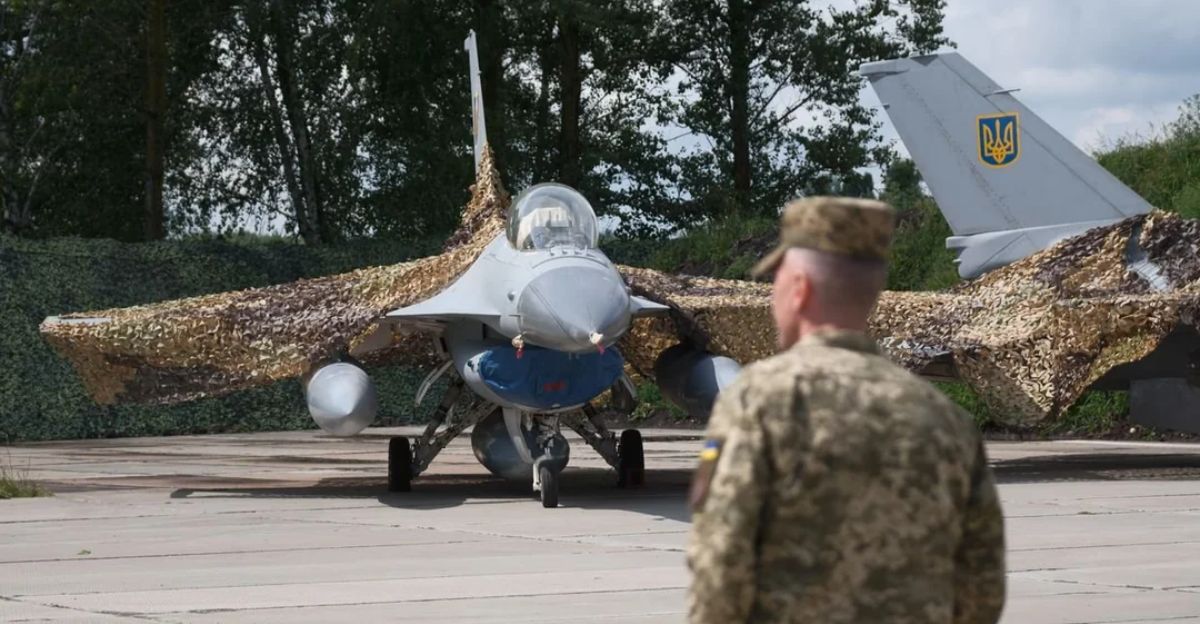
The intensive tempo placed exceptional pressure on a small cadre of Ukrainian F-16 pilots. By late 2025, those aviators were flying most of the air force’s missions, rotating through bases under fire and coping with short rest periods and the strain of defending densely populated cities. Ukrainian leaders acknowledged that pilot recruitment and training capacity had become a primary bottleneck, exceeding even combat losses as a constraint on operations.
Cost asymmetry also weighed on strategy. Interceptors such as the U.S.-made AIM-9X missile cost around $250,000, while Russia’s Shahed drones were estimated at roughly $50,000 to $70,000 each. Ukraine responded by fielding tens of thousands of cheaper FPV interceptor drones, costing only a few thousand dollars apiece, to help counter incoming threats more economically. At the same time, Kyiv pressed allies for more advanced jets, including newer F-16 Block 70 variants and, in the longer term, fifth-generation aircraft. Western governments faced domestic and geopolitical pressures over how far and how fast to expand this support.
Within this evolving landscape, one mission stood out as emblematic of both the potential and the burden of Ukraine’s modernized air arm. On December 13, 2024, a Ukrainian F-16 pilot shot down six Russian cruise missiles in a single sortie, including two destroyed with cannon fire, in an engagement widely described as unprecedented in F-16 combat history. The feat became a touchstone for Ukrainian morale and a signal of growing tactical expertise.
Yet fundamental questions remained unresolved. High interception rates and more capable aircraft had not delivered air superiority over Ukraine, and Russia continued to inflict civilian casualties and infrastructure damage through periodic massed strikes and persistent drone campaigns. Maintenance demands, pilot fatigue, and limited fleet size constrained the impact of even the most advanced systems. The 1,300-intercept milestone captured a moment when Western technology and Ukrainian innovation combined to narrow Russia’s edge in the air, but it did not resolve the broader contest. As Ukraine and its partners debated future aircraft deliveries and training plans, the struggle over Ukrainian skies continued, with air defense reducing—but not eliminating—the human and strategic costs of the war.
Sources
United24media Ukraine’s F-16s Shoot Down Over 1300 Russian Missiles and Drones
Aerospace Global News Ukraine credits F-16 fleet with neutralising 1300 airborne threats
Air & Space Forces Magazine Ukraine’s F-16 Force: Innovation, Impact, and Resolve
Kyiv Independent In historic record, Ukrainian F-16 pilot downs 6 cruise missiles in single mission
Forbes Russia Ramps Up Shahed Attacks, But Interceptors Are Taking Them Down
Defence Industry Europe Ukraine reports F-16 combat record: 1,300 air interceptions