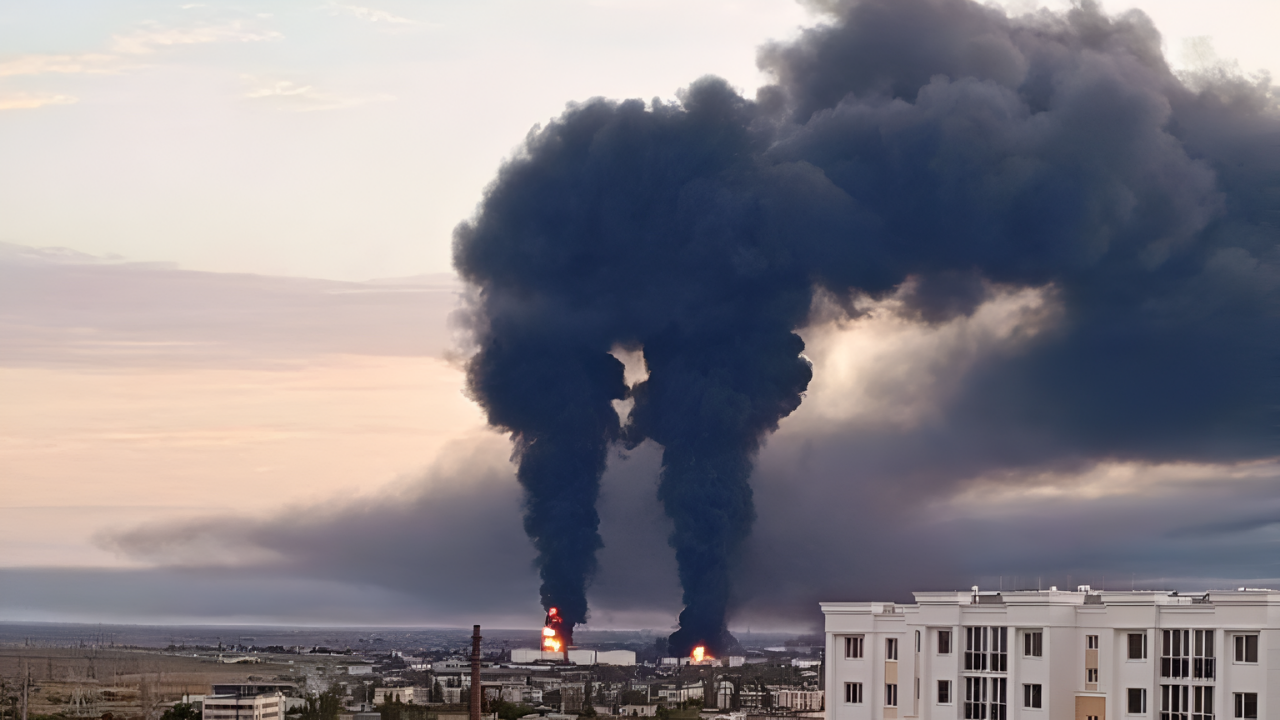
At 4:06 a.m. on November 29, 2025, unmanned naval drones struck Mooring Point 2 at the Caspian Pipeline Consortium (CPC) Black Sea terminal near Novorossiysk, Russia, prompting a temporary shutdown of oil loadings and sharply disrupting one of the world’s most vital energy arteries. The CPC processes over 1.3 million barrels of oil daily—more than 1% of global supply—making this attack a seismic event for international energy markets. Within hours, oil shipments from the terminal were briefly halted before resuming at reduced capacity via a single remaining mooring point, triggering immediate reassessment across trading floors and refineries worldwide as the infrastructure vulnerability of global energy security became starkly apparent.
The Infrastructure at Stake
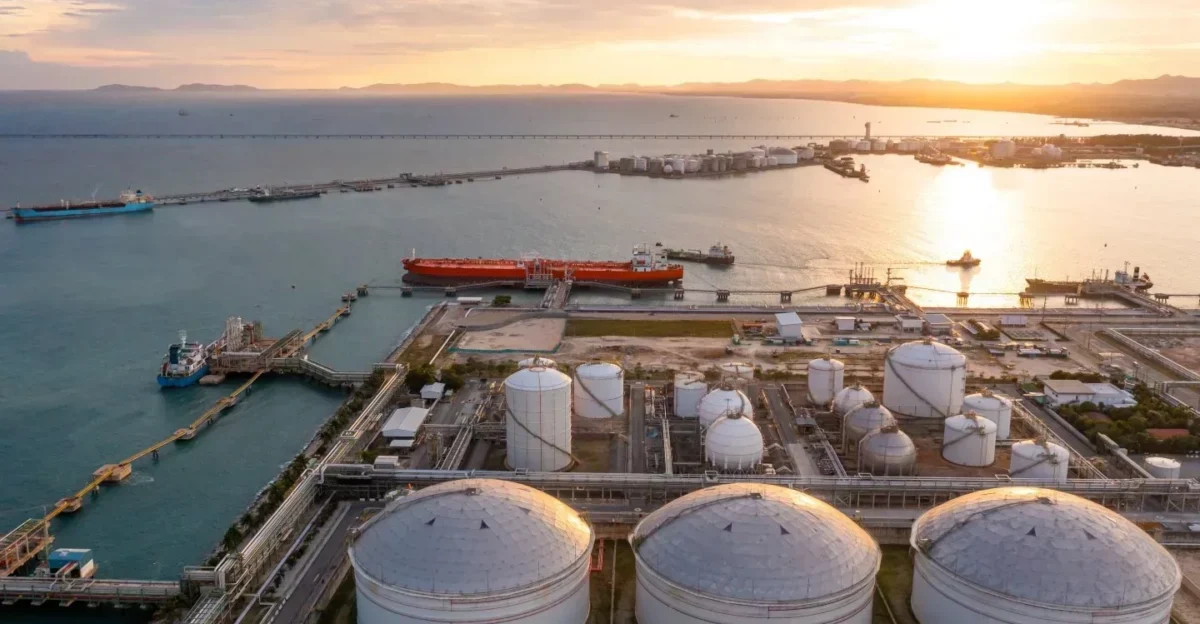
The CPC pipeline stretches over 1,500 kilometers from Kazakhstan’s Tengiz oil fields to the Black Sea terminal, operating as a joint venture between Chevron, Exxon Mobil, and Russian entities. For Kazakhstan, a major oil producer, the pipeline represents far more than infrastructure—it accounts for 80% of the nation’s total oil exports. The damage to the terminal exposed a critical structural weakness: Kazakhstan’s economy depends almost entirely on a single export corridor running through Russian territory, leaving the country vulnerable to disruptions beyond its control.
The damage proved severe enough that CPC declared the mooring point completely inoperable. With one of three key export points taken offline and another under repair, the terminal’s capacity plummeted. Recovery timelines remain unclear, with analysts warning that full restoration could take weeks or longer, leaving traders and refineries scrambling to adjust sourcing strategies and divert vessels to alternative suppliers.
Escalating Pattern of Attacks
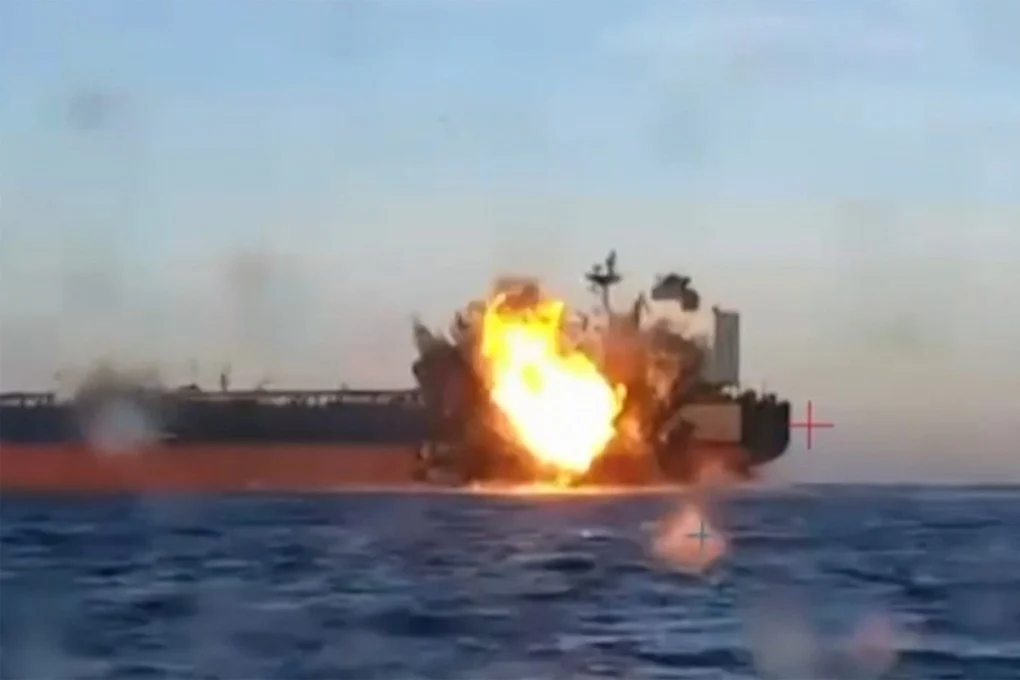
This November strike marks the third significant attack on CPC infrastructure in 2025. In September, Ukrainian forces targeted the CPC headquarters in Novorossiysk, damaging both administrative offices and nearby residential areas. Earlier in February, drones hit the Kropotkinskaya pumping station. The pattern suggests deliberate targeting aimed at disrupting Russian energy exports and forcing geopolitical shifts in Central Asia, raising alarms about regional stability and the growing vulnerability of critical energy infrastructure.
Kazakhstan’s Immediate Crisis
Kazakhstan activated emergency protocols, but options proved limited. The Atasu–Alashankou pipeline to China operates well below CPC’s capacity. Rail and Caspian Sea routes exist but remain costly and inefficient for handling the volume CPC typically manages. Analysts warn that oil backlog could persist for months, straining Kazakhstan’s finances and disrupting its oil sector.
The financial stakes are enormous. Oil exports comprise 55% of Kazakhstan’s export earnings. The CPC disruption could cost the country up to $1.5 billion in lost revenue. If the halt and reduced capacity extend into 2026, fiscal stress could trigger cuts to vital social services, education, and healthcare initiatives as the government’s ability to fund essential programs hangs in the balance.
Geopolitical Crossroads
Caught between competing powers, Kazakhstan issued formal statements urging protection for its energy infrastructure, with the energy ministry calling the attacks a threat to global energy security. As a traditionally neutral nation, Kazakhstan now faces mounting pressure to shift its foreign policy, balancing relationships with Russia, Europe, and China amid ongoing conflict.
The country’s diplomatic position has become precarious. Astana must navigate carefully between maintaining Russian ties while potentially deepening energy partnerships with Europe and China to reduce vulnerability to further disruptions. This dilemma puts Kazakhstan at a strategic crossroads where every decision carries consequences for its geopolitical alignment and economic future.
The Path Forward
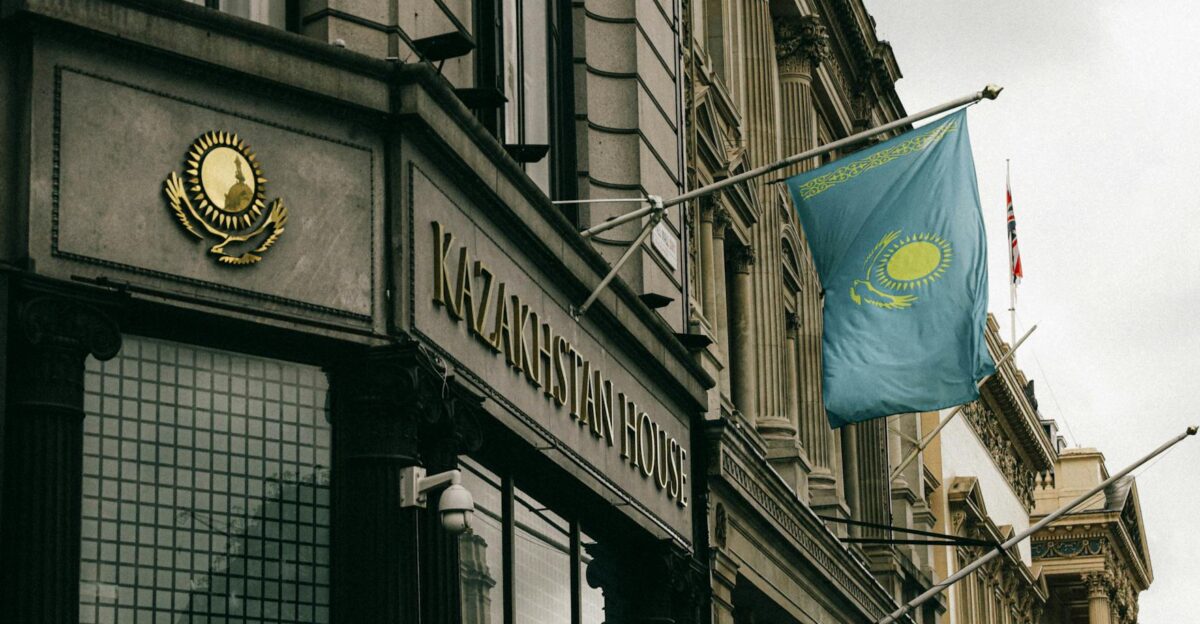
Kazakhstan faces a critical decision: accelerate export diversification or risk prolonged economic and energy crisis. Alternative routes such as the Baku-Tbilisi-Ceyhan pipeline or increased rail transit to China are not viable in the short term at scale due to technical and financial constraints. Experts argue that Kazakhstan has failed to diversify its export routes, creating dangerous over-reliance on a single energy corridor.
Without immediate action, Kazakhstan remains trapped in structural vulnerability. Strategic planners must accelerate long-delayed infrastructure projects and forge new partnerships to create genuine export alternatives before the next crisis emerges. The outcome of these decisions will reverberate across global energy markets and reshape Central Asia’s geopolitical landscape for decades to come, determining whether Kazakhstan can break free from single-pipeline dependency or remains hostage to forces beyond its control.
Sources
The Kyiv Independent – “Drone attack forces oil terminal in Russia’s Novorossiysk to halt all loading operations” (November 29, 2025)
Kursiv Media – “Kazakhstan eyes $1.5 billion export slump after CPC attack” (December 1, 2025)
Astana Times – “CPC Continues Restoration of Kropotkinskaya Pumping Station After Drone Attack” (March 25, 2025)
ICIJ – “Putin’s pipeline: How the Kremlin outmaneuvered Western oil giants” (April 21, 2025)
Ukrinform – “Drones strike Caspian Pipeline Consortium office in Novorossiysk” (September 23, 2025)