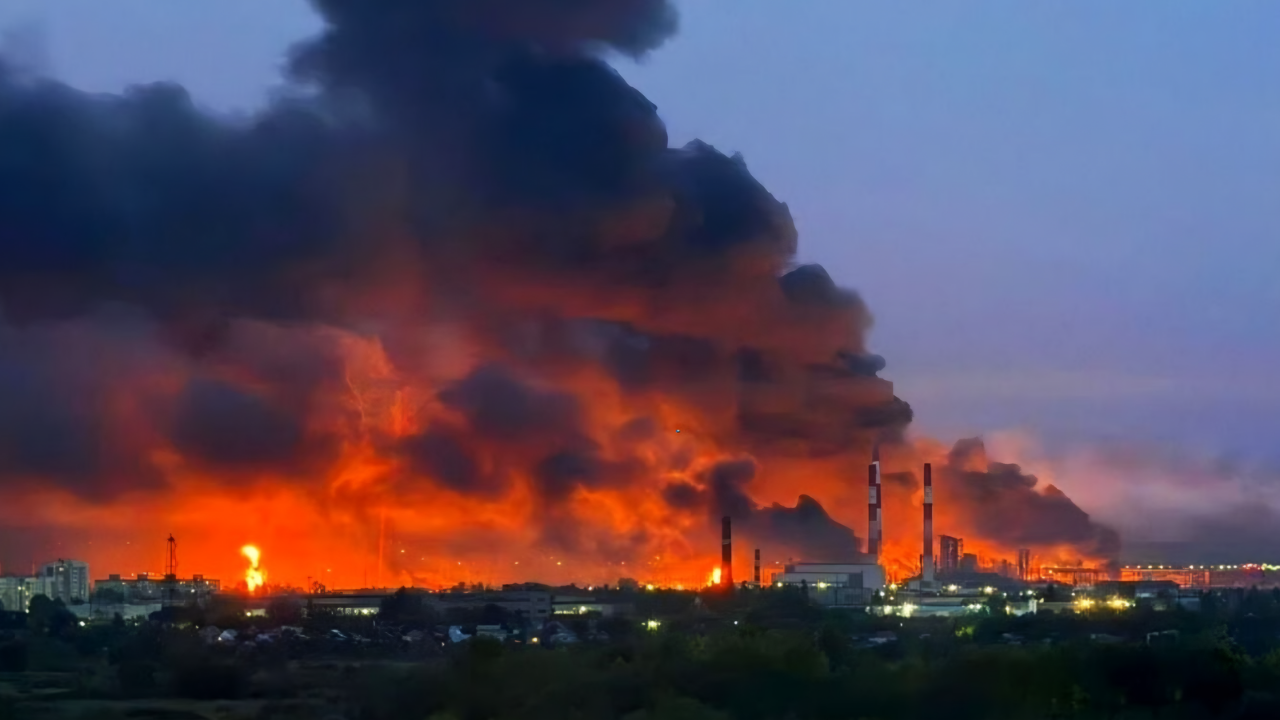
The world’s second-largest economy faces an unprecedented fuel shortage. Russian gas stations in occupied territories have halted sales entirely, wholesale prices soared by 40–50% since January, and President Vladimir Putin signed emergency legislation in late November to boost domestic supply.
Regional rationing has emerged across southern Russia, where diesel and aviation kerosene are becoming increasingly difficult to acquire. This upheaval is attributed not to a single incident but to a protracted assault on Russia’s oil infrastructure that has significantly disrupted supply chains. The crisis represents the most significant gasoline shortage Russia has experienced in decades.
The Escalating Pattern
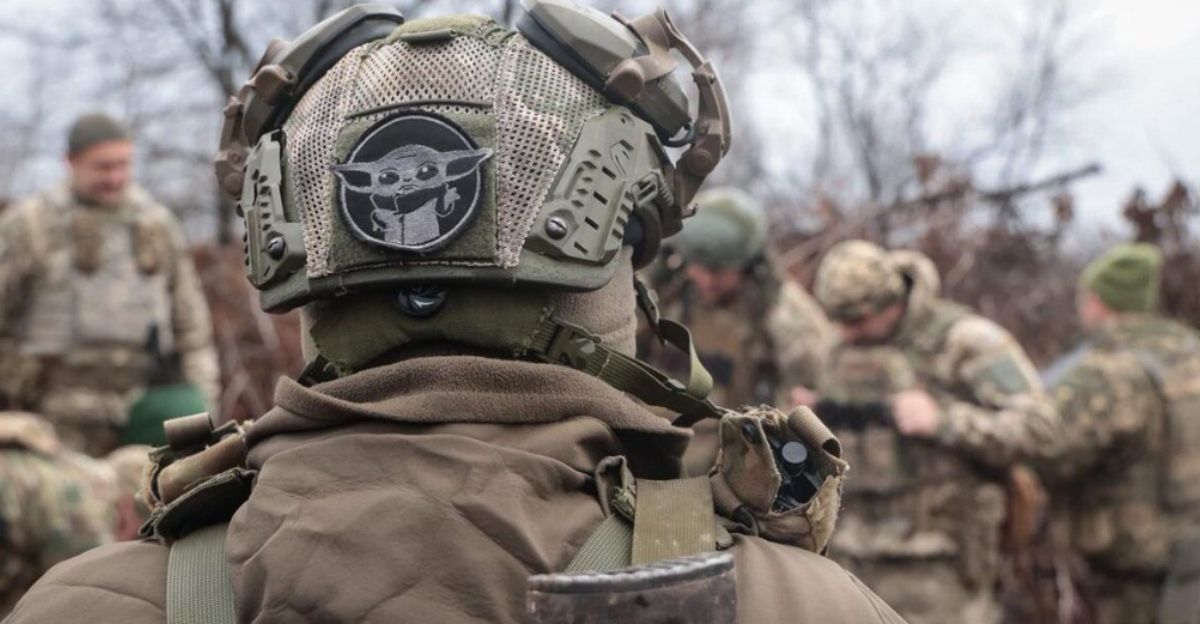
Ukraine’s military efforts have accelerated dramatically, focusing on Russian energy targets throughout 2025. In August alone, Ukrainian drones executed ten strikes on petroleum refineries across southern Russia, destroying an estimated 1.1 million barrels per day in refining capacity.
By September, Russian officials extended gasoline export bans through the end of the year, signaling deepening alarm within the Kremlin. Analysts indicate that Ukraine’s long-range drone capabilities are evolving, allowing strikes deeper into Russian territory than previously possible. These actions increase the risk for critical energy infrastructure and demonstrate the escalating intensity of Ukraine’s energy campaign against Russia.
Inside Russia’s Oil Heartland
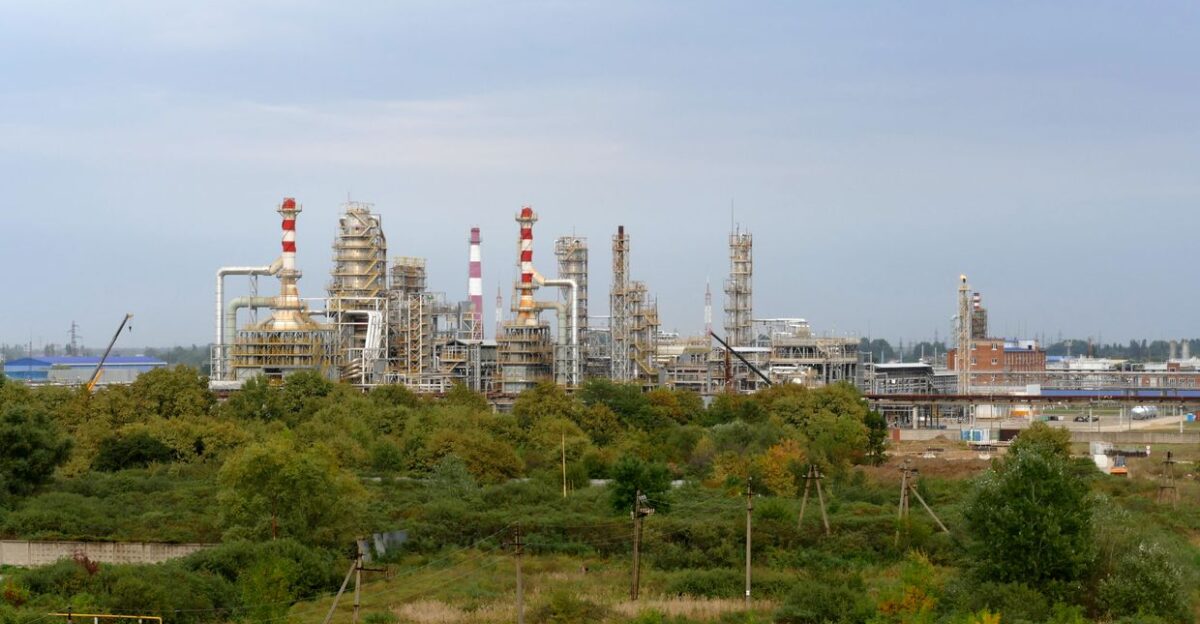
The Afipsky Oil Refinery, located in Krasnodar Krai in southern Russia, serves as a vital hub for Russia’s petroleum production. Positioned merely 200 kilometers from active conflict front lines, this facility represents one of the most significant nodes in Russia’s fuel supply chain.
Originally built during the Soviet era and modernized significantly before the war, Afipsky is essential for producing diesel fuel and aviation kerosene. These products are critical for the Russian military and for logistics operations supporting troops in Ukraine. Its strategic placement makes it indispensable to Russia’s military objectives in the ongoing conflict.
A Refinery Rebuilt, Then Repeatedly Attacked
Between 2010 and spring 2025, the Russian government invested approximately 217 billion rubles into modernizing the Afipsky Oil Refinery, dramatically increasing its annual processing capacity to 9.1 million tons. This investment positioned Afipsky as a key asset within the Russian energy sector and a focal point for military logistics.
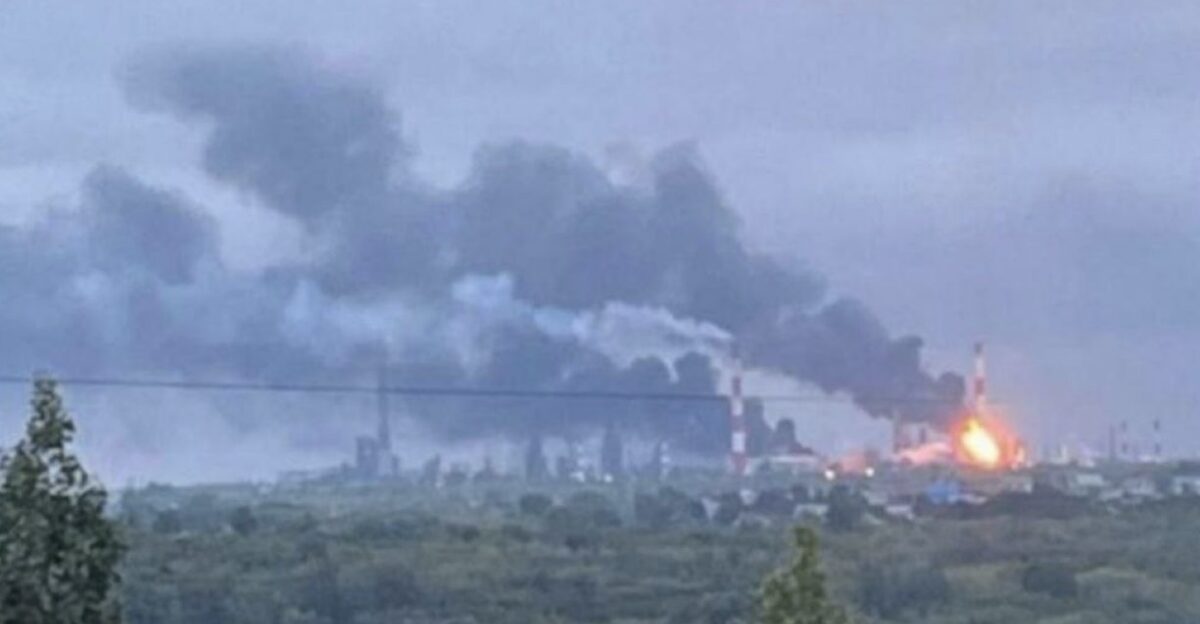
Before November 2025, the facility was struck by Ukrainian drones on three separate occasions twice in August and once in late September each causing temporary disruptions and fires. These repeated targeting decisions illustrate a calculated strategy by Ukrainian forces to undermine the Russian energy supply through precise military action, demonstrating that no refinery is immune.
November 29: The Strike That Broke the Seal
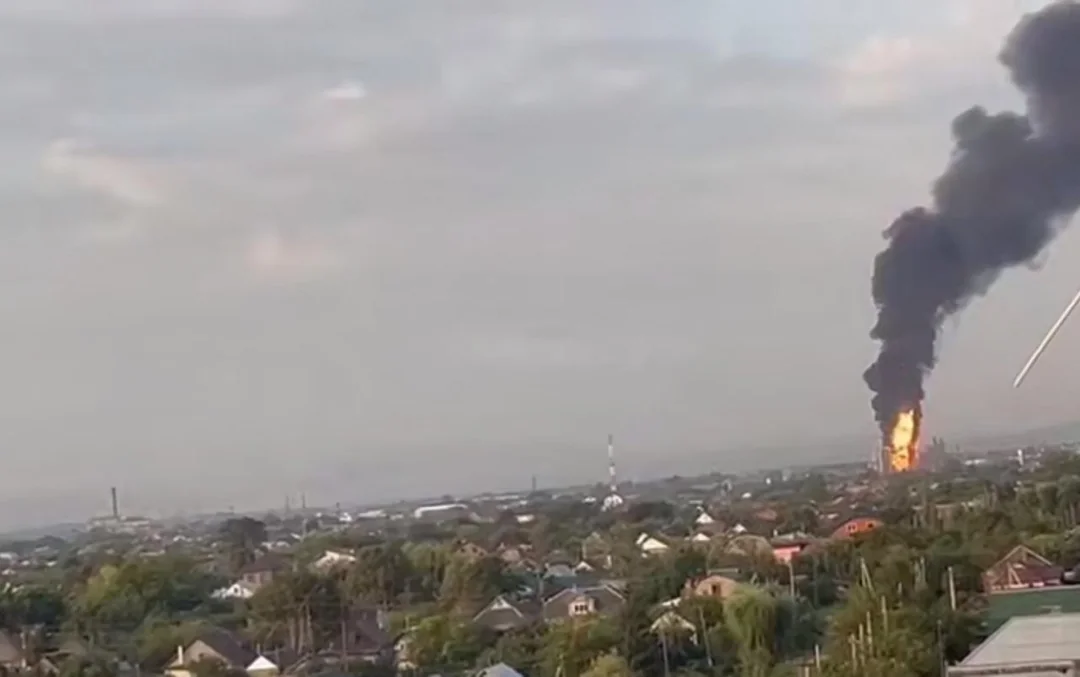
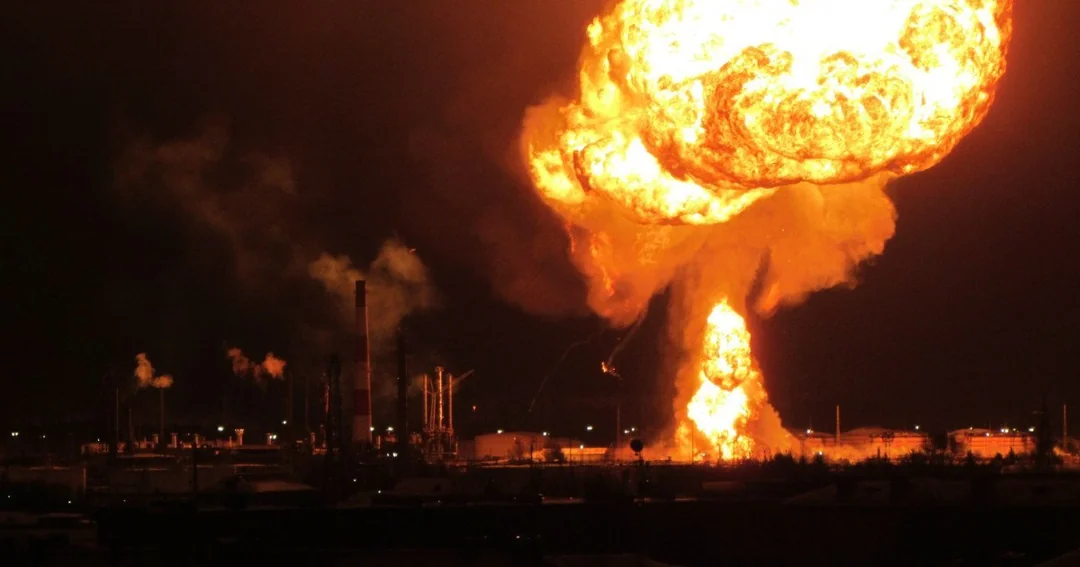
On the night of November 28–29, 2025, Ukraine’s military executed a precision drone strike on the Afipsky Oil Refinery, marking the fourth confirmed attack on this vital facility in 2025. Russian authorities reported explosions and a subsequent fire that affected approximately 250 square meters of the refinery.
Emergency systems extinguished the fire, but Russian operational headquarters acknowledged damage to technological equipment. This strike coincided with intelligence suggesting Ukraine had refined its targeting strategies, aiming to create maximum disruptions as winter fuel demands surged. The timing illustrates the heightened stakes in the fuel war and its implications for military logistics.
The Fire and What It Means
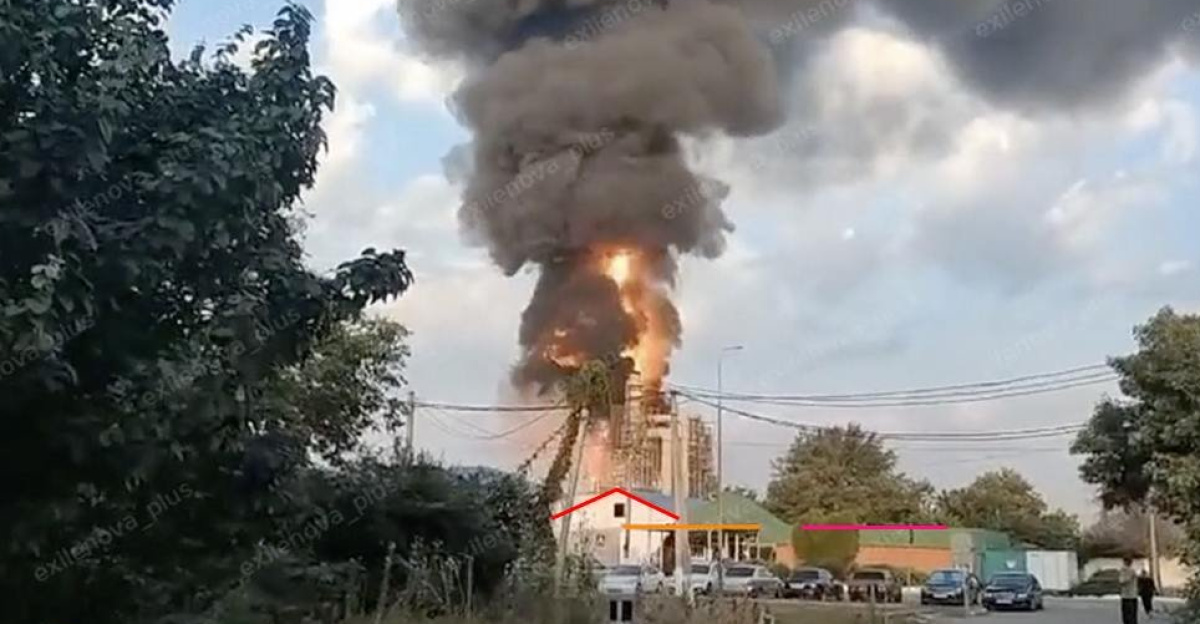
The recent fire at Afipsky, affecting an area of 250 square meters, confirms tangible impact on the refinery’s critical infrastructure. Despite Russian attempts to downplay the incident, asserting only “technological equipment” was harmed, the substantial fire suggests meaningful penetration through the refinery’s defenses by Ukrainian forces.
This event occurred at a pivotal moment as winter heating demands in Russia intensified. Disruptions to fuel supply during cold months pose severe risks for both civilian heating and military operations. The incident highlights the escalating intensity of the conflict and its ramifications for Russia’s energy stability amid ongoing hostilities.
The Real Cost of Fuel Disruption
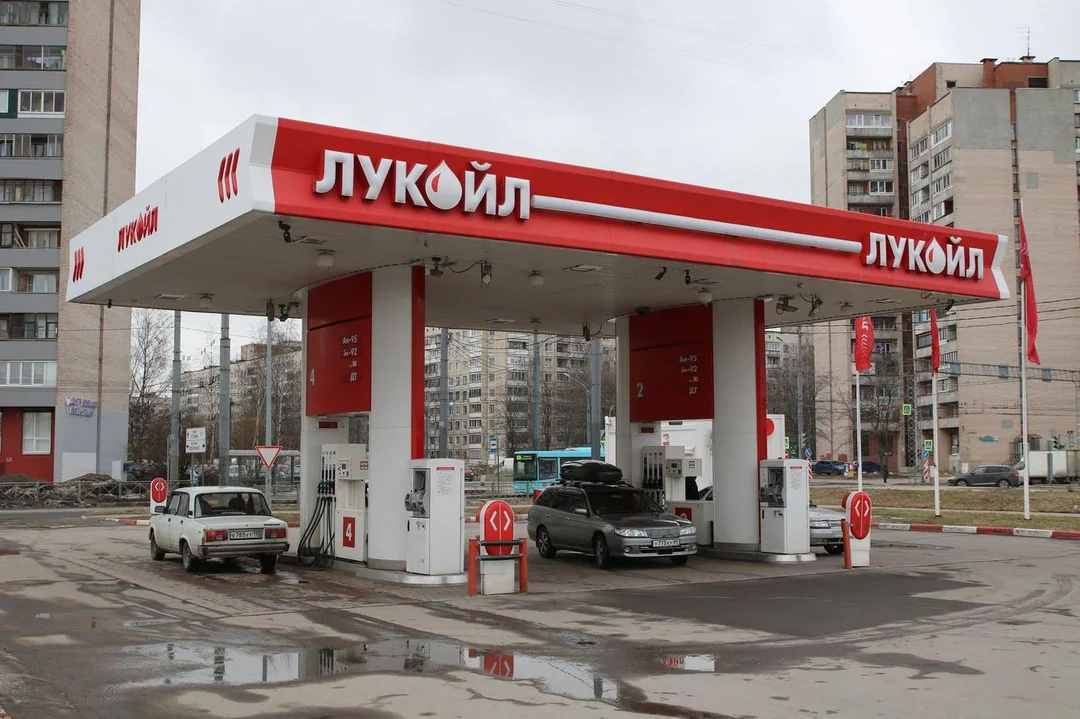
As retail prices for gasoline skyrocket in Russia, the impact is felt far beyond just the fuel supply. Farmers, truck drivers, and everyday citizens are grappling with inflated costs and dwindling supplies. The price surges have led to public unrest and economic concerns as ordinary Russians face limited access to essential fuels, exacerbating existing tensions within the country.
Stories from the ground reveal deep frustration: citizens describe running out of heating fuel during winter and businesses unable to operate at normal capacity. This rising discontent could become a significant challenge for Putin, whose control may depend on maintaining public satisfaction amidst escalating hardships and economic despair.
An Economic Downturn

Russia’s oil and gas sector is projected to experience severe revenue declines, with estimates indicating a potential 35% fall by November compared to previous levels. Such a downturn threatens to destabilize the Russian economy, which has heavily relied on energy exports as a cornerstone of state revenue. President Putin faces mounting pressure to address these economic setbacks while dealing with the ongoing military conflict in Ukraine.
As fuel supply issues deteriorate further, global markets may also feel ripple effects, leading to fluctuations that could complicate energy dynamics worldwide. Analysts are closely monitoring the intertwining of continued military actions and economic pressures, questioning the sustainability of Russia’s current trajectory.
The Ripple Effect on Global Markets

The fuel crisis unfolding in Russia is already influencing global markets, resulting in increased oil prices and heightened uncertainty for energy-dependent nations. As Russia grapples with energy shortages, countries that rely on Russian fuel face significant challenges. Supply chain disruptions could lead to rises in consumer prices, influencing inflation rates across Europe and beyond.
Meanwhile, nations aligned with Ukraine are refining energy strategies to limit dependence on Russian resources. This realignment signals a shifting geopolitical landscape, potentially reshaping global energy supply chains for years to come and creating opportunities for alternative energy partnerships.
Military Implications of Fuel Shortages

The disruption in fuel supply is having critical impact on Russian military operations in Ukraine. As diesel and aviation kerosene become less available, the operational capabilities of Russian forces may decline, leading to potential failures in logistics and supply lines. Analysts note that weakened fuel supply directly hampers the effectiveness of military vehicles and aircraft, undermining battlefield readiness.
As Russian forces struggle to maintain supply lines during winter, the ability to mount significant operations could be curtailed, giving Ukrainian forces potential tactical advantage. This dynamic could reshape the ongoing conflict, emphasizing the importance of logistical support in warfare and the strategic value of energy infrastructure targeting.
Voices from the Ground

“The lack of fuel is crippling our livelihoods,” says a truck driver in southern Russia, illustrating the human cost of this crisis. Reports emerging from disrupted civilians affected by the ongoing conflict add depth to the crisis narrative. The fuel shortages are not just statistics; they affect families trying to keep homes warm, businesses struggling to operate, and farmers unable to transport goods.
In the face of crippling fuel costs, ordinary Russians may soon direct their frustrations toward the government, leading to national outcry that could further destabilize the already tenuous political landscape. Sentiments expressed by citizens reveal growing desperation and loss of confidence in the regime’s ability to manage the crisis.
Public Sentiment in Russia
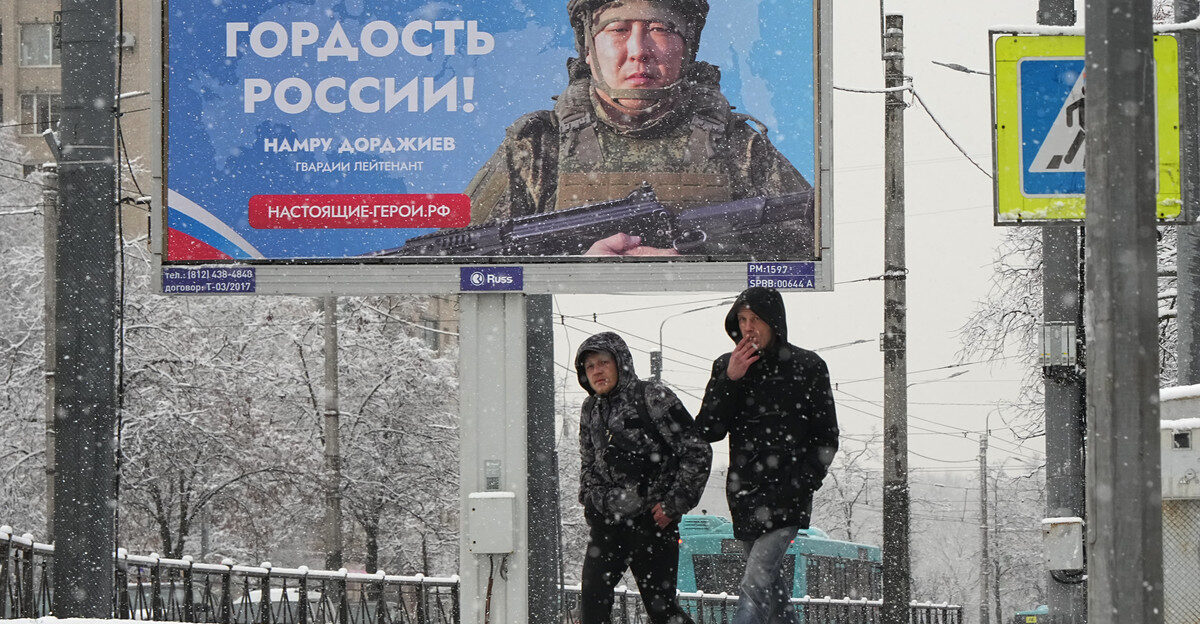
Internal public sentiment in Russia is increasingly turning against the government amid rising fuel costs and shortages. Citizens across the nation are expressing frustration as prices rise and supplies dwindle, with dissatisfaction particularly acute in regions most affected by shortages.
Growing discontent with the government’s handling of the energy crisis presents potential for organized protests and social unrest. Observers emphasize that public dissatisfaction presents an unpredictable element in the ongoing crisis, with potential ramifications for governance and social cohesion in Russia. The convergence of military conflict, economic hardship, and energy scarcity creates a volatile domestic environment that could undermine regime stability.
International Response and Future Implications
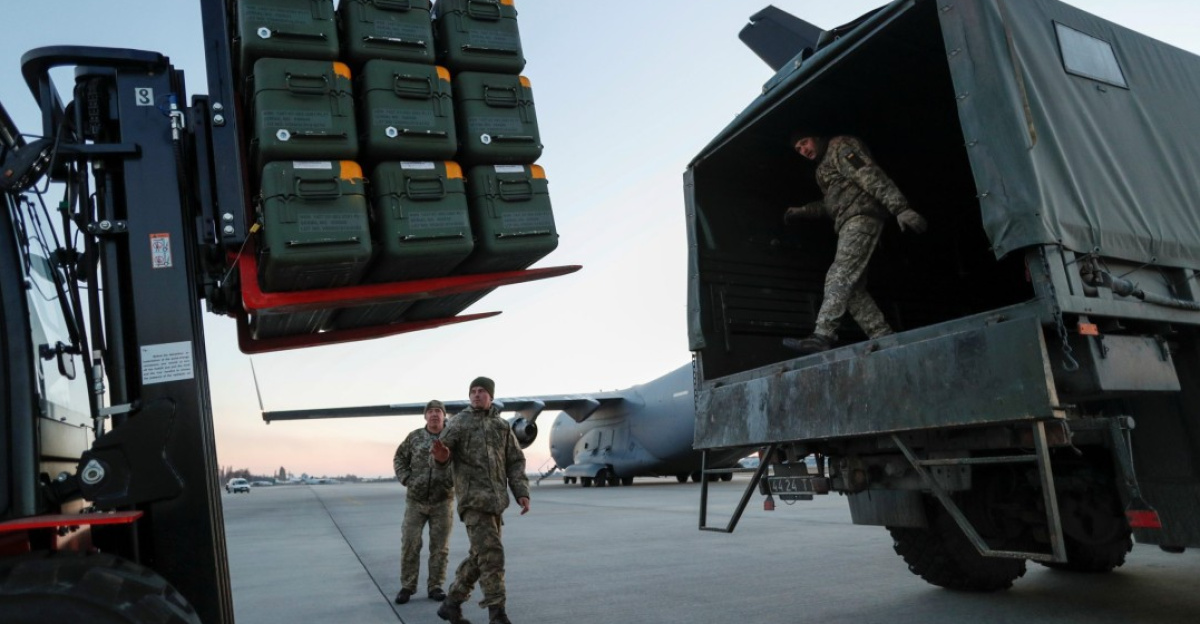
Internationally, the unfolding fuel crisis presents strategic opportunities for Ukraine’s allies. Countries supporting Ukraine may enhance military aid, providing advanced weaponry and technology to bolster Ukraine’s efforts in targeting critical Russian infrastructure. This shift in support could alter the trajectory of the conflict and contribute to greater instability within Russia.
Furthermore, nations previously reliant on Russian fuel are exploring alternative energy sources, leading to long-lasting changes in global energy dependencies and alliances. The future of energy supply and military strategy in the region remains uncertain, with profound implications for NATO members and energy-dependent European nations seeking security and stability.
A Turning Point?
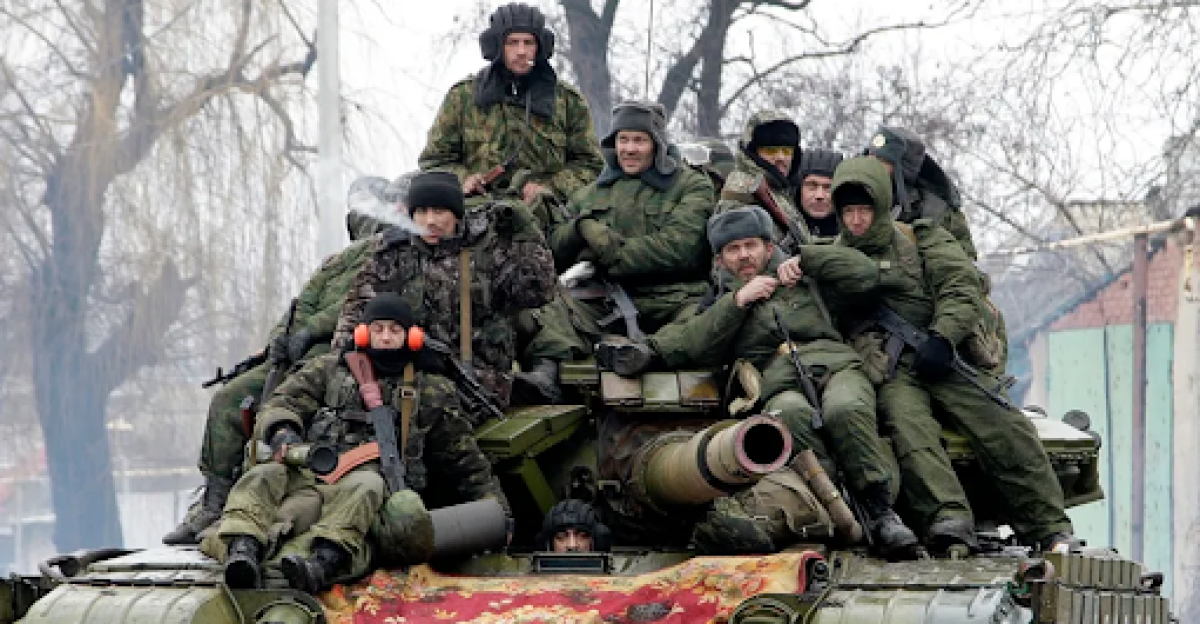
As winter deepens and fuel supply issues worsen, the current situation may represent a pivotal turning point in the Russia-Ukraine conflict. With Ukraine adopting increasingly aggressive stance toward Russian energy infrastructure, significant military shifts loom large. Should Ukraine successfully continue to disrupt Russian fuel supplies, the balance of power may tilt in Ukraine’s favor, granting strategic leverage in potential negotiations.
Meanwhile, societal pressures within Russia could further destabilize the regime, making the coming months critical for both nations. The confluence of military strategy, economic collapse, and internal dissent creates conditions for fundamental changes in the conflict’s trajectory and Russia’s internal stability.
The Ongoing Impact
The intersection of military strategy, economic consequences, and public sentiment highlights the extraordinary complexity surrounding the Afipsky Oil Refinery and Russia’s fuel crisis. As Ukraine continues to exert pressure on Russian infrastructure, ramifications are felt far and wide. With energy shortages threatening both military logistics and civilian life, potential upheaval in Russia emerges as a significant factor in the ongoing conflict.
The stakes remain high as this situation evolves, with observers worldwide closely monitoring developments and anticipating broader implications for regional stability. This energy war may ultimately prove as consequential as conventional military operations in determining the conflict’s ultimate outcome and Russia’s ability to sustain its war effort.
Sources
BBC News – Ukraine oil refinery attacks analysis
Kyiv Independent – Afipsky Oil Refinery strike reports
Reuters – Putin fuel decree and energy policy
Institute for the Study of War – Military campaign assessments
Moscow Times – Russian fuel crisis coverage
CNN – Ukraine-Russia energy war reporting
Forbes – Fuel crisis economic analysis
Wikipedia – 2025 Russian fuel crisis overview
Pravda – Ukrainian military strike confirmations
Newsweek – Russia fuel shortage reports
CSIS – Strategic analysis of Ukraine war implications
Odessa Journal – Refinery strike pattern documentation