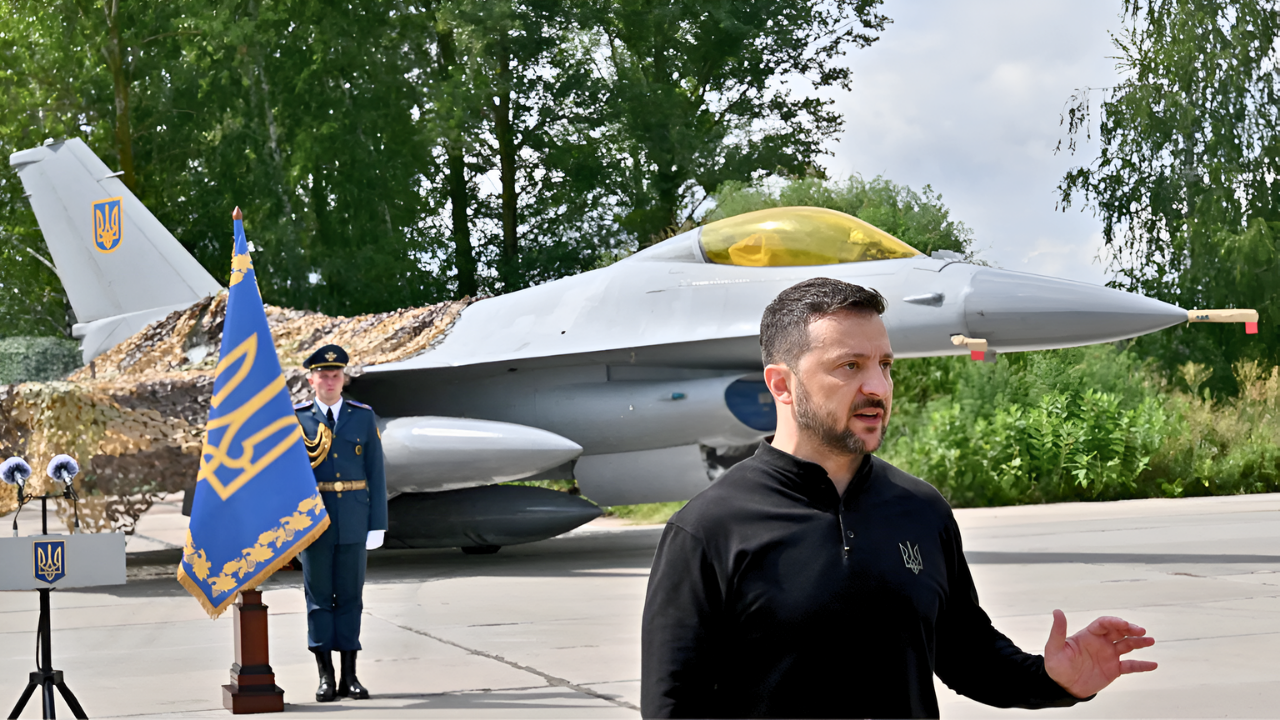
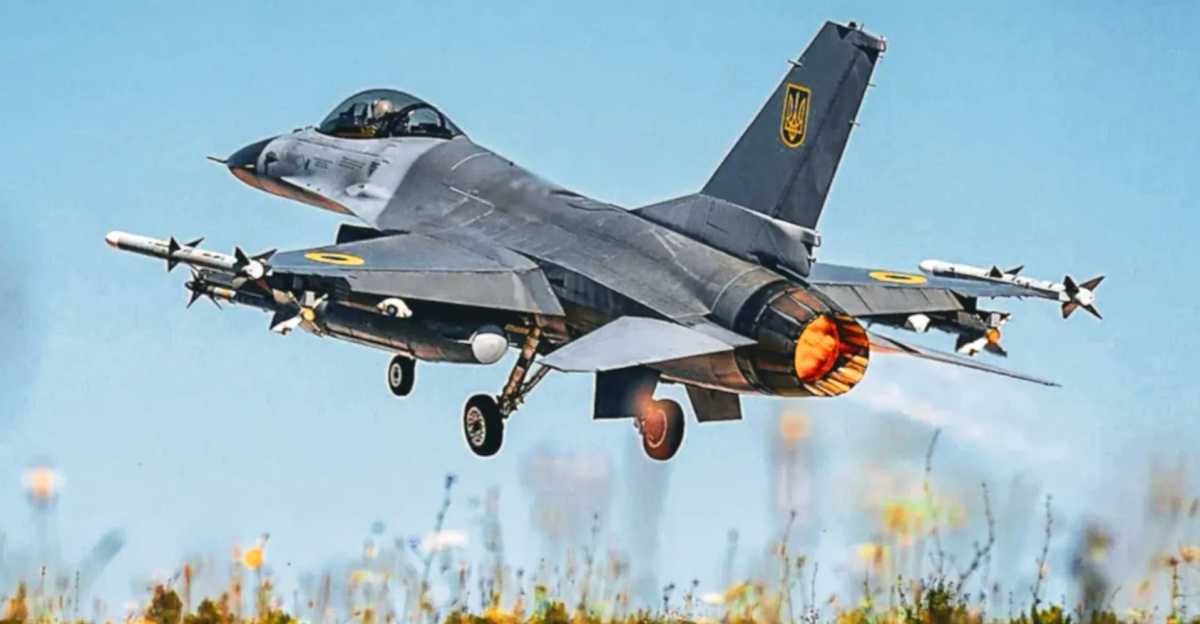
The introduction of Western-supplied F-16 fighters into Ukrainian service represents a major shift in Ukraine’s air defense and strike capabilities.
For the first time, Ukraine operates a fully modern, NATO-standard multirole fighter integrated into Western command, data-link, and air-defense networks. Unlike legacy Soviet aircraft, the F-16 is designed for precision interception, advanced situational awareness, and survivability in dense missile and electronic-warfare environments.
From Soviet Legacy to Western Air Combat Doctrine
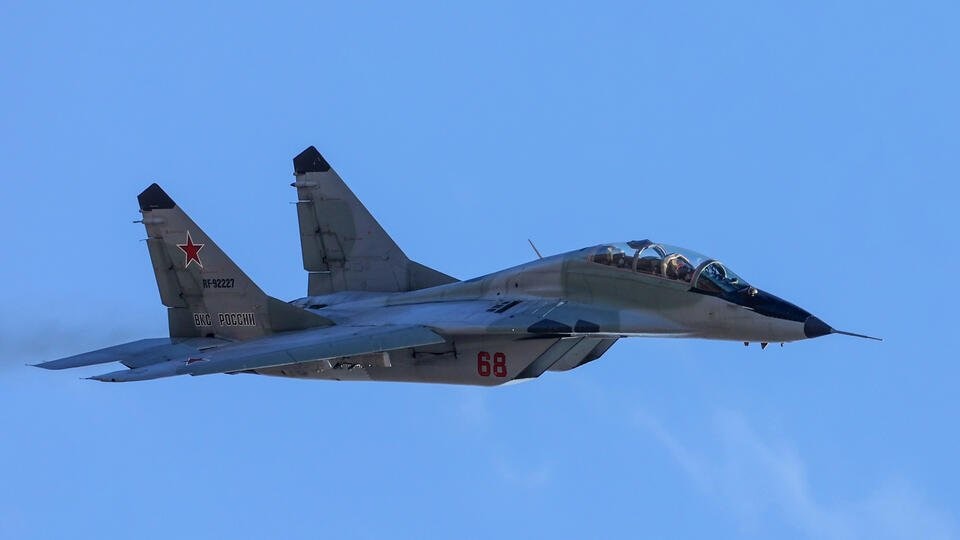
For most of the war, Ukraine relied on MiG-29 and Su-27 fighters designed for Cold War air defense doctrines centered on ground-controlled interception.
These aircraft remain useful but lack the sensor fusion, digital networking, and modern weapons integration of Western fighters. The F-16 introduces autonomous target acquisition, real-time data sharing, and compatibility with a wide array of precision weapons, marking a generational transition in Ukrainian air combat capability.
What the F-16 Adds to Ukraine’s Air Defense
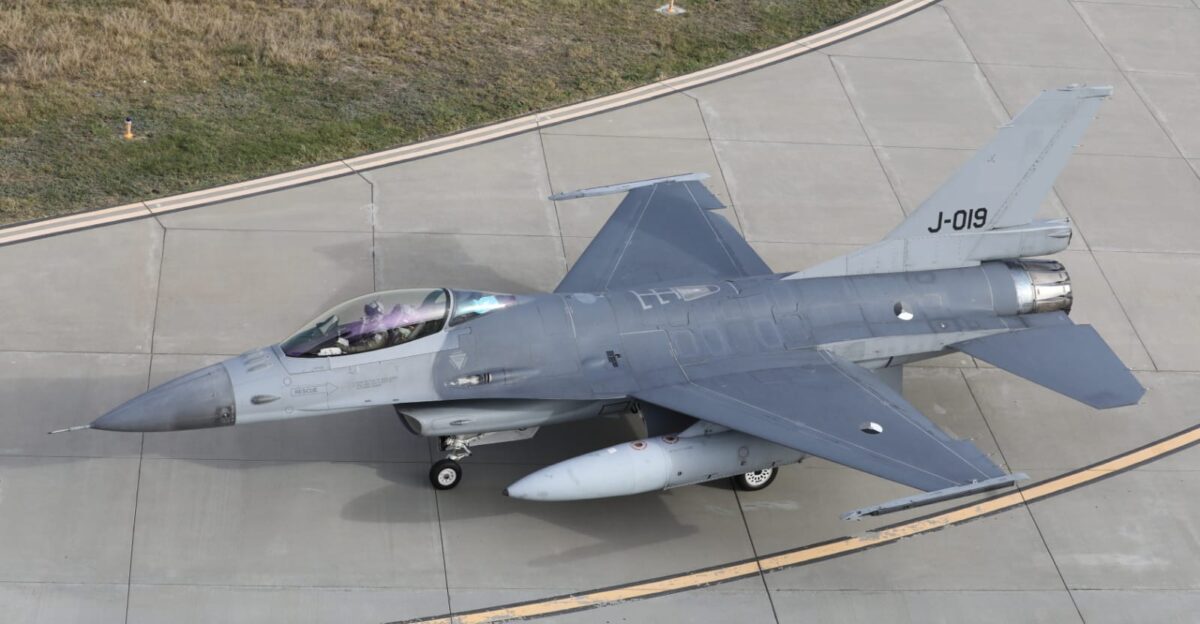
The F-16 strengthens Ukraine’s air defense by adding a mobile, airborne interception layer capable of reacting faster than ground systems alone. It can engage cruise missiles and drones before they reach terminal flight phases, reducing pressure on Patriot, NASAMS, and IRIS-T batteries.
Ukrainian officials have confirmed that fighter aviation now plays a growing role in countering Shahed drone waves and cruise-missile attacks during large Russian strike packages.
Networ-Centric Warfare Comes to Ukraine
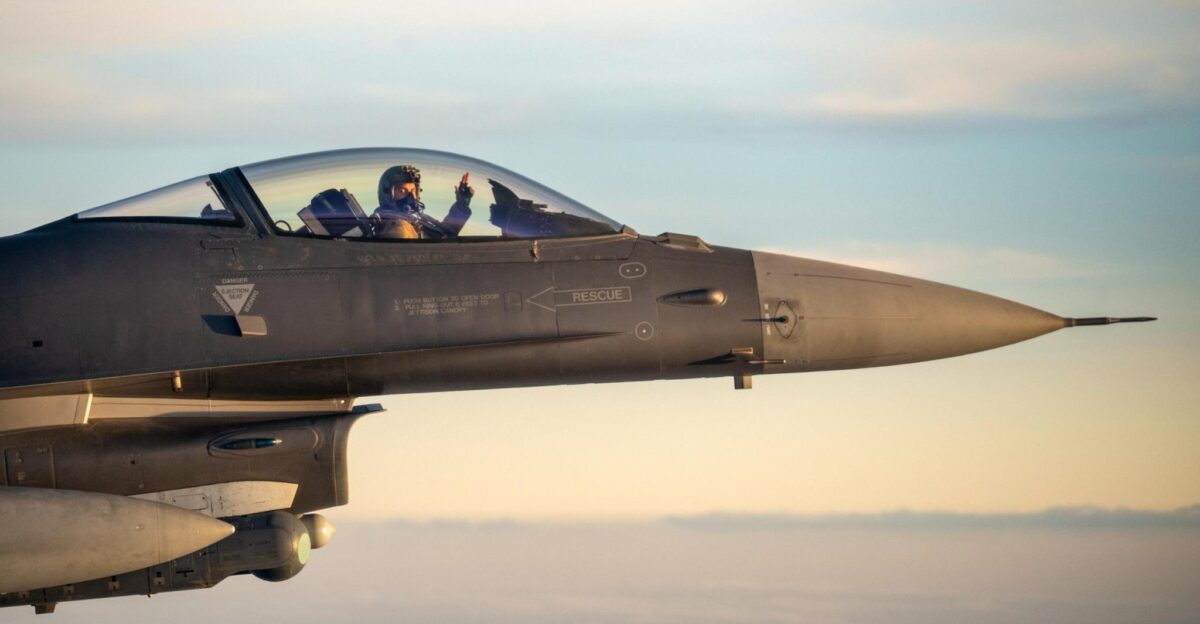
F-16 operations are built around network-centric warfare. The aircraft integrates with Western early-warning platforms, ground-based radars, and command centers through secure data links. This allows pilots to receive threat information without relying solely on their own sensors.
The result is faster decision-making, earlier intercept opportunities, and reduced exposure to Russian air defenses—fundamentally changing how Ukraine conducts air defense at the operational level.
Sortie Prioritization and Mission Allocation
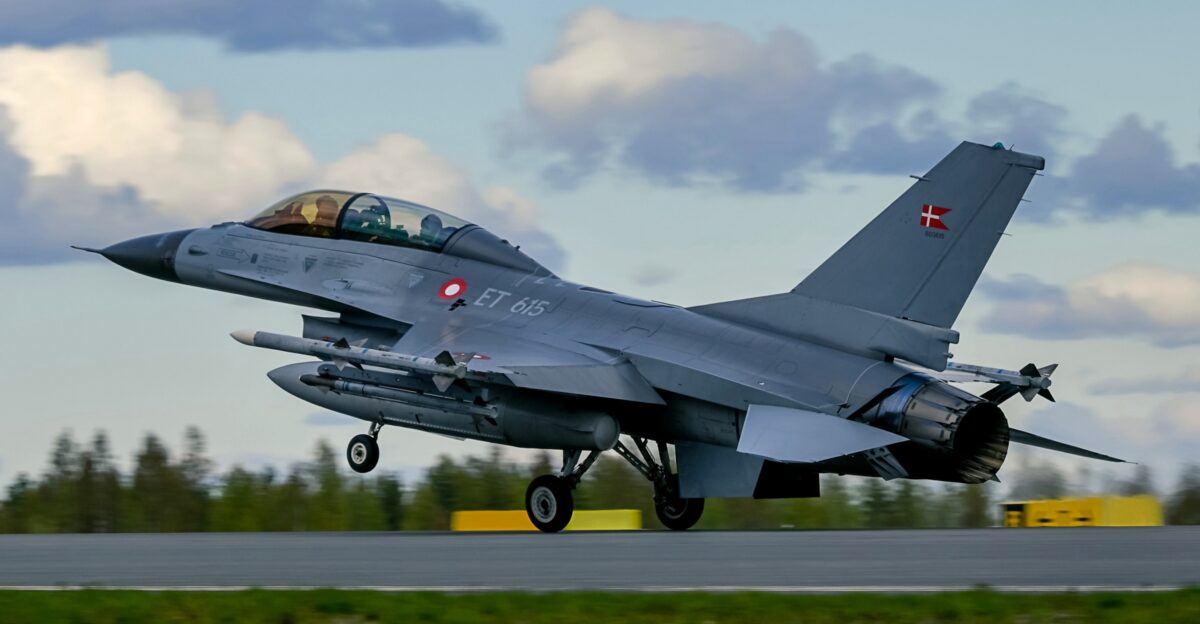
Although Ukraine operates far fewer F-16s than legacy fighters, these aircraft are prioritized for the most demanding interception and strike missions.
Western maintenance practices, mission-planning software, and logistics support allow F-16 units to maintain high operational readiness. As a result, a relatively small number of aircraft generates a disproportionately large share of high-value combat sorties during major Russian missile and drone attacks.
Cannon Intercepts and Battlefield Adaptation
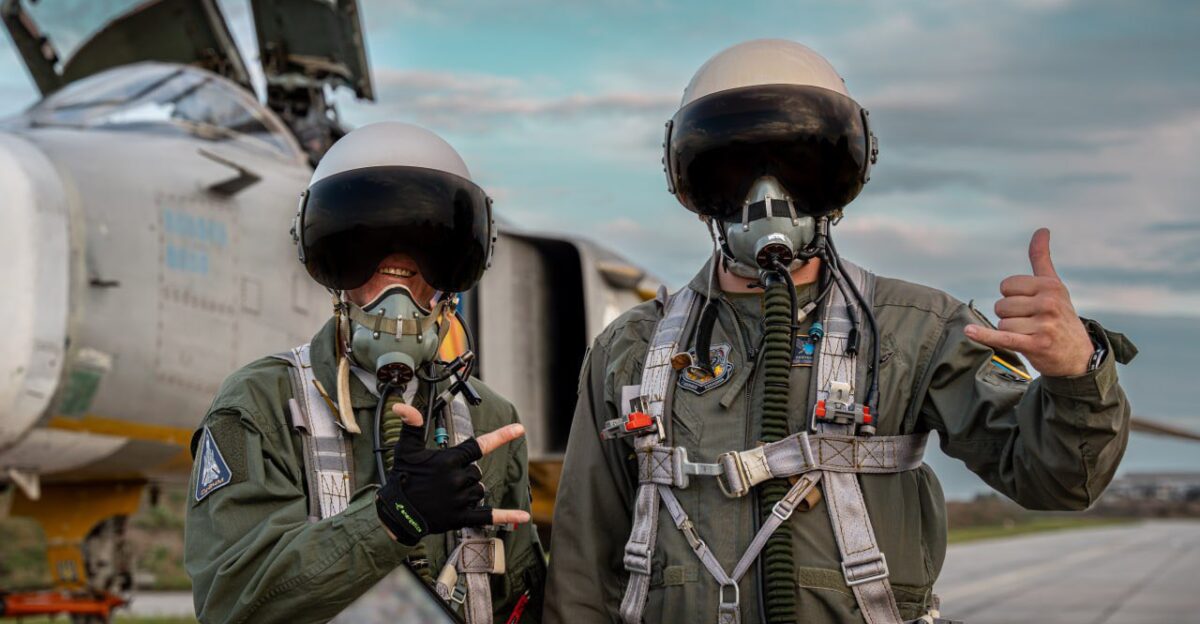
Ukrainian pilots have confirmed the use of onboard 20mm cannons to destroy slow Shahed drones when missile use would be economically inefficient. This adaptation reflects battlefield pragmatism: preserving expensive air-to-air missiles for cruise missiles and hostile aircraft.
The cannon provides a low-cost option against predictable, low-speed targets under suitable conditions, illustrating how Ukrainian aircrews continuously adjust tactics to manage limited missile stocks.
The Role of Western Airborne Early Warning
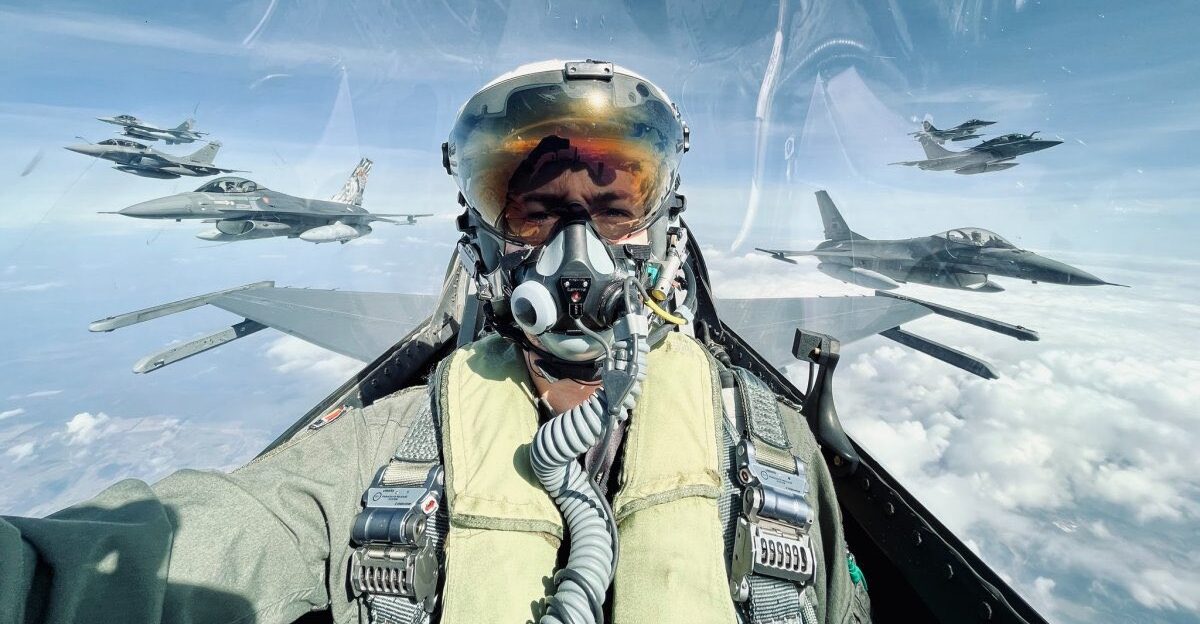
Western airborne surveillance platforms operating in support roles significantly improve Ukraine’s air-picture awareness. These aircraft extend radar coverage far beyond Ukraine’s borders and provide real-time tracking data to Ukrainian fighters and air-defense units.
This early warning capability shortens reaction time, improves intercept geometry, and reduces pilot workload. It also allows Ukrainian fighters to operate with greater caution in heavily defended airspace.
Precision Strike Capability Against Ground Targets
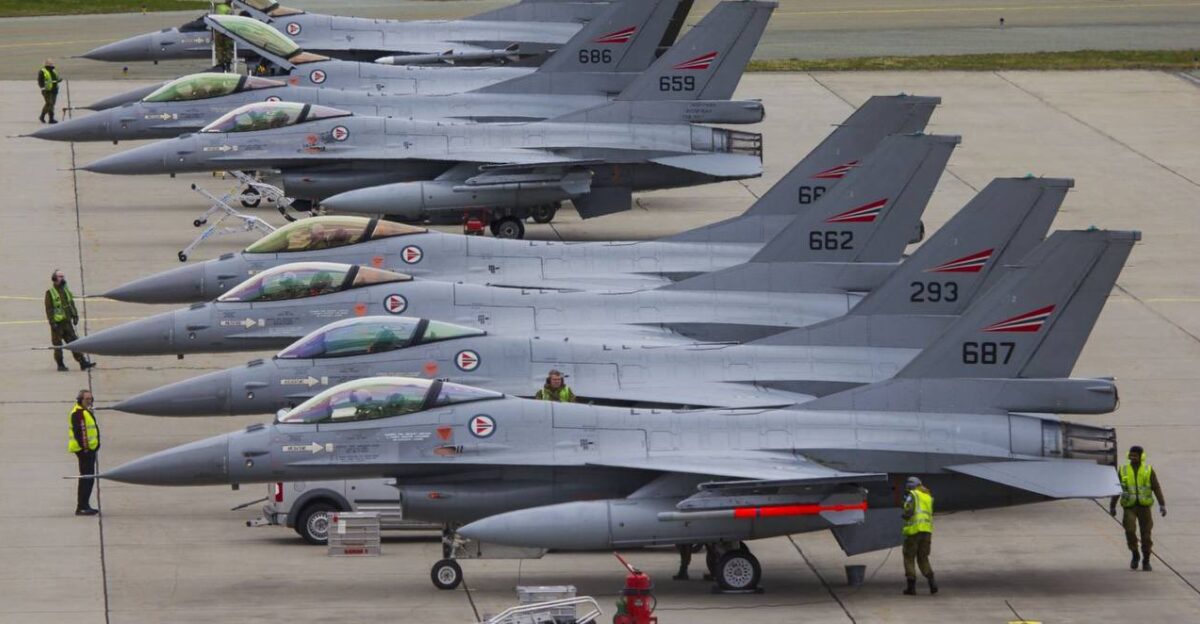
In addition to air defense, F-16s give Ukraine a modern precision-strike capability against high-value military targets. Western-integrated guided munitions allow aircraft to hit ammunition depots, command posts, and logistics hubs with meter-level accuracy.
Open-source footage confirms multiple successful precision strikes carried out by Western-supplied aircraft since 2024, marking a substantial expansion of Ukraine’s offensive air options.
The Economics of Missile and Drone Defens
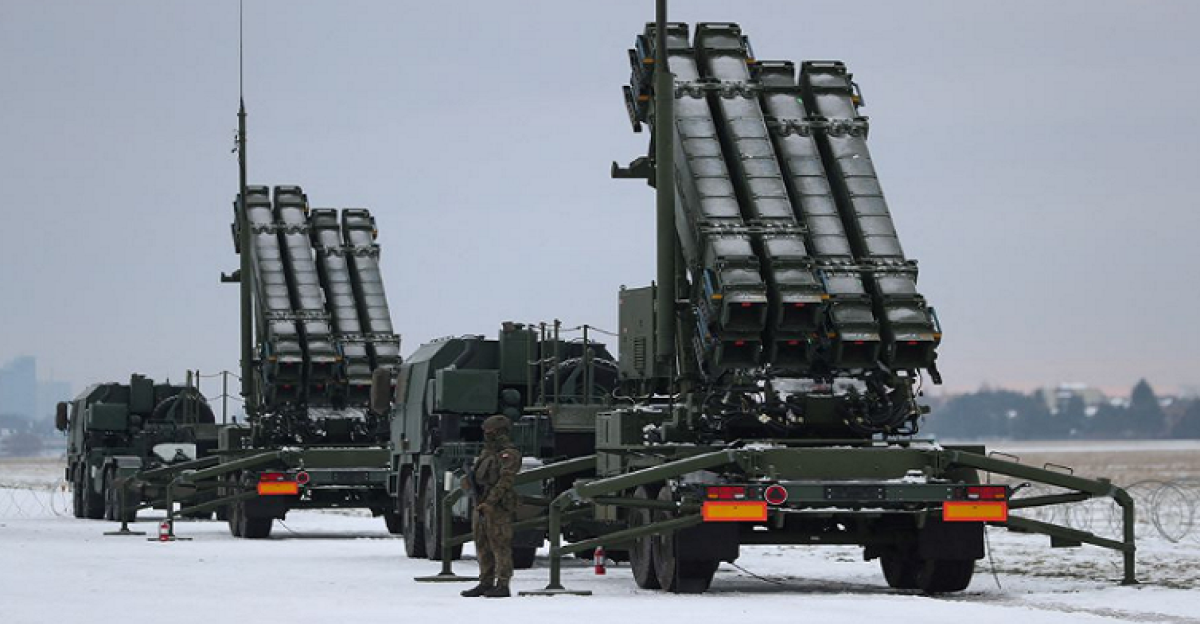
Missile defense is also an economic contest. Shahed drones cost tens of thousands of dollars, while Western air-to-air missiles cost far more.
This imbalance forces Ukraine to ration high-end interceptors. A layered approach—combining aircraft, surface-to-air systems, electronic warfare, and guns—helps manage these costs. Long-term sustainability depends not only on battlefield success, but on continued Western industrial production.
Accelerated Pilot Training Under Wartime Condition
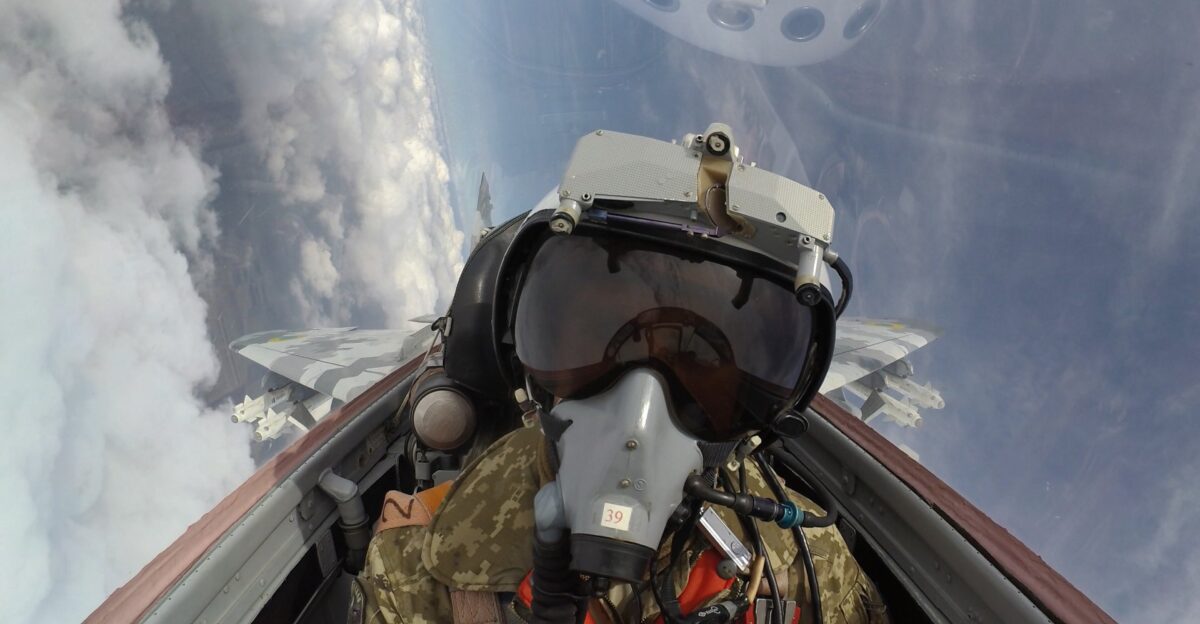
Ukrainian pilots transitioned to the F-16 through compressed NATO training programs abroad. Unlike peacetime conversion pathways that take years, Ukraine completed initial operational training in months.
Pilots were selected from combat-experienced MiG-29 and Su-27 units, allowing faster adaptation. Ukrainian officials acknowledge that full mastery of the aircraft continues during active combat, making this one of the fastest fighter integrations in modern warfare.
Maintenance, Basing, and Logistics Under Fire
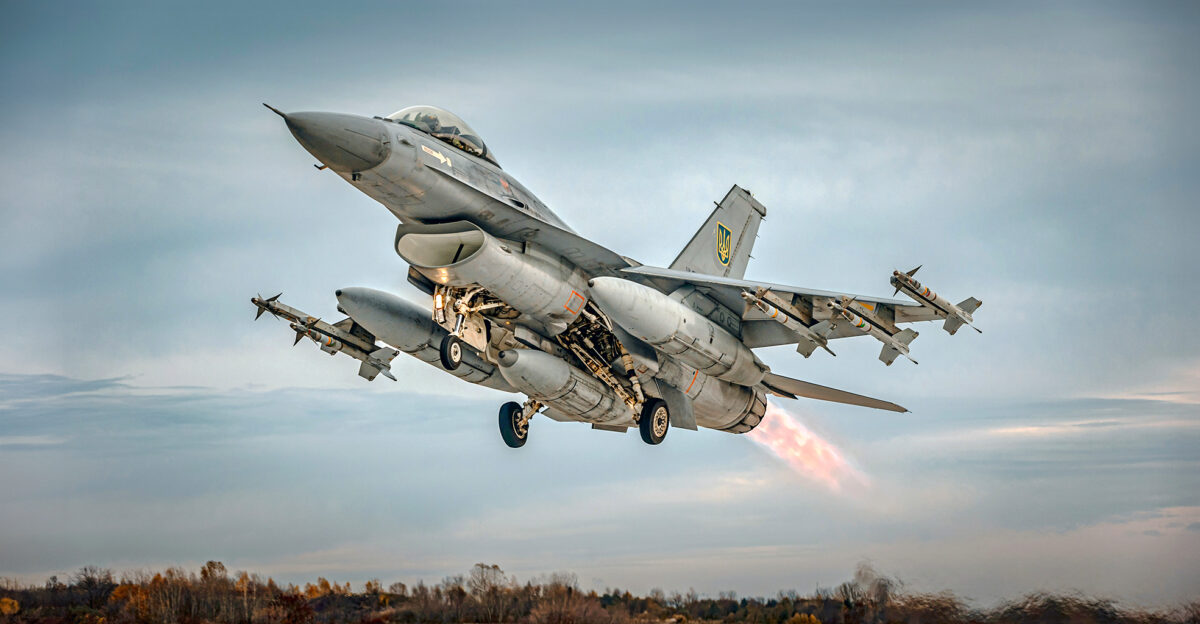
Sustaining Western fighters inside a war zone requires hardened bases, rapid runway repair, dispersed aircraft parking, and constant spare-parts flow.
F-16s rely on more specialized maintenance than Soviet aircraft. Ukraine has adapted by decentralizing operations and coordinating closely with NATO supply chains. Logistics resilience has become as strategically important as pilot skill in keeping the fleet combat-ready under constant missile threat.
Psychological and Operational Impact on Russian Aviation
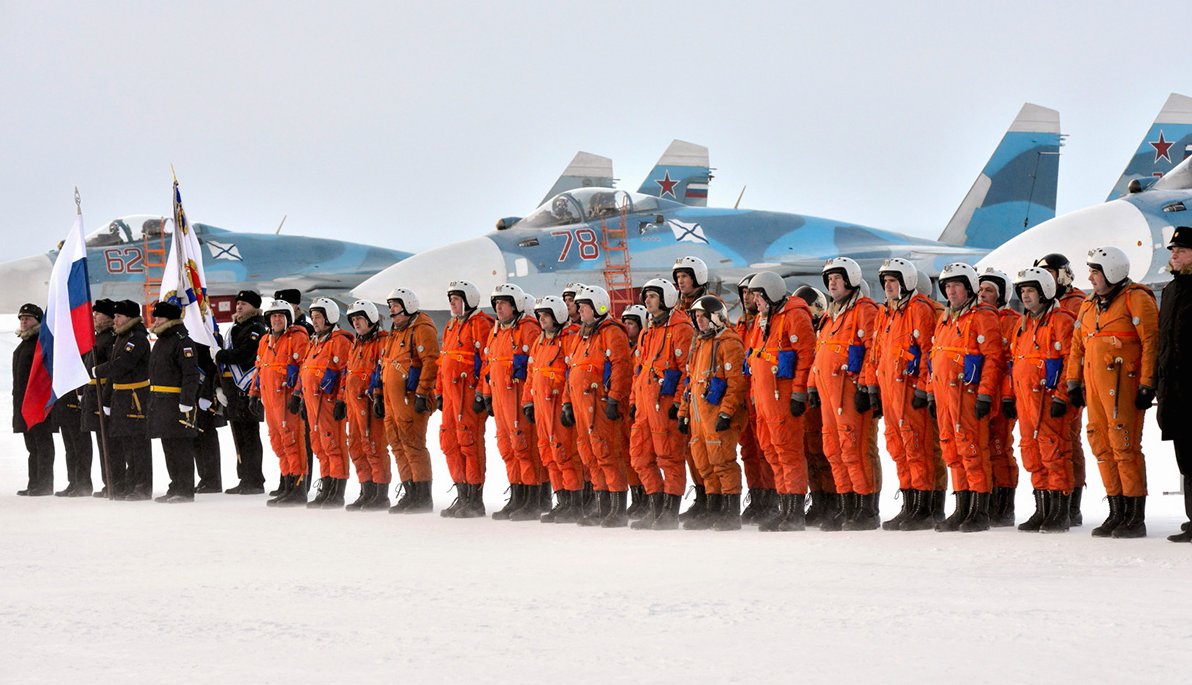
The presence of Western fighters complicates Russian air operations, even without constant air-to-air combat. Russian pilots must now account for aircraft with modern radar, data links, and NATO-standard missiles. This affects flight routes, standoff distances, and strike planning.
The uncertainty introduced by F-16s imposes operational caution, reducing flexibility and increasing the complexity and cost of Russian missile and aviation missions.
Limits of Air Power in a Broader War
Despite their impact, F-16s do not determine the war on their own. Air power remains one element of a combined-arms conflict involving ground forces, drones, artillery, cyber operations, and logistics.
Ukrainian commanders consistently emphasize that fighter aircraft must operate as part of an integrated defense-and-strike system rather than as a standalone solution to Russia’s numerical advantages in missiles and manpower.
The Ammunition Bottleneck
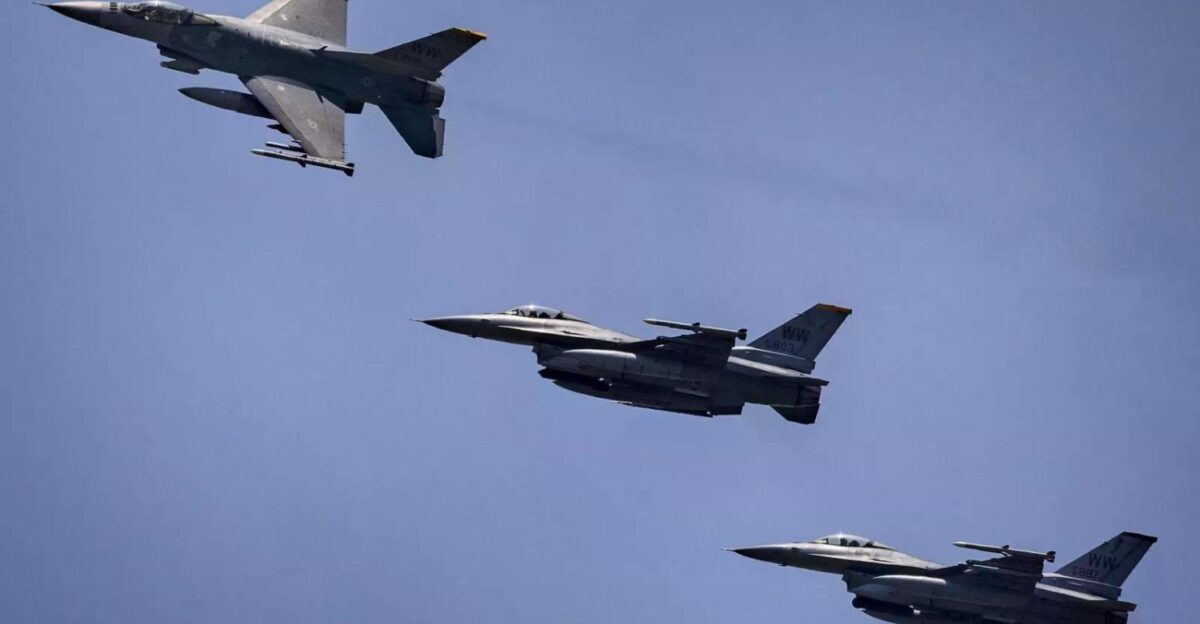
The most serious long-term constraint on Ukraine’s F-16 effectiveness is ammunition supply. Western missile production capacity is limited and strained by global demand.
Without sustained industrial scaling, Ukraine risks facing future shortages regardless of aircraft availability. Ukrainian officials have publicly warned that aircraft alone cannot ensure victory without consistent access to modern missiles and precision munitions.
Conclusion: A New Phase, Not a Final Victory
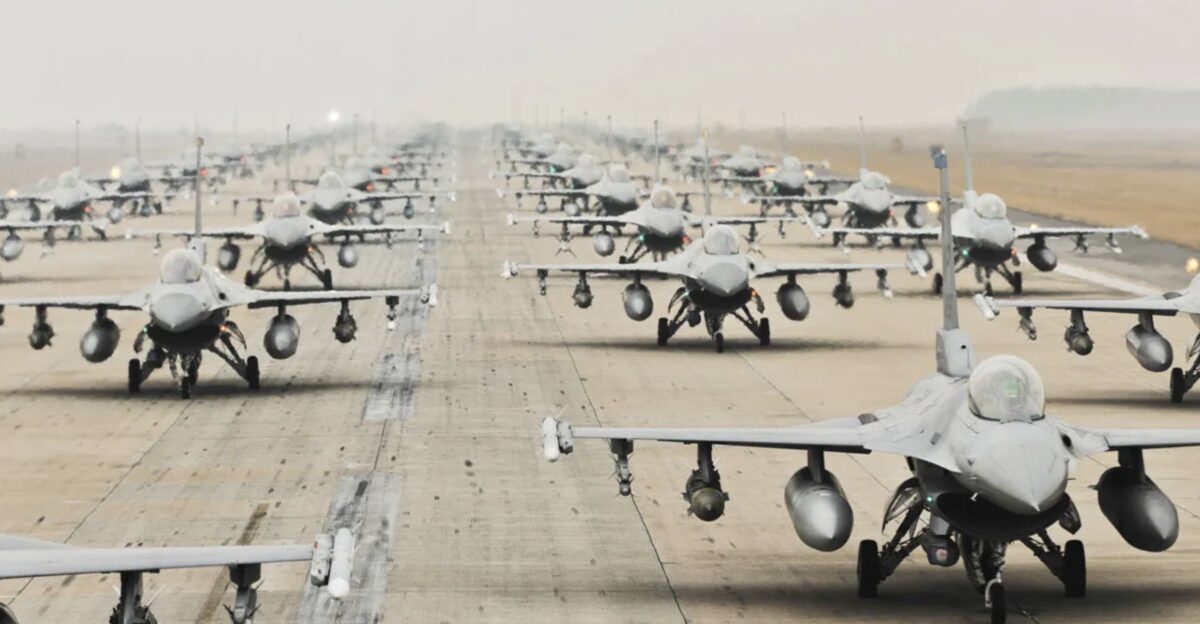
The arrival of F-16s marks a decisive transition in Ukraine’s air war—from survival under saturation attack toward structured, networked air defense and precision strike.
These aircraft have reshaped interception dynamics, expanded offensive options, and imposed new operational constraints on Russia. Yet the long-term outcome will depend not only on technology, but on logistics, ammunition production, and sustained Western political and industrial commitment.
Sources:
United24media (November 18, 2025).
Ukrinform (November 18, 2025).
Aerospace Global News (November 19, 2025).
SOFREP (September 1, 2025).
The Aviationist (June 7, 2025).
Air and Space Forces Magazine (October 9, 2025).
19FortyFive (October 18, 2025).
Kyiv Independent (November 18, 2025).
News Ukraine / RBC (November 18, 2025)