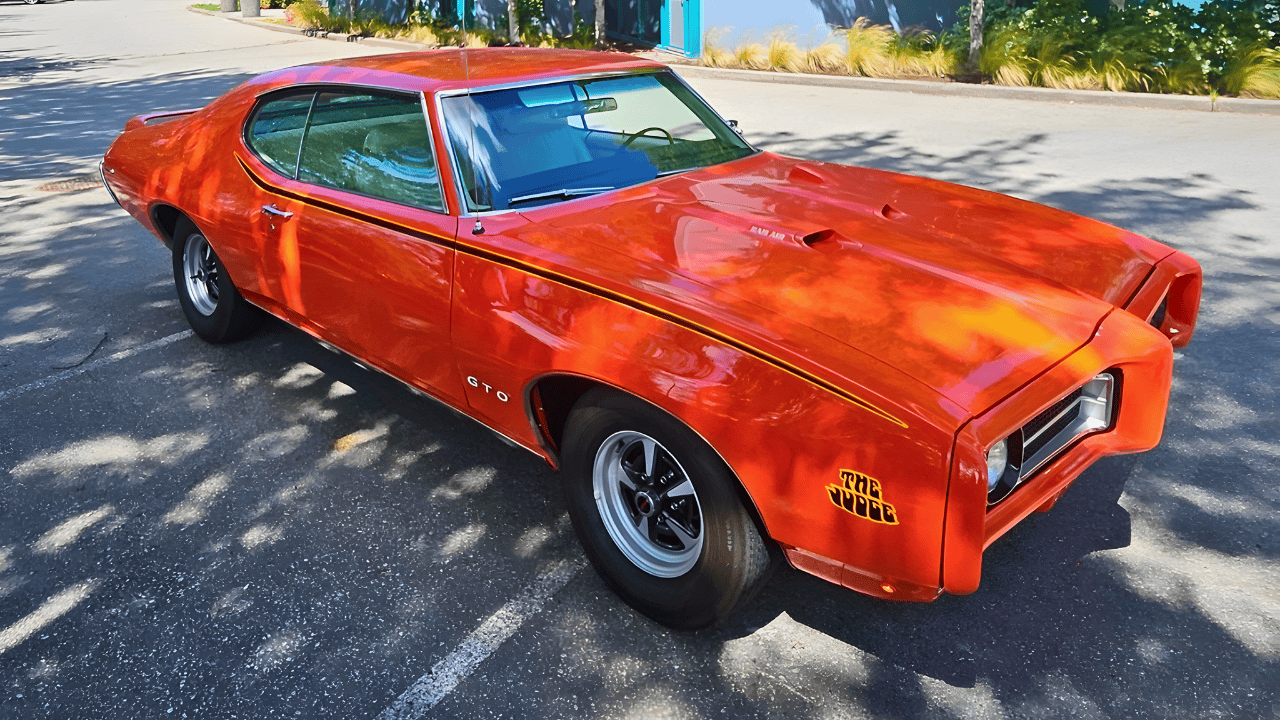
In the late 1960s and early 1970s, American muscle cars roared onto roads and racetracks, their official horsepower ratings masking raw power that dyno tests and period records later revealed. Manufacturers deliberately understated figures to sidestep soaring insurance costs and NHRA racing restrictions, fueling endless debates among enthusiasts about true capabilities.
Car companies published conservative numbers while engines delivered far more, as confirmed by contemporary dyno runs and expert analyses. This strategy kept premiums affordable and avoided performance class penalties, allowing vehicles to dominate streets unnoticed. The gap between advertised and actual output became a hallmark of the era, shaping buyer perceptions and competitive edges.
Hidden Heavyweights
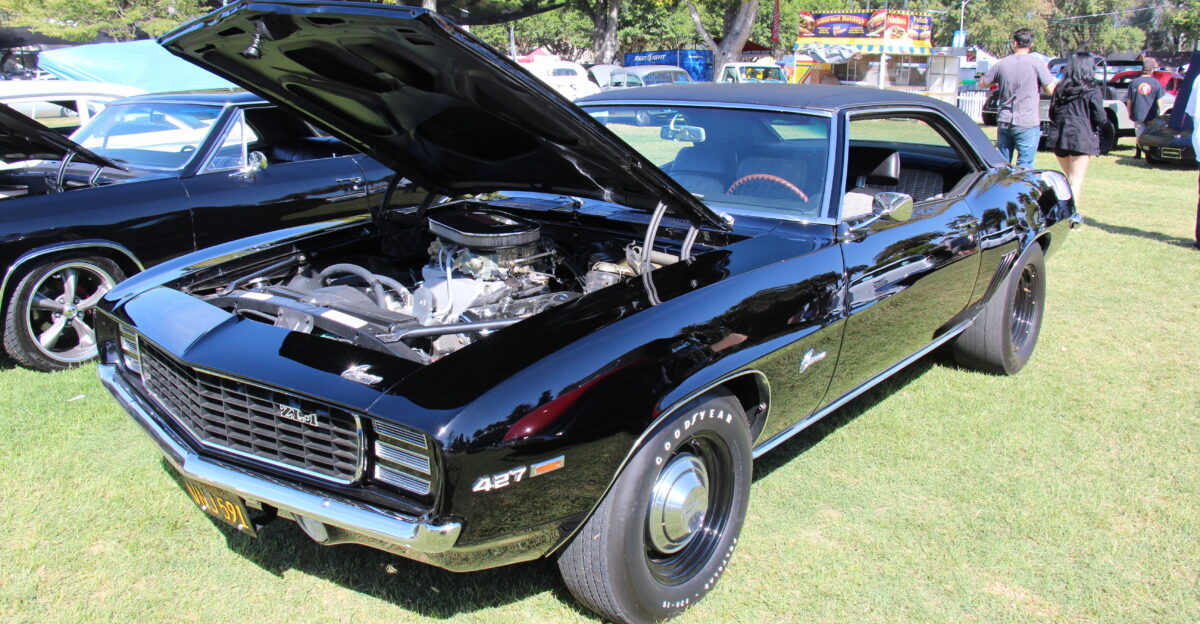
The 1969 Camaro ZL1, rated at 430 horsepower from its all-aluminum 427-cubic-inch engine, produced around 500 horsepower—a 70-horsepower shortfall backed by consistent dyno results. Similarly, the 1969 Chevelle SS 396 L78, officially 375 horsepower, hit 420 to 450 horsepower, setting a benchmark rivals chased. The 1968 Nova SS 396 L78, another compact sleeper at 375 horsepower on paper, delivered 425 horsepower, stunning opponents with its big-block punch in modest packaging.
Pontiac’s 1969 GTO Judge with Ram Air IV option carried a 370-horsepower rating but approached 400 horsepower through superior breathing and tuning. The 1970 Firebird Trans Am Ram Air IV, listed at 345 horsepower for its 400-cubic-inch engine, generated 370 to 390 horsepower.
Dodge and Plymouth Power Plays
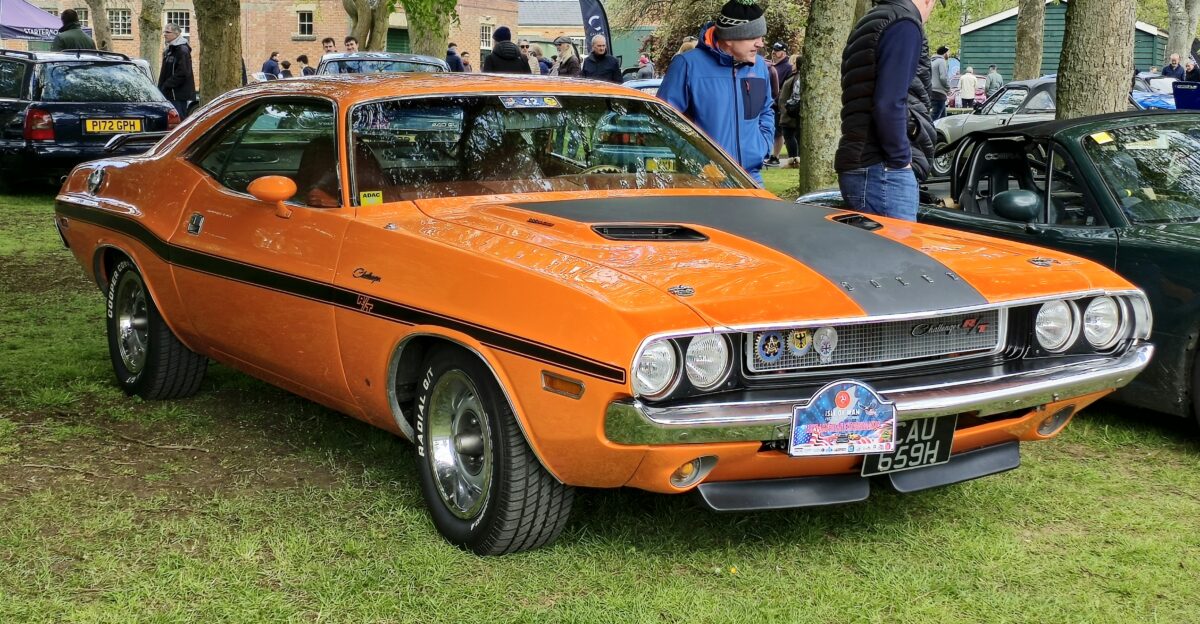
Dodge’s 1970 Challenger R/T 426 Hemi, rated 425 horsepower, exceeded 450 horsepower in many tests, shocking street rivals. Plymouth’s 1970 Road Runner Superbird 426 Hemi, also 425 horsepower officially, neared 500 horsepower, its aero shell amplifying the 75-horsepower edge. The 1970 Charger R/T 440 Six-Barrel at 390 horsepower actually made 430 to 450 horsepower, its iconic form hiding street supremacy.
Other Makers’ Concealed Might
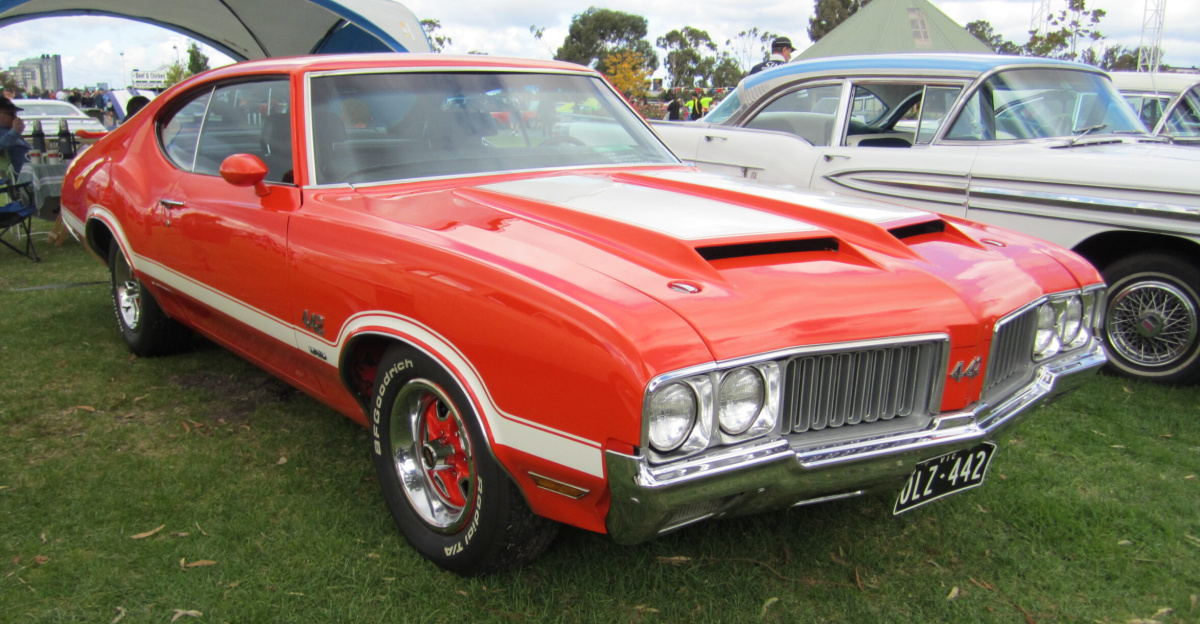
Oldsmobile’s 1970 442 W-30, at 370 horsepower with hotter cam and intake upgrades, approached 400 to 420 horsepower. Buick’s 1970 GSX Stage 1, rated 360 horsepower, matched 400-plus output via low-13-second quarter-miles.
Lasting Legacy and Market Impact
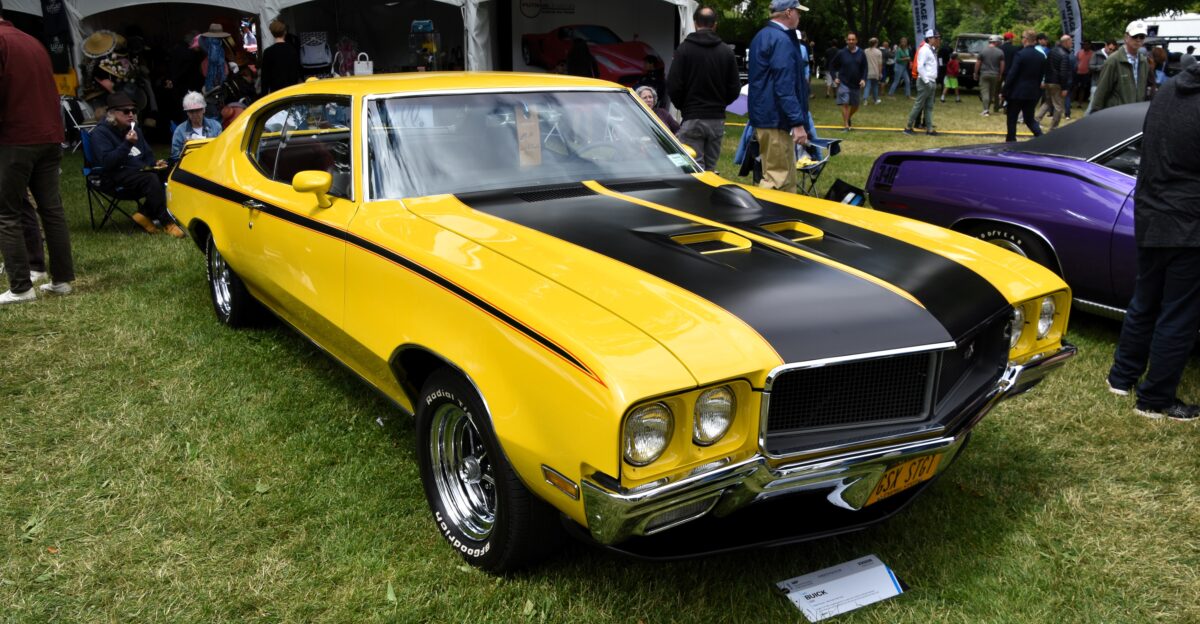
Insurance economics drove the deception: higher ratings spiked costs and barred racing classes. Today, models like the ZL1 and GSX Stage 1 fetch premiums for their documented secrets, rarity, and provenance. The shift to net horsepower in 1971, plus emissions rules, ended the practice by 1972, dropping published figures 20 to 40 percent while real output stayed strong. Modern SAE J1349 standards ensure transparency, but these cars endure as symbols of untamed engineering restrained by numbers.
Sources:
Ateupmotor.com — Understanding Gross Versus Net Horsepower Ratings | Published: March 13, 2023
Hagerty Media — Muscle Car Horsepower – How Exaggerated Was It? | Published: August 12, 2013
TopSpeed.com — Automakers Seriously Downplayed How Much Horsepower These Muscle Cars Make | Published: November 8, 2024
Road & Track — 11 Cars That Make Way More Horsepower Than Advertised | Published: December 17, 2020