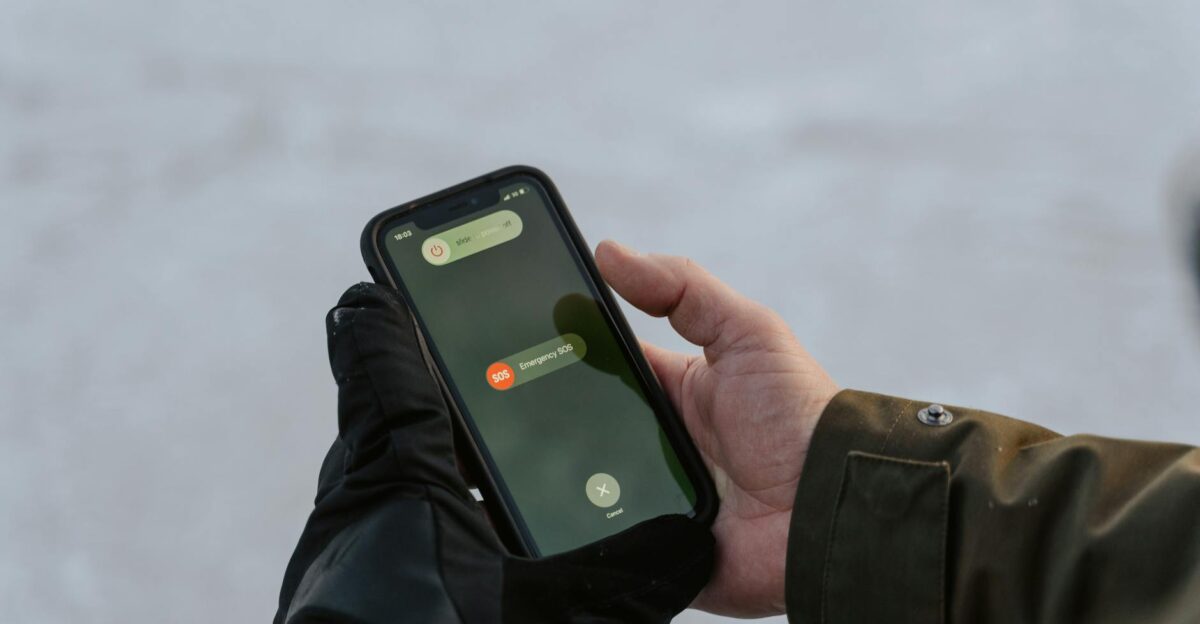
Your phone buzzes. The signal bars vanish. In their place: a small, ominous “SOS” symbol. Across America Wednesday afternoon, millions of Verizon customers watched this exact moment unfold. Calls wouldn’t go through. Texts wouldn’t send.
The world’s largest wireless carrier—serving 146 million Americans—had simply disappeared from their devices. For nearly ten hours, silence replaced connection. Life stopped.
The Network Simply Vanished
The outage began just before noon Eastern Time, spreading with terrifying speed across multiple states. New York. Los Angeles. Chicago. Atlanta. Dallas. Seattle. Within minutes, Downdetector received 150,000 reports. By 12:45 p.m., the platform documented 178,284 concurrent reports in a single 15-minute window.
Over 1.5 million reports would eventually flood in. Not a region had failed. An entire carrier had fractured nationwide.
Your Phone Says SOS
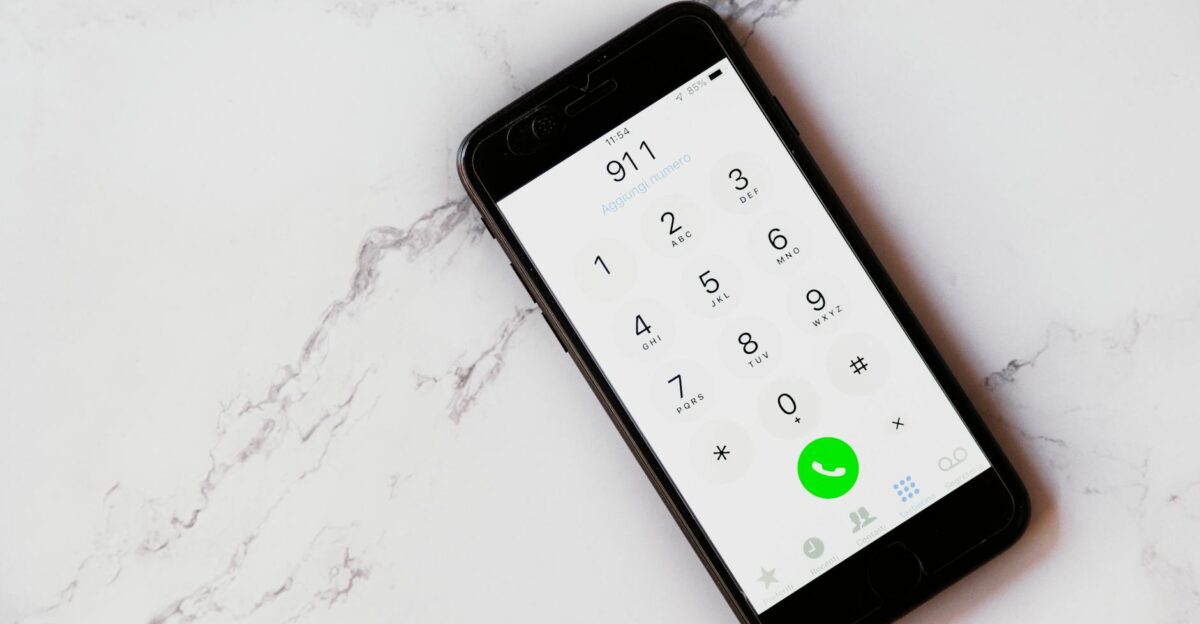
When cellular networks vanish, phones resort to emergency mode. iPhones display “SOS.” Android devices show “Emergency Calls Only.” Neither symbol inspires confidence. SOS mode means your device cannot find your carrier’s network.
No texts. No data. No connection except 911. Parents couldn’t reach their children. Workers couldn’t access email. Delivery drivers couldn’t confirm addresses.
Engineers Scramble to Respond
For nearly an hour, Verizon offered no public acknowledgment. Customers flooded social media with screenshots of dead phones. Frustration boiled over. By 1 p.m. ET, the company finally posted to X: engineers were “engaged” and working to solve the issue “quickly.”
Behind the scenes, Verizon confirmed teams were “fully deployed.” But that initial silence? It fueled panic across millions of homes and offices nationwide.
Life Halted Completely

Behind every outage report sits a human story. In Washington, D.C., the Office of Unified Communications issued an urgent warning: some customers couldn’t reach 911. Emergency operators said callers needing help couldn’t connect.
A parent couldn’t reach a sick child at home. Doctors’ offices lost connectivity mid-consultation. For hours, ordinary life became extraordinarily uncertain.
Nine- One- One Systems Strained
The implications chilled emergency responders nationwide. If millions couldn’t call 911 through normal channels, emergency networks would overflow. D.C.’s office urged residents without working phones to visit fire stations in person or use other carriers’ devices.
In a real emergency, seconds matter. Wednesday proved that a software glitch could strip away the ability to summon help entirely.
AT&T and T-Mobile Also Reported Spikes
As hours passed, AT&T and T-Mobile customers reported outages. AT&T logged roughly 1,700 complaints. T-Mobile saw about 1,500. But both carriers assured customers their networks were fine—the spike came from customers trying to reach stranded Verizon users.
Xfinity Mobile, relying on Verizon’s infrastructure, also failed. The message became clear: America’s wireless carriers rest on shared backbone infrastructure despite competition.
Ruthless Marketing During the Crisis
By evening, rivals began their assault. T-Mobile tweeted: “Our network is keeping our customers connected.” AT&T followed with barely concealed satisfaction: “Our network? Solid. You might not reach someone with Verizon service right now.”
The sarcasm cut deep. Behind the snark lay truth: network reliability equals customer loyalty. Frustrated Verizon users became fair game for competitors sensing their weakness and vulnerability.
Eight Hours Pass
Through the afternoon into the evening, service remained fractured. Verizon issued periodic updates: engineers made “progress.” Teams would work “through the night.” Account credits were coming without details on amounts or timing.
The fundamental question remained unanswered: what happened? Why did the network collapse? Verizon remained silent about the cause. Speculation exploded online.
The Revelation

Finally, as evening turned to night, Verizon acknowledged the truth. The company told TechRadar that a “software issue” caused the outage—and stressed that there was “no indication of a cybersecurity incident.” That clarification mattered.
For hours, millions feared hackers had infiltrated America’s largest carrier. Instead, Verizon’s own engineers pushed a faulty software update that cascaded across the entire network.
Unanswered Questions Linger
At 10:24 p.m., Verizon announced nationwide service restoration. Customers were advised to restart devices if issues persisted. Relief swept across America. But substantial questions remained hovering.
Why wasn’t the faulty software caught before deployment? How does a single update corrupt an entire carrier’s network?
We Let Our Customers Down
Late Wednesday, Verizon issued its most substantive statement. “Today, we let many of our customers down, and for that, we are truly sorry. They expect more from us,” the company wrote. Teams would work “non-stop” restoring service.
The company would provide account credits to affected customers. But a modest credit felt insufficient against ten hours of isolation and disruption affecting millions of American families and businesses nationwide.
The Outages Ripple Effect

The outage’s impact rippled instantly across the nation. Small business owners couldn’t process payments. Emergency services faced rerouted call loads. Parents missed critical communications with family.
The financial toll—lost transactions, delayed deliveries, strained emergency systems—extended far beyond Verizon’s balance sheet.
A Troubling Pattern
This incident mirrored a pattern. September 2024: Verizon faced a nationwide outage affecting 105,000 customers. Again, the response was delayed. Again, the cause was traced to software. Again, phones displayed SOS mode.
The pattern suggested something deeper: systemic vulnerability in Verizon’s network management and update protocols.
The Industry Faces A Reckoning
Verizon committed to a “thorough investigation” into the software failure. The FCC and Congress demanded answers. Consumer advocates pushed for stricter reliability standards. But the broader telecom industry faces harder questions.
Interconnected networks and shared backbone infrastructure mean one company’s failure becomes a nationwide crisis. These problems demand industry-wide reconsideration of how America’s wireless infrastructure is architected, tested, and protected—before the next failure strikes and endangers lives.
Sources:
USA Today — “Is Verizon down? Outage resolved after more than 1.5 hours”
CNN — “Verizon says it’s fixed the massive outage that left many without service”
TechRadar — “Verizon outage: Service restored after a ‘software issue'”
Washington D.C. Office of Unified Communications — Emergency services impact statement
Downdetector — Real-time outage tracking and concurrent report data
Verizon Official Statement — X (Twitter), January 14, 2026