
In October 2025, Polish and Romanian authorities foiled a covert Russian intelligence operation designed to smuggle explosive parcels into Ukraine. The plot, reminiscent of the infamous Unabomber attacks, resulted in the arrest of eight suspects and the interception of multiple devices before they reached their targets. This swift action highlighted the growing threat of hybrid warfare in Eastern Europe and the urgent need for regional cooperation to safeguard critical infrastructure.
Escalating Hybrid Warfare
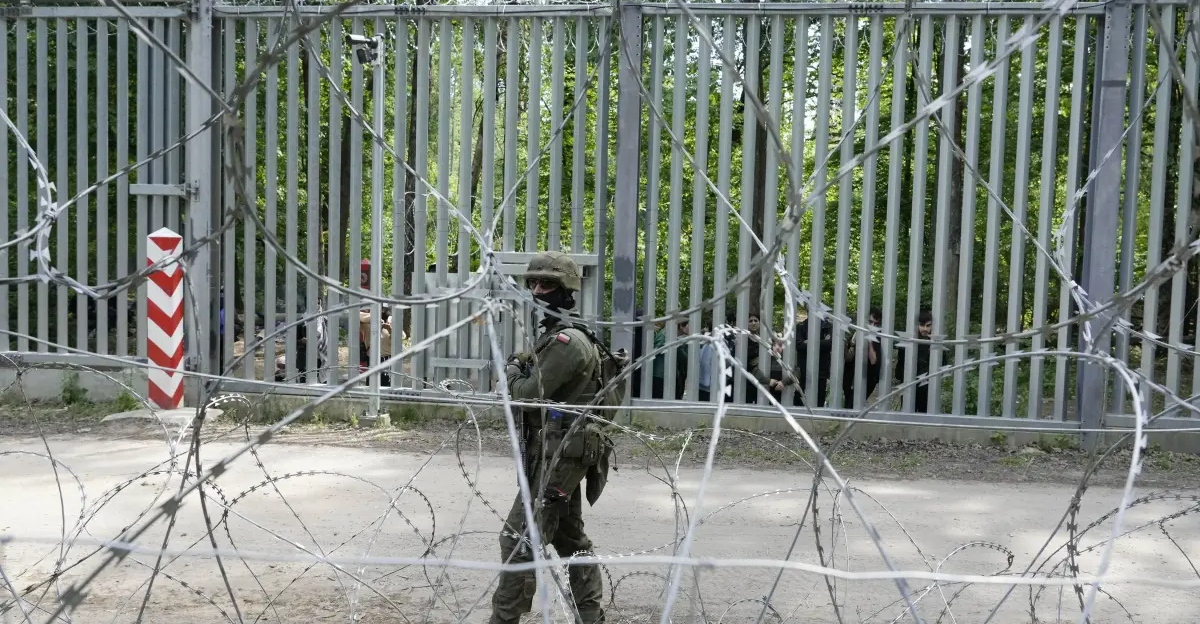
Poland and Romania have become pivotal frontline states in the face of a surge in sabotage targeting European Union infrastructure. In recent months, Polish authorities detained 55 individuals linked to Russian intelligence, underscoring a broader campaign by Moscow to destabilize EU nations supporting Ukraine. Parcel bombs are just one tactic in Russia’s evolving arsenal, which also includes arson, cyberattacks, and espionage. Officials warn that logistics networks—essential for military and humanitarian aid—are increasingly vulnerable, with parcel bomb incidents involving major carriers like DHL and DPD in 2024 serving as test runs for larger attacks.
The strategic importance of Poland as a transit corridor for aid to Ukraine has made it a prime target. Security services have intensified cross-border cooperation with Romania, the Baltic states, and the Czech Republic to counter these threats. “Russian special services are constantly active. Poland is on the front line,” said Jacek Dobrzyński, Poland’s Special Services Coordinator, emphasizing the persistent nature of these operations and their focus on recruiting vulnerable individuals, including Ukrainian and Belarusian refugees.
Unveiling the Plot
The operation came to light on October 15-16, 2025, when Polish and Romanian authorities uncovered a plot involving three Ukrainian nationals allegedly working with Russian intelligence. These individuals were apprehended while attempting to transport explosive parcels engineered to ignite or detonate during transit, posing a grave risk to civilians and infrastructure. Prosecutors stated that the goal was to instill fear and destabilize nations supporting Ukraine.
The intercepted packages targeted key logistics points, including a Nova Post sorting facility in Bucharest. Romanian authorities detained two suspects in the capital, while a third was captured near Warsaw. The rapid response prevented potential mass casualties and significant disruption of vital supply channels. As investigations continue, the implications for public safety and regional stability remain a pressing concern for policymakers.
Human Impact and Security Response
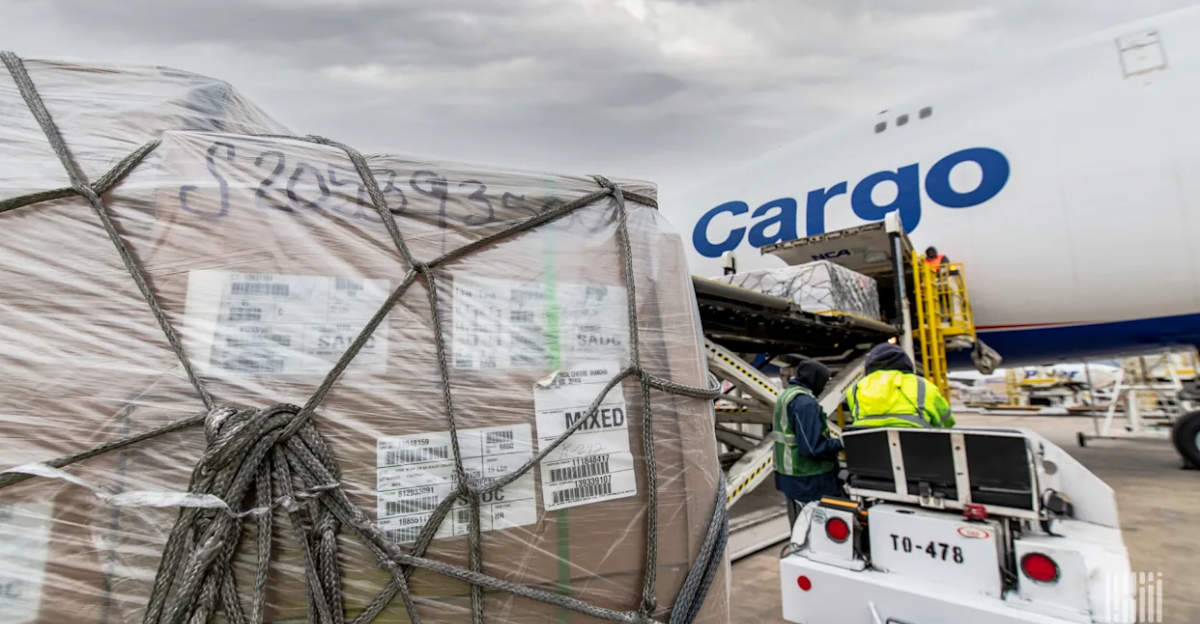
The threat of sabotage has had a direct impact on local communities, particularly among refugees from Ukraine. Polish authorities have responded by distributing informational materials at border crossings to educate potential targets and encourage vigilance. Logistics workers and franchisees in Poland and Romania report heightened anxiety and frustration, citing the psychological toll of operating under constant threat.
Major logistics companies, including DHL and DPD, have strengthened collaboration with national security agencies to identify suspicious shipments. Industry leaders are calling for robust international intelligence cooperation to secure supply chains. “The incident has intensified discussions around the need for comprehensive security measures aimed at safeguarding logistics infrastructures across Europe,” said a spokesperson for a leading logistics firm.
Global Context and Regional Fallout

The expansion of Moscow’s intelligence network throughout Central and Eastern Europe poses serious risks to critical logistics routes, energy facilities, and military capabilities within NATO member states. Ongoing investigations into espionage and sabotage reflect a broader pattern of Russian “active measures” designed to destabilize the region. NATO has increased surveillance and reconnaissance operations along Eastern European borders, providing intelligence support and conducting joint exercises to enhance readiness.
Globally, nations are reevaluating their security frameworks in light of Russia’s escalating covert operations. Analysts warn that tactics pioneered in Eastern Europe could inspire similar methodologies elsewhere, potentially leading to widespread geopolitical instability. International collaborations focused on intelligence sharing and defense capability building are becoming increasingly critical.
Looking Forward
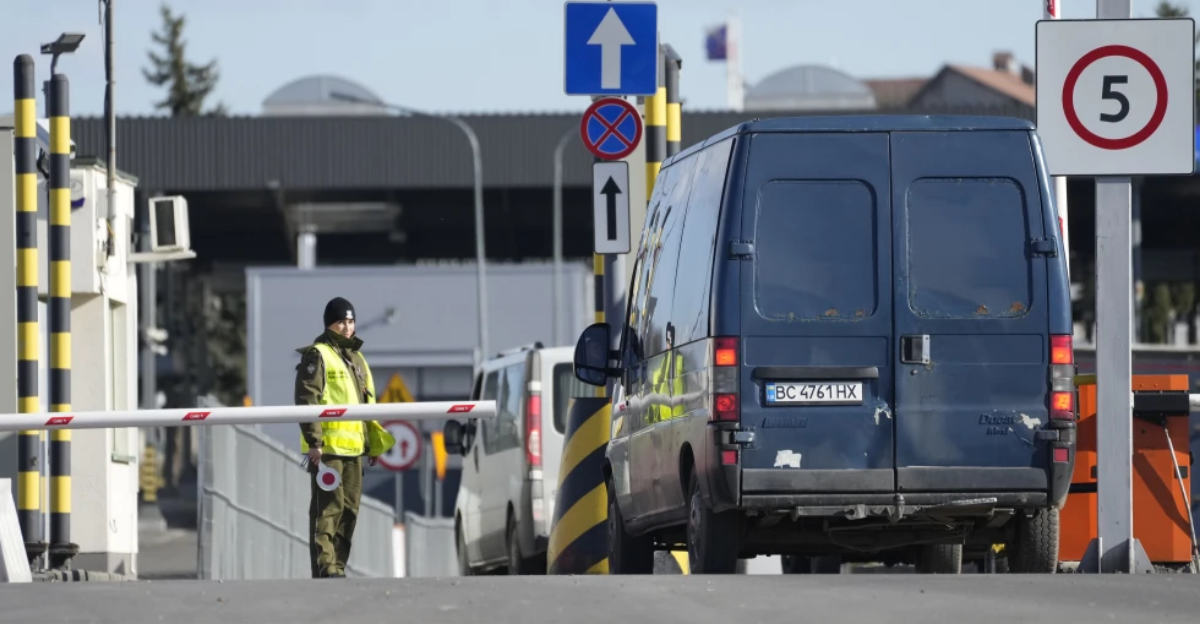
As Poland and Romania confront the complexities of modern hybrid warfare, the lessons learned from thwarted operations are shaping future security strategies. Local authorities, supported by international partners, continue efforts to secure logistics networks and bolster community resilience. The evolving threat landscape demands ongoing adaptation and collaboration to counter covert tactics aimed at destabilizing nations.
With regional cooperation and vigilance, Eastern Europe remains determined to protect its infrastructure and communities. The stakes are high, and the path forward will require resilience, unity, and innovative responses to safeguard democracy against emerging threats.