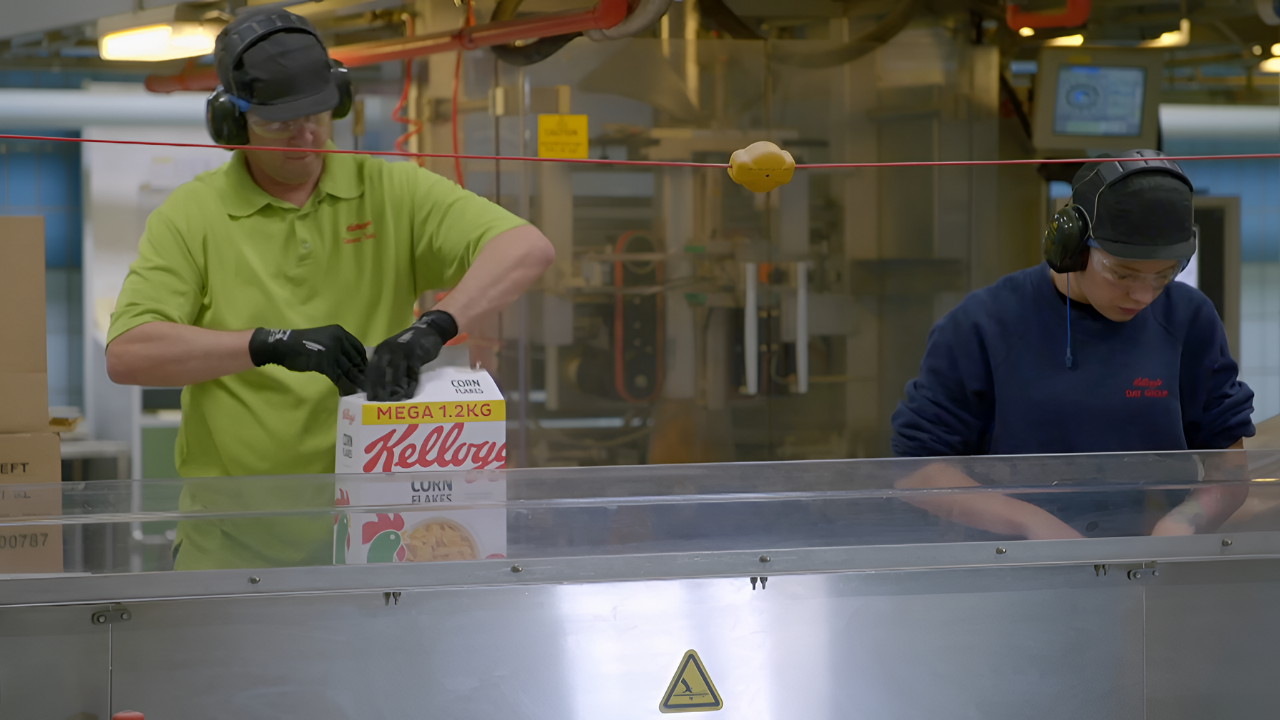
American factories are expected to shed workers rapidly through 2025. Between April and November, 67,000 manufacturing jobs disappeared.
The sector contracted for five straight months in September, losing 6,000 jobs. Michigan’s manufacturing employment dropped 1.5% by August.
The state has lost 6,300 factory jobs since February. Battle Creek, famous for breakfast cereals, now faces an uncertain economic future as its signature industry shrinks.
Trade Tensions

Tariffs imposed throughout 2025 put pressure on American manufacturers with thin profit margins. The Trump administration levied taxes ranging from 10% to 145% on imported goods.
Steel and aluminum tariffs hit 50%. More than 75% of manufacturers surveyed said trade uncertainty was their top concern.
Aluminum prices increased by 10.3% year-over-year due to tariffs. Small manufacturers struggled to absorb the rising costs of packaging.
Cereal City Legacy
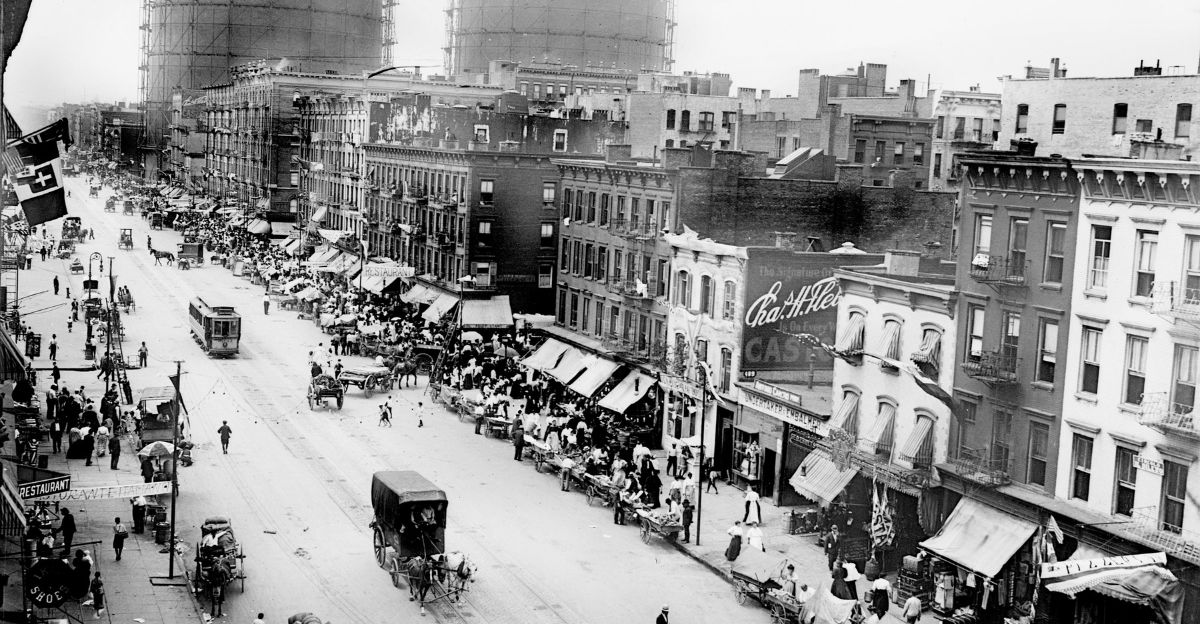
Battle Creek earned the nickname “Cereal City” when two rivals launched breakfast cereal companies there. W.K. Kellogg and C.W. Post drew inspiration from the Battle Creek Sanitarium.
The facility served experimental grain-based foods in the 1890s. Post founded his company in 1895. Kellogg followed in 1906.
By 1910, dozens of cereal startups existed, but only the giants survived. Battle Creek defined itself through breakfast for 130 years.
Changing Appetites

Generation Z consumers fundamentally changed breakfast habits. Americans bought 2.5 billion cereal boxes in 2021.
That dropped 13% to 2.1 billion by 2024. Gen Z favored protein options like Greek yogurt and overnight oats. YouGov polling showed 55% of those aged 16-34 skip breakfast entirely.
Cereal makers faced a 25-year decline that they could not reverse solely through new products.
Battle Creek Blow

Post Consumer Brands will permanently eliminate 71 jobs at Battle Creek, effective January 8, 2026. The Worker Adjustment and Retraining Notification Act filing confirms the decision.
The company stops making Honeycomb cereal, all peanut butter products, and select granola lines at the 275 Cliff Street plant.
Thirty workers hold production support roles. Local 374 union members lose jobs. Separations occur over 14 days.
Regional Ripple

Battle Creek’s unemployment rate jumped to 7.4% in July 2025, the sharpest increase among Michigan metro areas. It dropped to 5.1% by September.
The region’s manufacturing sector shrank 3.9% year-over-year through mid-2025. Total employment in Battle Creek stood at 61,112 people in September, significantly below the peak of 68,873 reached in June 2001.
The post-layoff stress is compounded by Ferrero’s acquisition of WK Kellogg Co. in October 2025.
Workers’ Uncertainty

Workers in Battle Creek face limited job options in a shrinking manufacturing sector. Local 374 leadership received formal notice but has little leverage over permanent closures.
Union rules govern job bumping rights. Many workers operated equipment for specific product lines, such as Honeycomb. These skills transfer poorly elsewhere.
The post said that some workers might move to other company plants. The firm closed plants in Ontario and Nevada, resulting in the elimination of an additional 300 jobs.
Tariff Toll Elsewhere
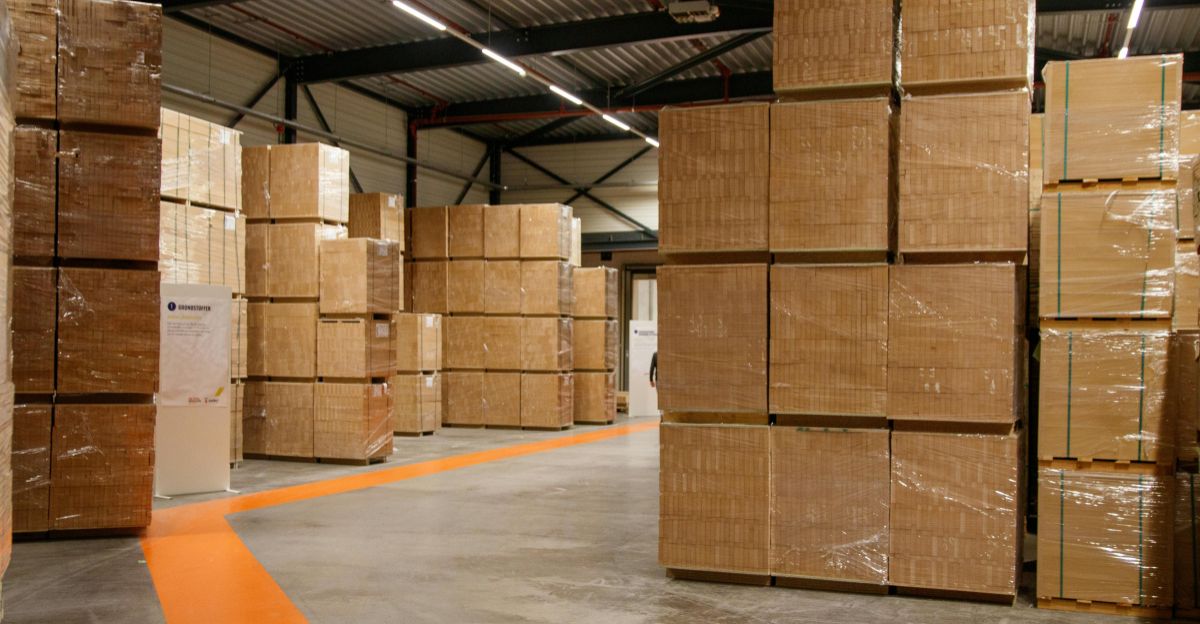
Post Consumer Brands cited declining demand, not tariffs, as the reason for Battle Creek cuts. The broader food manufacturing sector absorbed large tariff-related cost increases throughout 2025.
Steel and aluminum tariffs raised packaging expenses. Aluminum prices climbed 10.3% year-over-year because of 50% tariffs. Food makers faced a choice: absorb costs or raise prices.
Auto supplier Stellantis cut 900 workers in April 2025, explicitly blaming tariffs.
Industry Contraction
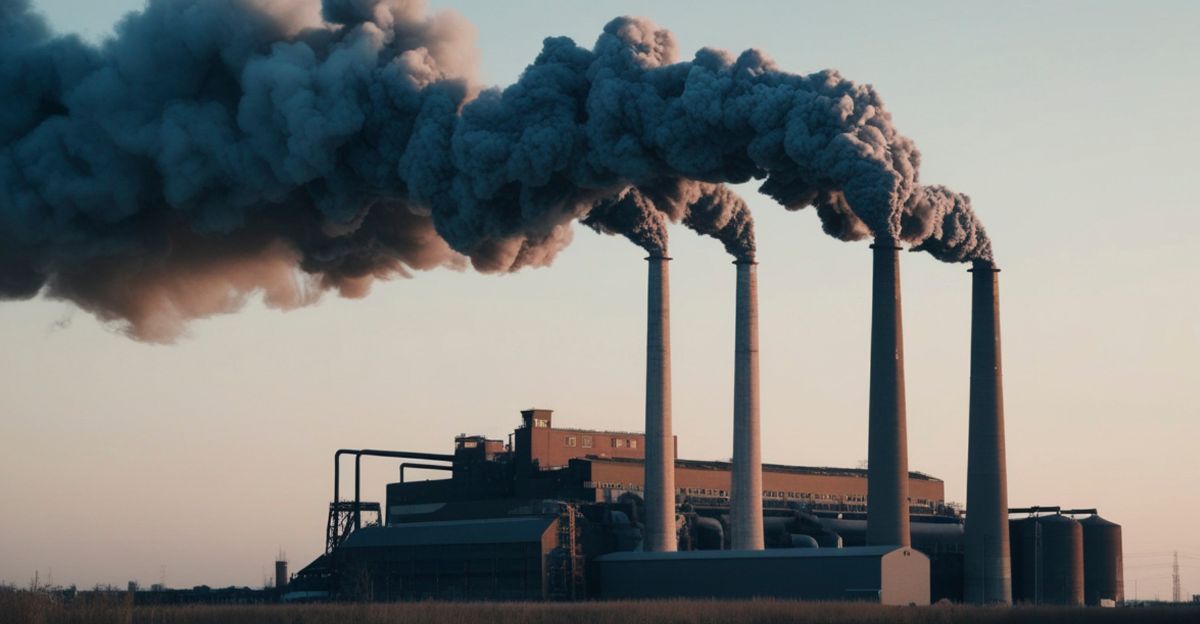
Post Consumer Brands cut excess capacity throughout 2025. In April, it announced plant closures in Ontario and Nevada. Those moves cut 300 jobs and save $21-23 million annually starting in fiscal 2026.
CEO Nicolas Catoggio said, “The ready-to-eat cereal category continues to decline. We are reducing excess manufacturing capacity and optimizing our plant network.”
Post expected to spend $63.5-67.5 million on consolidation. Company cereal volumes dropped 2.3%.
Missing Link

Post Consumer Brands did not mention tariffs in WARN filings, statements, or media interviews about the Battle Creek closure. The company blamed one factor: declining consumer demand for cereal over two decades.
Post-COO Jeff Zadoks told analysts that small brands with premium ingredients have taken market share. Large manufacturers like Post struggle to make small batches profitably.
The post announced Ontario and Nevada closures in April, using the same message. Tariffs did not cause these layoffs.
Honeycomb’s Fall

Honeycomb cereal represents Post’s struggle to appeal to young consumers. The brand launched in 1965 with a “big yeah yeah yeah” jingle.
It sold well for 40 years as a unique, honey-flavored corn cereal. Post changed the formula in 2006 to add fiber. Consumers hated it.
In 2007, Post released an “improved taste” version that also failed. Post tried strawberry, chocolate, and cinnamon flavors instead of reverting to the original. The brand never recovered.
Ownership Shifts

Post’s structure moved decision-making away from Battle Creek interests. Philip Morris bought the company in 1985. It became part of Kraft General Foods.
Post Holdings Inc. eventually emerged as an independent firm headquartered in St. Louis, Missouri. The Post Consumer Brands division is one segment of Post Holdings’ $7.9 billion revenue portfolio.
Other brands include Weetabix, Michael Foods, and Bob Evans Farms. Analysts called the 2025 closures financially smart.
Innovation Attempts

Post Consumer Brands attempted to reverse the decline in cereal sales through the introduction of new products. It launched a chocolate flavor of Honey Bunches of Oats.
The company watched startup brands like Magic Spoon, which pack 12 grams of protein per serving. Post-COO Zadoks admitted that large manufacturers struggle: “We are not set up for small-run products, so margins are really difficult.”
Post ran campaigns with actor Terry Crews for “Big Honey” in 2024. Yet innovation failed against dietary shifts.
Skeptical Outlook

Industry experts doubt cereal makers can turn things around without major changes. Euromonitor analyst Tom Rees said cereal “cannot escape the fact that it doesn’t look like natural food.” Consumers want simplified ingredient lists.
Intermittent fasting among 55% of people ages 16-34 threatens breakfast itself. YouGov analyst Kenton Barello noted that younger generations eat breakfast differently.
Some analysts suggest repositioning cereal as a snack. Post appeared unwilling to invest in such changes while closing plants.
Cereal City’s Crossroads

Battle Creek faces an identity crisis as the cereal industry has declined for 130 years. Ferrero acquired WK Kellogg Co. in October 2025, keeping 850 jobs.
City leaders wonder how long that commitment will last if sales continue to fall. Post still operates the Battle Creek plant but has cut three product lines and laid off 71 workers.
The former Kellogg’s Cereal City USA museum closed in 2007, having drawn only 75,500 annual visitors. Can Battle Creek reinvent itself?
Sources:
- Bridge Michigan, Battle Creek faces life after Cereal City following Kellogg sale, 5 Dec 2025
- Food Dive, Post to shutter 2 plants cut 300 jobs as cereal category struggles, 9 Apr 2025
- Michigan Department of Labor and Economic Opportunity WARN database, Notice of Employee Separations at Post Consumer Brands, 31 Oct 2025
- Bakery and Snacks, Who killed the cereal bowl Breakfast isn’t what it used to be, 21 Apr 2025
- Food Dive, Post Holdings sees cereal demand dip as Gen Z seeks healthier better-for-you alternatives, 10 Feb 2025
- Fortune, How Gen Z killed cereal They are going about breakfast in a different way, 13 Jul 2025