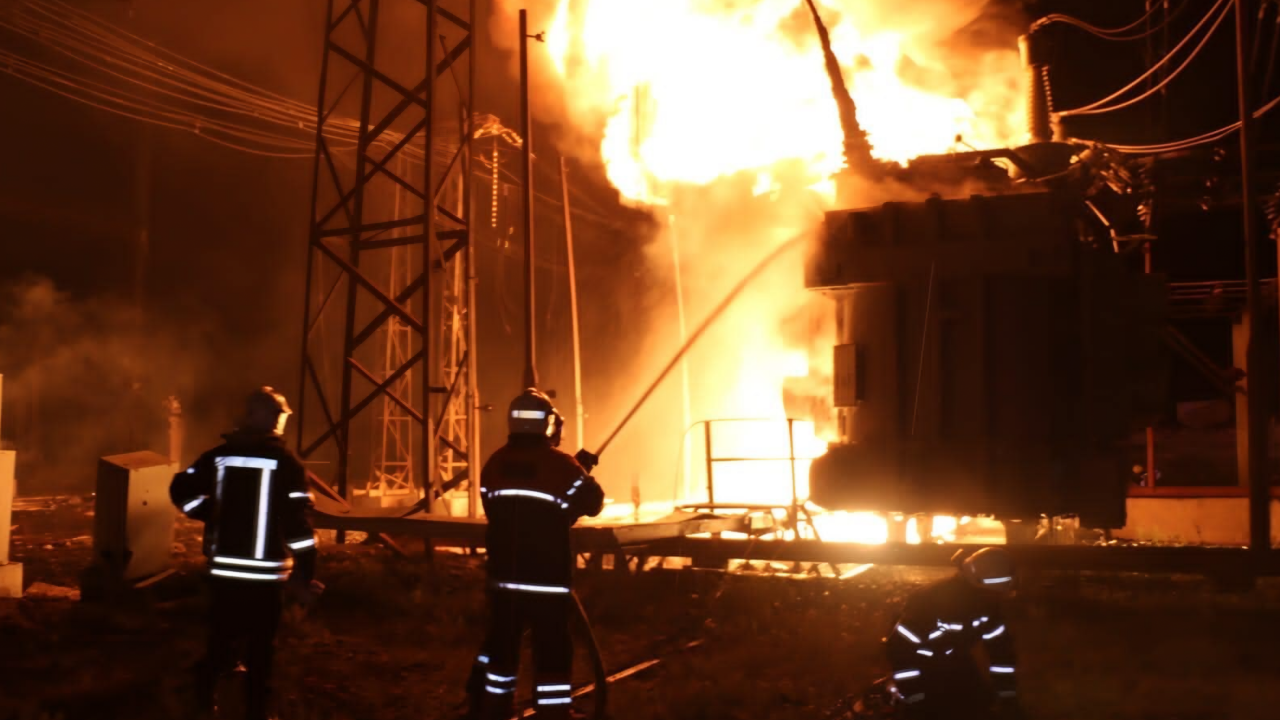
On a freezing January night, Ukraine’s drones hit Russia’s western frontier with coordinated fury. Multiple thermal power plants were targeted across the border, creating destruction.
Officials called the worst power failure the region had seen in nearly four years of war. Energy warfare was escalating. It has now reached millions of civilians. Previous military operations had never touched so many innocent people in the region.
Cascade of Darkness
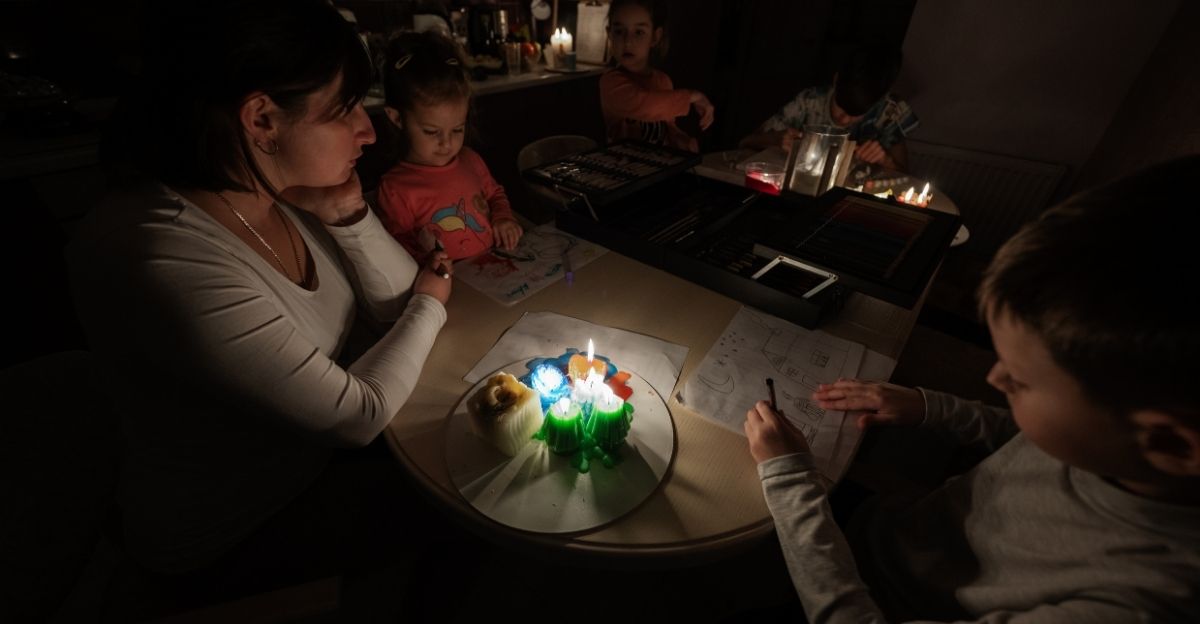
Within hours, an entire region lost power. Telecommunications networks failed as power substations collapsed one by one. Homes lost electricity. Hospitals struggled without power. Water treatment facilities shut down.
Emergency services fought to stay operational. Ukraine had shifted tactics. Random strikes were replaced by coordinated attacks on Russian energy infrastructure deep inside Russian territory. The strikes showed civilian power systems were extremely vulnerable during peak winter demand.
The Energy War Escalates
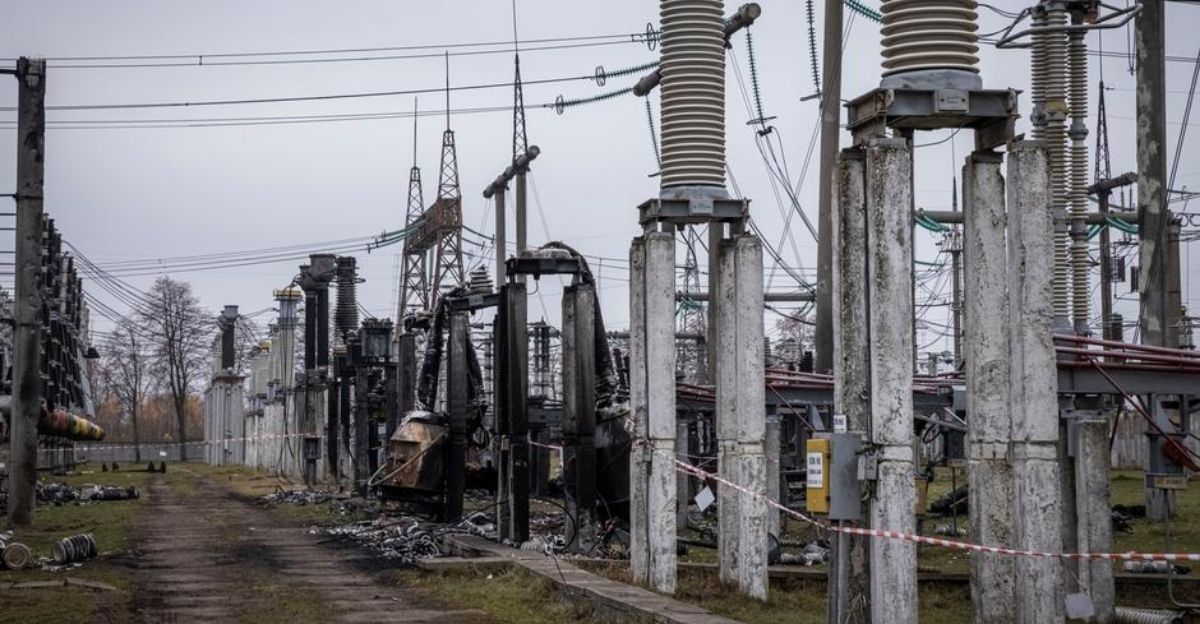
Ukraine’s attacks on Russian energy infrastructure had been building for months. January strikes marked a major change in tactics. Russia has fired missiles at Ukrainian power generation since 2022.
Those attacks forced rolling blackouts. Civilians froze and died from the cold. Now, Ukraine has better long-range drone capabilities. Thermal power plants supplying electricity to Russian military staging areas and logistics centers were hit hard by Ukrainian drones.
Winter as Weapon
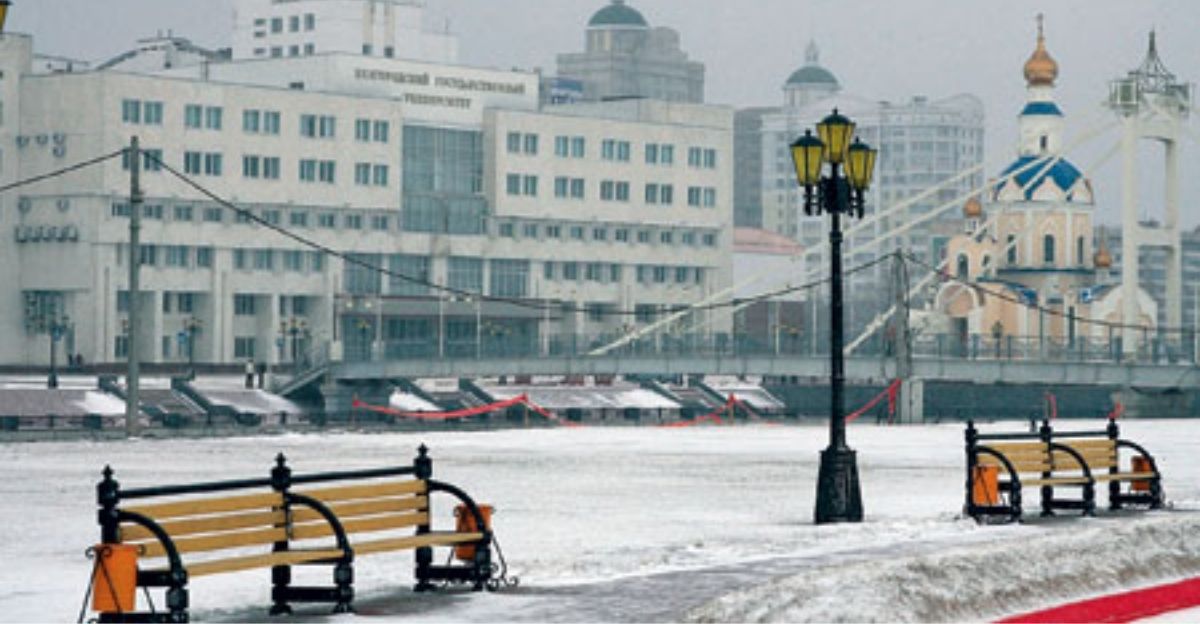
Timing made the damage far worse. January temperatures in Belgorod fell to minus 0 degrees Fahrenheit at night. Daytime highs reached around 12 degrees Fahrenheit. Power loss meant heating systems froze. Water pipes burst from the cold. Industrial operations halted.
Psychological damage struck civilians already traumatized by nearly four years of cross-border bombardment. The civilian population faced both physical and mental agony from the extended darkness and extreme cold temperatures.
600,000 Left Without Power
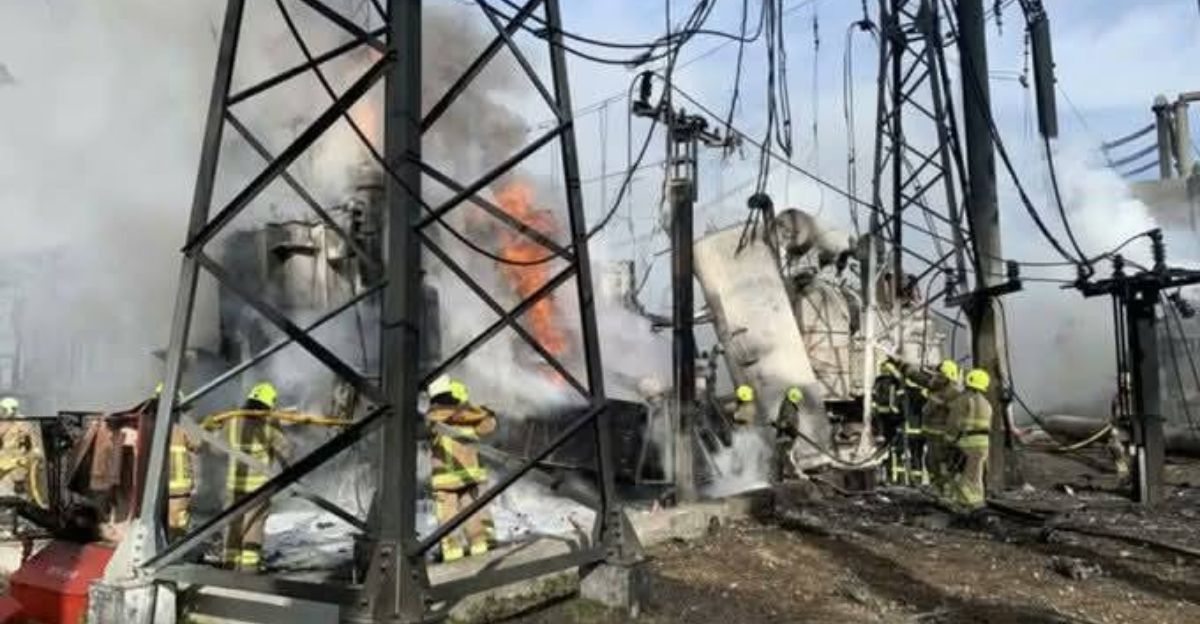
On the night of January 8-9, 2026, Ukrainian drones struck the Luch thermal power station and Storozhevaya substation in Belgorod Oblast. By morning, roughly 600,000 residents had lost electricity, heating, and water. Governor Vyacheslav Gladkov confirmed numbers: 600,000 without power and heating.
Around 200,000 people lost water access. More than 60 percent of cellular base stations were knocked out of service. The region had not seen anything like this since the war began.
Life Without Light
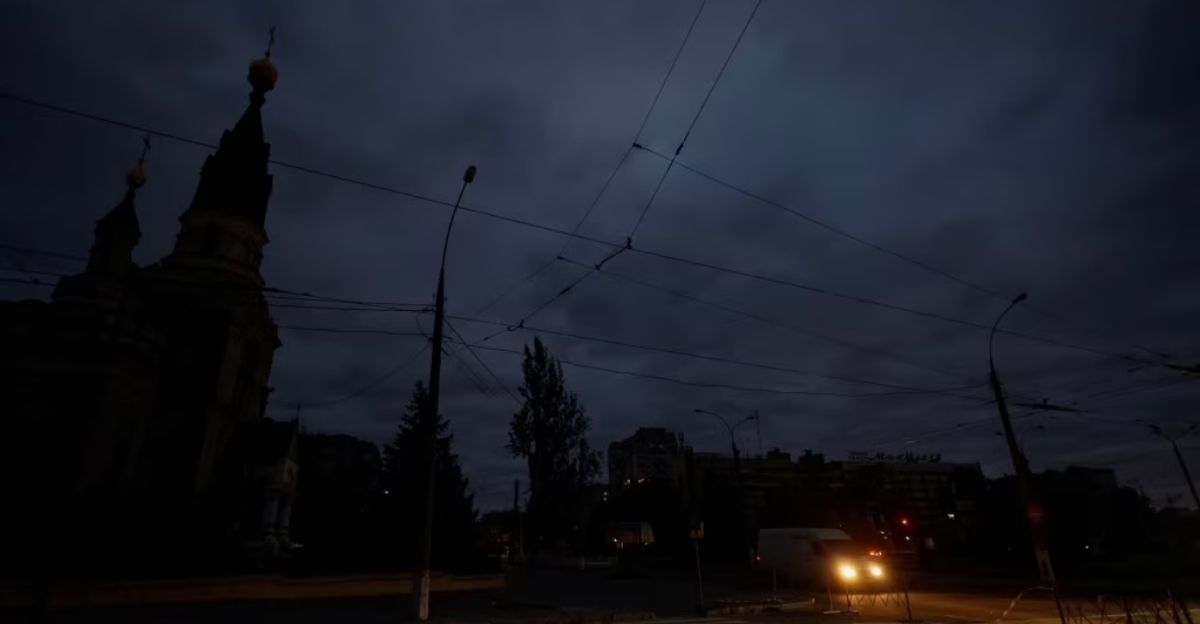
Residents felt shocked by the total blackout in mid-winter. Reuters camera crews filmed completely dark streets. People used car headlights and handheld flashlights to navigate. One Belgorod resident told The Moscow Times: “Everyone I know suffered from electricity, heating, and water outages.
Panic spread among the people. Fear gripped the population because nothing this severe had ever occurred before.” Emotional pain matched the physical suffering from the lack of heat or light during freezing nights.
Breaking Point for Authorities
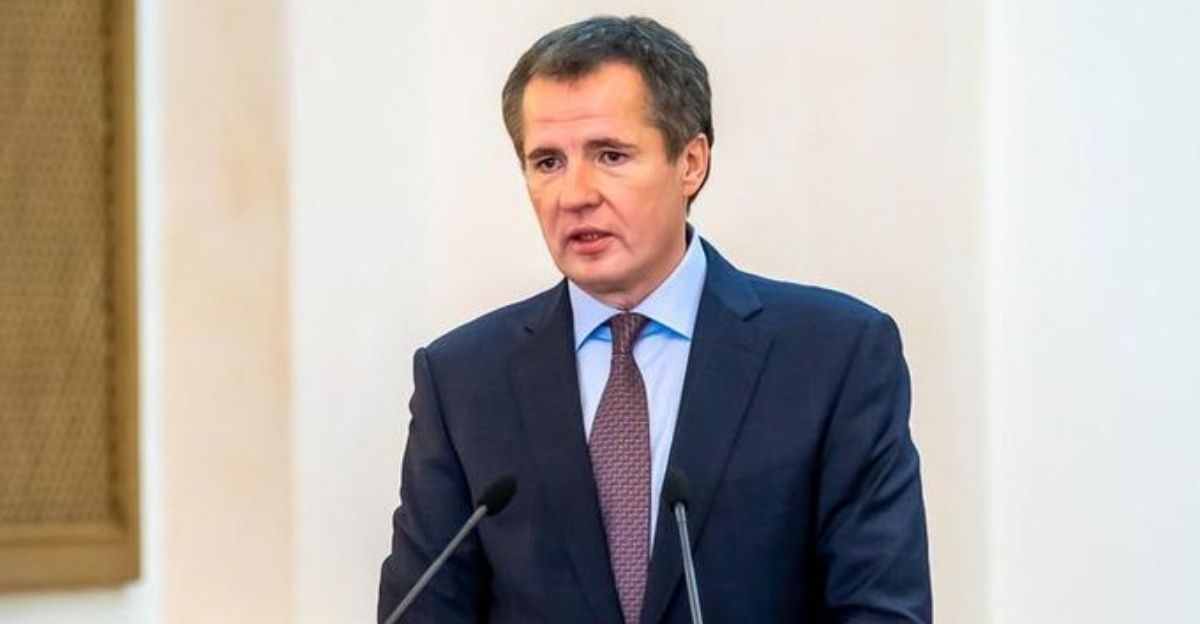
Governor Gladkov’s response demonstrated the seriousness of the situation. Backup generators alone could not restore full power to homes and industrial plants. He suggested residents relocate to other regions if they could afford travel costs.
This marked an extraordinary moment. A regional official admitted his government could not guarantee basic utilities to its own population. Such admissions revealed catastrophic failure on the government’s part.
The Oryol Plant Burns
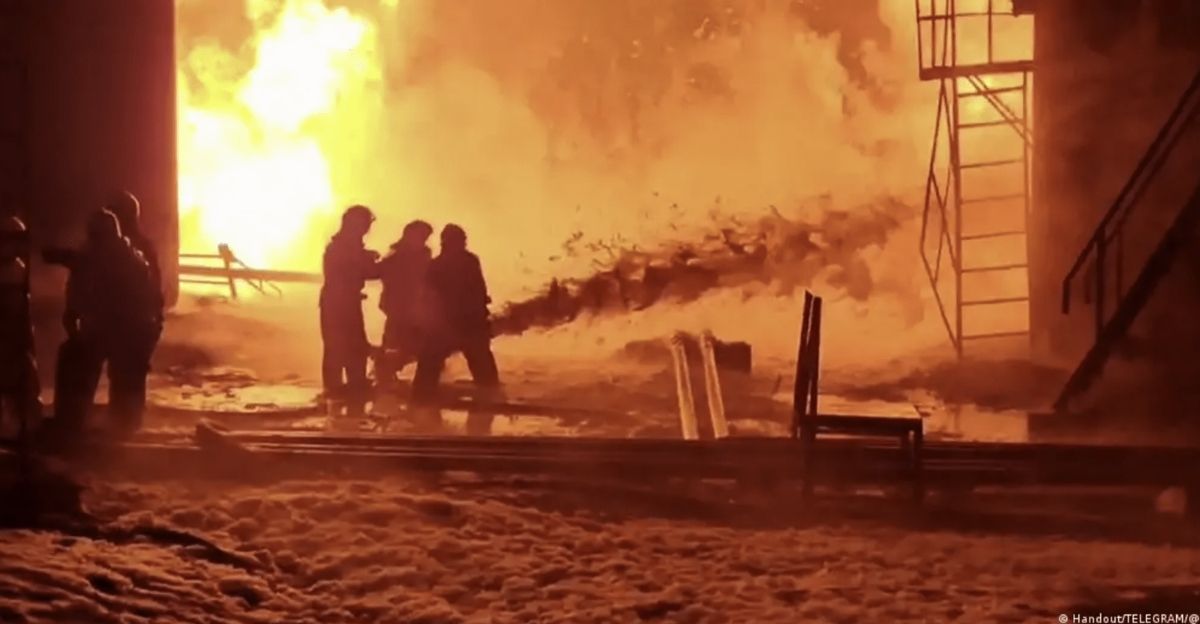
Days later, Ukrainian drones struck again. The target was the Oryol thermal power plant deep in central Russia. Footage recorded massive fires at the facility. Flames and smoke became visible across the entire region.
Russian sources confirmed: “Something hit the Oryol thermal power plant. It’s on fire.” Coordinated drone attacks were showing Ukraine could now hit multiple targets across Russian territory. Moscow found itself defending hundreds of miles of critical infrastructure.
Economic Paralysis Sets In
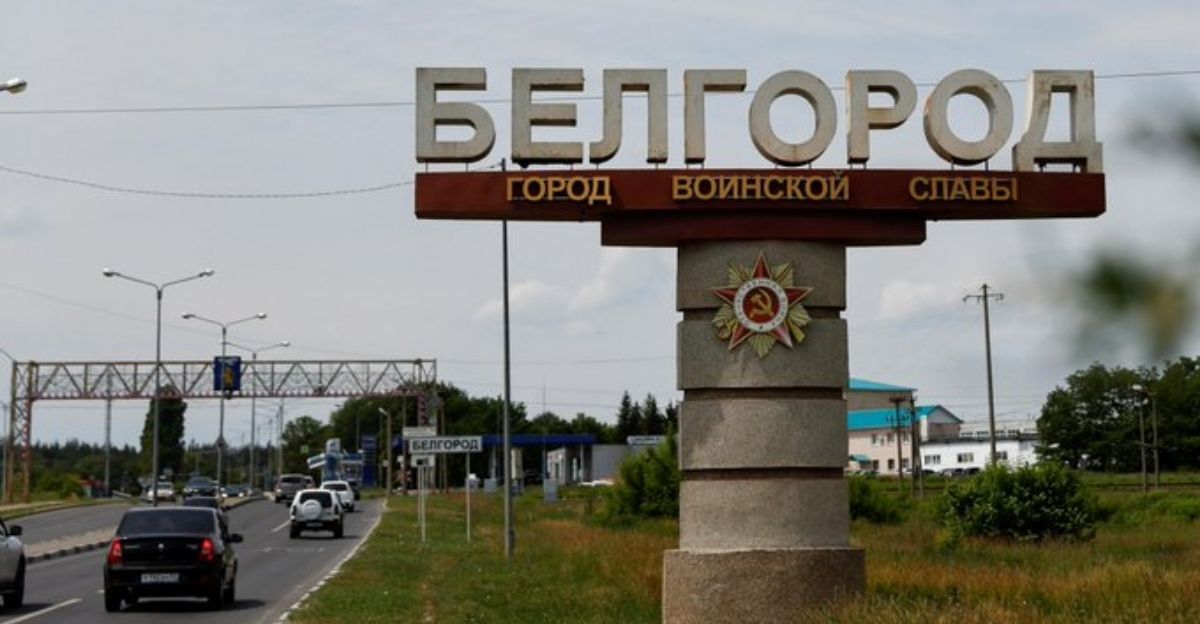
Power remained unavailable for multiple days. Economic damage spread rapidly. Shopping centers announced closures and reduced hours. Officials ordered more than 60 industrial enterprises to cut operations to eight hours daily.
These operations ran from midnight to 8 a.m. only. Managers made this decision to reduce pressure on emergency backup generators. Supply chains feeding the war effort from this region broke down and became dysfunctional across the entire region.
Communications Collapse

Most observers missed a secondary disaster. Mobile networks failed across the region. Minister Sergei Chetverikov reported that more than 60 percent of cellular base stations went offline. This was not just inconvenient. It created a complete communications blackout. Residents could not call for help.
They could not coordinate evacuation efforts. Emergency services became unreachable to people needing assistance. The grid failure transformed into a compounding systems failure. The region became partially isolated from the outside world and help.
Public Fury at Missed Preparation
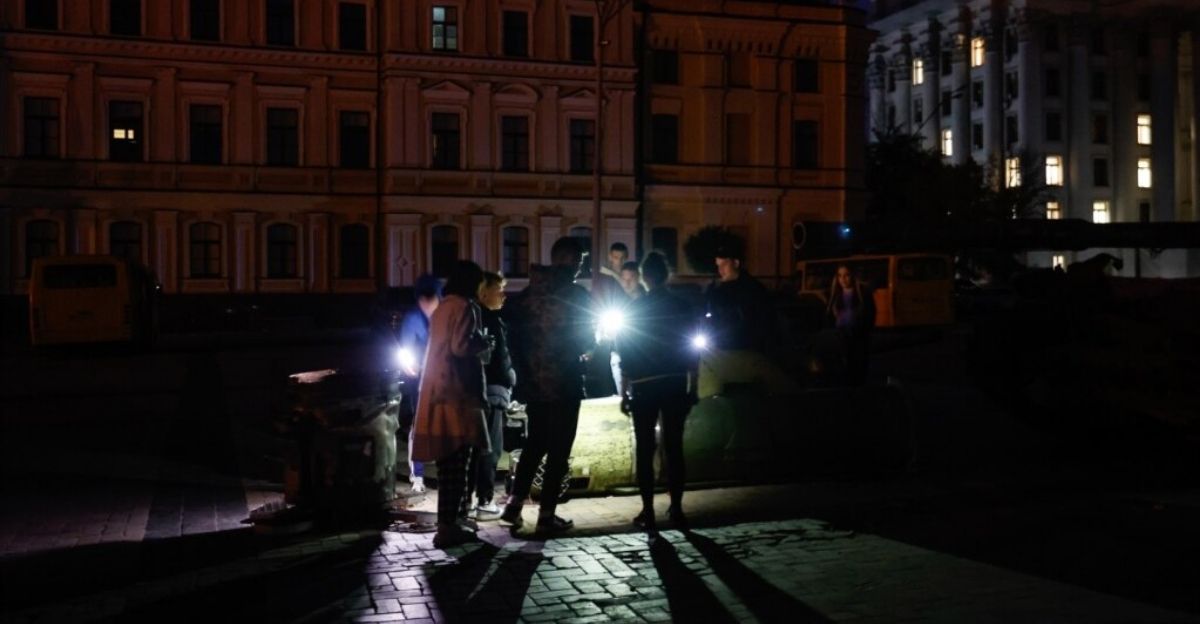
Social media erupted with anger at Governor Gladkov. Residents demanded to know why the region had not been better protected. They questioned why authorities suggested residents buy their own generators instead of hardening critical infrastructure.
One woman posted: “No electricity since Jan. 9. Rosseti repairs, but people rely on electric boilers for heating. What do residents do if heating systems freeze?” Raw frustration focused on perceived government failures and negligence.
A Broader Pattern Emerges
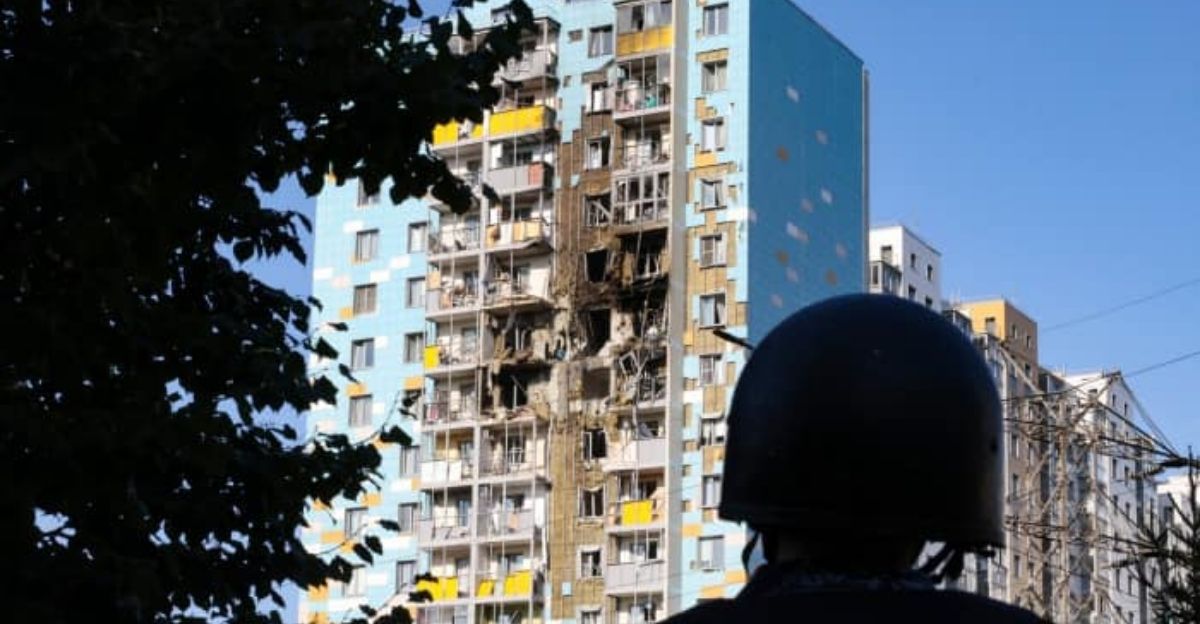
This was not a single isolated incident. Ukrainian drones struck multiple Russian regions that same night. Thermal power plants in Rostov took a hit. The pattern repeated in Oryol. Russia’s Defense Ministry reported stopping 11 Ukrainian drones in one night.
However, officials acknowledged that some targets still sustained damage. Every successful hit damaged the Russian air defense’s credibility. Ukraine demonstrated it could maintain pressure on Russian rear areas. This campaign would continue unabated.
Ukraine’s Counteroffensive Strategy
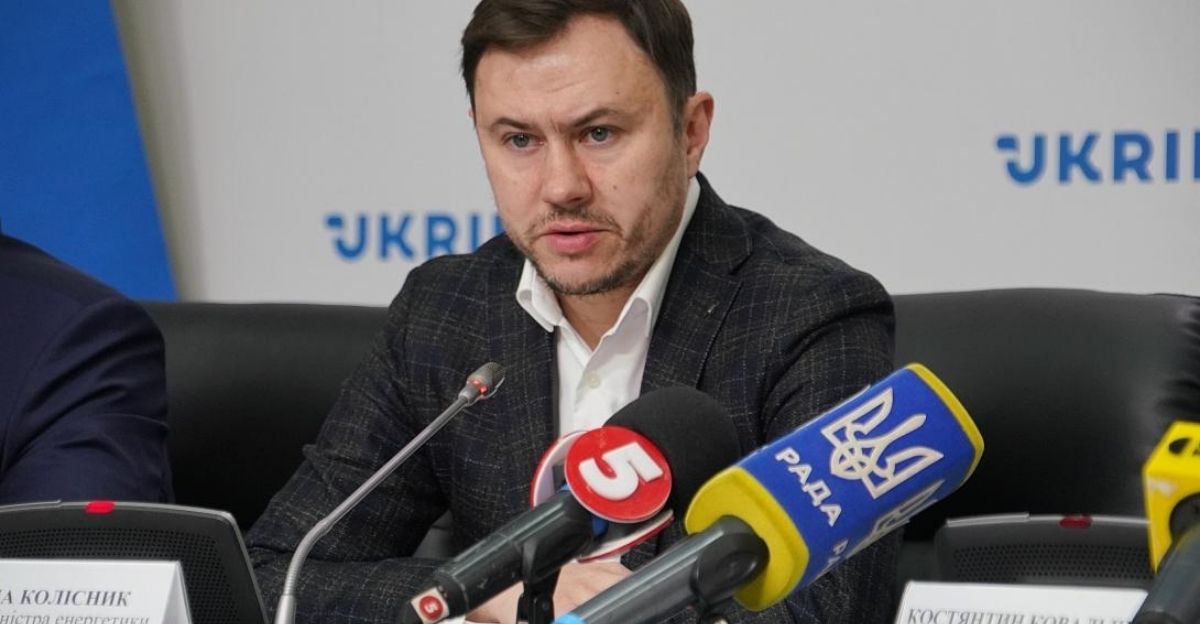
Ukrainian officials did not hide their intentions. Deputy Energy Minister Mykola Kolisnyk said on January 13: “Russia attacked just five days after the previous bombardment. Drones and ballistic missiles were deployed.
The enemy uses all available forces. Ukraine’s energy infrastructure is being destroyed.” Ukraine’s response was calculated. If Russia could freeze Ukraine, then Ukraine would freeze Russia. The nation decided to strike the military logistics backbone supplying the Russian war efforts in the western regions.
Vulnerability Exposed
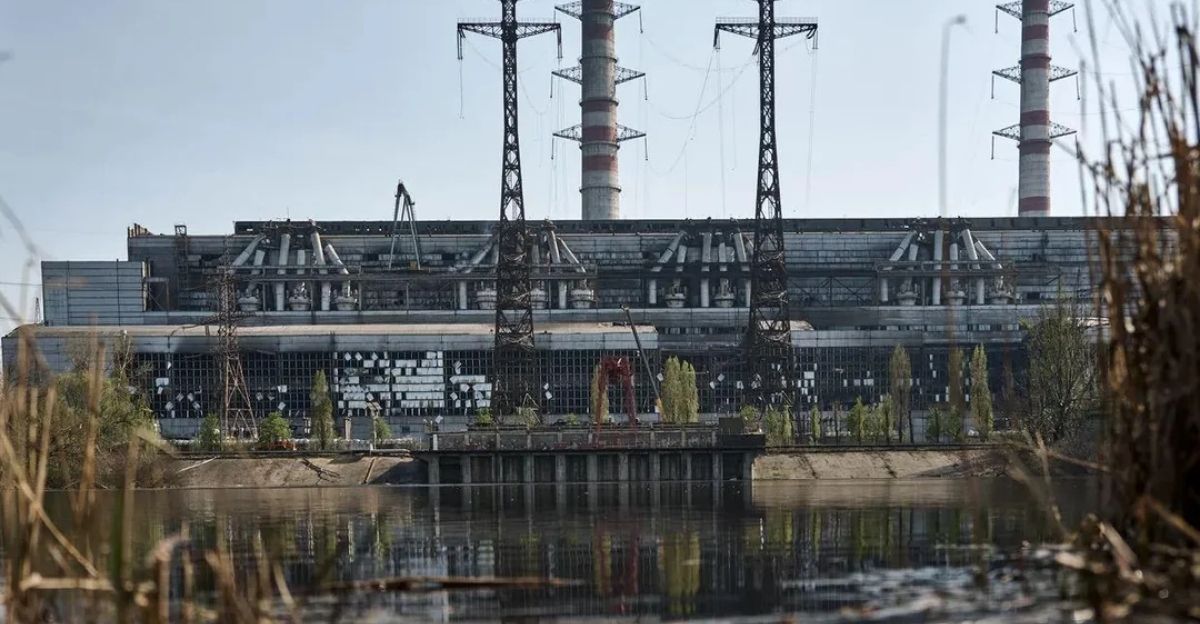
Military experts noted that Russian thermal power plants lacked modern air defense systems. Older Soviet-era facilities were especially vulnerable. These plants were built to generate electricity, not survive aerial attacks. Military bases received hardened protection and camouflage.
Power plants received neither. Ukraine had found a structural weakness in Russian war capability. The power grid supplying military operations was exposed and extremely difficult to defend. Hundreds of miles of territory required protection. Defense resources are stretched too thin.
Winter’s Reckoning
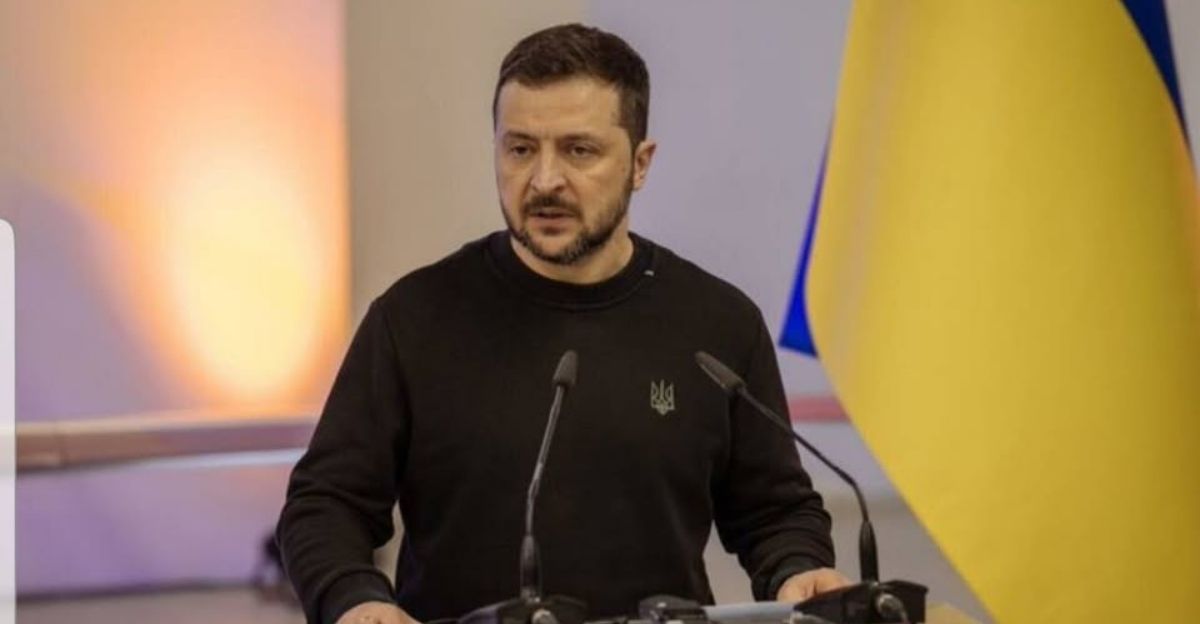
As January deepened, temperatures stayed near minus 0 degrees Fahrenheit. Residents faced a haunting question: Would power return before the cold became deadly? President Zelensky accused Moscow of “using cold weather as a tool of terror.” However, Ukraine was now using the same weapon.
The energy war fundamentally changed the conflict. Millions of civilians felt the impact. Neither side could claim moral high ground. Both had weaponized winter itself for military gain against civilian populations.
Sources:
The Moscow Times, Belgorod Region Reels From Largest Power Outage of Ukraine War, Jan. 12, 2026
Ukrainska Pravda, Third day of power outages in Russia’s Belgorod Oblast, Jan. 12, 2026
Reuters, Governor of Russia’s Belgorod region says 600,000 without power, heat or water after Ukrainian strike, Jan. 10, 2026
Brookings Institution, Ukraine’s energy sector is a key battleground in the war with Russia, Mar. 2025
Newsukraine.rbc.ua, Russia’s Oryol thermal power plant attacked by drones, Jan. 12, 2026
Atlantic Council, Putin is weaponizing winter as Russia tries to freeze Ukraine into submission, Jan. 13, 2026