` 60-Ton Oil Tanks Burn as Ukraine's Strike Ignites Largest Oil Fire in Years​ - Russia's Supply Crippled - Ruckus Factory

60-Ton Oil Tanks Burn as Ukraine’s Strike Ignites Largest Oil Fire in Years​ – Russia’s Supply Crippled

Malin – Facebook

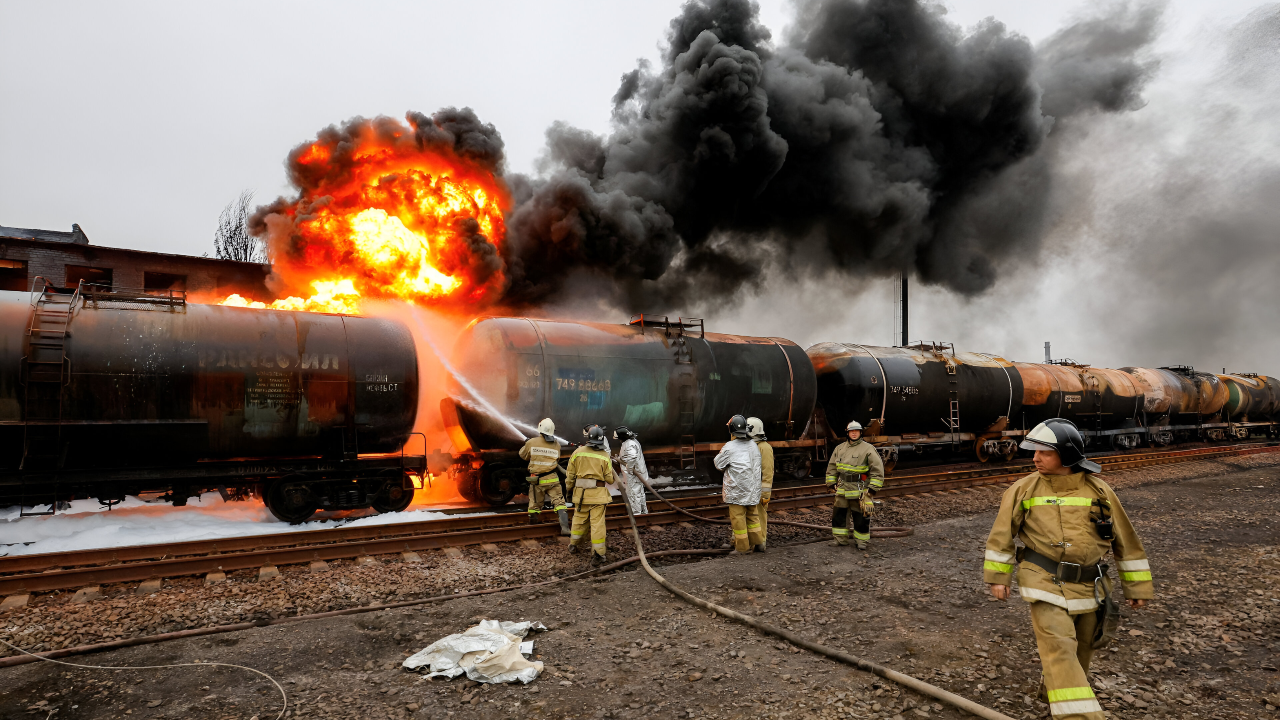
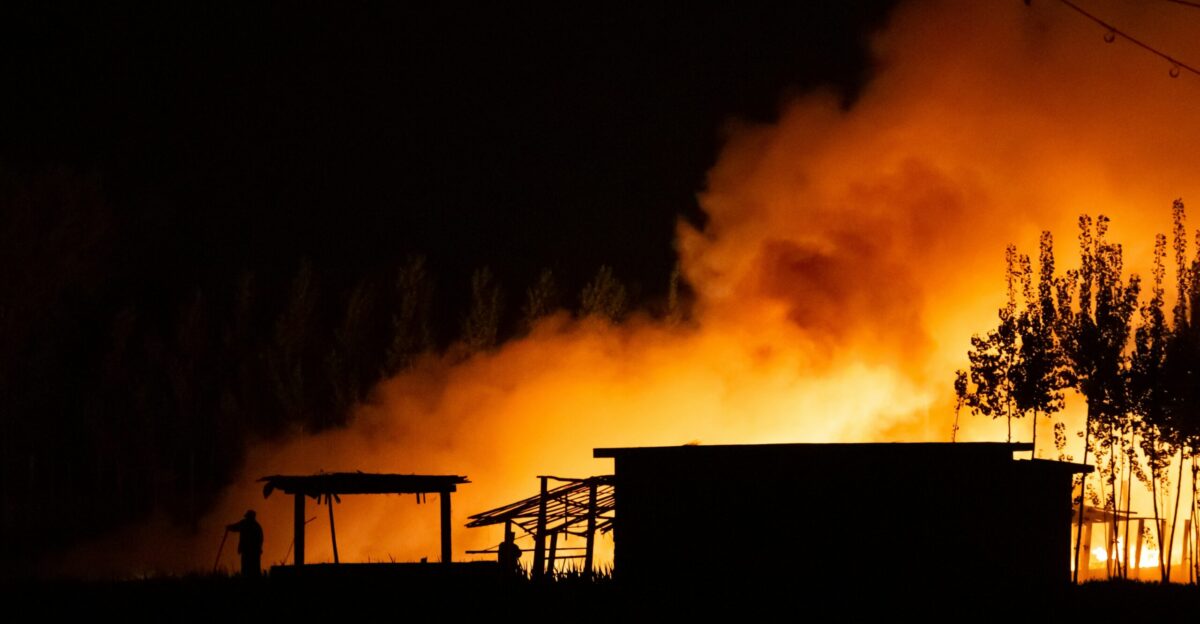
Explosions. Fire. Then silence. On November 2, 2025, at nearly 8 p.m. local time, Ukrainian forces struck a critical oil depot in Russian-occupied Shakhtarsk, and what happened next shattered the darkness above the Donetsk region. Massive fuel tanks—60-ton containers holding precious supplies for Russia’s occupying forces—erupted in cascading blasts that lit the sky like a second dawn.

The glow is visible from kilometers away. The smoke rolled across the occupied territory. This was Ukraine’s third direct hit on the same facility since 2022, and each time Russia rebuilt it, Ukraine came back.

Powerful Blasts Rock Fuel Storage
a large plume of smoke billowing out of the sky
Photo by Jerney Pompe on Unsplash

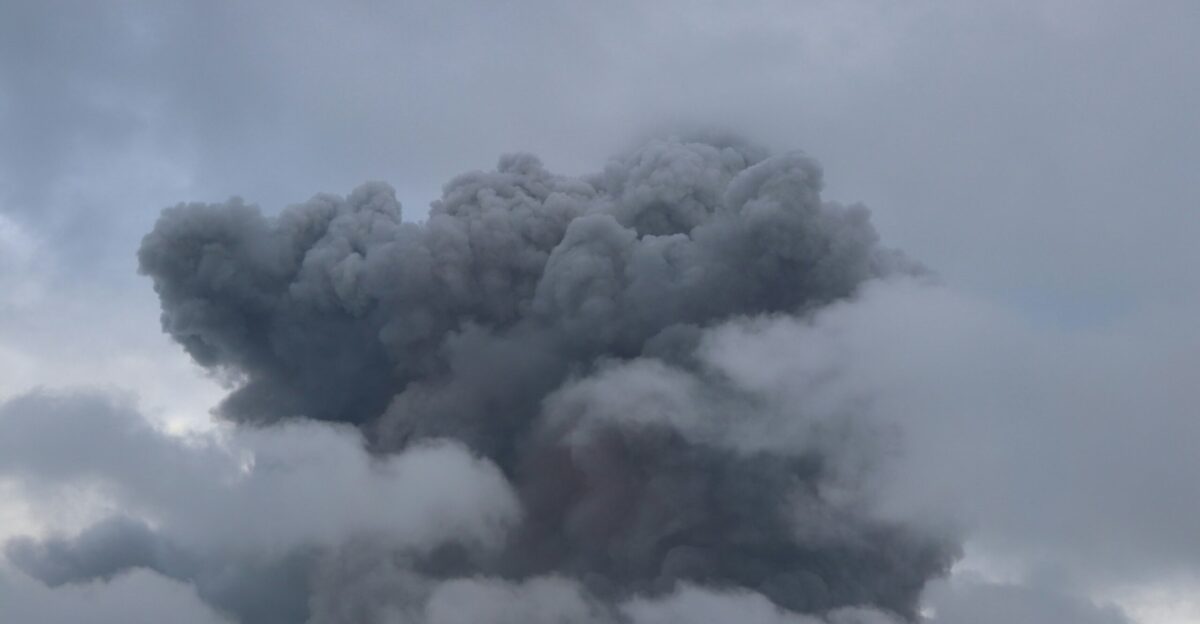
Ukrainian drone attacks rocked the Shakhtarsk oil depot, located 50 kilometers east of Donetsk, shortly before 8 p.m. on November 2. According to reports from the Exilenova-Plus Telegram channel, massive explosions sent shockwaves across the occupied city. Heavy smoke billowed skyward as multiple fuel storage tanks ignited in rapid succession.

Despite active Russian air defenses, Ukrainian operations succeeded in destroying critical fuel infrastructure supplying Moscow’s eastern occupation forces.

The Logistics Hub Russia Can’t Afford to Lose
group of soldiers in camouflage uniform standing on ground during daytime
Photo by Micha Franczak on Unsplash

The Shakhtarsk oil depot functions as a critically important logistics hub for Russia’s occupying forces in eastern Ukraine. According to United24media reporting, the facility supplies essential fuel to Russian military operations across the region.

The depot’s strategic value explains Ukraine’s repeated targeting—disrupting this supply line directly undermines Moscow’s ability to maintain occupation and wage war. Russian proxy officials minimize damage reports, yet repeated strikes demonstrate continued concern about operational vulnerability.

Ukraine’s Relentless Messaging to Moscow
silhouette of man standing on a ladder
Photo by on Unsplash

This November strike marks the third documented Ukrainian attack on Shakhtarsk’s oil depot in three years. In October 2022, Ukrainian Pravda reported strikes destroyed twelve Russian railway fuel tanks and four 60-tonne storage tanks. In July 2023, another fire erupted after a reported missile attack.

The pattern—strike, rebuild, strike again—poses a stark question: Is Russia reconstructing because it’s irreplaceable, or has Ukraine chosen this target as a symbol refusing to accept Russian occupation?

Shakhtarsk’s Long Occupation Reveals Deeper Truths
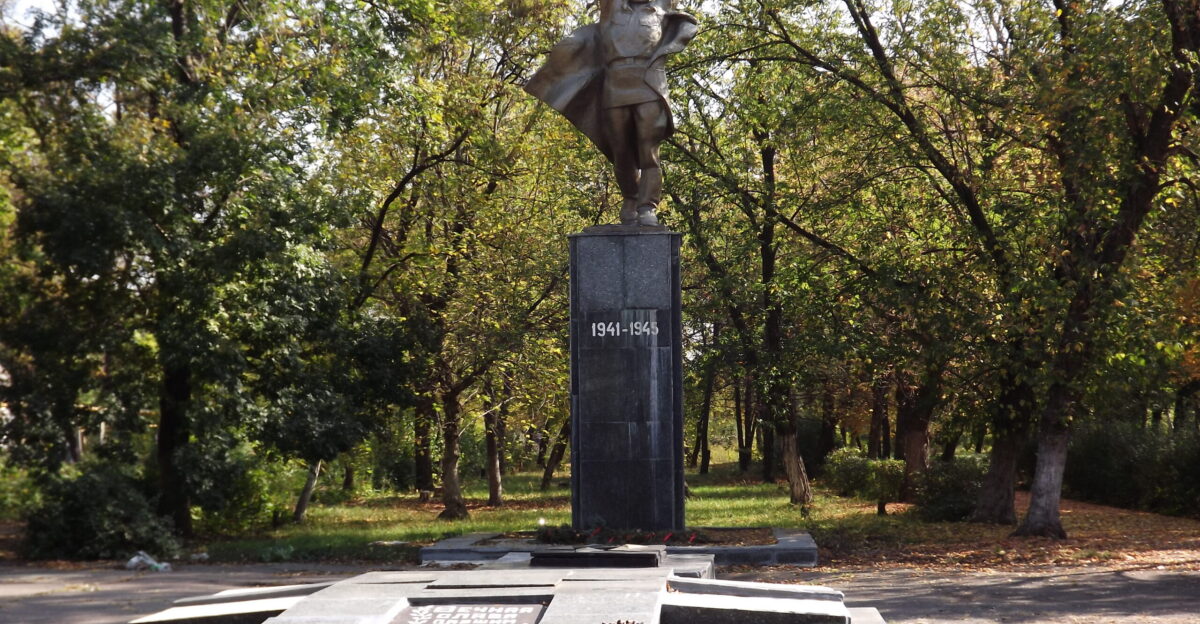
This is a photo of a monument in Ukraine number 14-153-0005
Photo by Chechen on Wikimedia

Shakhtarsk has endured Russian occupation since July 2014—eleven years before Ukraine’s full-scale 2022 invasion began. The city represents one of Moscow’s longest-held occupation zones in eastern Ukraine, predating even the Crimea annexation.

Russian proxy forces seized control on July 30, 2014, during the early War in Donbas. For over a decade, Shakhtarsk’s citizens lived under hostile control while their city’s oil depot fueled Russia’s military ambitions and occupation machinery.

160 Strikes in 10 Months Shatter Moscow’s War Machine
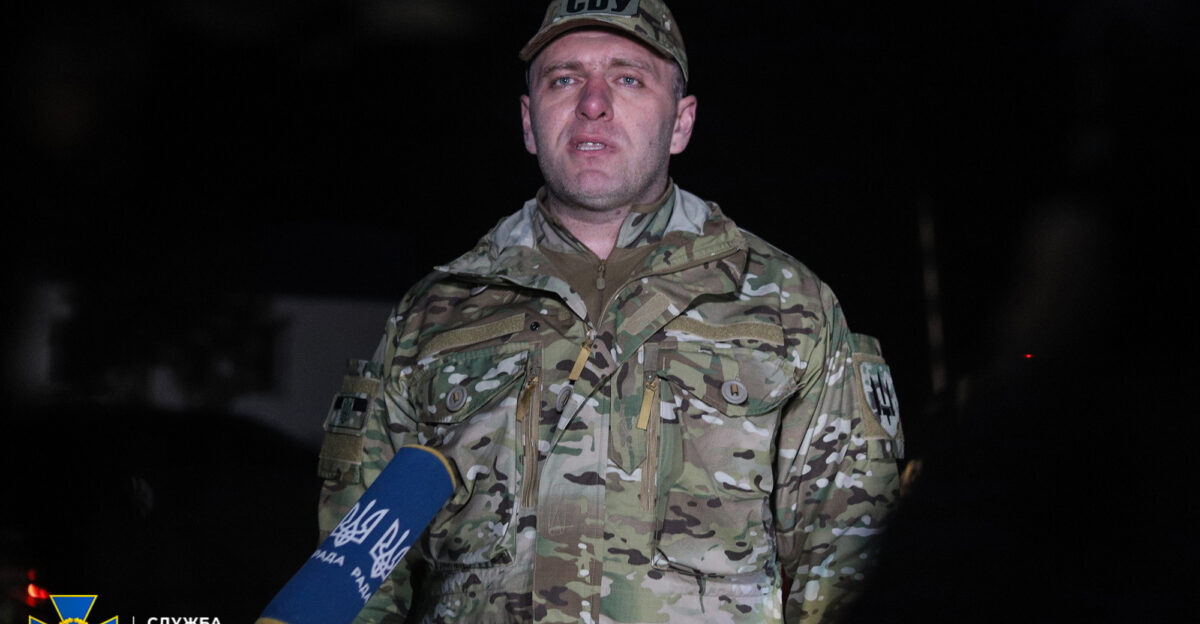
Return of 200 of the defenders of Azovstal to Ukraine
Photo by Security Service of Ukraine on Wikimedia

The November 2 strike occurred within Ukraine’s unprecedented campaign against Russian energy infrastructure. According to Vasyl Maliuk, Head of Ukraine’s Security Service, speaking on October 31, 2025, Ukraine had executed nearly 160 successful strikes against Russian oil facilities throughout 2025.

This represents approximately sixteen oil infrastructure strikes per month, or one successful strike every two days on Russia’s energy war machine. Ukraine has weaponized energy infrastructure destruction into a strategic campaign, reshaping the war’s trajectory.

90 Percent of Russia’s Defense Budget Comes From Oil
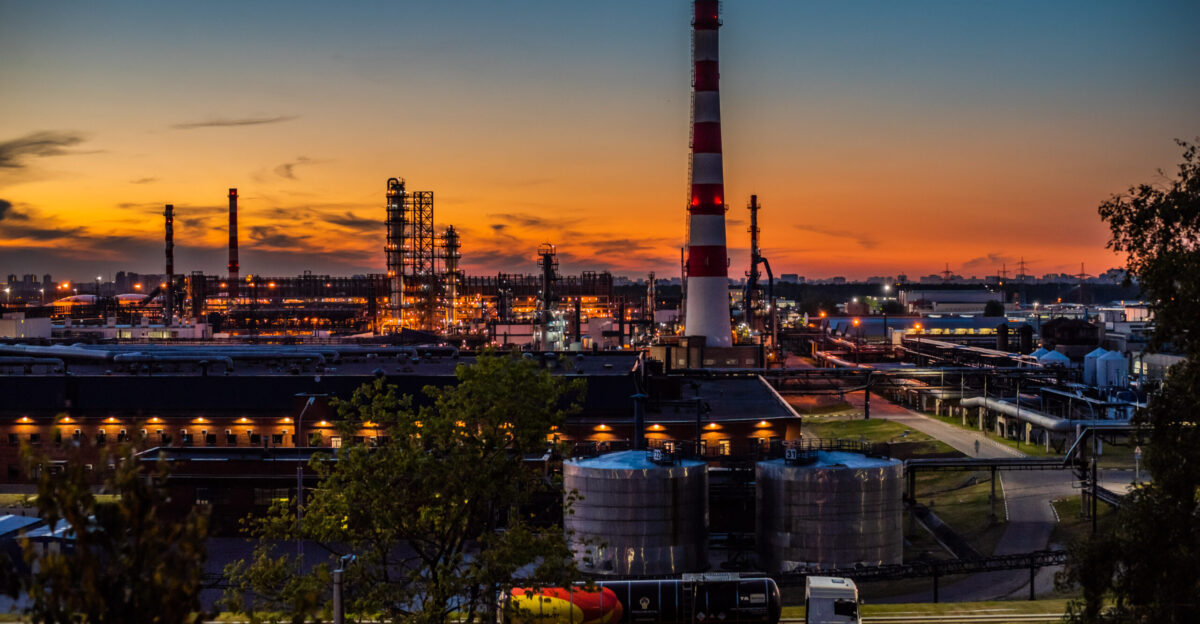
Moscow oil refinery
Photo by kishjar from Moscow Russia on Wikimedia

Russia’s entire war machine is fueled by oil revenue. According to Vasyl Maliuk, Head of the Security Service of Ukraine, oil extraction and refining comprise approximately 90 percent of Russia’s defense budget. Maliuk characterized these facilities as “legitimate military targets” and called the profits “dirty petro-rubles financing the war against us.”

Ukraine isn’t hitting random industrial sites—they’re targeting the financial heart of Moscow’s ability to wage war. Every refinery destroyed directly starves Russia’s military of revenue.

Russia Faces a 20 Percent Fuel Shortage Across 57 Regions
A large cargo ship sails on the tranquil ocean near V ng T u Vietnam symbolizing global commerce
Photo by Houwng Nguyen on Pexels

Ukraine’s campaign has triggered a cascading fuel crisis across Russia. According to Maliuk’s October 31 briefing, Russian domestic fuel shortages have reached approximately 20 percent. Additionally, 37 percent of Russia’s refining capacity has been forced to shut down, with fuel deficits reported across 57 Russian regions.

Moscow imposed a gasoline export ban until the end of the year. The cumulative effect reveals a nation struggling to sustain its war machine as Ukraine systematically dismantles energy infrastructure.

Ukraine Dismantles 38 Percent of Russia’s Refining Capacity

Focused woman analyzing financial reports in a modern office setting with charts and graphs
Photo by Artem Podrez on Pexels

Ukrainian drone strikes have systematically targeted sixteen major Russian refineries, representing approximately 38 percent of Russia’s nominal refining capacity, according to the Carnegie Endowment. These facilities span from the Ryazan refinery, which processes over 17 million tons of crude oil annually, to strategic depots like Shakhtarsk.

While Western analysts note some facilities resume operations within weeks, the frequency of strikes prevents sustained production recovery. Russia faces continuous reconstruction cycles while Ukrainian drone capabilities escalate.

Ukraine’s Technological Leap Changes Everything
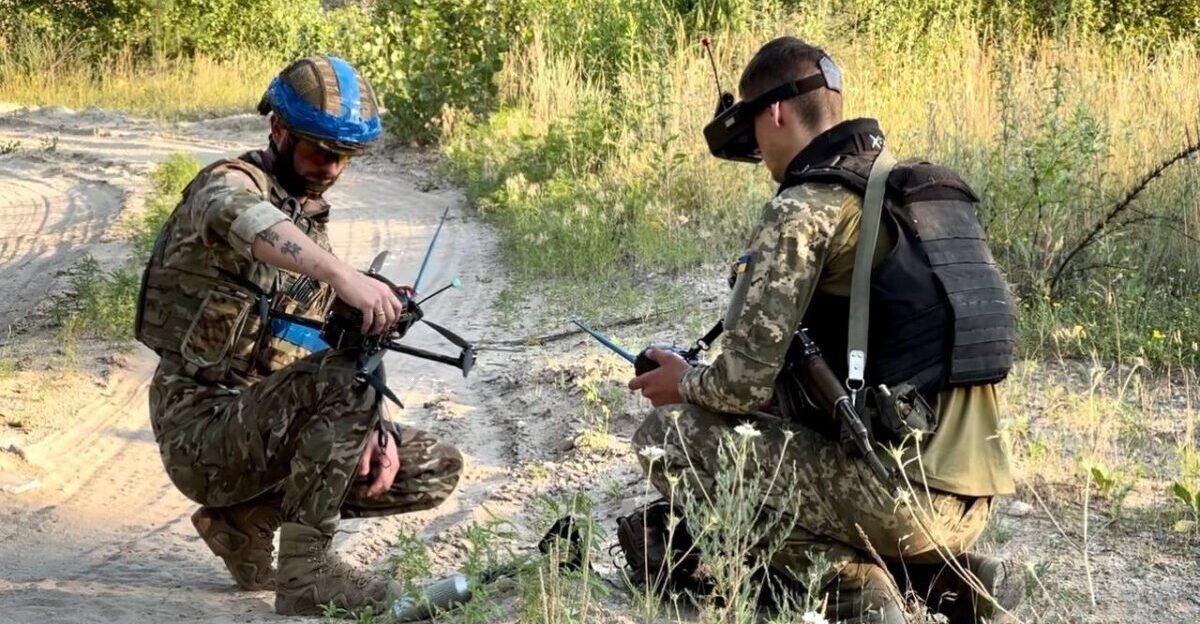
Ukrainian 25th Sicheslavska bde showing their improvised FPV strike drones
Photo by Arm yaInform on Wikimedia

Ukraine’s campaign relies on domestically produced drones, assembled in scattered workshop networks, which are now flying farther than at any point in the war. Most dramatically, on October 31, Ukraine’s military intelligence struck the Koltsevoy pipeline in Moscow Oblast—a 400-kilometer fuel artery supplying Russia’s armed forces. Despite anti-drone nets and armed security, the operation simultaneously destroyed all three major fuel lines.

Ukraine has achieved a technological capability that Moscow cannot counter, enabling strikes deep inside Russian territory.

61 Percent Profit Surge From Ukrainian Strikes

An ExxonMobil gas station in Hiawassee Georgia
Photo by Harrison Keely on Wikimedia

While Ukraine fights for survival, Western oil corporations are reaping extraordinary profits from the disruption. According to Reuters analysis, Shell, ExxonMobil, Chevron, and TotalEnergies collectively experienced a remarkable 61 percent increase in refining profits in the third quarter. The supply disruptions caused by Ukrainian strikes have boosted global refining margins.

ExxonMobil’s refining division alone reported a quarterly profit of $1.84 billion. Ukraine’s energy campaign has inadvertently enriched Western corporations while degrading Russia’s military capabilities.

500,000 Barrels Per Day Vanish From Global Markets
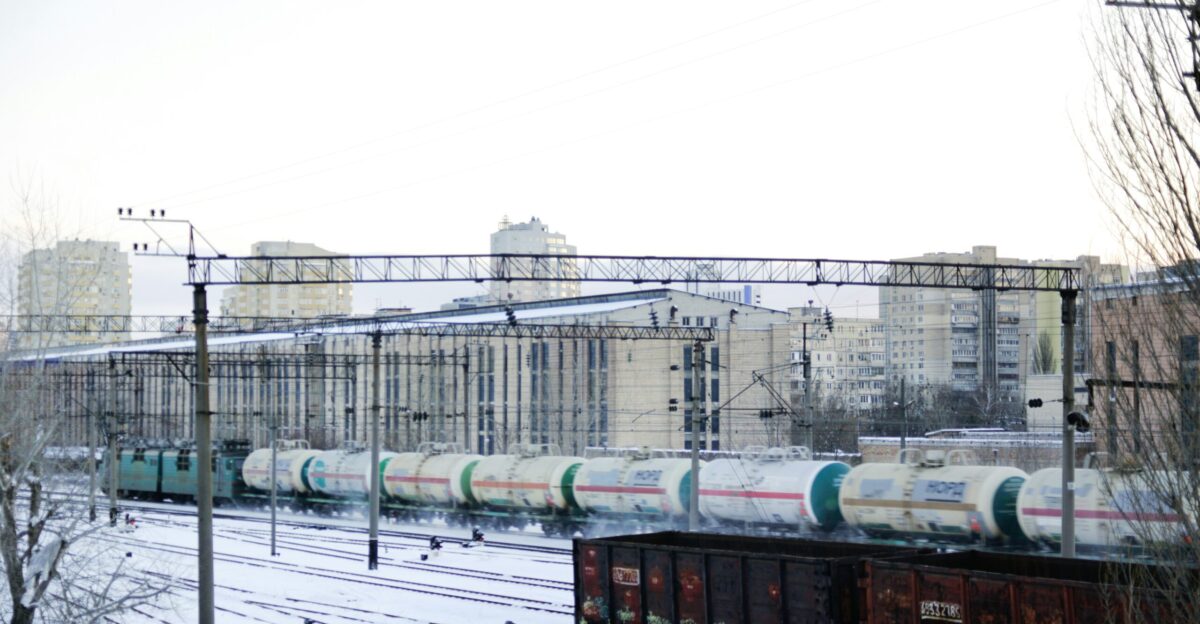
green and red train on rail tracks during daytime
Photo by Misha Vrana on Unsplash

Ukraine’s campaign has triggered a dramatic collapse in Russian seaborne refined product exports. According to Kpler data cited by Reuters, Russia’s exports plummeted by 500,000 barrels per day from 2025 peaks to approximately 2 million barrels per day—the lowest in over five years.

This dramatic reduction undermines Russia’s ability to finance its war while managing sanctions. Moscow faces an untenable calculus: maintain domestic military supply or accept logistics degradation crippling frontline operations.

The Winter Weapon
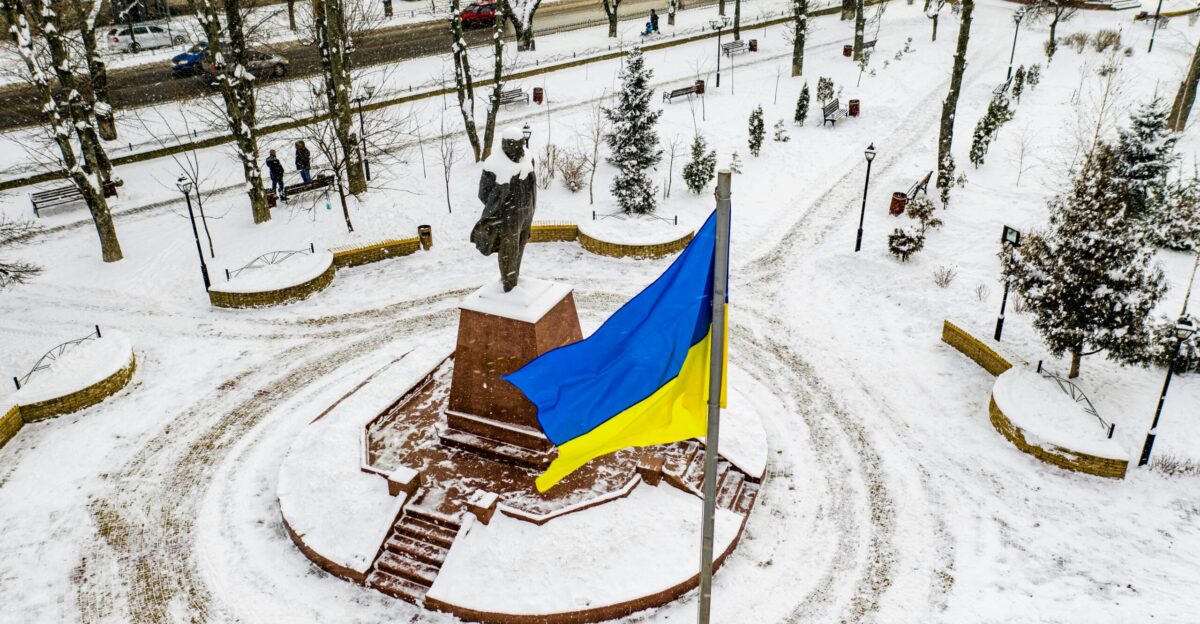
blue and yellow flag on brown wooden table
Photo by Maksym Diachenko on Unsplash

As Ukraine enters its fourth winter of full-scale war, Russia has escalated attacks on Ukrainian energy infrastructure. A large-scale Russian offensive in early November targeted Ukraine’s power plants. According to the Kyiv School of Economics, these attacks shut down half of Ukraine’s natural gas production.

However, Ukraine’s simultaneous campaign against Russian refineries means both nations face winter energy crises. Ukraine has created mutual vulnerability—neither side can cripple the other without accepting shared pain.

Rebuild, Retreat, or Negotiate
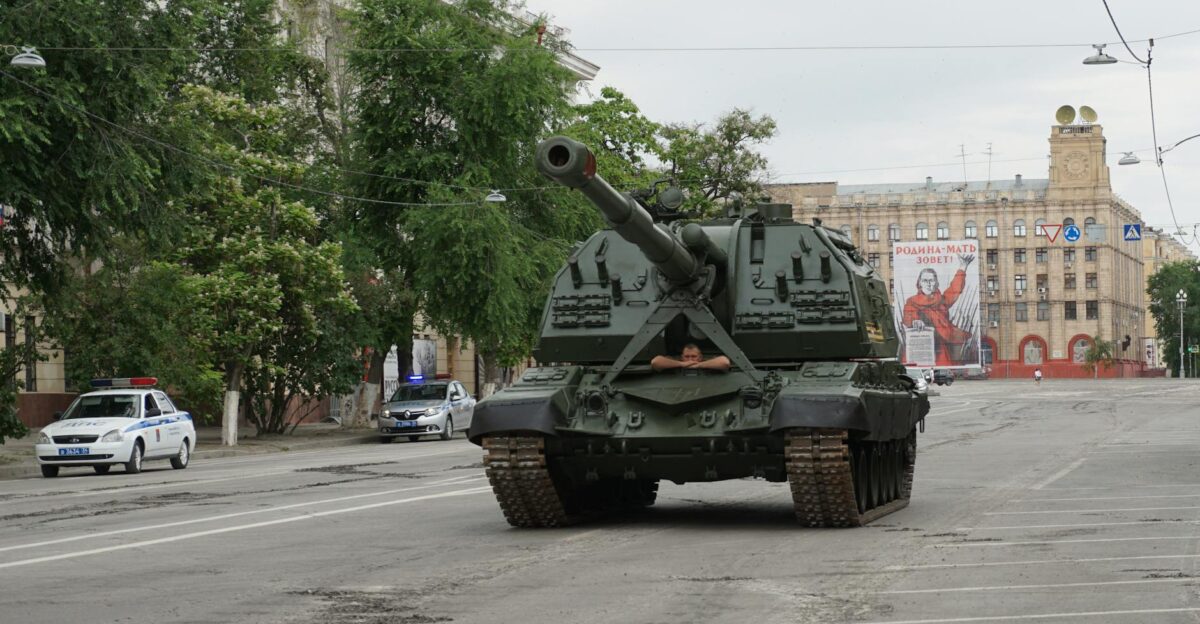
A military tank and police cars on a street in Volgograd Russia
Photo by Irina Balashova on Pexels

Ukraine’s relentless campaign has forced Russia into an impossible position. Moscow cannot repair refineries, supply occupying forces, and fund civilian needs while facing 160 strikes in ten months. Russia’s defense budget, 90 percent dependent on oil revenues, shrinks with every destroyed facility.

By targeting energy infrastructure with drones striking 400 kilometers inside Russian territory, Ukraine demonstrates a capability Moscow cannot counter. The pattern: one strike every two days, escalating capability, no sign of stopping.

Ukraine Refuses to Let Russia Rebuild What It Destroys
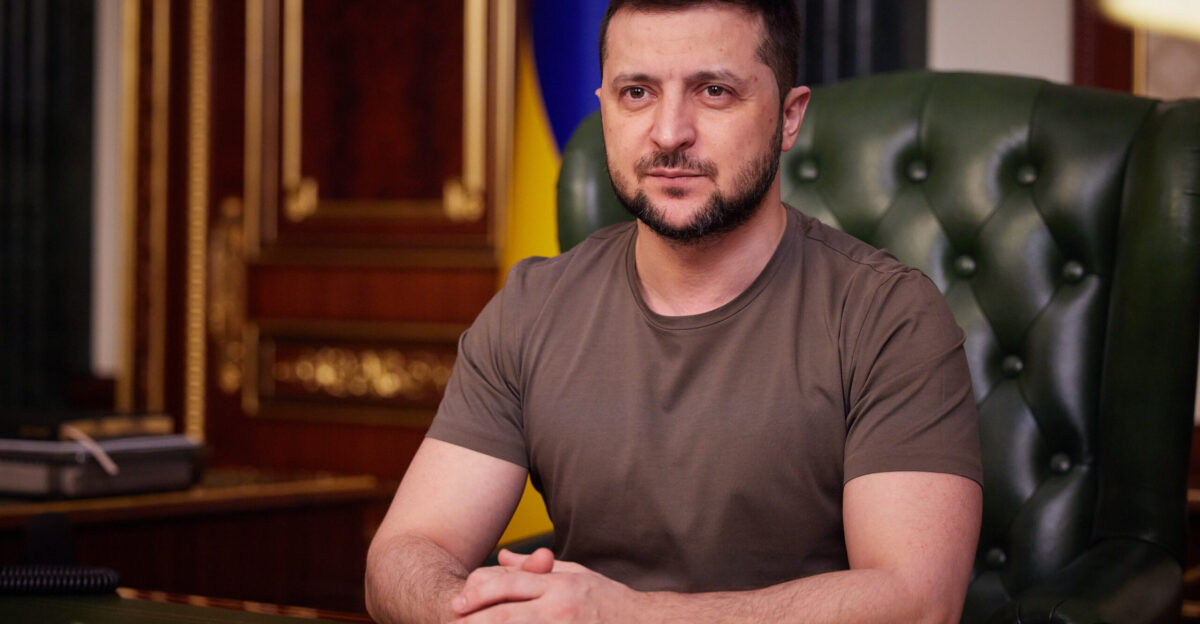
Strong people of the best country in the world I want to begin this address with words of congratulations On my own behalf and on your behalf on behalf of all our citizens of Ukraine to the employees of the Security Service of Ukraine Today is their day 30 years ago on March 25 the Security Service of our state was founded The Service has come a long way And we all know that But we also know that during the eight years of the war in Donbas and during the 30 days of Russia s full-scale invasion of Ukraine many members of the Security Service have shown themselves from the best - heroic - side They have shown themselves principled courageous and able to inflict losses on the enemy that the enemy does not expect This is exactly what Ukraine needs now I am grateful to all our heroes from the Security Service of Ukraine I am grateful to everyone in the Service who during 30 years of our common history broke the plans of enemies and worked in the interests of the Ukrainian people only Congratulations on the holiday Respect to everyone And we will always remember all the employees of the Service who died for Ukraine while performing tasks to counter Russian aggression During this month of hostilities 77 employees of the Security Service were awarded state awards Two of them were posthumously awarded the title of Hero of Ukraine Both distinguished themselves in the battles near Makariv Kyiv region Thanks to their courageous actions the enemy headquarters and more than 20 occupiers were destroyed I can t tell you the names of our heroes This is the specifics of the service But I can say with confidence the memory of them will truly be eternal Today I signed a decree on state awards to 63 law enforcement officers of Ukraine Seven of them were awarded posthumously Police rescuers border guards special service officials of the State Bureau of Investigation and employees of the Court Protection Service Thank you to everyone Over the past week our heroic Armed Forces have dealt powerful blows to the enemy significant losses They say that the Minister of Defense of Russia has disappeared somewhere I wonder if he personally wanted to visit Chornobaivka I am grateful to our defenders who showed the occupiers that the sea will not be calm for them even when there is no storm Because there will be fire As on those Russian ships that departed this week on the famous route from the port of Berdyansk I want to warn all traitors of Ukraine who sided with the enemy in Crimea years ago You switched sides because you thought you would live better right Not because you want to repeat the tragic fate of your colleagues who died on those ships or somewhere else on land or at sea in Ukraine Well live Stay as far away from our cities and our army as possible The number of Russian casualties in this war has already exceeded 16 000 killed Among them are senior commanders There have not been reports about killed Russian colonels-general or admirals yet But the commander of one of the occupying armies and deputy commander of the Black Sea Fleet are already there The Armed Forces continue to repel enemy attacks in the south of the country in Donbas in the Kharkiv direction and in the Kyiv region By restraining Russia s actions our defenders are leading the Russian leadership to a simple and logical idea talk is necessary Meaningful Urgent Fair For the sake of the result not for the sake of the delay 16 000 Russian servicemen have already died For what What does it give and to whom The conversation must be meaningful Ukrainian sovereignty must be guaranteed Ukraine s territorial integrity must be ensured That is the conditions must be fair And the Ukrainian people will not accept others During the week we managed to establish 18 humanitarian corridors A total of 37 606 people were rescued from the blocked cities In particular 26 477 Mariupol residents were evacuated from Mariupol to Zaporizhzhia via the humanitarian corridor The situation in the city remains absolutely tragic The Russian military does not allow any humanitarian aid into the city They only use Mariupol residents in fakes for their propagandists Pretending to start giving something to people I will continue to inform the nations of other countries in great detail about such disgusting cynicism of the occupiers about all the war crimes of Russia against the civilians of our heroic Mariupol and other cities of Ukraine It is very important I want to emphasize not only politicians and government officials but nations Everyone on the planet needs to know what Russia is doing So that the responsibility for crimes against the Ukrainian people becomes inevitable and as severe as possible for the Russian military During the week alone I addressed the parliaments of Italy Japan France and Sweden I spoke at the summits of NATO the G7 and the leaders of the European Union Each of these speeches attracted maximum attention in the respective countries and in the world as a whole The reviews show that the Ukrainian position was heard And this is my main goal in such speeches You know perfectly well what a powerful system of state propaganda Russia has built They have spent and are spending tens of billions of dollars on it Probably no one in the world has ever spent such crazy money on lies But they did not take into account one thing Where the path of lies needs to be paved with money and the result is not guaranteed the path of truth is difficult but the path of truth paves itself The main thing is to be honest Next week I will continue this important work for our interests Interests of Ukraine Interests of freedom and independence I had a conversation today with Turkish President Erdo an The results of the NATO summit were discussed Of course we also talked about the efforts that could bring peace closer to Ukraine and end this senseless Russian invasion of a foreign land There is important news from our government officials First They have already started paying pensions for April In particular the Pension Fund has transferred to Oschadbank the entire amount of pensions for the Chernihiv and Luhansk regions Tomorrow people will have money on their bank cards and Ukrposhta will deliver cash Tomorrow or the day after tomorrow the payment of April pensions will continue in other regions of Eastern and Central Ukraine The other day a wave of payments will cover the entire state This is one of our priorities the Ukrainian state has fulfilled and will fulfill all obligations to our citizens to our pensioners Second Under the eSupport program more than 20 billion hryvnias have already been paid to people who have lost their jobs or the opportunity to have business The amount of payment is 6 500 hryvnias Third Officials are preparing a new support program for our IDPs from the war zones Regional administrations have been given a clear task to quickly allocate land for the construction of temporary housing for displaced persons I want to emphasize once again - this is temporary housing Once we establish peace we will begin the immediate large-scale reconstruction of our state But now people need a temporary home Their home And it is better to have a home in Ukraine than somewhere abroad We pay aid we give a job Native people Native country All the details of this support program will be presented by Prime Minister Denys Shmyhal And a few more words about the path of truth About those who bring you and us true information about everything that is happening in our country I would like to express special gratitude to our journalists today To all those who ensure the work of the national telethon United News to all our media people Correspondents presenters editors media managers cameramen directors video editors make-up artists producers - everyone without whom it is impossible to imagine television Everyone who united and together with other defenders of our people provides Ukrainians with truthful information and last but not least confidence 24 7 I am grateful to all of you And I m sure I can say this on behalf of all Ukrainians Glory to you all Glory to all our heroes Glory to Ukraine
Photo by President Of Ukraine from Ukra na on Wikimedia

The November 2 Shakhtarsk strike signals Ukraine’s commitment to escalating energy infrastructure targeting through winter 2025 and beyond. With domestic drone production ramping up, Ukraine expands operational reach continuously. Vasyl Maliuk’s October 31 briefing confirmed systematic operations—sixteen strikes monthly, every two days.

Russia faces an unprecedented choice: continue rebuilding while facing escalating Ukrainian capabilities, accept supply deficits crippling its military, or seek diplomatic resolution. Ukraine has weaponized attrition of fuels sustaining war. The third strike is not the end—it’s a beginning.