A single gunshot echoed across the Vincennes fortress moat at dawn in 1804, felling the Duke of Enghien, a Bourbon prince. This execution sparked one of history’s most enduring political judgments: “It was worse than a crime; it was a blunder.” The act rallied Europe’s monarchs against Napoleon, reshaping alliances and underscoring how one rash choice can alter the global landscape.
British columnist John Rentoul tapped readers via social media to identify history’s greatest political errors, compiling a top ten list published in The Independent. Spanning from 1066 to 2010, the selections highlight military, diplomatic, and domestic decisions where leaders misjudged risks, foes, or public sentiment, yielding lasting repercussions.
Harold Godwinson’s Haste at Hastings
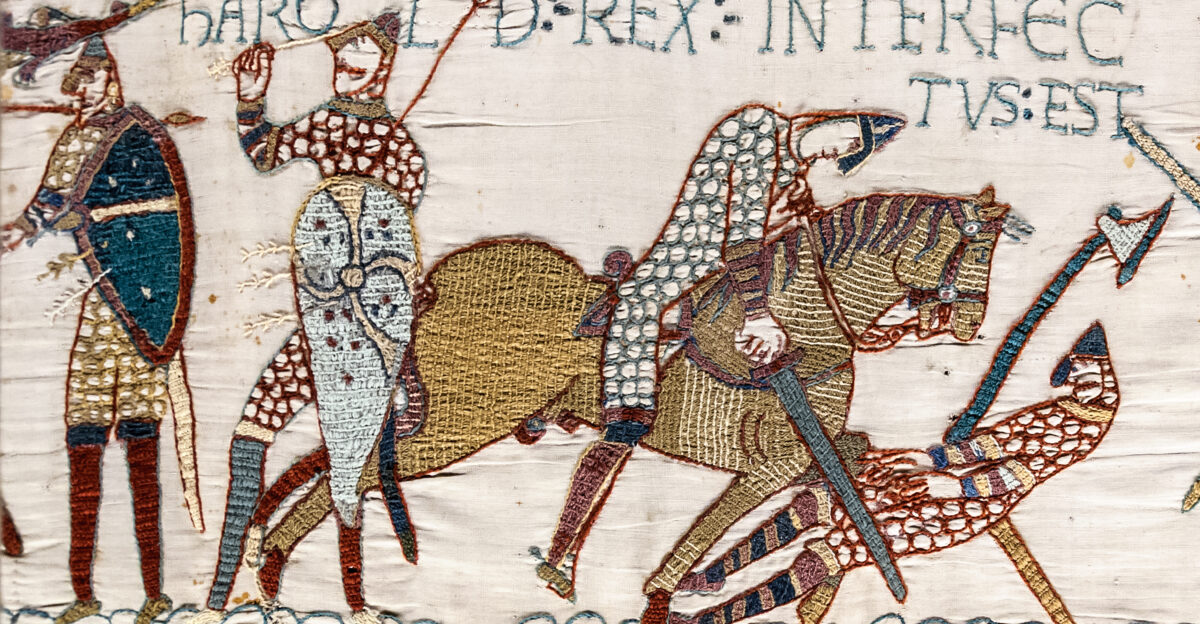
In 1066, after routing Norwegian invaders at Stamford Bridge, King Harold marched his weary army the length of England in under three weeks to face William of Normandy. Many historians argue that the troops’ exhaustion and limited reinforcements contributed to their defeat at the Battle of Hastings, paving William’s path to the English throne and the Norman takeover of England.
Ship Money’s Path to Civil War
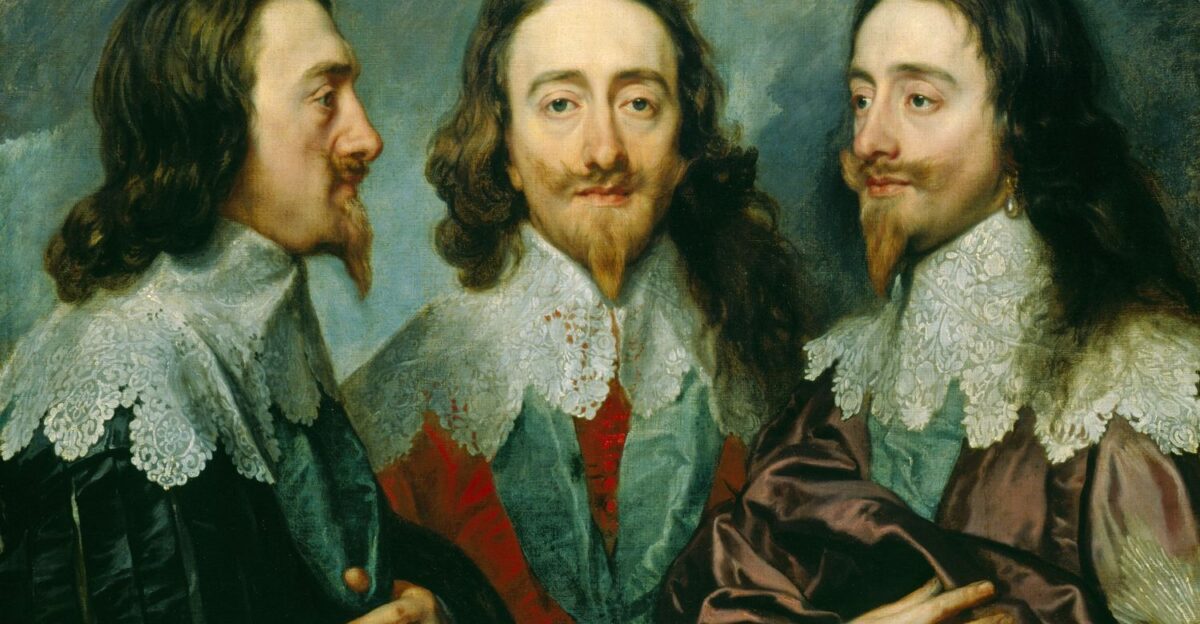
Charles I’s 1636 extension of the Ship Money levy—originally for coastal naval defense—into a nationwide tax without parliamentary approval symbolized royal overreach. The backlash eroded trust between crown and Parliament and became one of several disputes that helped fuel the conflicts leading into civil war and, ultimately, the king’s execution.
Treaty of London’s World War Pull
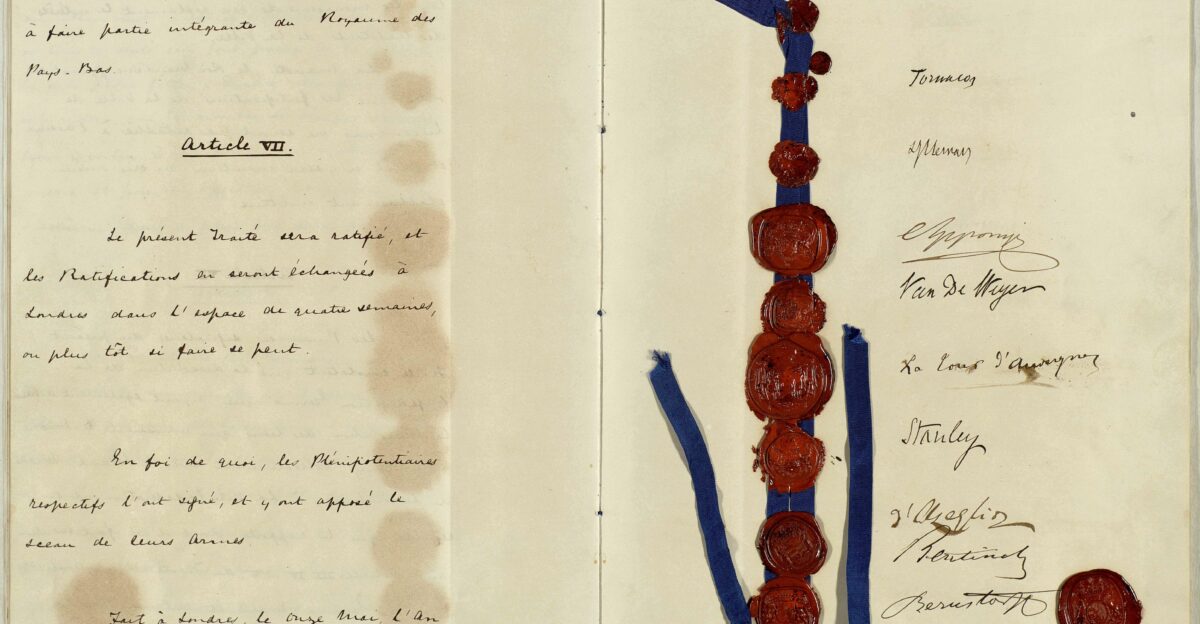
Britain’s 1839 Treaty of London pledged to uphold Belgian neutrality. Germany’s 1914 invasion of Belgium made the treaty a central justification for Britain’s entry into World War I, a conflict that brought staggering human losses and economic damage. Modern estimates put the economic costs of World War I alone into the trillions of dollars when converted into today’s values, even before counting wider social and human losses.
Von Papen’s Hitler Miscalculation
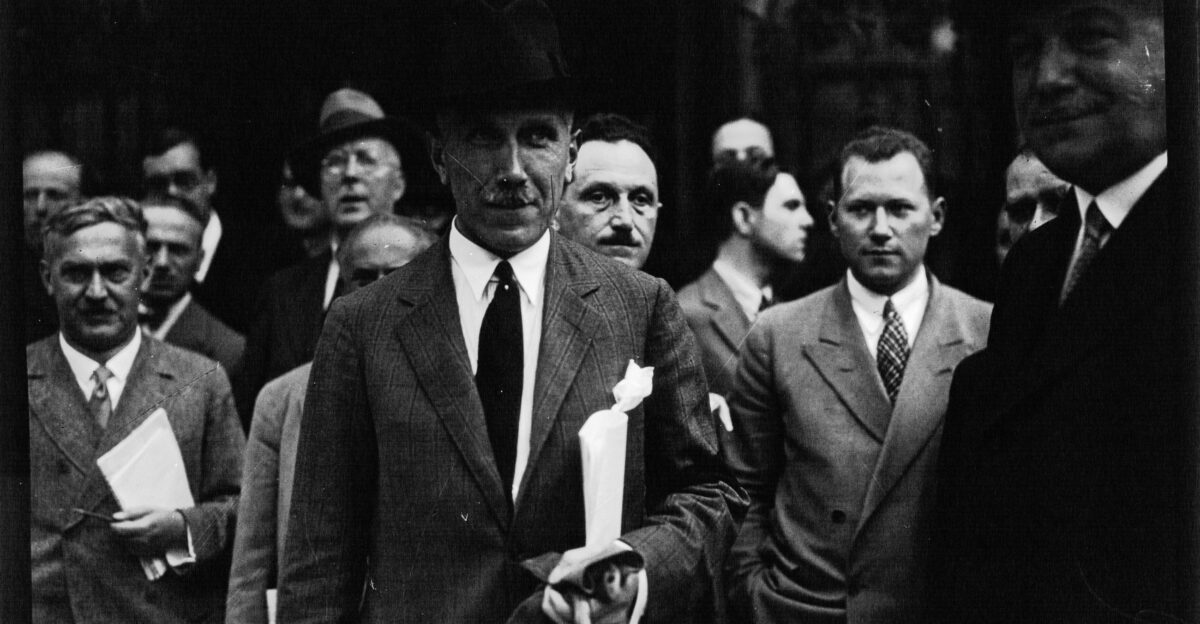
In 1933, Franz von Papen, a conservative, backed Adolf Hitler’s chancellorship, confident non‑Nazis in the cabinet could curb him. Von Papen and his allies believed Hitler could be controlled, but Hitler swiftly marginalized rivals, crushed opposition, and forged a dictatorship. The episode exemplifies elites’ peril in attempting to tame radicals.
Jet Engine Exports to the Soviets
Postwar, Clement Attlee’s government approved sales and licenses of Rolls‑Royce Nene and related jet engines, plus designs, to the Soviet Union in 1946–1947. Soviet engineers replicated them into engines such as the RD‑45/VK‑1 for the MiG‑15, a swept‑wing fighter that clashed with UN forces in Korea and gave communist forces a major early advantage in jet combat. The decision enhanced Soviet bloc air power in the early Cold War.
Rentoul omitted reader favorites like Neville Chamberlain’s appeasement of Hitler, the 2016 Brexit referendum, and Donald Trump’s election, wary of deeming democratic outcomes as errors. He framed his list as subjective fuel for debate, shaped by personal lenses on blame and impact.
Common threads appear to bind these blunders: overconfidence in control, rival underestimation, and short‑term focus. Leaders marched troops without rest, taxed without consent, guaranteed borders that helped justify entry into devastating wars, empowered extremists, and shared technology that armed adversaries. Such patterns suggest that delayed consequences demand rigorous foresight and internal dissent.
The phrase “worse than a crime; it was a blunder”—often attributed to figures such as Talleyrand or Fouché—encapsulates acts both unethical and self‑sabotaging, like Napoleon’s execution of Enghien. Modern parallels warn against secrecy backfiring, elections misread beyond timing, public voices ignored, and party infighting spilling nationally, themes frequently highlighted in contemporary political analysis.
Historians and analysts often use these cases to illustrate recurring traps, from interwar conservatives’ failed attempt to keep Hitler on a leash to Britain’s export gamble, where officials bet on staying technologically ahead yet found MiG‑15s rapidly challenging Western jets. These examples stress scenario planning amid overconfidence and the risks of assuming today’s advantage will endure.
Rentoul’s exercise invites readers to consider which of today’s choices—on AI, energy shifts, finance, or superpower tensions—future hindsight will brand as blunders. History implies confident moves now could later epitomize avoidable pivots, their full toll emerging only in time.
Sources:
“The Top 10: Greatest Political Errors of All Time.” The Independent, 2020.
“Battle of Hastings.” Encyclopaedia Britannica, latest edition.
“Ship Money.” The National Archives (UK), 2017.
“Economic History of World War I.” Encyclopaedia Britannica and major economic history references, various dates.
“Franz von Papen.” Encyclopaedia Britannica and standard histories of Nazi Germany, various dates.
“Rolls-Royce Nene” and “Mikoyan-Gurevich MiG-15.” Standard aviation histories and technical references, various dates.