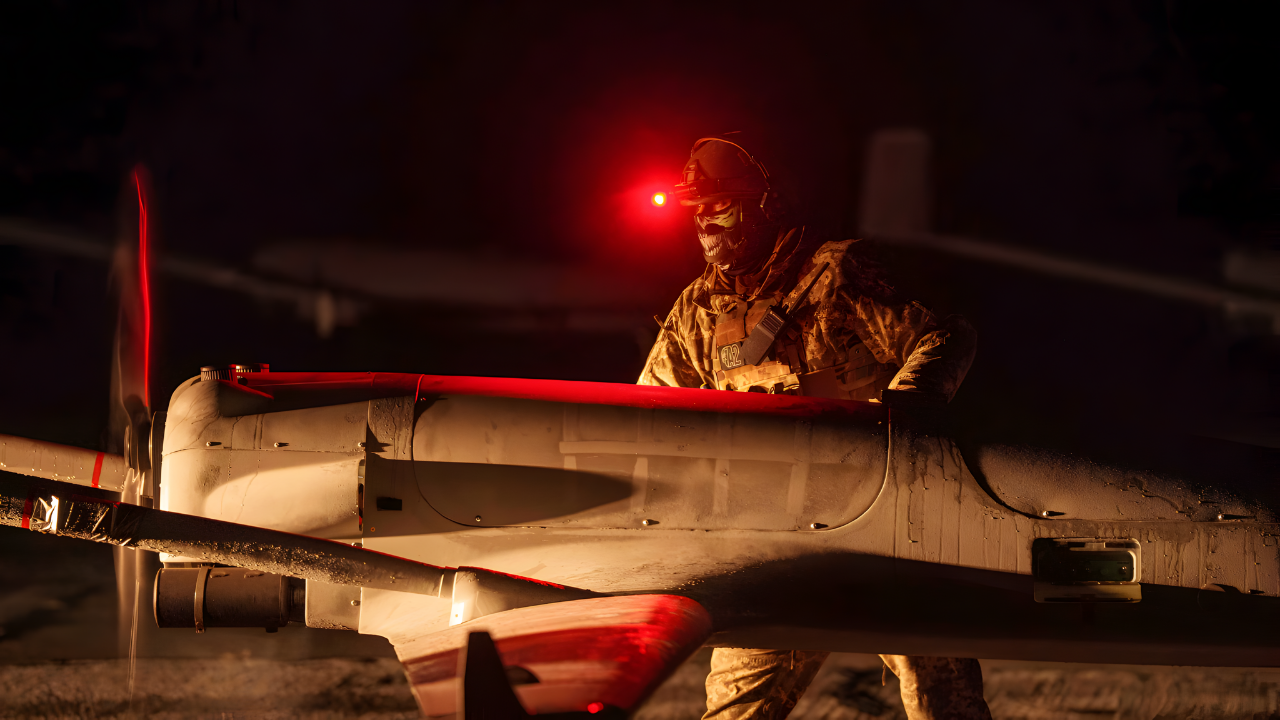
Massive explosions tore through Russia’s Belbek airbase in occupied Crimea on the night of December 17–18, 2025. According to Ukrainian officials, the country’s Security Service, known as the SBU, carried out a precise drone strike on the site near Sevastopol. The explosion lit up the sky, and videos circulated online showing a series of large fireballs at one of Russia’s key military airbases.
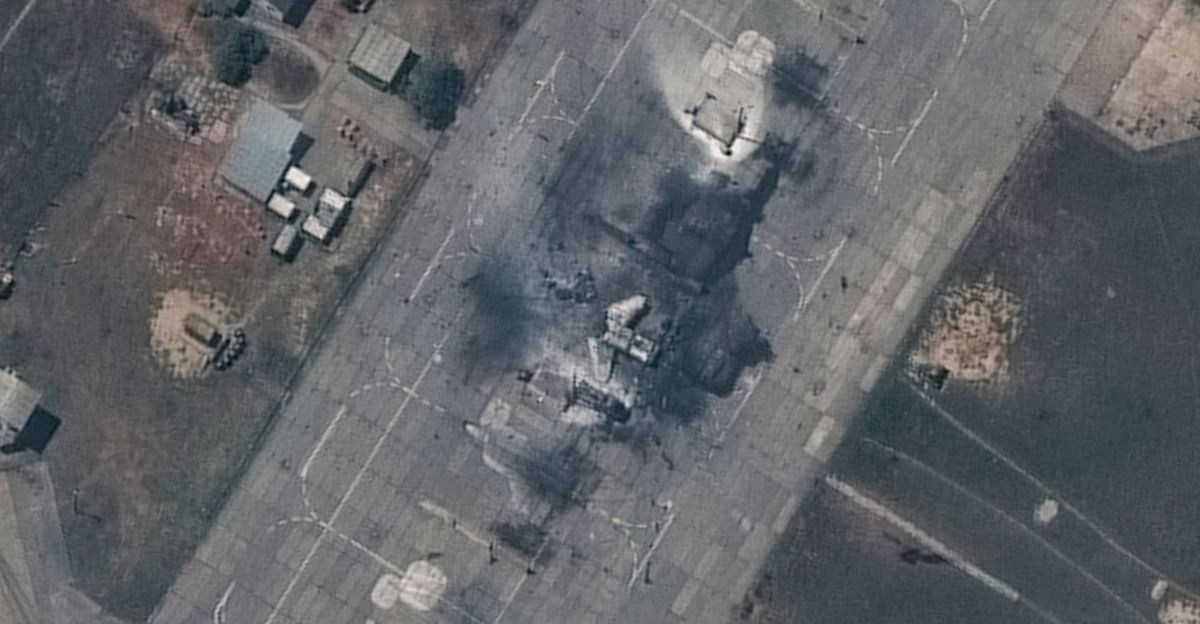
Belbek is a major hub for Russian fighter jets and air defense systems guarding the Black Sea region. The overnight attack became one of the most significant hits to Russia’s air defenses since Crimea was annexed in 2014. Satellite images taken afterward showed large fires burning around radar systems and support buildings. Locals reported multiple thunderous blasts that shook homes across Sevastopol.
Ukrainian authorities said the airstrike was carefully planned to weaken Russia’s control over Crimea, disrupting one of its most fortified positions on the peninsula. Analysts believe the attack revealed cracks in Russia’s defensive network, which Moscow had long considered nearly impenetrable.
Destruction Worth Hundreds of Millions
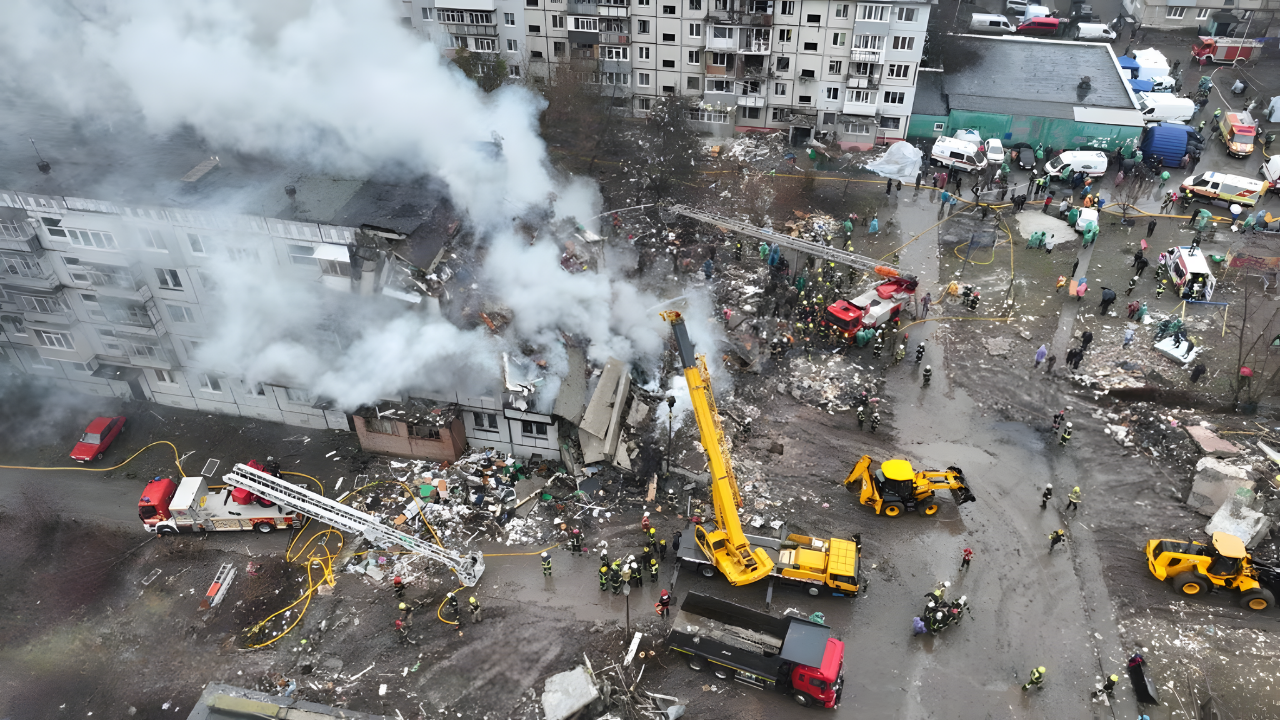
Early estimates show that the strike caused enormous financial and equipment losses. Ukraine’s assessment placed damages at around $200 million, though independent experts say the figure might be closer to $300 million based on the type of military technology destroyed.
Among the losses were two Nebo-SVU long-range radar systems, each costing up to $100 million. These radar units can track aircraft from as far as 380 kilometers away. Ukraine’s drones also destroyed a 92N6 radar used in the S-400 air defense system, valued at up to $60 million, and a Pantsir-S2 short-range air defense launcher that typically costs around $15 million. A MiG-31 fighter jet armed for combat, worth about $50 million, was also obliterated on the runway.
Experts say the losses go far beyond money. These systems help detect and intercept incoming threats, forming the backbone of Russia’s defense over the peninsula. By using relatively inexpensive drones to knock out such expensive equipment, Ukraine showed how flexible and low-cost tactics can break down advanced defense networks.
Why Belbek Airbase Matters
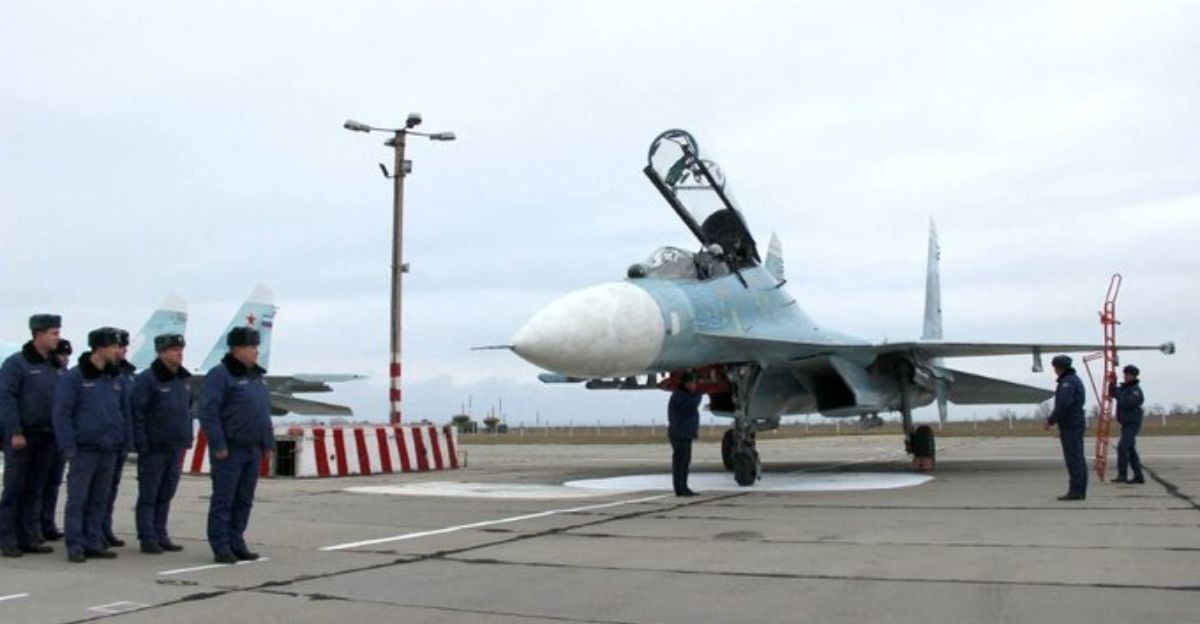
Since Russia seized Crimea in 2014, the Belbek airfield has served as a cornerstone of its military operations in the region. The base hosts several squadrons of fighter jets and advanced missiles that defend both Sevastopol’s naval headquarters and surrounding sea routes. Analysts from the International Institute for Strategic Studies have long pointed to Belbek as a critical hub for Russia’s regional power projection.
In recent years, rows of Russian jets could be seen parked at the base in satellite photos. Ukrainian intelligence had reportedly studied weaknesses in Belbek’s defenses for months leading up to the attack. The December raid appears to have been a culmination of that research, successfully striking equipment essential to maintaining Russian air control over the western Black Sea.
With key systems now destroyed, Moscow faces new difficulties in shielding its assets in Crimea. Protecting naval ships, supply lines, and air routes will be harder without the radar coverage Belbek once provided. For Ukraine, the strike represents not just a symbolic victory but a real shift in regional air power.
Exposing Crimea’s Weak Points
Night-vision footage showed multiple blasts as long-range drones operated by the SBU’s elite Special Group Alpha hit their targets with precision. The assault destroyed all major designated systems—the Nebo-SVU radars, the S-400 radar, the Pantsir-S2, and the MiG-31. Secondary explosions hinted that ammunition or fuel storage areas were also hit.
The damage left large sections of western Crimea without radar coverage, according to independent defense analysts. Losing these radars means Russia can no longer detect high-altitude aircraft or missiles as effectively across the region. This creates new “blind spots” that Ukraine can try to exploit in future missions.
In the days following the strike, local residents posted videos online showing thick smoke columns and distant booms. Russian authorities attempted to play down the event, calling it a minor drone attack. However, unofficial reports and military blog posts suggested widespread frustration among Russian troops and pressure on commanders who had ignored earlier warnings about security vulnerabilities.
The failure of the Pantsir-S2 system, meant to defend against incoming drones, also raised tough questions about Russia’s reliance on fixed defense zones rather than mobile, adaptive responses. It highlighted a recurring weakness Ukraine has targeted in recent months, static, predictable defense setups that are easy to track and overwhelm.
This strike fits into a broader campaign Ukraine launched in 2025 to wear down Russian forces. Similar drone and sabotage operations have hit other bases from Crimea to northern Russia, forcing Moscow to relocate some of its prized air defense units. Each successful strike pushes the Russian military to spread its resources thinner while struggling under heavy sanctions that slow the replacement of destroyed systems.
Military experts say this operation could change the balance of air power around the Black Sea. As detection gaps widen and replacement parts remain scarce, Ukraine’s inexpensive yet precise attacks threaten to undermine Russia’s ability to maintain control over occupied Crimea. The message, analysts note, is clear: even the best-equipped armies can be undone when cheaper, smarter tactics hit them where they least expect.
Sources:
Ukrainska Pravda, “Ukrainian drones strike Belbek airfield in Crimea, hitting equipment worth hundreds of millions”
Kyiv Independent, “SBU says drones hit Russian military equipment worth hundreds of millions at Belbek airfield in occupied Crimea”
Defense Express, “Ukrainian Drones Hit Russian Nebo-SVU Radar System Worth $100 Million in Crimea”
BBC News, “How Ukraine carried out daring ‘Spider Web’ attack on Russian airbase”