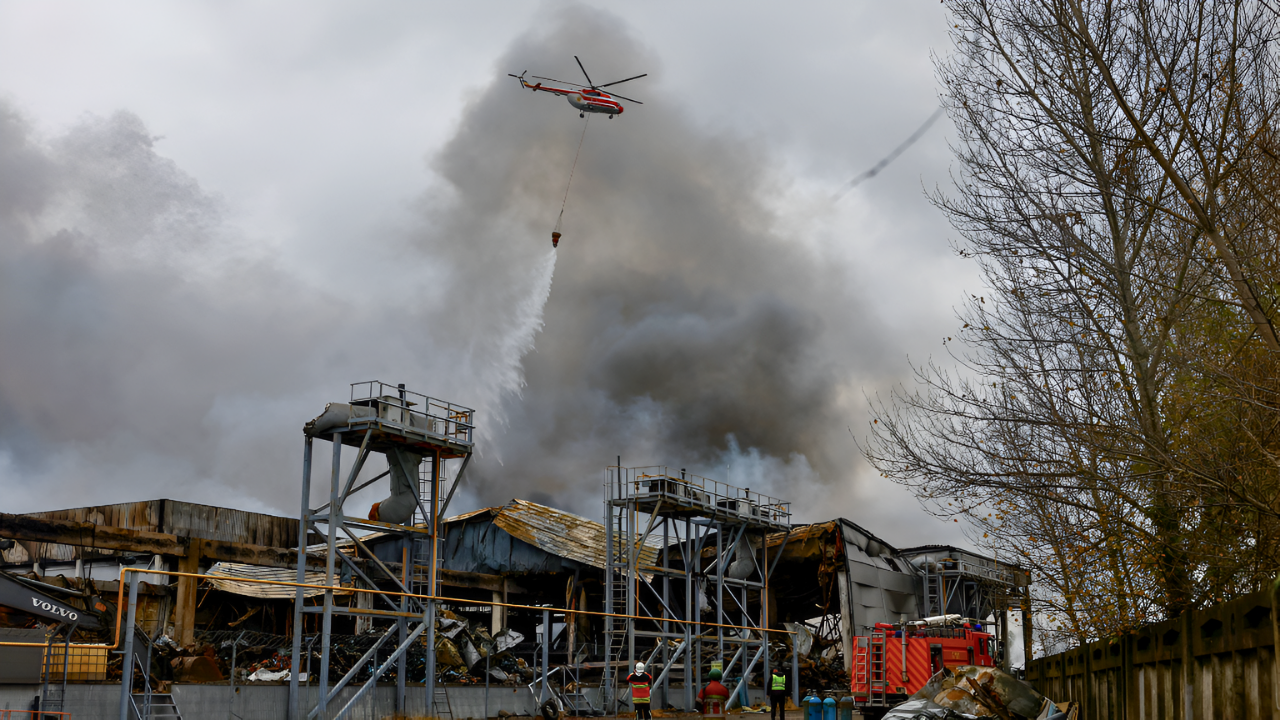
On June 1, 2025, Ukraine executed an unprecedented military operation that fundamentally altered the trajectory of the ongoing conflict. Dubbed Operation Spiderweb, the strike deployed 117 drones simultaneously against five Russian strategic bomber bases, destroying 13 aircraft and inflicting an estimated $7 billion in losses. The operation marked a watershed moment in asymmetrical warfare, demonstrating how tactical innovation and meticulous planning can enable a smaller military force to strike decisively against a conventionally superior adversary.
The Strategic Target
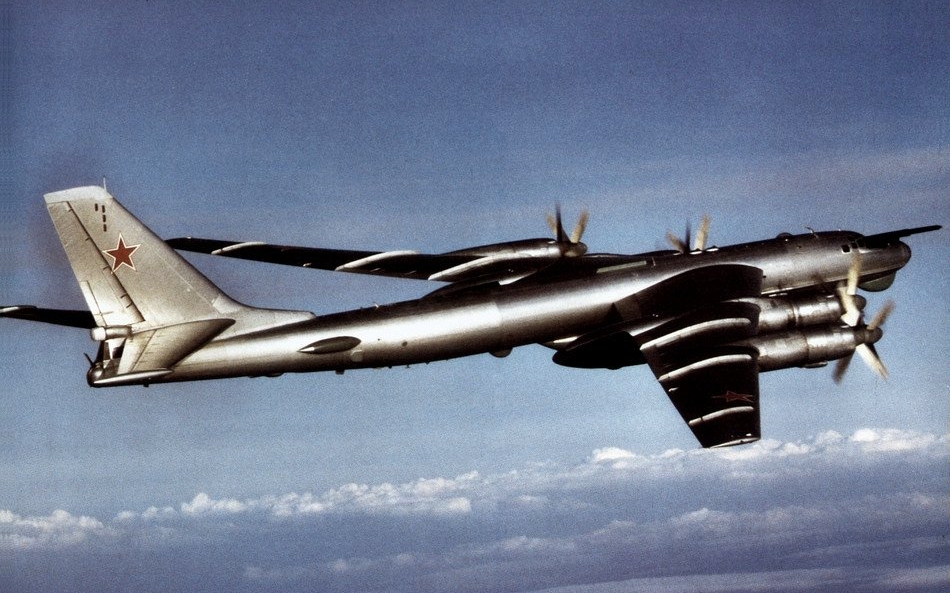
Russia’s long-range bombing capability rests primarily on aging Tu-95 and Tu-22M3 bombers, each capable of carrying up to eight Kh-101 cruise missiles. These aircraft pose a formidable threat to Ukrainian cities and civilian infrastructure. The targeted bombers had recently undergone significant modernization efforts, yet this investment proved insufficient to protect them from the coordinated assault. The loss represents far more than monetary damage; each aircraft embodies irreplaceable operational capacity that Russia cannot quickly reconstitute, given constraints in its manufacturing infrastructure.
Eighteen Months of Covert Preparation
Operation Spiderweb was not hastily conceived. Under the direction of President Volodymyr Zelensky and SBU chief Vasyl Malyuk, Ukrainian operatives spent 18 months developing an intricate infiltration strategy. The plan required establishing a logistics network capable of smuggling 117 drone units and associated equipment across thousands of kilometers through enemy-controlled territory. This extended preparation phase reflected both military ingenuity and a strategic commitment to neutralizing the existential threat posed by Russia’s bomber fleet.
The Concealment Method
The operational success hinged on an ingenious concealment technique. Ukrainian operatives dismantled the drones and concealed them inside wooden cabins mounted on ordinary cargo trucks that traversed Russian territory daily. Remote-opening mechanisms were integrated into these mobile units, which were positioned strategically at gas stations and rest stops near targeted airbases. This approach allowed the equipment to evade Russia’s sophisticated air defense systems by remaining invisible until the moment of activation.
Execution and Immediate Impact
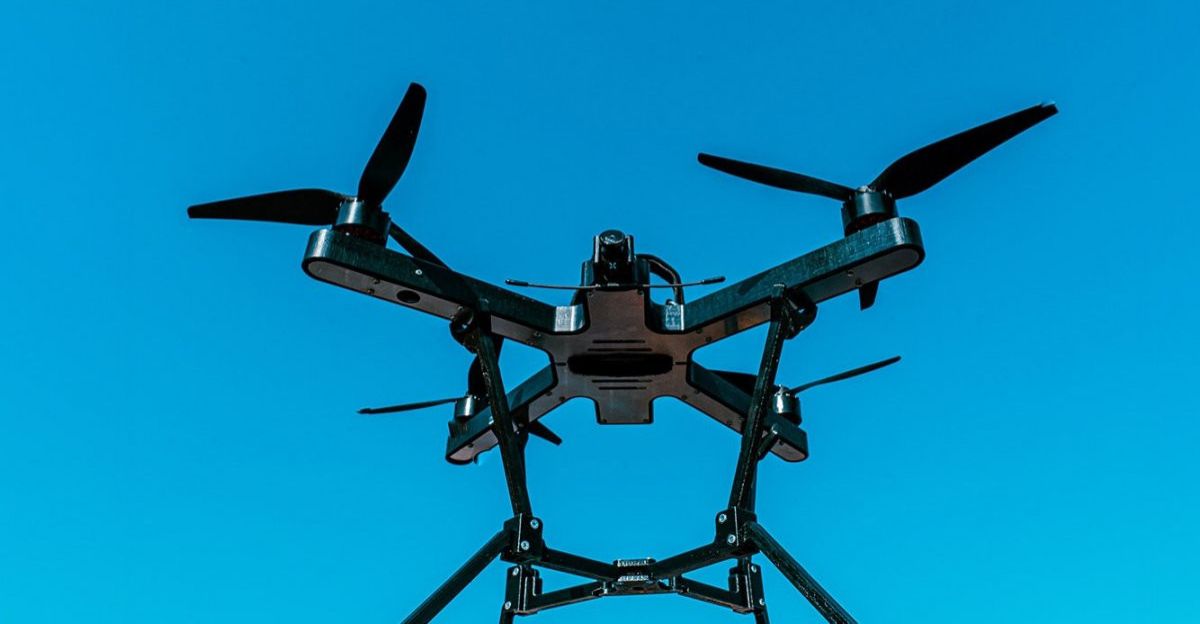
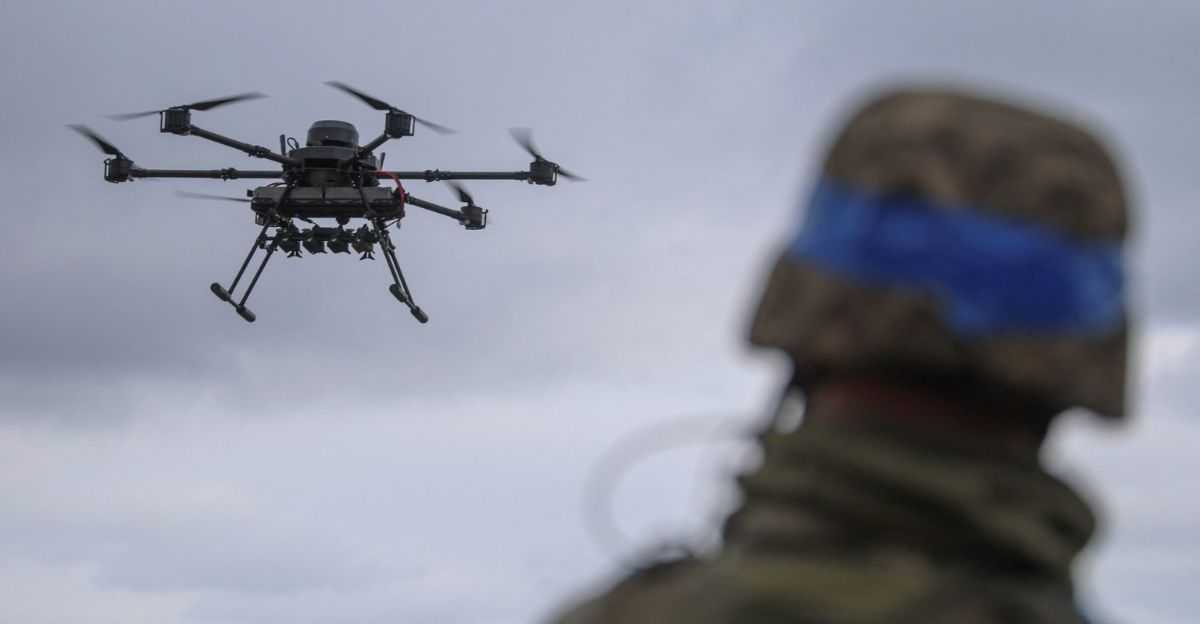
At dawn on June 1, the wooden cabins opened remotely, launching over 100 drones from positions near multiple Russian Air Force bases, including Olenya and Belaya. Operators maintained real-time control via local mobile networks, guiding each drone using dead-reckoning navigation techniques toward pre-programmed targets. The drones systematically struck vulnerable points including fuel tanks, exposed aircraft wings, and cockpits. Video documentation captured the precision of the assault, with footage showing drones aligning themselves with aircraft near fuel storage areas.
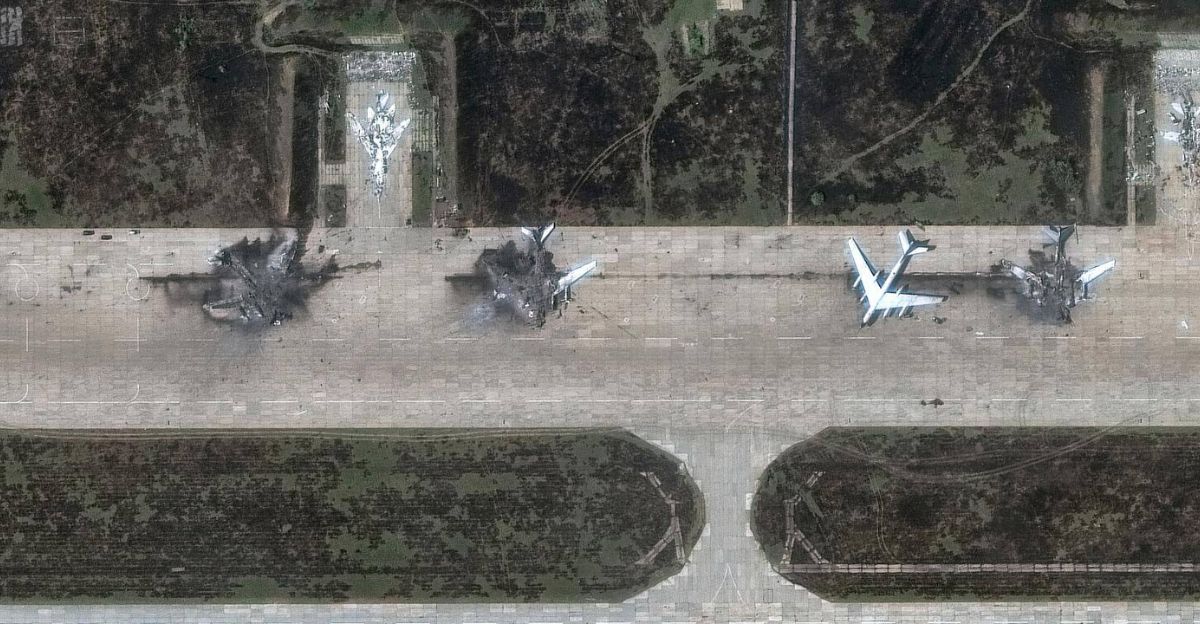
The Olenya Air Base in Murmansk Oblast sustained the heaviest damage. Satellite imagery confirmed the destruction of at least four Tu-95 bombers and one An-12 transport aircraft. Witnesses reported multiple explosions, with residents describing ten distinct blasts and sustained fires burning in the aftermath. The scale of destruction underscored the operational vulnerability of Russian airbases previously considered impregnable.
Broader Military and Strategic Implications
Military analysts worldwide have begun reassessing air defense strategies and operational doctrines in light of Operation Spiderweb’s success. The operation demonstrated that $10,000 drones can effectively neutralize $45 million bombers when deployed with precision and coordination. This cost-asymmetry fundamentally challenges conventional military planning assumptions.
The loss of irreplaceable Tu-95 aircraft represents a critical turning point in Russia’s military posture. With limited capacity to manufacture replacement bombers, Russia faces constrained options in future engagements. The operation has prompted global military institutions to reevaluate doctrines governing unmanned systems, remote warfare, and asymmetrical tactics. NATO officials have highlighted the need to prepare for similar asymmetric threats, while defense analysts emphasize that Spiderweb will influence military strategy for years to come.
Civilian Dimensions and Ongoing Conflict
The repercussions extend beyond military circles. Residents near affected airbases have described the emotional toll of the conflict, raising broader questions about warfare ethics and civilian safety in modern conflicts. Russia’s military leadership responded with retaliatory airstrikes against Ukrainian positions, initiating a cycle of escalation that signals deepening conflict and potential regional instability.
Operation Spiderweb represents a transformative moment in military engagement, showcasing how smaller forces can leverage technology and strategic creativity to counterbalance superior conventional capabilities. As the conflict evolves, the operational and doctrinal lessons from this strike will likely shape military strategies globally for years to come.
Sources
BBC News – Operation Spiderweb Coverage and Satellite Imagery Analysis
Kyiv Independent – SBU Assessment and Strategic Impact Report
Reuters – Satellite Imagery and Aircraft Loss Documentation
Euromaidanpress – Russian Aircraft Production and Replacement Capabilities Analysis
CSIS – Asymmetric Warfare and Strategic Implications Study
Institute for Study of War – Military Doctrine and Historical Comparison Assessment