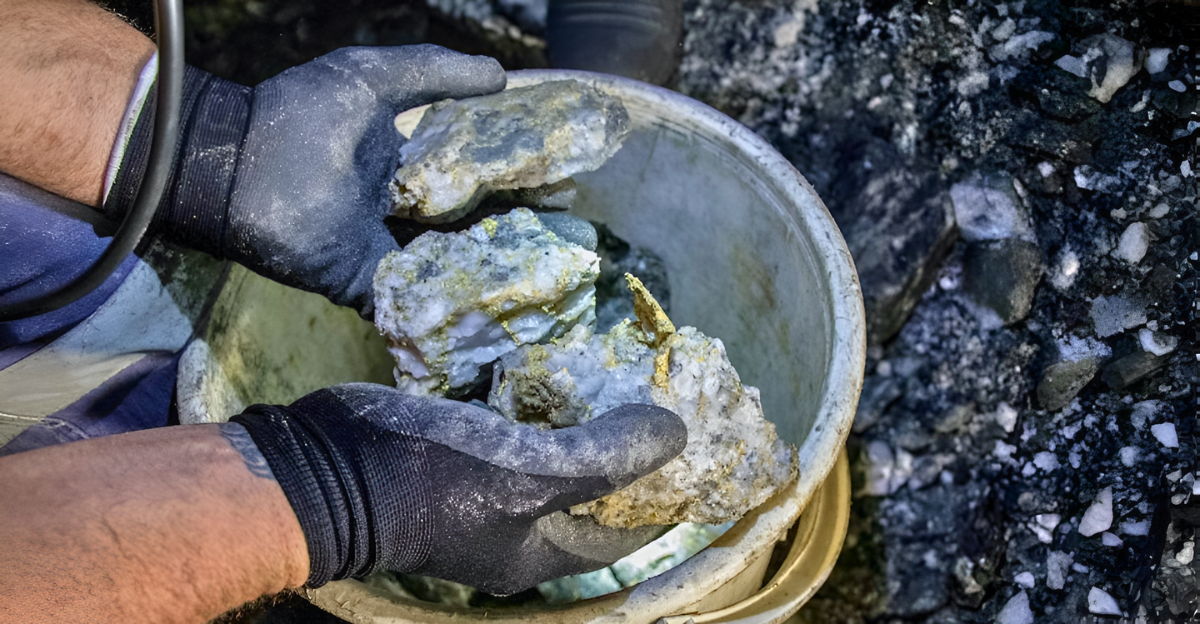
The electric vehicle (EV) boom is fueling unprecedented battery demand. In 2024, global EV sales soared to about 17 million – roughly 20% of new cars.
Analysts call this a tipping point: long-range, affordable EVs are now mainstream. That means cheaper EVs and massive renewable storage.
For industry, it signals a voracious appetite for lithium – the key mineral in today’s batteries.
This surge shows why securing lithium has become a hot-button national issue. With demand only growing, nations worldwide are racing to lock in supplies.
Supply Stranglehold
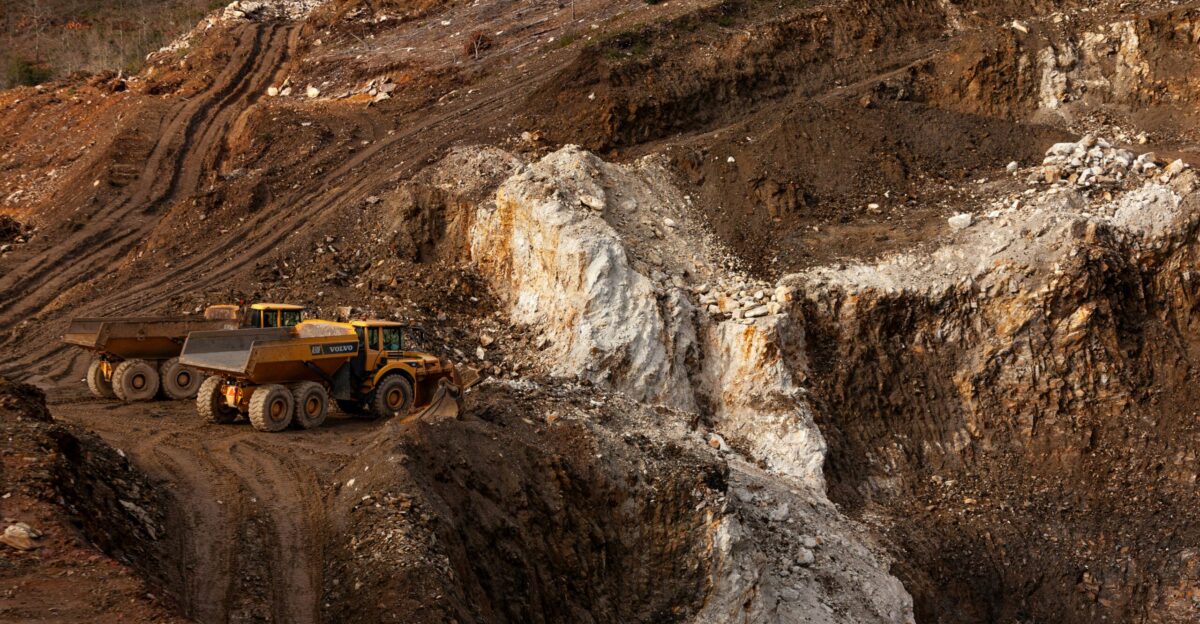
Meanwhile, supply remains a concern. China currently refines roughly 80% of the world’s lithium supply, even though it holds under 7% of global reserves. U.S. companies import nearly three-quarters of their lithium-ion batteries from Chinese suppliers.
This gives Beijing enormous leverage. Washington is responding by funding U.S. lithium projects and building domestic processing capacity.
But any overseas disruption could quickly pinch U.S. automakers and battery makers.
One analyst warned that such dependency leaves America vulnerable to geopolitical shocks. Past trade disputes have shown how a single policy change abroad can halt supplies overnight.
Mining Legacy
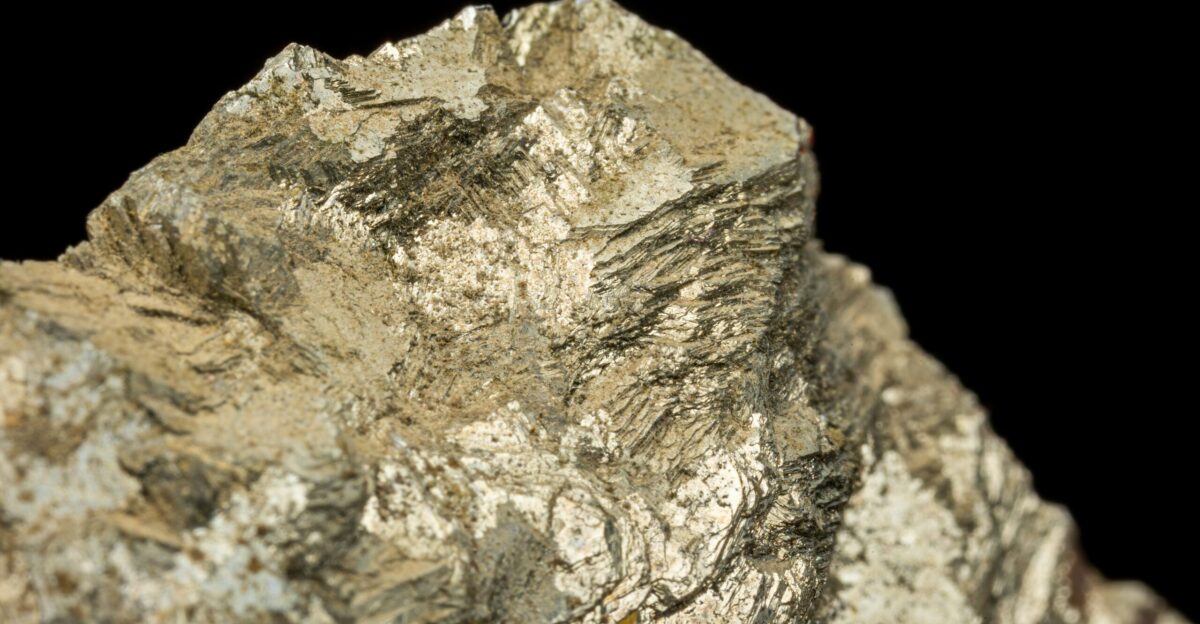
The American West’s history is full of mining booms – from the 1849 Gold Rush to 20th-century uranium digs. Nevada’s landscape was sculpted by volcanic forces over 16 million years, leaving behind metal-rich rock.
In those ancient volcanic clays now lie vast lithium deposits. In other words, the same geology that made Nevada mineral-rich in the past has also created one of America’s largest battery-mineral caches.
For locals, it feels like a new “Gold Rush” for clean-energy metals.
Communities see a historic chance to rebuild mining jobs, even as leaders emphasize that such development must be managed carefully for real local benefit.
Tightening Market
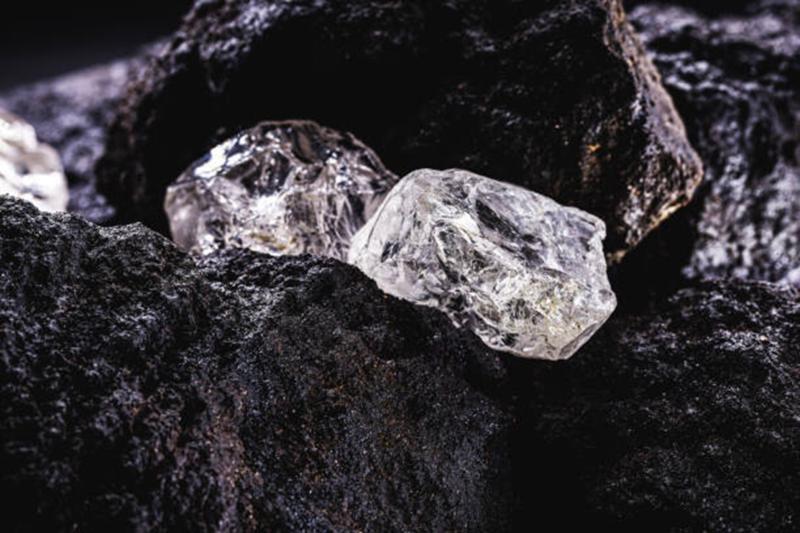
After years of oversupply, the lithium market is suddenly tightening. Experts expect the large 2024 surplus to vanish by 2025, flipping into a shortage by 2026.
EV demand is booming, so any delay in opening new mines could quickly push prices higher. In fact, lithium prices have already fallen to four-year lows, prompting some producers to cut output.
Economic forecasters now warn of a looming crunch: if new capacity lags, global supply may barely meet demand.
In this environment, analysts stress that the timely completion of mines like Thacker Pass is critical to prevent battery shortages.
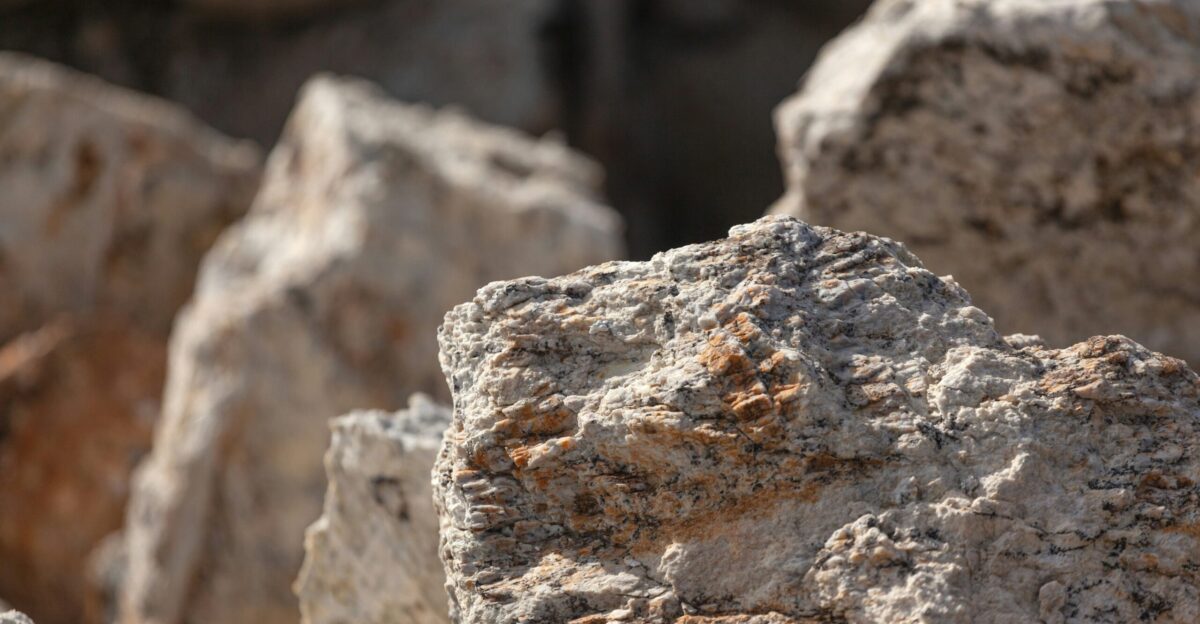
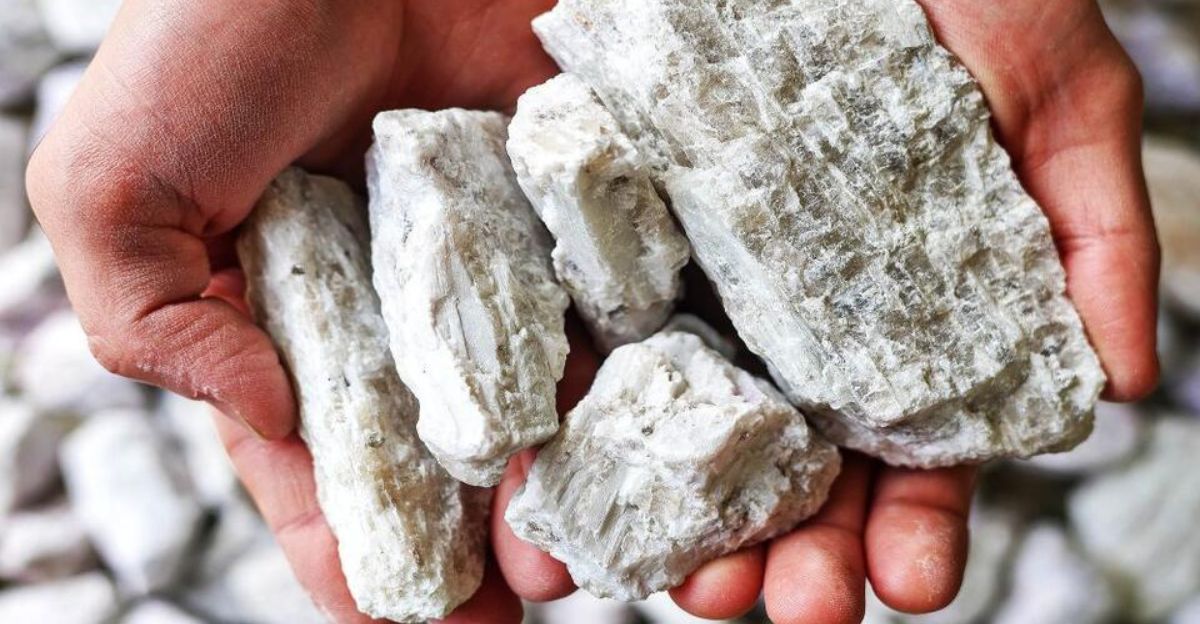
Figure: A sample of lithium-rich volcanic clay similar to that underlying Nevada’s McDermitt Caldera. Geologists estimate this deposit holds 20–40 million metric tons of lithium (worth ~$1.5 trillion).
Ancient Discovery
When scientists drilled core samples in 2023, the findings stunned experts: the McDermitt Caldera holds an enormous lithium reserve.
Geologists estimate 20–40 million metric tons of lithium in its ancient clay beds – potentially the largest deposit in North America, worth roughly $1.5 trillion.
The discovery, announced in September 2023, was hailed as a breakthrough for U.S. battery supply.
Local geologists note that this is a rare instance where geology and modern demand align, offering a vast domestic resource.
At the same time, researchers caution that fully developing such a large deposit will take years of engineering, permitting and investment.
Regional Impact
“We need to do this the Oregon way – with full accountability and shared benefits,” said Greg Smith, Malheur County’s economic development director.
On both sides of the Oregon–Nevada border, communities are eyeing the potential gains. Construction estimates suggest roughly 1,800 jobs and 360 permanent positions tied to the mine, plus about $75 million in state and local tax revenue over a decade.
For rural counties, that could mean new housing, schools and roads.
Residents emphasize, however, that strong oversight is essential: they want development done responsibly so the long-term economy truly benefits.
Time Pressure
Geologists emphasize the rush: “This feature is 16 million years old, and we’re making decisions in a matter of years,” warned Sammy Castonguay of Treasure Valley College.
His point: an ancient geologic formation is being fast-tracked through the modern permitting process.
Critics worry that in the haste to build, important environmental review or community input could be sidelined.
Locals note that decisions affecting future generations’ lands are being made on a very tight schedule.
The situation highlights the tension between Earth’s slow rhythms and today’s tight deadlines – a dilemma captured by Castonguay’s remark.
Corporate Backing
Big industry is lining up. In early 2025, General Motors invested $650 million in Lithium Americas for Thacker Pass, securing lithium for up to 800,000 EVs per year.
This is the largest raw-materials bet by any automaker to date.
Other battery and car companies are reportedly eyeing similar deals.
These corporate offtake agreements are crucial: they provide funding and guarantee that a portion of Thacker Pass output is pre-sold.
The rush of private dollars signals how serious companies are about locking in supplies for the coming EV boom.
Federal Support
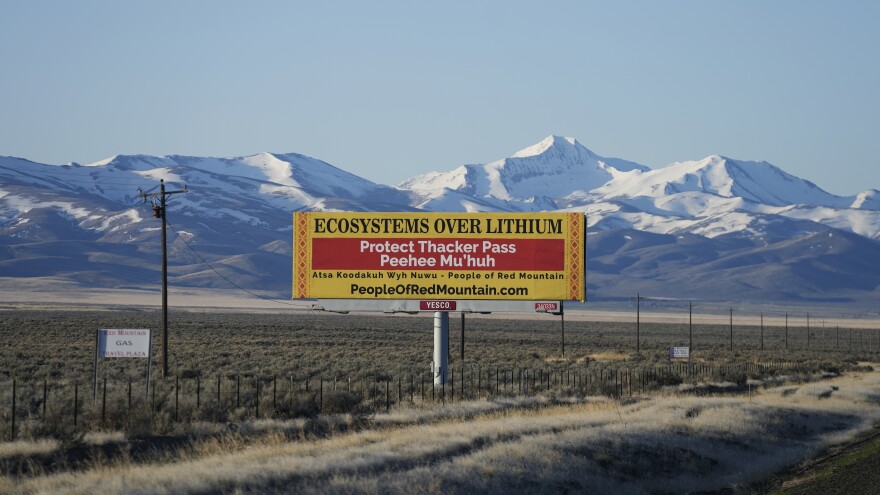
The U.S. government has also joined the effort. In March 2024 the Department of Energy offered a $2.26 billionconditional loan to build a Thacker Pass processing plant.
Secretary of Energy Granholm hailed the site as a “treasure trove of lithium” key to U.S. energy security.
Lithium Americas CEO Jonathan Evans called the loan a “significant milestone” toward meeting domestic battery needs.
Such federal backing – nearly covering the first phase of construction – underscores Washington’s push to build American supply chains and reduce imports. If all goes to plan, the plant will process Nevada ore into battery-grade chemicals, keeping value (and jobs) on U.S. soil.
Sacred Ground
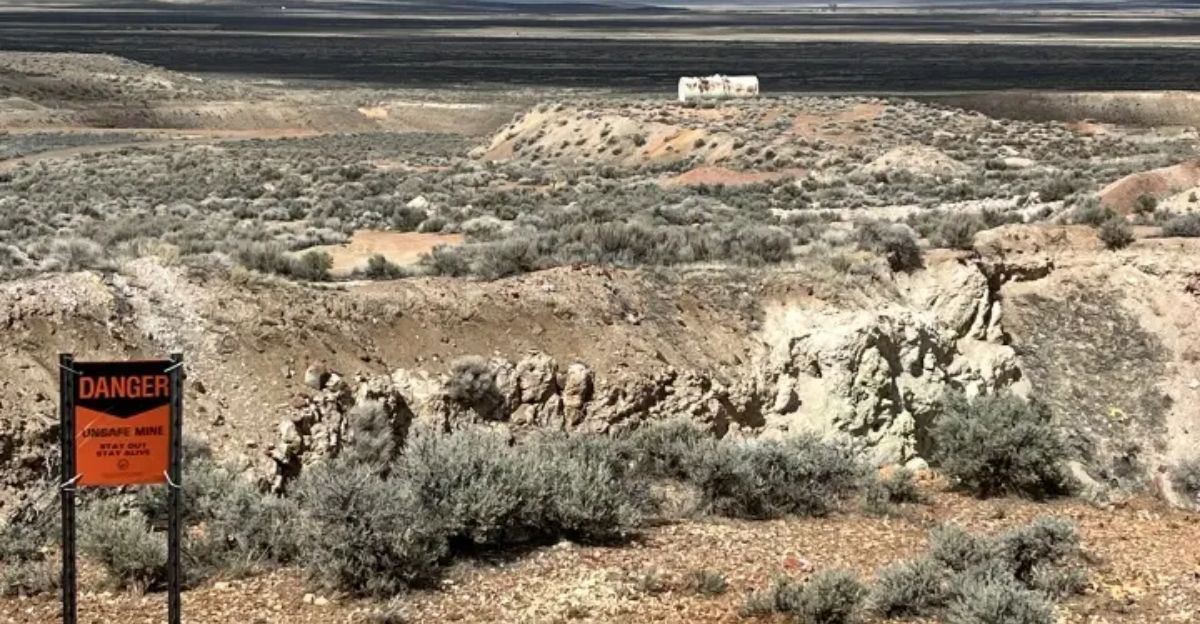
“We feel like we were meant to be here… fighting for the land,” says Daranda Hinkey, a young Fort McDermitt Paiute-Shoshone activist.
Her words hint at why this ground is so charged: Thacker Pass (Paiute: Peehee Mu’huh, or “Rotten Moon”) is ancestral land where, in September 1865, U.S. cavalry massacred at least 31 Paiute men, women and children – leaving bodies to desecrate the site.
Descendants consider it a sacred burial ground.
This history has ignited powerful opposition to mining here. Even as some tribal officials signed benefit agreements, many elders and activists view drilling into Peehee Mu’huh as desecration. For them, the land’s deep sorrow outweighs the lure of minerals.
Divided Communities

The debate has split local tribes. Fort McDermitt Paiute-Shoshone Chair Larina Bell signed a deal backing the project, noting “Thacker Pass will provide important economic and employment opportunities for members of our Tribe”.
But many other community members vehemently oppose it. The Atsa koodakuh wyh Nuwu (People of Red Mountain) coalition – led by younger tribal members – formed protest camps and social media campaigns to oppose the mine as a desecration of sacred land.
Even some who want the promised jobs say the tribal government’s agreement came without full community consent.
Reno-Sparks Indian Colony’s Arlan Melendez put it plainly: drilling sacred ground for EV batteries is “annihilating old growth…for EVs,” which he says “isn’t very climate conscious”. This rift highlights the deep emotions: one group sees salvation in jobs, the other sees sacrilege.
Legal Battles

Opponents filed numerous lawsuits. Tribes and conservation groups argued that federal agencies rushed permits and failed to properly consult all affected tribes. For almost two years, judges considered these claims.
In late 2023, the final challenges were dismissed.
The Reno-Sparks Indian Colony and allied tribes ended their appeals after a federal judge found agencies had complied with key laws.
Environmental lawyers note the litigation was costly and sets a precedent for how NEPA and NHPA reviews must be handled in pandemic conditions.
With courts clearing the way, the mine’s builders have remained largely on schedule.
Construction Begins
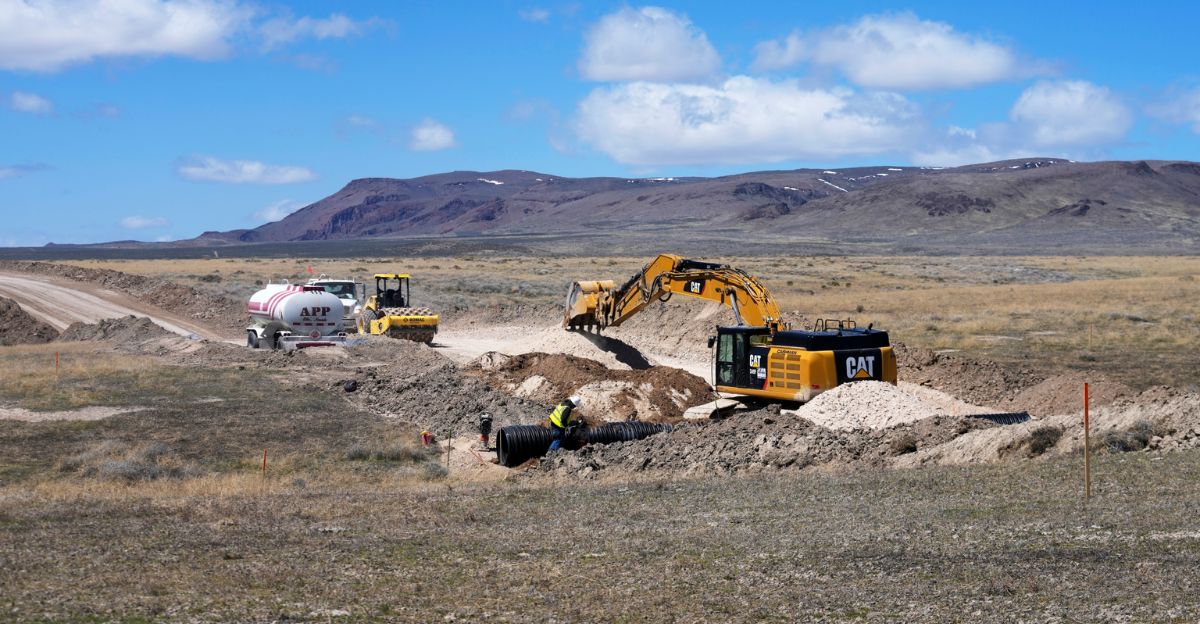
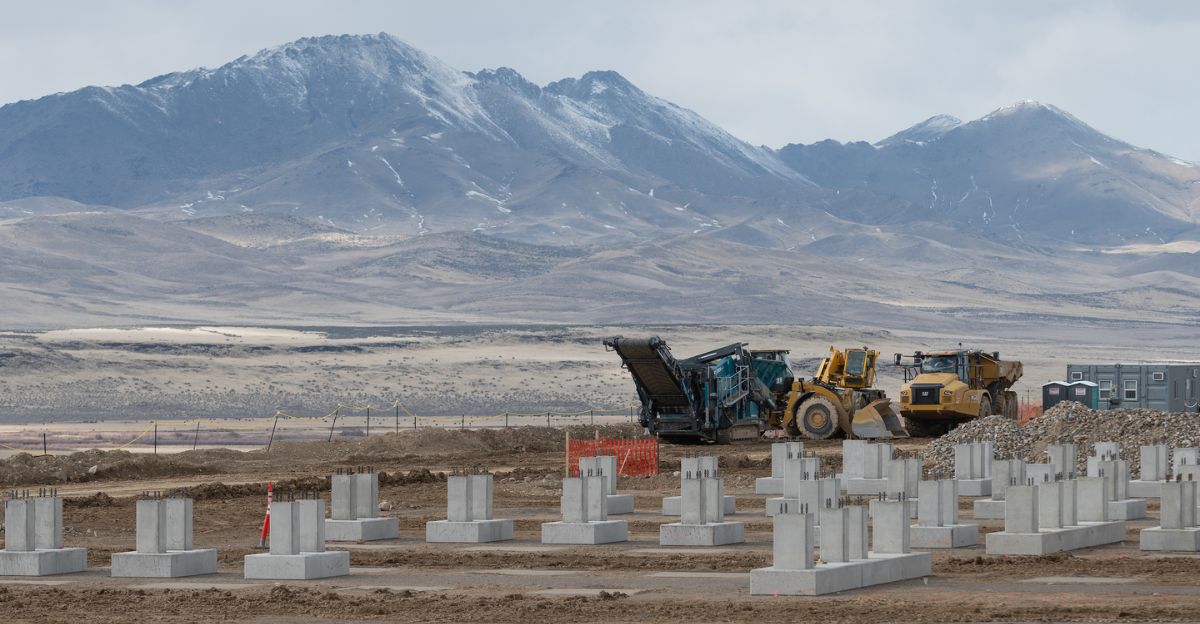
With legal barriers down, construction has begun in earnest. In April 2025, Lithium Americas announced a final investment decision. The company reports that site preparation – roads, water supply systems and clearing – is already finished.
Union laborers are now building the plant under a project labor agreement. Mechanical completion of the first phase is targeted by 2027, with commercial lithium carbonate output expected by 2028.
If all goes as planned, this Nevada mine will start delivering battery-grade lithium for U.S. factories, marking a rare example of a large domestic critical minerals development.
Market Skepticism
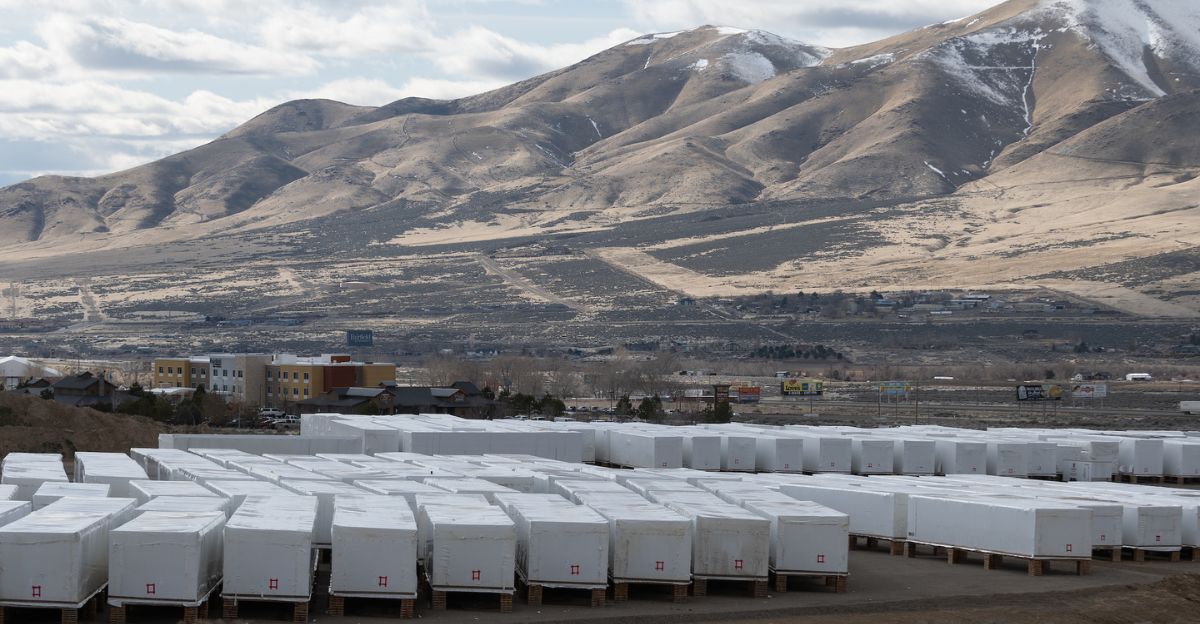
Yet many market watchers urge caution. Global lithium prices have plunged to roughly $10,000 per metric ton – the lowest in years. At these prices, analysts estimate that about one-third of producers worldwide are operating at a loss and have cut production.
Some mining projects have been delayed or downsized as investors balk.
Critics wonder whether the economics will support such a massive new mine.
In a tight-margin market, even a giant deposit must be profitable over time. “Nobody has a crystal ball,” one industry consultant said, warning that only sustained high prices and demand can justify this bet.
Strategic Implications
If Thacker Pass succeeds, it could change the U.S. strategic position. U.S. Geological Survey (USGS) data show America currently imports over 50% of its battery-grade lithium.
Fully developing McDermitt’s resources could sharply reduce that gap by 2030, bolstering domestic EV supply chains. Policymakers note that domestic lithium means more control over the clean-tech transition.
But the stakes are high: as Lithium Americas CEO Jonathan Evans said, the discovery is “an incredible opportunity” that must benefit American workers and maintain social license.
Balancing fast production with environmental safeguards and tribal rights will determine if this opportunity truly pays off.
Policy Crossroads

Even as the mine rises, U.S. policy is in flux. The Trump administration has begun reviewing federal loan programs and tax credits that Thacker Pass depends on, creating uncertainty.
Some lawmakers are proposing to repeal parts of the Inflation Reduction Act, which funds clean tech and mining projects.
Energy analysts warn that such rollbacks could chill investment.
As Rich Powell of the Clean Energy Buyers Association put it, “constraining the build of new energy [infrastructure] really feels like it’s rowing in the wrong direction”.
If Washington tightens rules now, projects like Thacker Pass could slow – a potential clash between energy security goals and changing politics.
Global Competition

Across the globe, countries are jockeying for lithium leadership. China still dominates battery cell and materials production, processing most of the world’s lithium ore into chemicals.
The U.S. lags in refining capacity. In response, U.S. officials are funding new American refineries and securing alliances with Australia and Canada.
The McDermitt deposit has added urgency: foreign and domestic investors are rushing to secure off-take rights and processing deals.
Thacker Pass has become part of a broader tech rivalry: whoever controls these critical minerals gains leverage in the clean-energy economy.
Environmental Trade-offs
The mine also carries heavy environmental costs. Thacker Pass lies in one of the nation’s driest regions, and operations would draw over 6.4 billion liters of water per year.
Critics warn that pumping and open pits could strain springs and aquifers used by ranchers and wildlife.
Habitat for sage grouse, mule deer, golden eagles and even an endangered Lahontan trout could be harmed. Shoshone land protector BC Zahn-Nahtzu put it bluntly: “It’s just the wrong thing to do to the animals, to the plants, to the Earth,” she said.
Environmentalists point out the irony: tearing up fragile desert in the name of a “green” transition seems contradictory.
These trade-offs – water use, land disturbance, carbon from construction – raise tough questions about sustainability.
Cultural Reckoning
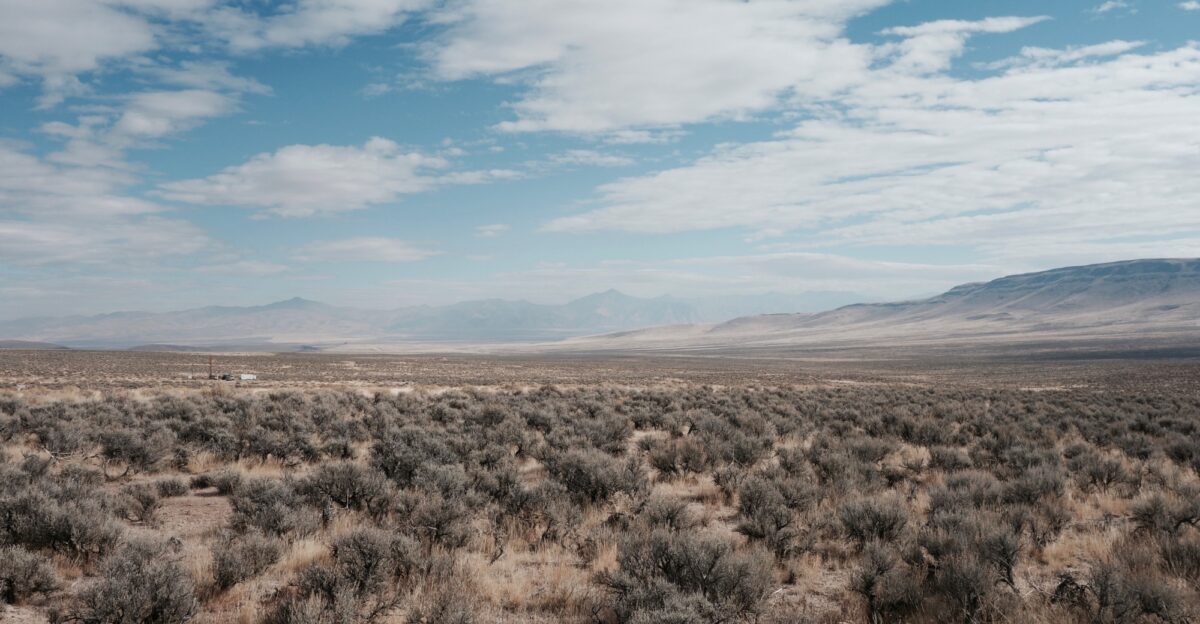
Thacker Pass is forcing a cultural reckoning. Indigenous activists insist tribal consent should be required for projects on traditional lands. Many observe the irony of mining sacred ground to combat climate change. “Annihilating old growth…for EVs isn’t very climate conscious,” warned Arlan Melendez of the Reno-Sparks Colony.
For many tribal members, Thacker Pass raises fundamental questions: whose voice matters and how can historical trauma be honored?
As one Paiute activist said of the debate, “We’re all descendants of a survivor…fighting for the land”.
The conflict at Peehee Mu’huh highlights the clash between urgent climate goals and the need for historical justice. Ultimately, it challenges America to ask whether the clean-energy transition can proceed without repeating the injustices of the past.
Future Framework
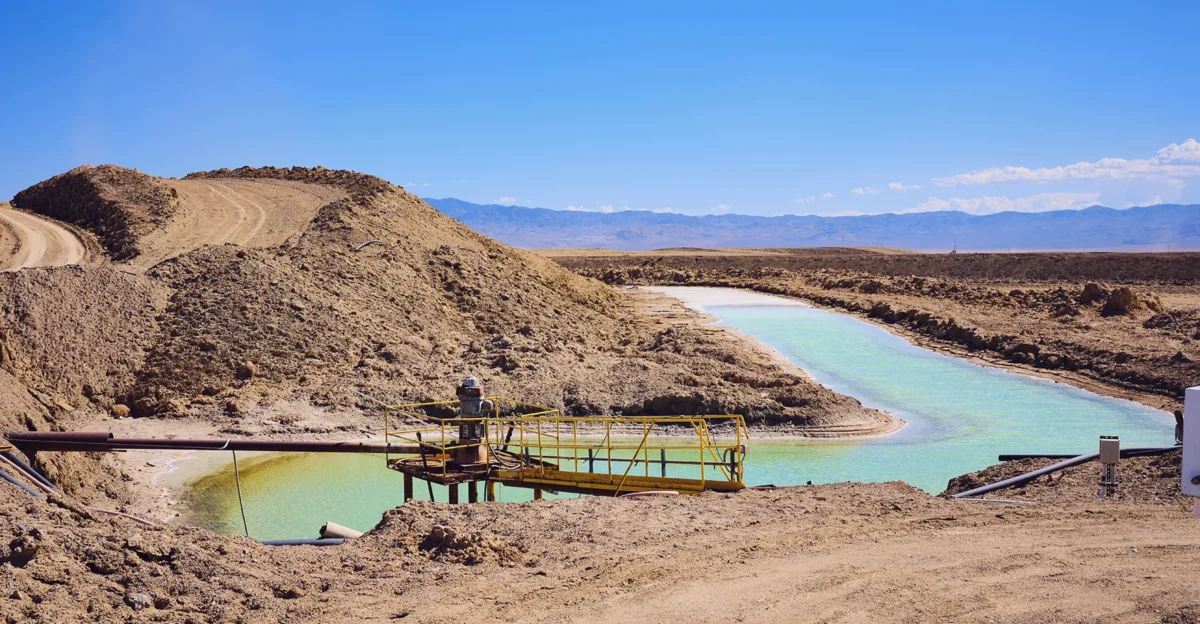
The McDermitt discovery is more than a mine – it epitomizes America’s complex relationship with its land, history, and energy future.
Columbia University analysts note it “pits national demand for critical minerals against local Indigenous communities,” a conflict whose outcome could set a precedent.
In the coming years, how the U.S. balances this $1.5 trillion opportunity with environmental stewardship and tribal rights will shape policy nationwide.
The Thacker Pass case is thus a test: can the nation pursue its clean-energy goals while honoring both climate imperatives and cultural values?